Home Blog Page 805

Flooding: NEMA, states plan rescue strategies

0

The Director-General of the National Emergency Management Agency, Zubaida Umar, has directed the zonal directors of NEMA to work with State Emergency Management Agencies in prepositioning rescue equipment for immediate deployment in the event of flood in their various areas of operations.

Umar, who gave the directive at a meeting in Abuja, also ordered the zonal directors to report these activities to the Emergency Coordination Centre that has been opened at NEMA headquarters in the Federal Capital Territory.

A statement issued by the Head of the Press Unit at NEMA, Manzo Ezekiel, said the DG convened the meeting to strengthen flood response and operational readiness of the agency for disasters across the country.

The meeting, which was held in Abuja also reviewed the status of the flood situation in Nigeria and the response carried out so far as well as commitment by the stakeholders especially the State Emergency Management Agencies to incidents in their areas.

The statement read in part, “In her remarks, Umar directed the zonal directors to strengthen synergy with the SEMAs in prepositioning rescue equipment and facilities available for immediate deployment in the event of flood in their various areas of responsibilities and report same to the Emergency Coordination Centre that has been opened at NEMA headquarters in Abuja.

“Moreover, she harped on the imperatives for timely response to save lives and property, adding that rapid assessments must also be conducted of flood incidents to determine any further action to be taken towards supporting the affected persons.”

In addition, the DG said the zonal directors should leverage existing partnerships with stakeholders, particularly the military to request for the support of their Disaster Response Units to deploy necessary resources and equipment for search and rescue operations.

Umar also held an interactive meeting with the general staff in Abuja, where she informed the technical officers at the headquarters to brace up for possible deployment across the states to beef up response interventions to overwhelming flood incidents.

NEMA recently activated its zonal, territorial, and operation offices to work with various State Emergency Management Agencies to carry out rescue operations and conduct assessments of the situation.

After the activation, NEMA search and rescue officers in the zones were deployed across the states with flood incidents. The officers have supported the states in coordinating rescue operations with SEMAs and other stakeholders.

With increasing flood incidents, Umar further inaugurated the Emergency Operations Centre at the agency’s headquarters in Abuja to monitor and coordinate the timely deployment of resources for search and rescue in support of the zonal and territorial offices nationwide.

In addition to the EOC, the NEMA boss also activated the Situation Room at NEMA headquarters for flood data collection, processing, and dissemination of authentic information from incident sites.

On July 8, 2024, The According reported that the Federal Government declared that no fewer than 10 states and the Federal Capital Territory, Abuja, had either experienced various degrees of flooding or recorded casualties as rains intensified.

The Minister of Water Resources and Sanitation, Prof Joseph Utsev, who dropped the red alert during a press briefing in Abuja, warned that 21 more states might suffer flooding.

Using technology to safeguard against insecurity

0

For several years, the country has been struggling with the issue of insecurity. DANIEL ADAJI examines how smart gadgets can shield people from this threat on an individual and family level

The rising cases of kidnapping, armed robbery, and other violent crimes have left many citizens feeling vulnerable and helpless. The constant fear of being attacked or abducted has made everyday activities seem daunting, and the sense of security that once existed in communities has been eroded. However, amid this chaos, a new breed of innovative solutions has emerged to provide a sense of security and hope to the people.

Technology has played a significant role in this development, with various apps and software being created to combat crime. For instance, emergency response apps that allow users to quickly alert authorities and loved ones in distressing situations have become increasingly popular.

Additionally, social media platforms have been utilised to raise awareness about criminal activities and promote community policing.

Furthermore, community-based initiatives have also sprung up to address the issue of insecurity. Neighborhood watch programs, where residents keep an eye on each other’s properties and report suspicious activities, have been revived. Similarly, local vigilante groups have been formed to complement the efforts of law enforcement agencies.

Moreover, innovative products, such as wearable safety devices and smart home security systems, have been developed to provide an added layer of protection for citizens. These devices can detect potential threats and alert authorities in real time, giving people an added sense of security.

Smart self-protective devices are revolutionising the way Nigerians approach personal safety, and this article will explore the various types of devices available, their benefits, and the impact they are having on the lives of individuals.

Several types of smart self-protective devices are available in the market, each designed to cater to specific needs and preferences. Some of the most popular devices include:

Wearable panic button

Wearable panic buttons are designed to be compact and lightweight, making them easy to wear and unobtrusive. They often come equipped with GPS tracking, allowing authorities to quickly locate the wearer in the event of an emergency. Some devices also feature additional safety features, such as a loud alarm or strobe light, to deter potential attackers.

When activated, wearable panic buttons send an instant alert to designated contacts, including emergency services, friends, and family members. This rapid response system ensures that help is dispatched quickly, providing the wearer with critical support in high-pressure situations.

The benefits of wearable panic buttons extend beyond personal safety. They also offer peace of mind for loved ones, knowing that their family member or friend can quickly call for help in an emergency. Additionally, these devices can be integrated with smart home security systems, enhancing overall safety and security.

GPS-enabled personal alarms

These compact devices can be easily carried in a handbag or pocket and provide real-time location tracking, enabling authorities to swiftly respond to potential threats.

The benefits of GPS-enabled personal alarms are numerous. Firstly, they offer unparalleled peace of mind for individuals who live alone, work late nights, or engage in high-risk activities. With a simple press of a button, the device sends an instant alert to designated contacts, including emergency services, friends, and family members. This rapid response system ensures that help is dispatched promptly, providing the user with critical support in high-pressure situations.

Furthermore, GPS-enabled personal alarms are designed to be user-friendly and intuitive. They often feature a simple, ergonomic design that makes them easy to carry and operate. Some devices are equipped with additional safety features, such as a loud alarm or strobe light, to deter potential attackers.

In addition to personal safety, GPS-enabled personal alarms also offer a range of other benefits. They can be used to track the location of children, pets, or vulnerable adults, providing an added layer of protection and reassurance. Some devices also offer advanced features such as geofencing, which allows users to designate safe zones and receive alerts if the device enters an unsafe area.

Smart home security systems

Home security systems have revolutionized the way we protect our homes and loved ones, utilising advanced technology to monitor and secure homes, alerting homeowners and authorities to any suspicious activity. With the rise of smart homes, these systems have become an essential component of modern living.

Advanced algorithms and machine learning technology enable these systems to learn and adapt to a homeowner’s habits and preferences, reducing false alarms and increasing accuracy. Key features include intrusion detection, video surveillance, alert systems, and remote monitoring.

The benefits of home security systems extend beyond mere protection, offering enhanced peace of mind, increased property value, energy efficiency, and customisation. Homeowners can rest assured that their homes and loved ones are secure, and installing a home security system can increase property value and appeal to potential buyers.

Many home security systems integrate with smart home devices to optimise energy consumption and reduce waste. Homeowners can tailor their security systems to meet their specific needs and preferences, enjoying a safer living environment and unparalleled protection.

Mobile apps for personal safety

Mobile apps for personal safety have transformed the way we approach safety and security in today’s fast-paced world. These cutting-edge solutions allow users to swiftly alert friends, family, and authorities in emergencies, providing a sense of security and connection. With a simple tap on their smartphone screen, users can send alerts to their designated contacts, ensuring help is always within reach.

Popular mobile apps like bSafe, Life360, and Guardly offer a range of features, including panic buttons, GPS tracking, safety networks, and emergency response. These features enable users to quickly alert others in emergencies, connect with friends and family for mutual support, and rapidly contact authorities.

Beyond protection, mobile apps for personal safety offer enhanced peace of mind, increased connection, and convenience. Users can rest assured that help is always available, stay connected with loved ones, and easily access safety features.

Other benefits of self-protective devices

The benefits of smart self-protective devices are numerous and far-reaching. Some of the most significant advantages include:

Enhanced personal safety

Personal alarms are another effective self-protective device, emitting a loud, high-pitched sound to deter potential attackers. These alarms can be carried in a purse or pocket, providing additional protection when walking alone or in unfamiliar areas.

Increased sense of confidence

Knowing that help is just a button press away can give individuals the confidence to go about their daily activities without fear.

Quick response to emergencies

Smart self-protective devices can quickly alert authorities and loved ones in emergencies, ensuring a swift response and minimising potential harm.

Convenience and ease of use

Smart self-protective devices are designed to be user-friendly and easy to activate, making them accessible to individuals of all ages and backgrounds.

Impact on society

The impact of smart self-protective devices on Nigerian society has been profound, with far-reaching consequences that extend beyond mere personal safety. Since the advent of these innovative devices, many individuals have reported feeling significantly safer and more confident in their daily lives. This increased sense of security has had a ripple effect, contributing to a more stable and peaceful society.

One of the most notable benefits of smart self-protective devices is their ability to reduce the response time of authorities in emergencies. By providing real-time location tracking and emergency alerts, these devices enable authorities to respond swiftly and effectively, potentially saving lives. This has been particularly important in Nigeria, where emergency response times have historically been a challenge.

Moreover, smart self-protective devices have also helped to empower individuals, especially women and children, who are often the most vulnerable to crime and violence. By providing them with a sense of control and agency over their safety, these devices have enabled individuals to take charge of their well-being and live their lives with greater confidence and freedom.

The impact of smart self-protective devices on Nigerian society has also been economic. By reducing the incidence of crime and violence, these devices have helped to create a more stable and secure environment for businesses to thrive. This, in turn, has contributed to economic growth and development, benefiting not only individuals but also the wider community.

Furthermore, smart self-protective devices have also helped to promote a culture of safety and responsibility in Nigeria. By encouraging individuals to take an active role in their safety and security, these devices have helped to create a society that values and prioritises safety.

Understanding protective devices for children

As a parent, ensuring the safety and well-being of your children is your top priority. With the increasing number of child abductions, bullying, and other safety concerns, it’s essential to take extra measures to protect your kids. One effective way to do this is by using smart protective devices designed specifically for children. These devices can provide real-time location tracking, emergency alerts, and other safety features to help keep your kids safe.

When choosing a smart protective device for your child, consider their age, needs, and abilities. For younger children, a wearable GPS tracker or smartwatch with a simple interface may be more suitable. For older kids, a mobile app with more advanced features may be more appropriate. Once you’ve chosen a device, set it up and configure it according to the manufacturer’s instructions. Make sure to activate the device’s GPS tracking feature, set up geofencing, configure the emergency alert feature, and ensure the device is waterproof and durable.

Educate your child on how to use the device correctly and emphasize its importance. Teach them how to send emergency alerts, use the GPS tracking feature, and activate the panic button or SOS feature. Monitor and track your child’s location, activity, and safety using the device’s companion app. Receive real-time updates on their whereabouts and set up alerts for specific events.

Regularly communicate with your child to ensure they understand the importance of using the device responsibly. Ask them to share their location with you regularly, inform you of any changes in their daily routine, and report any incidents or concerns they may have. By using smart protective devices and communicating with your child, you can help keep them safe and provide them with the freedom and independence they need to thrive.

In addition to using smart protective devices, there are other steps you can take to keep your kids safe. Teach them about stranger danger, bullying, and other safety concerns. Encourage them to be aware of their surroundings and trust their instincts. Make sure they know how to contact you or other trusted adults in case of an emergency.

By taking these steps, you can help create a safe and supportive environment for your kids to grow and develop. Remember, keeping your kids safe is an ongoing process that requires vigilance, communication, and the right tools. By using smart protective devices and teaching your kids about safety, you can help them stay safe and secure in today’s world.

FG’s revenue surpassed budgetary target, says minister

0

The Minister of Finance and Coordinating Minister of the Economy, Wale Edun, has announced that the Federal Government’s revenue for the first half of 2024 has exceeded its budgetary targets.

Edun, who announced this at a press briefing in Abuja on Thursday, also clarified that the Supreme Court’s proceedings granting financial autonomy to Local Governments have not yet been communicated to the Attorney-General of the Federation for proper study and implementation.

A seven-man panel of the Supreme Court made the landmark decision on July 11, 2024, which was, however, opposed by some state governors.

The minister explained that the process was still in its early stages and further steps would be taken once the full details were available. A Federal Government committee was set up to examine the practicability of the judgment.

“The actual proceeding has not been handed down to the AGF,” the finance minister stated.

This indicates that the direct disbursement of funds to Local Governments, initially expected to commence at the Federation Account Allocation Committee’s monthly meeting last week, will be delayed until the committee fully reviews the Supreme Court’s proceedings.

Edun stated, “The President is a democrat, he believes in federalism, he believes in fiscal federalism. What has come to pass now is a new regime, a new fiscal regime, where through the state joint Local Government account, funding will go directly to the Local Governments.”

Edun explained that a committee, comprising representatives from the federal states, local governments, and the Attorney-General, is working on the implementation. However, he noted that there were practical impediments, such as the need for elected Local Government officials to receive the funds.

Highlighting other key achievements and strategic initiatives of the Federal Government, Edun emphasised the government’s success in fiscal management and revenue generation amid challenging global economic conditions.

He said, “I am pleased to report that our efforts have yielded tangible results. Aggregate Federal Government revenue for the first half of this year has more than doubled compared to the corresponding period in 2023.”

He attributed this achievement to the implementation of robust fiscal policies and reforms aimed at enhancing revenue collection efficiency across various sectors.

The minister underscored the diversification of revenue sources away from oil-dependent income, noting that non-oil revenues in the same period were 30 per cent higher than the budgeted expectations.

“This underscores our commitment to reducing reliance on volatile oil revenues and expanding our tax base,” he added.

Edun also highlighted the success in attracting Foreign Direct Investment and portfolio investments, which have bolstered the country’s financial markets.

“Foreign portfolio investment has seen a substantial increase, reflecting growing investor confidence in our economic reforms,” he explained.

Regarding fiscal discipline, the minister pointed out that expenditure management had been tightened to align with revenue growth, contributing to a decline in the budget deficit compared to previous years.

“We are on track to meet our fiscal deficit target of 4.1 per cent of GDP for 2024, demonstrating prudent financial management amidst global economic uncertainties,” Edun affirmed.

He discussed the government’s initiatives to support economic sectors such as agriculture, manufacturing, and infrastructure development.

Edun highlighted ongoing projects aimed at enhancing food security, boosting industrial production, and improving investment climate through public-private partnerships.

He also reiterated the government’s commitment to sustaining economic growth, job creation, and poverty reduction through strategic economic policies.

“Our focus remains on ensuring inclusive growth and delivering tangible benefits to all Nigerians,” he added.

Regarding inflation, he acknowledged a slight uptick in June but emphasised that the rate of increase is slowing.

He noted that the government’s commitment to implementing the Supreme Court’s ruling marks a significant shift towards fiscal federalism and direct funding of local governments.

Edun also announced plans to issue $500m in domestic foreign currency-denominated bonds in three to four weeks.

He said, “We have an open exchange rate system, it’s not illegal and so we have the issuance of a dollar-denominated security, not depending on the financial architecture of the Western world, not depending on the kind of architecture that you use to raise Eurobonds.

“We’re using the Nigerian financial system, the Securities and Exchange Commission, the banking system, the investment bankers to issue $500m in the first instance that will be available and will attract foreign currency held by Nigerians abroad and anybody else who buys into the macroeconomic reform efforts of President Bola Tinubu.

“That issue is a challenge to the best and the brightest in the financial markets. It is due to open in the next three to four weeks maximum.”

LG autonomy will enhance security, human rights – AGF

0

The Attorney General of Federation and Minister of Justice, Lateef Fagbemi (SAN), has said that the recent landmark judgment delivered by the Supreme Court granting full financial autonomy to the nation’s 774 local governments will not only improve governance at the local government level but also significantly improve security and access to human rights.

Fagbemi stated this on Thursday in Abuja at the 17th anniversary of the Human Rights Writers Association of Nigeria.

The AGF, who noted that local government is the closest level of government to the grassroots, bemoaned the total takeover of the affairs of the councils for two decades by state governors.

Noting that activities at the 774 local government areas were crippled and all efforts by previous administrations to solve the problem were frustrated, the AGF said he was elated that President Bola Tinubu’s government took the bold step to put an end to it for the sake of good governance.

He said, “This administration, under the leadership of President Bola Ahmed Tinubu, being conscious of the linkage of governance with security and human rights, took the bold decision to approach the Supreme Court of Nigeria on this issue and that singular judgment of the apex court would not only improve governance at the local government level but would also significantly improve security and access to human rights.

“The intersection of governance, security, and human rights is crucial to the well-being and progress of any society. It is imperative that we explore these connections to understand how we can better serve our citizens and protect their fundamental rights.”

Fagbemi emphasised that good governance could only be achieved through collaborations among the three arms of government, noting that poor governance could lead to the erosion of rights and the perpetuation of injustice.

He added that the intervention by the judiciary and the expeditious passage of the Minimum Wage Bill were pointers to the fact that good governance at the local level would lead to improved security that would address the root causes of insecurity, such as poverty, unemployment, and social injustice.

He said, “Without security, the enjoyment of rights such as freedom of movement, expression, and association becomes impossible. However, security measures must always be balanced with the need to respect and protect human rights. Excessive use of force, arbitrary detentions, and other abuses undermine the very foundation of our democratic principles.”

The AGF cautioned law enforcement agents against keeping persons in detention beyond the time stipulated in the Constitution.

He warned that disobedience to carrying out their duties outside what is stipulated in the Constitution would no longer be tolerated as anyone caught would be punished.

“I wish to remind our law enforcement agents that they must respect the laws of the land and not keep people in detention beyond a reasonable time as stipulated in Section 35 of the Constitution of the Federal Republic of Nigeria 1999.

“Law enforcement agents must do due their diligence before arresting anyone. Situations where people are languishing in detention beyond the time allowed under the Constitution or by order of the courts, will no longer be tolerated and appropriate sanctions shall be meted out to those found guilty of contravening the laws of the land,” Fagbemi said.

He added that as the chief law officer of the country he would ensure that no one trampled on the rights of another.

He said in ensuring access to justice and protection of human rights, the Federal Ministry of Justice had designated a Department of Citizens Rights where all complaints could be lodged and would be adequately addressed.

He added that the Administration of Criminal Justice Monitoring Committee a few days back presented to the public the 2024-2025 Strategic Action Plan as part of efforts to ensure the protection of human rights and this was also complemented on the same day by the official signing of the Practice Direction and Guidelines and Monitoring Framework on Remanding Proceedings by the Chief Judge of the FCT High Court, Justice Husseini Baba Yusuf.

Fagbemi said, “I am particularly delighted, as these groundbreaking feats towards refining the remand system underscore our dedication to ensuring that the rights of suspects are protected and that justice is administered without unnecessary delays.

“It is in this same spirit that President Bola Ahmed Tinubu exempted the Board of the National Human Rights Commission when he dissolved the Governing Board of all Federal Government agencies.”

Crude supply: N’Assembly probes $10bn oil theft, summons NNPC, Dangote

0

Between January and July 2024, Nigeria lost an average of 437,000 barrels of crude oil daily, worth about $10bn due to theft, vandalism, and other criminal activities, the House of Representatives declared on Thursday.

As a result, the House of Representatives Special Committee on Oil Theft and Losses commenced investigations into the illegal lifting of crude oil in Nigeria, as the Senate summoned the Nigerian National Petroleum Company Limited, Dangote Petroleum Refinery, and other major stakeholders in the oil sector for interrogation.

The Senate vowed to expose those responsible for economic sabotage and the importation of toxic fuel into the country.

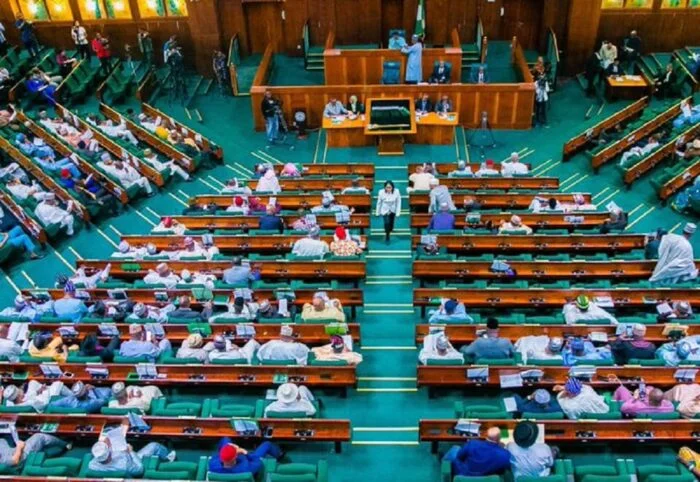
At the House of Representatives, the event which was declared open by the Speaker, Tajudeen Abbas, was attended by the Chief of Defence Staff, Chief of Army Staff, Chief of Air Staff, and Inspector-General of Police, who were all represented by senior officers, accompanied by men drawn from the military formations.

The committee on oil theft was inaugurated on November 22, 2023, to determine the immediate and remote causes of oil theft, and recommend appropriate remedial measures, among others to the House.

Chaired by the member representing Doguwa.Tudun Wada Federal Constituency, Kano State, Alhassan Ado-Doguwa, the committee was also mandated to investigate oil theft in all ramifications, focusing on the actions of criminal gangs, militia groups, local communities, companies, and security agencies.

In his remarks at the event, Abbas, represented by Deputy Speaker, Benjamin Kalu, lamented the negative impact oil theft was having on the nation’s economy, even as he decried the daily losses of crude due to the activities of criminals.

He said, “The statistics on crude oil theft are very alarming and its negative impact on the economy is quite monumental. For instance, it is estimated that between January and July 2024, Nigeria lost an average of 437,000 barrels of crude oil per day due to theft, vandalism, and other criminal activities. At the current price of oil this translates to over $10bn over the same period.

“Apart from reduced government revenue to address the multi-faceted challenges of national development, other problems associated with crude oil theft include environmental degradation, heightened insecurity in the form of piracy, kidnapping, militancy and vandalism and the shut-down of production by many companies, among others.

“The reduction in government revenue has invariably been responsible for government borrowing to address budget deficits over the years.”

The Speaker called for a concerted effort to reverse the trend, saying, “If we must make progress as a nation, renew the hope of Nigerians, and meet their yearnings, this appalling situation cannot be allowed to continue unabated.”

He identified corruption as one of the factors working against sustainable development in the oil sector and pledged the readiness of the parliament to assist anti-graft agencies to rid the industry of various economic crimes.

“We are determined to strengthen the Economic and Financial Crimes Commission, Nigeria Extractive Industries Transparency Initiative, and other anti-corruption agencies to frontally combat corruption in the oil and gas sector,” he assured.

Also speaking, the Secretary to the Government of the Federation, George Akume, reiterated the commitment of the Federal Government to secure the nation’s oil and gas infrastructure, noting that in the past four years, over $1.5bn was spent in this regard.

Represented by the Permanent Secretary, General Services, Office of the SGF, Maurice Nnamdi, Akume said, “The government has invested considerable resources in combating this menace.

“Since 2020, expenditure aimed at addressing crude oil theft and securing our oil infrastructure has exceeded $1.5bn. These funds have been allocated towards enhancing surveillance capabilities, securing pipelines, and increasing the presence of law enforcement agencies in critical oil-producing areas.”

On his part, Ado-Doguwa promised on behalf of the committee to do a good job in the interest of Nigerians.

He said, “Our ultimate aim is to employ every legislative tool to unearth the root causes and immediate factors contributing to this crime, bring those complicit to justice and develop sustainable solutions to safeguard the integrity of our oil sector and promote national development.

“To ensure a thorough investigation, our methodology includes inviting memoranda and presentations from key stakeholders within the oil industry and security sector and engaging in further discussions with international and local oil companies, host community leaders, and relevant agencies.”

He highlighted some challenges to be addressed saying, “Our committee has noted several critical issues, including vessels transporting stolen crude oil undetected, collaboration among government and security agencies in illicit activities, and the inefficiencies of current measures to combat oil theft.

“We have identified that firepower and other weapons of engagement are inadequate compared to the number of security operatives drafted to combat armed crude oil thieves. The NNPC has reported 900 infractions on its pipelines, and delayed judicial processes have resulted in the abandonment of cases, allowing culprits to return to their criminal activities.

“In light of these findings, our committee has resolved to enact adequate legislation, including budget allocations to support security agencies, improve existing laws to combat crude oil theft, and collaborate with security agencies to prioritise the protection of national assets and critical infrastructure.

“We also emphasise the importance of involving indigenous youths in ownership initiatives and converting seized refineries for legitimate use rather than destroying them.”

Meanwhile, the immediate past Deputy Speaker, Idris Wase, has urged Ado-Doguwa to brace up for what will come his way, noting that the oil thieves will come after him.

Giving his remarks at the event, Wase reminded the Kano lawmaker that his job is a dangerous one.

“Mr Chairman, you are involved in doing a very dangerous business. It is more than dangerous. Don’t take it lightly. It is not going to be easy for you and the committee members because you are going to face people who are sabotaging Nigeria’s economy.

“In other climes, these people are supposed to be on the gallows and face the death penalty. They will go after you; they will come after your life but God will shield you. He will protect you,” he prayed.

NNPC, Dangote summoned

Also on Thursday, the Senate summoned major stakeholders in the petroleum sector for interrogation, vowing to expose those responsible for economic sabotage and the importation of toxic fuel into the country.

This was announced by the ‘Senate Ad-Hoc Committee to Investigate the Alleged Economic Sabotage in the Nigerian Petroleum Industry’ during a press conference in Abuja.

The 15-member committee, led by the Leader of the Senate, Senator Opeyemi Bamidele (APC Ekiti Central), addressed journalists on their assignment’s scope and readiness to unveil the alleged saboteurs.

Key stakeholders summoned to appear before the committee at a public hearing scheduled for September 10 to 12, 2024 include the Minister of State for Petroleum Resources, Senator Heineken Lokpobiri; Nigerian National Petroleum Company Limited, Central Bank of Nigeria, and the Nigeria Ports Authority.

Other entities summoned are the Nigerian Midstream and Downstream Petroleum Regulatory Authority, Nigerian Upstream Petroleum Regulatory Commission, Nigeria Customs Service, Nigerian Navy, International Oil Companies, Dangote Group, Capital Oil, and modular refineries.

The committee was established by the Senate in plenary on Wednesday, July 3, 2024, following a resolution adopted after an exhaustive debate on a motion sponsored by Senator Asuquo Ekpenyong (APC Cross River South) regarding the importation of hazardous products and substandard diesel into Nigeria.

In his speech at the press briefing, Senator Bamidele stated, “The rationale for this news conference is pure and simple. It mainly borders on the alleged economic sabotage in the petroleum industry, including the recent accusations and counter-accusations of the importation of petroleum products into the country.

“Given its consequences on our domestic economy, the Senate, under the able leadership of the President of the Senate, Senator Godswill Akpabio, constituted this 15-man Ad-hoc Committee to investigate Alleged Economic Sabotage in the Nigerian Petroleum Industry on July 3, 2024.”

He added, “Specifically, as mandated by the Senate, the committee will examine the pre-shipment and pre-discharge standard test parameters adopted by the Nigerian Midstream and Downstream Regulatory Authority to uncover any loopholes being exploited to import toxic cargoes into the country.

“We will determine the level of compliance of the NNPC’s Direct Sale and Direct Purchase arrangements in line with the provisions of the Petroleum Industry Act, including the extent of transparency and accountability.

“We will also scrutinise the activities of the Nigerian Midstream and Downstream Petroleum Regulatory Authority, including payments made to transporters in the last 10 years.”

Senator Bamidele continued, “We will inquire from the NNPC about the state of the 22 depots built by the defunct NNPC to eliminate road distribution of petroleum products.”

He said the Senate would engage with stakeholders within the oil and gas industry to identify gaps in regulating and strengthening surveillance and monitoring structures to detect violations of best practice standards in the importation of products before they enter the domestic supply chains.

“We will also engage with the NNPC to understand its determination and timelines for the start-up of government-funded oil refineries,” the Senator stated.

He added, “Furthermore, we will investigate how institutions across the importation and distribution chain failed to conduct quality sampling, shipped in products without auditing, and performed port validations by the Nigeria Customs Service, Nigerian Midstream and Downstream Petroleum Regulatory Authority, Nigerian Maritime Administration and Safety Agency, Standards Organisation of Nigeria, and Nigerian Ports Authority.”

The committee also resolved to carry out the investigations holistically and thoroughly, having written to all relevant stakeholders in the sector for submission of necessary documents and their appearance during the public hearing.

In their separate remarks at the press briefing, all committee members vowed to unravel the rot in the sector and declared that it would no longer be business as usual.

They emphasised that their integrity was at stake and there would be no room for sacred cows, stating that warrants of arrest would be issued for any head of an agency who refused to honor the invitation for appearance.

Members of the Committee include Senators Asuquo Ekpenyong, Abdullahi Yahaya, Mohammed Monguno, Adeola Olamilekan, Diket Plang, Harry Banigo, Khabeeb Mustapha, Adams Oshiomhole, Jonah Eteng, Adetokunbo Abiru, Osita Izunaso, Sahabi Ya’u, Alhaji Abdul Ningi, and Ifeanyi Ubah.
Ngannou accuses Joshua of dirty tactics in Saudi

0

Former UFC heavyweight champion Francis Ngannou has accused Anthony Joshua’s promotion team of employing unfair tactics during their recent bout in Saudi Arabia, According Sports Extra reports.

Speaking on ‘The Joe Rogan Experience’ podcast, Ngannou detailed a series of incidents he believes were designed to give Joshua an edge in their fight.

The Cameroonian fighter, who made his professional boxing debut against Tyson Fury in 2023, claimed that British boxing promoters deliberately disrupted his preparation schedule.

“We get into fight week, and every time we’re going to do media, they’re going to pick me up, and then I get there and have to wait an hour and a half before media arrives,” Ngannou said.

He added that his striking coach, Dewey Cooper, became suspicious of these delays, suggesting it was a tactic to make fighters get tired quickly.

Ngannou also recounted issues on the day of the fight, describing how he arrived at the arena hours before the scheduled fight time, only to be informed of a significant delay.

“A producer comes into the locker room and says, ‘Oh, guy, we are running late on the broadcast. Now we’re going to go around 1:45.’ I’m like, okay, 1:45. It’s 10:45. Three hours. Okay,” he said.

While Ngannou was clear that he doesn’t blame Joshua personally for these incidents, he pointed fingers at the organising bodies.

“This is definitely not on him (Joshua), because he wasn’t the guy that was sending all those emails, organizing. So I’m not blaming him for anything. But the organisation did quite some stuff that wasn’t fair,” Ngannou stated.

The fighter specifically mentioned Queensbury Promotions and Matchroom Boxing as the sources of the scheduling emails and pickup times that he found disruptive.

Despite these allegations, Ngannou acknowledged Joshua’s skill, saying, “Not to say Anthony Joshua couldn’t beat me. I think if there’s somebody that you can lose against, he’s the guy; he’s one of the best doing it.”

Ngannou has now shifted his focus back to MMA, preparing for a fight against Renan Ferreira in the Professional Fighters League.

How media can keep citizens better informed

0

When we hear about high-profile corruption cases involving politicians, it’s easy to become desensitised to the gravity of these issues. This is especially true in Nigeria, where the case between Yahaya Bello, former governor of Kogi State, and the Economic and Financial Crimes Commission seems to still be unfolding.

Allegations against Bello involve a staggering N80.2 billion fraud. Yet, despite the severity of these allegations, there is often a disconnect between complex legal proceedings and public understanding. This disconnect frequently leads to misinformation and undermines efforts to hold political figures accountable. This is where the media comes in.

In this context, the role of the media is crucial. The media must provide accurate, timely, and comprehensive coverage of developments, explaining legal actions taken against politicians. By doing so, they ensure that Nigerians are well-informed about the actions and integrity of their elected officials.

Yahaya Bello is not the first former governor to be probed by the EFCC for corruption. There have been several high-profile cases where former governors and other officials have resisted arrest in a dramatic fashion. These are not isolated incidents but part of a broader pattern of corruption and evasion in politics. For instance, past incidents have seen security agencies needing to enter residences through unconventional means to arrest these individuals.

One major issue with media coverage is the need for more follow-up. Often, once an initial report is made, media outlets move on to other stories, leaving the public needing updates on the progress or resolution of these cases. Follow-up reports are essential to keep the issue on the public’s mind and ensure continued pressure on the authorities to pursue justice. Media houses should allocate resources to consistently follow up on such high-profile cases, ensuring that they remain in the public consciousness.

In covering such sensitive matters, the media must strive to maintain balance and impartiality. This involves avoiding propaganda from any political side, whether from the accused or their opponents.

Ensuring that reports are unbiased and fact-checked prevents the spread of misinformation and helps the public form a well-rounded understanding of the situation. Fake news, such as false reports of Bello evading arrest by jumping fences, undermines the credibility of media outlets and the seriousness of the charges.

To engage the public effectively, the media should use tools such as infographics and data visualisation info to illustrate the impact of corruption. For example, explaining how the alleged N80.2 billion fraud could have been used to build hospitals, schools, or other essential infrastructure can help citizens grasp the real-world consequences of such corruption. Also, interactive elements like quizzes and games can make the information more engaging and memorable.

Complex legal proceedings can be difficult for the general public to understand as many are not educated or have no knowledge of these legal terms. Media outlets should produce explainer articles and special reports that break down legal terms and processes, making them accessible to a wider audience. Also, they can invite experts to provide commentary and analysis that can further enhance the public’s understanding and keep them informed about the intricacies of the case.

Given the prevalence of misinformation, especially in high-stakes cases involving political figures, fact-checking is crucial. Media organisations must dedicate resources to verifying the accuracy of their reports and correcting any false information.

Beyond news reporting, the media has a crucial role in educating the public on media literacy. By teaching citizens how to critically evaluate news sources and differentiate between credible information and misinformation, media outlets can empower the public to be more discerning consumers of news. This is especially important in an era where fake news and disinformation can spread rapidly through social media.

Digital media platforms offer an unprecedented opportunity for traditional media to extend their reach. By leveraging Facebook, Twitter, WhatsApp, etc, podcasts, and other digital formats, the media can engage a broader audience, particularly the younger generation (Gen Z), ensuring that important stories receive the attention they deserve.

Media newsrooms can strengthen their investigative efforts by collaborating with civil society organisations that specialise in transparency and accountability. These CSOs often have the resources and expertise to conduct in-depth investigations and provide valuable insights and data that can help enrich media reports. Such partnerships can help amplify the impact of media coverage and sustain public interest in corruption cases. By providing thorough, balanced, and engaging coverage, the media can play a significant part in promoting transparency and good governance in Nigeria.

  • Nurudeen Lawal is a media analyst from Lagos, Nigeria

Stable oil price, FDI will boost external reserves — Analysts

0

As the Governor of the Central Bank of Nigeria, Olayemi Cardoso disclosed that the country’s external reserve has hit $37bn, experts have stated increase in oil prices and improved foreign direct investments will help the country sustain the upswing.

At the end of the 296th Monetary Policy Meeting on Tuesday, Cardoso disclosed that as of July 18, 2024, external reserves stood at $37.05bn, compared with $34.70bn as of the end of June, representing 11 months of import cover for goods and services.

The experts posited that favourable global oil prices and policies that encourage Foreign Direct Investment as opposed to foreign Portfolio Investments would go a long way in sustaining the rise.

The Head of Financial Institutions Ratings, Agusto & Co, Ayokunle Olubunmi, told The According that a rise in the external reserves would boost investor confidence and identified some of the drivers.

“There are a lot of drivers. One, on the back of the rising interest rate, we have seen a lot of portfolio investors coming into Nigeria and we have seen a gradual increase in Nigeria’s crude oil production, although we are not yet meeting the OPEC quota, we see that we are not where we were last year and the production has also increased to a particular extent. The insecurity in the Niger Delta has also reduced which has helped.

“For us to maintain it, a lot needs to be done. This high interest rate is not sustainable. There are projections that before December; the CBN will have to wind it down because it is stifling economic growth.

“By the time the interest rate is reduced, how do we keep the foreign portfolio investors? We also need incentives to encourage foreign investment but unfortunately, the reverse has been the case.”

For Crude oil production, we need to do more. There should be further investment by the oil companies but the environment has not been too friendly. You have seen them going to Angola and other countries. Instead of them investing, we are hearing that they want to divest and sell their stake in Nigeria,” he explained.

According to Olubunmi, to sustain the rise in the external reserves, more confidence needs to be brought into the economy to encourage foreign direct investment.

Another expert and Relationship Manager at FSDH Merchant Bank, Ayodele Akinwunmi, agreed that oil prices were favouring the country.

“Oil prices have averaged $81 per barrel, which is not bad and there has been an inflow of foreign portfolio investment and international remittances into Nigeria. The trade volume for Nigeria in the first quarter was positive; those are the major drivers.

“External reserves enough to cover 11 months of import is very positive. The international standard for countries like Nigeria is three months,” Akinwunmi said.

On sustaining the trend, Akinwunmi noted, “It could be sustained if we continue to have positive oil prices, which of course, dominates our total export today and we have been growing the non-export portion too.”

On July 8, Nigeria’s foreign reserve crossed $35.05bn for the first time in about a year and has remained above that mark since then.

The northward movement in the external reserves comes amid a projection by the CBN that the external reserves may reduce slightly in 2024 on the back of debt service and other obligations.

This was disclosed in the maiden edition of Central Bank of Nigeria 2024. Macroeconomic Outlook: Price Discovery for Economic Stabilisation, which was recently released.

The apex bank said, “The external reserves, which stood at $33.09bn in 2023 could reduce slightly in 2024. This is on the assumption of continued payments of outstanding foreign exchange forward obligations, matured foreign exchange swaps, and debt service. The expected improvement in crude oil earnings, together with recent reforms in the foreign exchange market and energy sector, however, would cushion the drop in external reserves.”

Ighodalo woos voters as PDP takes campaign to wards

0

The candidate of the Peoples Democratic Party for the September 21 Edo State governorship election, Asue Ighodalo, has said his priority is to introduce policies and programmes that would eradicate poverty, and other economic problems from the state if voted into power.

Ighodalo disclosed this as the PDP flagged off its ward-to-ward campaign at Ugbogui and Usen wards in the Ovia South-West Local Government Area of the state on Thursday.

The lawyer and boardroom guru said a vote for him represented all-round development and progress for the state.

“Our message to the people is that by the Grace of God, when we are voted into power again and sworn in by November, we are going to improve the welfare and living conditions of our people

“We are going to eradicate poverty and hardship brought upon the people by the All Progressives Congress-led Federal Government through the introduction of policies and programmes that would aggressively eradicate poverty in Edo.

“So, go to your various polling units on September 21 and vote en masse for the PDP and ensure you protect your votes afterwards.”

Also speaking, Ighodalo’s running mate, Osarodion Ogie, called on the people to be wary of the APC, which, according to him, wants to government, but does not want to talk to voters.

 “They (APC) said they want to serve the people in the state, yet they don’t want to appear before the people and talk to them.

“They want to work for the people, yet they don’t want to be interviewed by the people.

“So, vote for us as we mean well for the state and the well-being of the people. Our administration will be people-centric if elected as governor and deputy governor of the state.”

Campaigning at Siluko and Umaza wards, Ighodalo assured the people that the issue of security in the locality would be given attention by his administration.

Ighodalo also met with PDP members and supporters in Iguobazuwa Wards.

Earlier in a statement on Thursday, the Deputy Director General, Media and Publicity of the Asue-Ogie Campaign Management Council, Rev. Olu Martins, declared the flag-off of the ward-to-ward campaign.

Martins said, “The ward tours will afford us the opportunity of meeting our party faithful at the grassroots so that they can better be acquainted with the programmes and vision of our candidate, Asue Ighodalo, and his running mate, Osarodion Ogie.

“The tours will also serve as a platform for our candidate and the party to vigorously take the message of prosperity to the grassroots so that no one is left out in our pursuit of a prosperous Edo State.”

The party executives, led by Tony Aziegbemi, the statement stated, would form part of the campaign entourage, which would also have the PDP candidate.

“Also, consciously and gallantly visible is the campaign council, ably led by its Director General, Matthew Iduoriyekewhen. No doubt, the PDP is the most prepared party for the September 21 election, not only because we are a much-organised party  but also because our candidate is forward-looking, focused and hard-working.”

Shelve planned protest, 170 Reps urge youth to embrace dialogue

0

About 170 members of the House of Representatives on Thursday appealed to Nigerian youths to cancel their planned nationwide protest due to the current hardship being felt across the country.

The 170 members, under the aegis of the “New Dawn Caucus – 10th Assembly,” made the plea in a communiqué at the end of its 1st Session Dinner at Transcorp Hilton, Abuja, on Wednesday, 24 July 2024.

The communiqué was signed on behalf of the 170 members by Marcus Onobun, Leko Gambo, Jeremiah Umaru, Martins Esin, and Ojema Ojotu.

The communiqué read in part: “Members of the New Dawn Caucus – 10th Assembly held an end-of-first-session dinner at Transcorp Hilton, Abuja, on Wednesday, 24 July 2024, and resolved as follows:

“Planned hardship protest: While acknowledging the right to peaceful protest, the caucus appeals to Nigerians, particularly the youths, to reconsider the planned hardship protest and instead engage in dialogue with the Federal Government to address the economic challenges faced by the populace.

“New Minimum Wage: The caucus commends both chambers of the National Assembly for the expeditious passage of the 2024 National Minimum Wage Act and is pleased with the reduction in the review period for the minimum wage from five to three years.

“Security: The caucus urges all security chiefs and agencies to take decisive action to curb insecurity in the country.

“Solidarity With Nigerians: The caucus commends the Honourable members of the 10th House for demonstrating empathy by deciding to forgo 50 per cent of their salaries for six months in light of the economic hardships faced by citizens.

“Vote of Confidence: The caucus passes a vote of confidence in the Speaker of the House of Representatives, Rt Hon Tajudeen Abass, for his sound leadership and proven ability to unite members of the House for the greater good.”