Home Blog

SERAP Seeks Lawmakers’ Investigation Into ₦1.3bn Budget For Alleged Non-Existent Presidential Council

0

The Socio-Economic Rights and Accountability Project (SERAP) has urged the leadership of the National Assembly to make public all records of the allocation of over ₦1.3 billion to the alleged Presidential Foreign Intervention Promotion Council (PFIPC)/Presidential Economic Advisory Council in the 2026 Appropriation Act.

The organisation also called on the National Assembly to start immediate investigation into the controversial budget item after the Presidency said the council does not exist.

In a Freedom of Information (FoI) request dated July 4, 2026 and signed by its Deputy Director, Kolawole Oluwadare, SERAP asked Senate President Godswill Akpabio and Speaker of the House of Representatives, Tajudeen Abbas to release certified true copies of all documents relating to the consideration and approval of the allocation of ₦1,302,978,784.
The rights group also called for the release of documents including names of members of the National Assembly committees that considered the allocation and the identities and official titles of government officials who appeared before the committees to defend the budget proposal.

SERAP also asked for clarification on whether the allocation was part of the original Appropriation Bill of the Executive or was inserted during the legislative budget process.

It required the National Assembly to disclose whether any member of parliament had raised any question on the legal status, establishment or operational mandate of the Presidential Foreign Intervention Promotion Council during deliberations and what actions had been taken in response.

The organisation said the public denial by the Presidency of the existence of the council has thrown up serious concerns on the integrity of Nigeria’s appropriation process and the effectiveness of legislative oversight.

“These contradictory accounts are a serious concern for Nigeria’s appropriations process, legislative oversight, public financial management and accountability” SERAP said.

The organisation said that the National Assembly is constitutionally mandated not only to approve budget proposals brought before it by the Executive but also to scrutinise and verify all appropriations thoroughly before authorising public expenditure.

“There is no one with a more sacred obligation to obey the law than those who make the law.” “The National Assembly should monitor the activities of the Executive and check the Presidency and agencies of government including in the appropriation process before and during by thoroughly examining Executive budget proposals,” the group said.

SERAP maintained that Nigerians have a constitutional right to know if public funds were allocated to an entity not lawfully established and if so how such allocation was approved.

The organisation said the documents being sought would help citizens to assess if the National Assembly has discharged its constitutional duties under Sections 80, 81, 88 and 89 of the 1999 Constitution in scrutinising and approving the 2026 budget.

Failure to comply with the request within seven days would leave it with no option but to institute legal proceedings against the National Assembly in the public interest, it warned.

We would appreciate the recommended measures to be taken within 7 days of receipt and/or publication of this letter. The organisation said, “We will take all appropriate legal actions to compel you and the National Assembly to comply with our request if we do not hear from you by then.

SERAP said that making the documents available to the public would improve confidence in the National Assembly, transparency in the management of public funds and the ability of citizens to hold public institutions to account.

It also cited Nigeria’s Freedom of Information Act, the 1999 Constitution, the African Charter on Human and Peoples’ Rights, the International Covenant on Civil and Political Rights, and the internationally recognised Tshwane Principles on National Security and the Right to Information as legal frameworks supporting its demand for disclosure.

SERAP said the records sought relate to issues of exceptional public importance as they directly concern the integrity of Nigeria’s budget process, the lawful establishment and funding of public institutions, and the proper use of public resources.

The call was made after the Presidency issued a statement on July 1, 2026, denying the existence of the Presidential Foreign Intervention Promotion Council (PFIPC)/Presidential Economic Advisory Council, even though it was reported to have been allocated over ₦1.3 billion in the 2026 Appropriation Act.
Presidency Reacts To Allegations Of N8 Trillion Spent Outside Approved Budget

0

The Federal Government under Bola Ahmed Tinubu has denied claims that it disbursed over ₦8 trillion, estimated at approximately two per cent of Nigeria’s Gross Domestic Product (GDP), beyond the approved national budget.

In a statement issued on Sunday by the Federal Ministry of Finance, the government said the claims were wrong and capable of misleading Nigerians on the management of public finances.

The statement was signed by the Minister of Finance and Coordinating Minister of the Economy, Taiwo Oyedele, following public comments connected to observations attributed to the International Monetary Fund’s representative in Nigeria and the Fund’s 2026 Article IV Consultation Report.

The government maintained it does not operate a “shadow budget” or spend public money outside of constitutional and statutory financial procedures.

“For the avoidance of doubt, the Federal Government does not operate a ‘shadow budget’ nor do we expend public funds outside the constitutional and statutory framework prescribed for public finance,” the statement read.

The government referred to Sections 80 to 83 and 162 of the 1999 Constitution, as amended, which are the sections that deal with the withdrawal and spending of public funds.

It said that Federal Government spending was carried out through Appropriation Acts, Supplementary Appropriation Acts and other statutory authorities approved by the National Assembly.

The ministry also noted that multi-year capital projects, which may span several budget cycles, were implemented in accordance with existing laws and approved capital rollover provisions, where applicable.

“These are acknowledged features of public financial management and should not be construed as off-budget spending,” the government said.

It challenged those who alleged that trillions of naira were secretly spent to identify specific projects allegedly executed without appropriation or legal authority.

It is incorrect to claim that trillions of naira have been secretly spent without legislative approval.

“Such allegations should have specified the projects supposedly carried out without appropriation or legal authority and provided credible evidence in support of the claim.

“To have meaning, such monumental assertions must be supported by facts which can be verified and not be speculation,” the ministry said.

When analysing Nigeria’s public finances, the government said it was important to separate appropriation, expenditure authorisation, financing and fiscal reporting.

According to the ministry, the country’s public finance framework consists of statutory transfers, first-line charges and intervention mechanisms provided for by Acts of the National Assembly.

These are statutory allocations and contributions to development commissions and other agencies established by law and the cost of collection and administration retained by designated revenue generating agencies.

The government also listed capital expenditure approved in separate budgets for some agencies and the Federal Capital Territory, special interventions for security, infrastructure and disaster response, debt service obligations and other statutory transfers.

“These expenditures are not secret or illegal. “They are created by law, reported in different fiscal documents, and are subject to relevant oversight, audit and accountability mechanisms,” the ministry said.

It explained that certain expenditures may be classified differently for reporting purposes than they are presented in the annual Appropriation Act, particularly under international statistical and reporting standards adopted by the government.

“The differences in classification should not be misrepresented as evidence of unlawful expenditure,” it added.

The Federal Government also dismissed suggestions that the disputed amount amounted to an increase in the country’s budget deficit.

Fiscal deficit is the ratio of total government revenue to total expenditure, the ministry said.

It argued that the mechanism of financing a capital project did not automatically increase the fiscal deficit.

“The fact that a capital project is financed by means of annual appropriations, supplementary appropriations, statutory transfers, approved intervention mechanisms or other lawful financing arrangements does not, by itself, increase the fiscal deficit,” the government said.

The ministry said the IMF’s observation was on comprehensiveness, timing and presentation of fiscal reports, rather than illegal government expenditure.

Nigeria was working to strengthen the alignment of its budget presentation with international fiscal reporting standards, like several other countries, it added.

The government recalled that President Bola Tinubu had formally asked the National Assembly to stop the practice of running multiple and overlapping budgets.

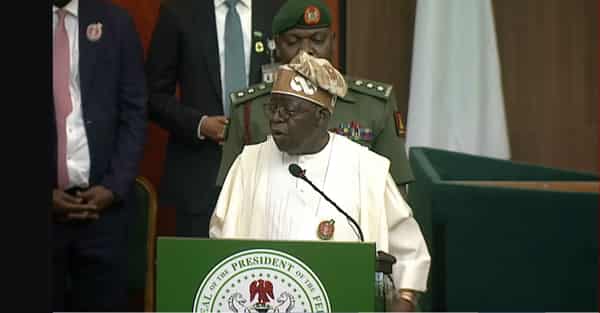
The ministry said Tinubu made the request during the presentation of the 2026 Appropriation Bill to a joint session of the National Assembly on December 19, 2025.

The President pushed for one cohesive budget framework, it said.

The Federal Government re-affirmed its commitment to prudent fiscal management, transparency and accountability.

It stated that recent reforms had improved public financial management through better budget assumptions, revenue administration, digitalisation of financial processes and treasury management.

The ministry said the reforms had been acknowledged by the IMF, other multilateral institutions, international credit rating agencies, media organisations and investors.

“Public debate in a democratic society is both welcome and essential. But it must be based on facts and an accurate understanding of Nigeria’s constitutional and fiscal framework,” the statement added.

“Misrepresenting technical observations as proof of unlawful expenditure does not help to inform public debate or to improve democratic accountability.”

Nigerian-British Grandmother Nabbed By NDLEA For Allegedly Smuggling 13kg Cocaine

0

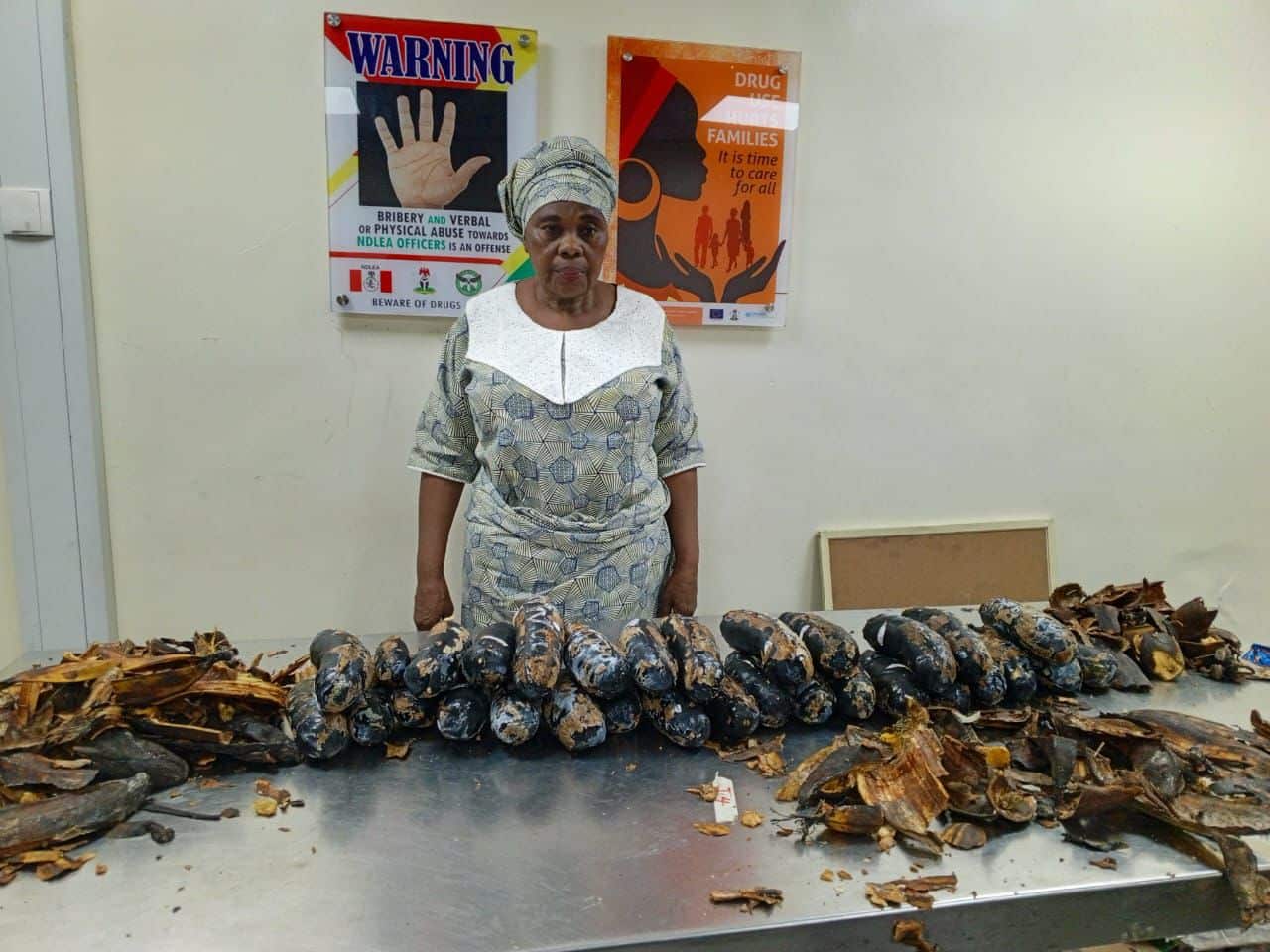
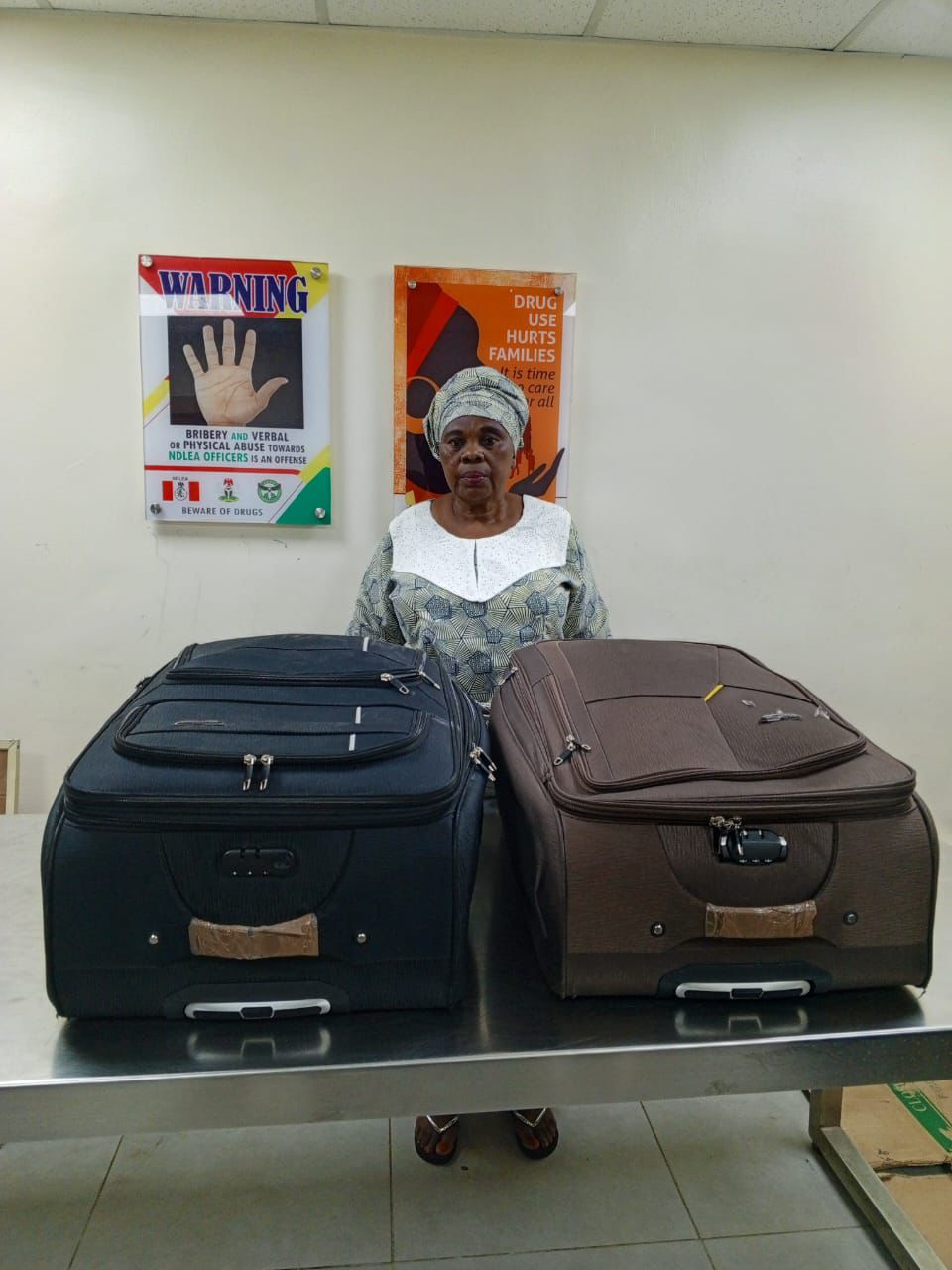
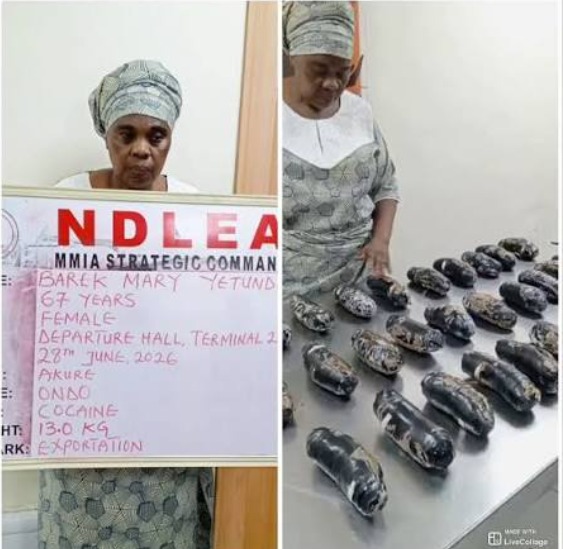
Mary Yetunde Barek, a 67-year-old Nigerian-british grandma, has been arrested by operatives of the National Drug Law Enforcement Agency (NDLEA) after 13 kilograms of suspected cocaine were found concealed in peels of plantain, which looked like real plantains and were packed along with other food items in her luggage at the Murtala Muhammed International Airport (MMIA), Ikeja, Lagos.

NDLEA’s spokesman, Femi Babafemi, in a statement issued Sunday in Abuja said the suspect, a caregiver in the United Kingdom, was arrested at the departure hall of Terminal 2 of the Lagos airport while attempting to board a Virgin Atlantic airline flight to London on Sunday, June 28, 2026.

Babafemi said a detailed search of the suspect’s bags led to the recovery of 31 big wraps of cocaine, packaged to look like plantain hands, weighing 13 kilogrammes in total.

The statement cited the elderly woman as confessing complete ownership of the recovered cocaine exhibits in her statement.

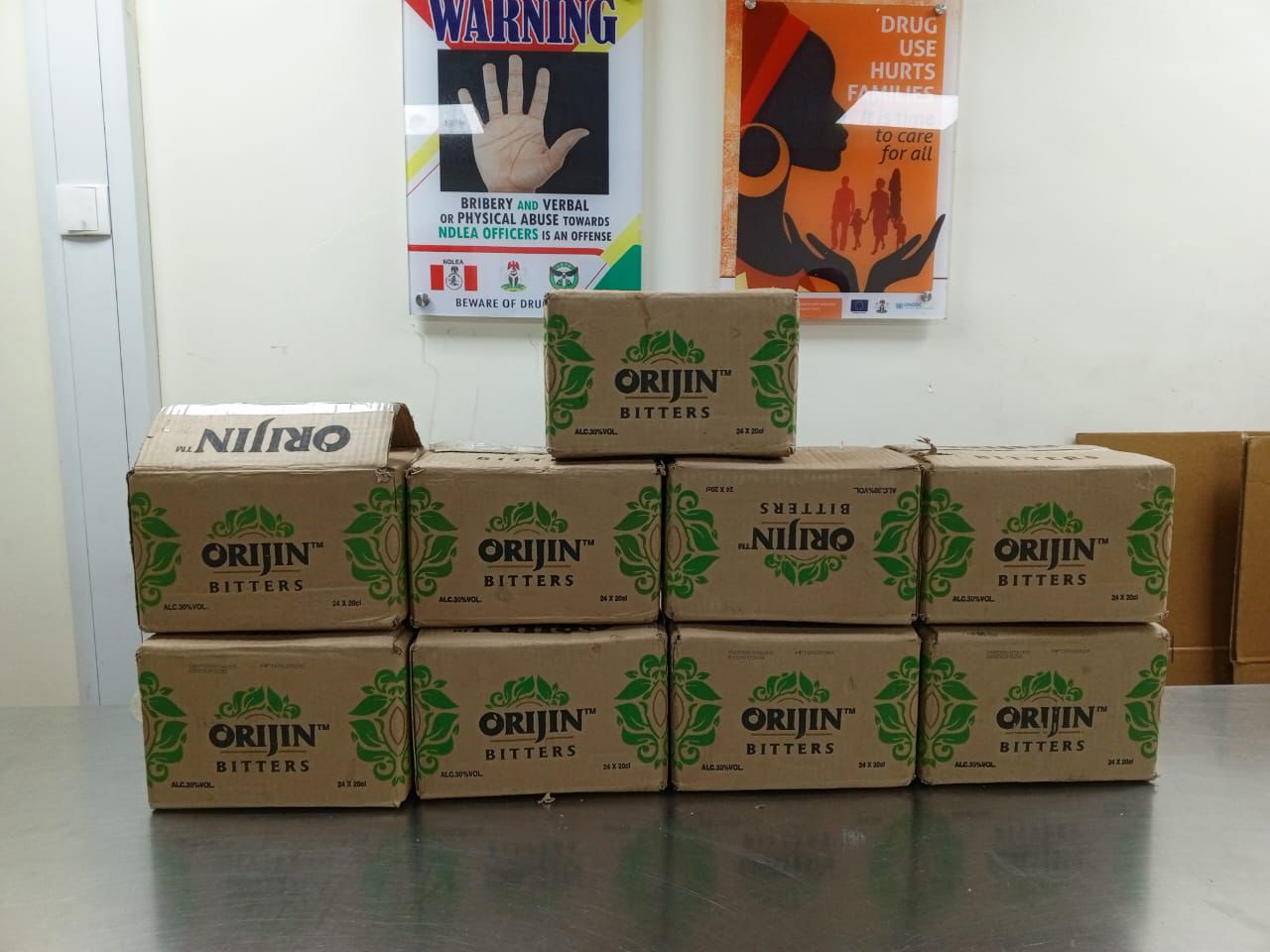
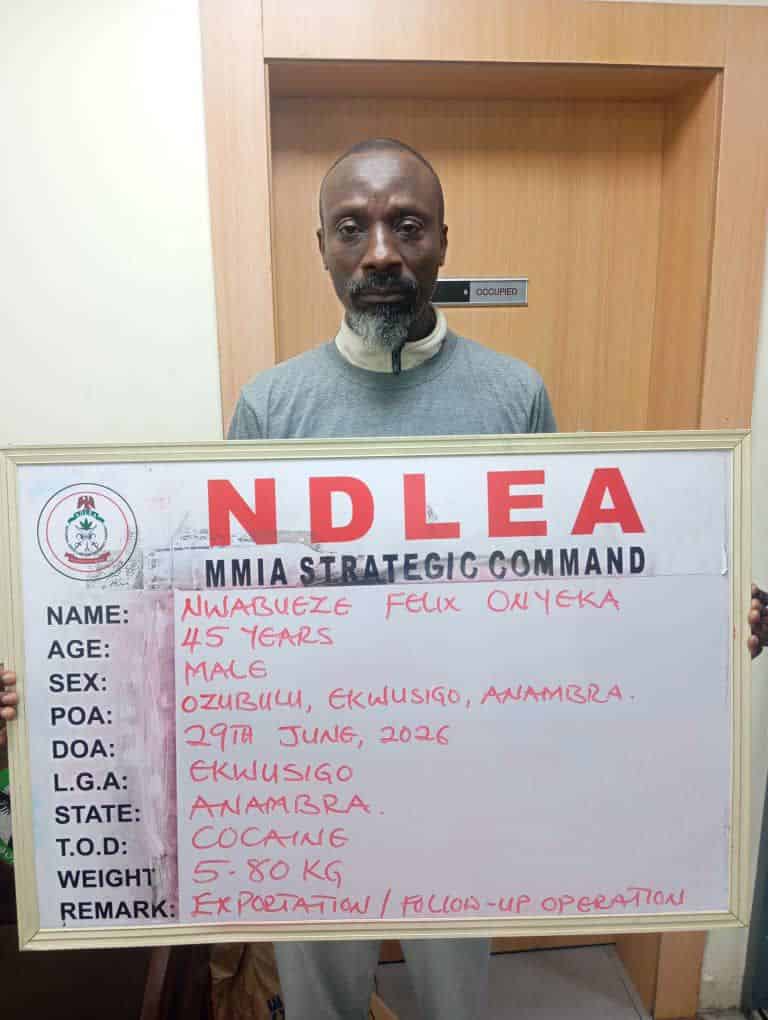
In another development, the NDLEA said a sting operation in Ekwusigo Local Government Area of Anambra State on Monday June 29 2026 has led to the arrest of a 45-year-old PhD student at the University of Putra, Malaysia, Nwabueze Felix Onyeka over the seizure of 5.80 kilograms of cocaine concealed in walls of nine cartons of Orijin bitters, a consignment that was part of a consolidated cargo heading to Kuala Lumpur, Malaysia.

The statement also said that the arrest of Nwabueze in Anambra state was sequel to the interception of 36 parcels of cocaine weighing 5.80 kilogrammes concealed in the walls of the herbal drink cartons.

The four suspects first arrested in certain parts of Lagos during investigations are: cargo agent, Alalade Taiwo Azeez; the driver that conveyed the consignment to the cargo agent, Ndem Ogbonna Kelechi; trader at ASPANDA market, Trade Fair Complex, Lagos, who handed over the consignment to the driver for delivery to the cargo agent, Okeke Tochukwu Chimezie and an accomplice who supplied the cartons of Origin bitters used in concealing the cocaine, Igwilo Chidi Henry. “The effort finally paid off as Nwabueze, who was hiding in his village Aziora, Ozubulu, Anambra state was unmasked as the leader of the syndicate.”

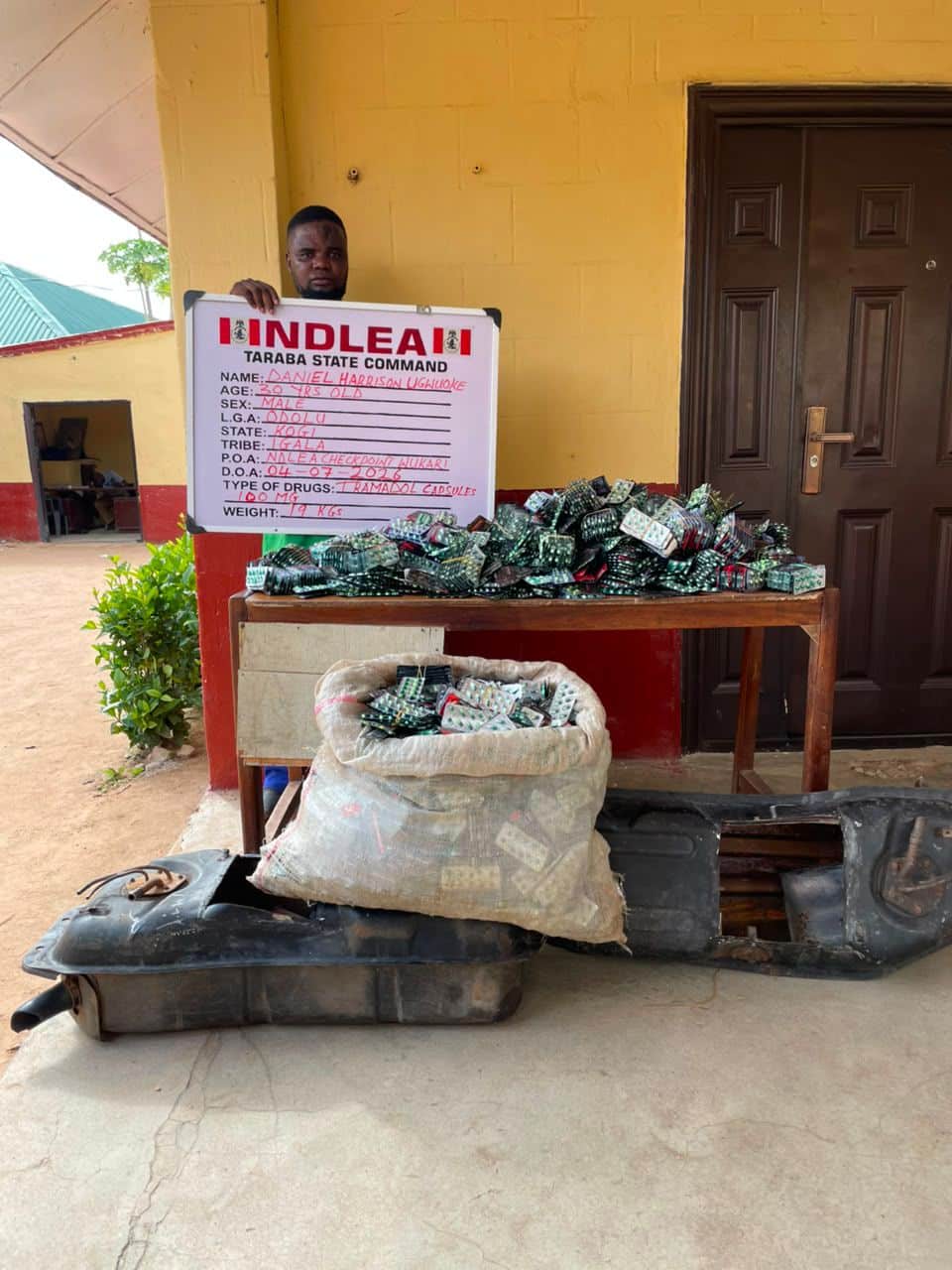
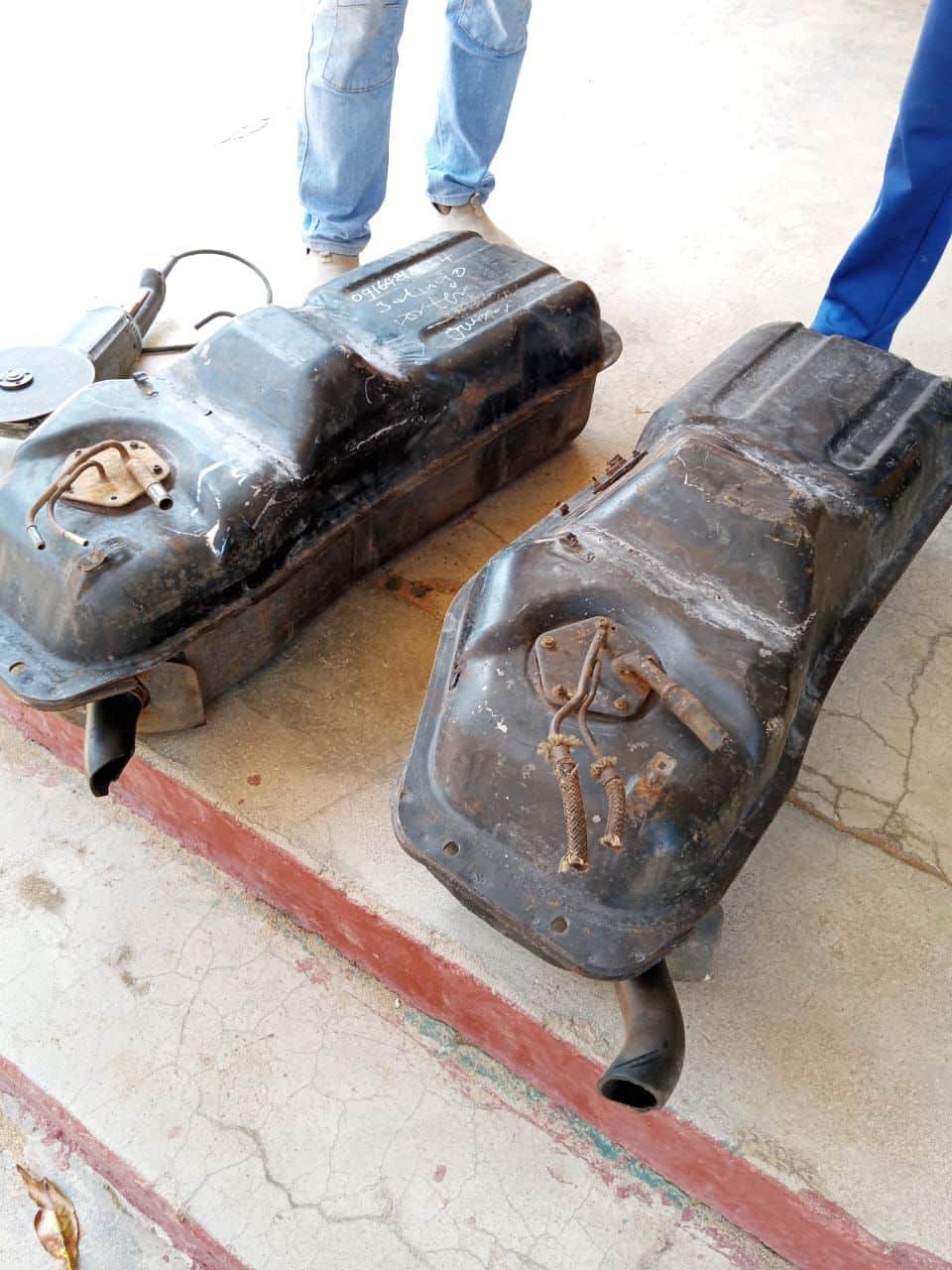
“Also on Saturday July 4, Babafemi and NDLEA operatives acting on credible intelligence arrested a suspect, Daniel Harrison Ugwuoke, 30, with 43,980 capsules of Tramadol concealed inside two vehicle fuel tanks along Zaki-biam road Wukari Local Government Area of the state while coming from Onitsha, Anambra state.

It said, “Two suspects: Boniface Agu, 65 and Monday Nwaeze, 50 were arrested with 1.7kilogram methamphetamine by NDLEA officers on Thursday, July 2 during a raid operation at Gwantu, Gwantu LGA Kaduna state. “Meanwhile, a 65-year-old suspect Francis Ifara Eja was arrested with 231.7kg skunk at Ikwo, Ebonyi state on Saturday, July 4. “Also, a 75-year-old grandpa Alhaji Babani was caught with 15kg skunk at Kurgwi, Qua’anpan LGA, Plateau state on Friday July 3.

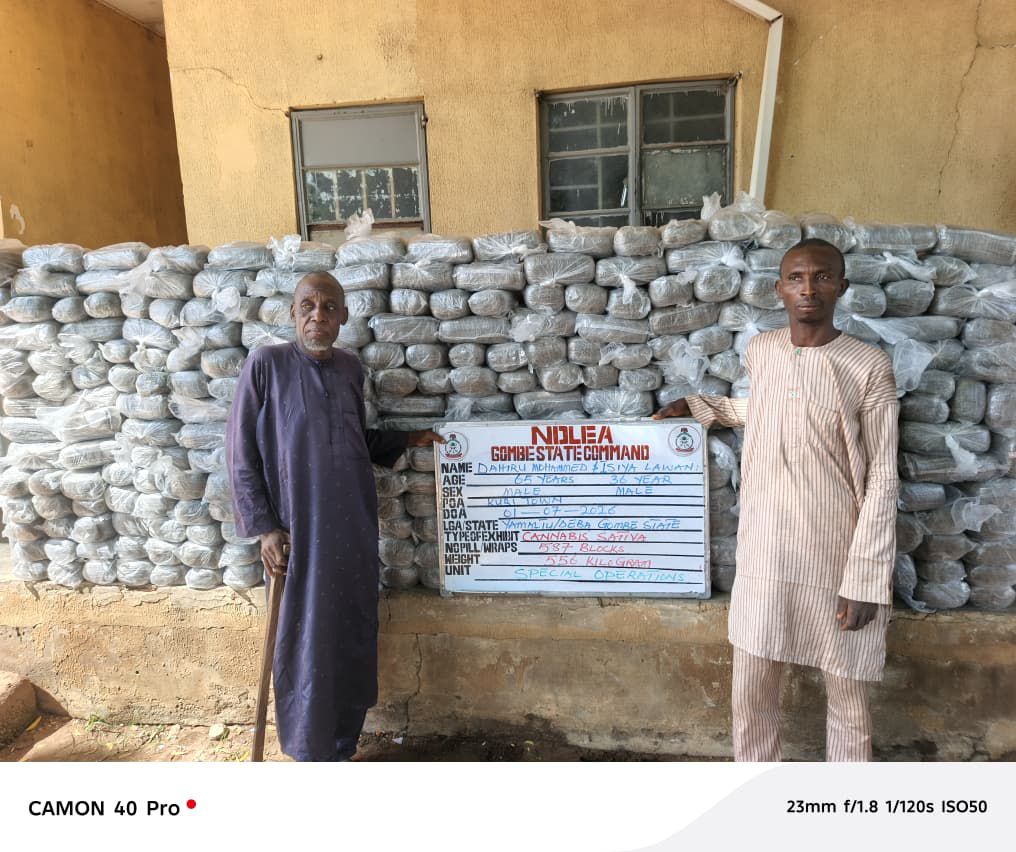
The duo of Dahiru Mohammed, 65, and Isiya Lawan, 36, were arrested by NDLEA operatives acting on credible intelligence on Wednesday July 1 at Kuri village, Yamaltu- Deba LGA in Gombe State with 587 blocks of cannabis sativa, weighing 556 kilograms, the statement said.

The Chairman/Chief Executive Officer of NDLEA, Brig. Gen. Mohamed Buba Marwa (Rtd) lauded the officers and men of MMIA, Taraba, Kaduna, Ebonyi, Plateau and Gombe Commands over the arrests and seizures, stating that their efforts at reducing drug supply were in line with WADA sensitisation activities, as he urged them and their compatriots across the country to keep raising the operational bar.

NDLEA Arrests Nigerian-British Grandma Smuggling 13kg Cocaine In Plantain Peels

NDLEA Arrests Nigerian-British Grandma Smuggling 13kg Cocaine In Plantain Peels

NDLEA Arrests Nigerian-British Grandma Smuggling 13kg Cocaine In Plantain Peels

NDLEA

NDLEA Arrests Nigerian-British Grandma Smuggling 13kg Cocaine In Plantain Peels

NDLEA Arrests Nigerian-British Grandma Smuggling 13kg Cocaine In Plantain Peels


NDLEA Arrests Nigerian-British Grandma Smuggling 13kg Cocaine In Plantain Peels

Tinubu Must Resign, Peter Obi Alleges APC Government Is Mired In Grand Corruption

0

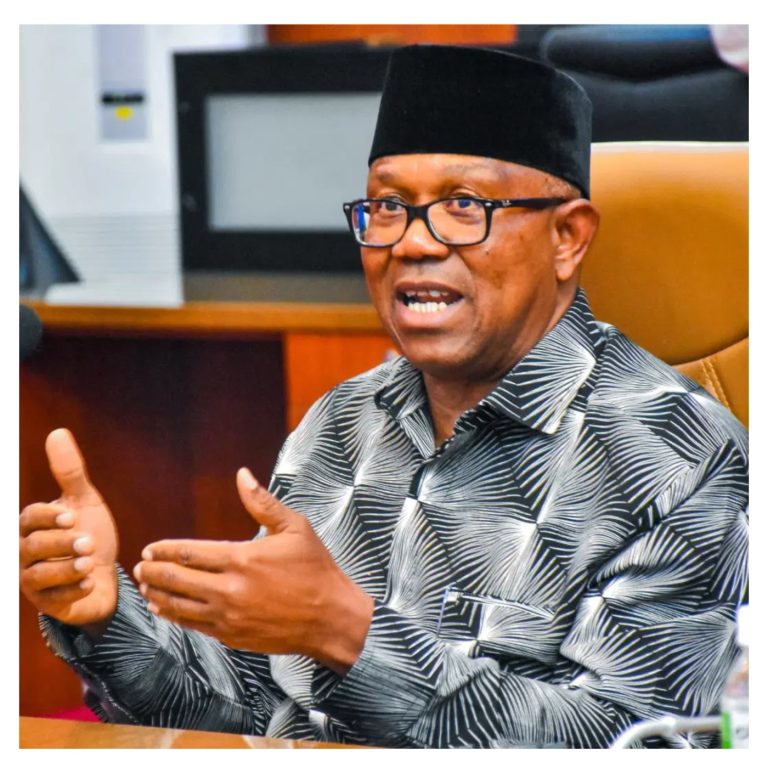
Peter Obi, the 2027 presidential candidate of the Nigeria Democratic Congress (NDC), has reiterated his position that President Bola Tinubu should resign over incompetence, lack of compassion and failure to deliver campaign promises.

Peter Obi, in a statement on his 𝕏 handle on Sunday, accused Tinubu’s government of presiding over grand corruption, citing an alleged ₦8.83 trillion in unbudgeted expenditure, as highlighted in a recent International Monetary Fund (IMF) consultation report.

He said the reported expenditure was not captured in the 2025 budget, adding that it was outside legislative oversight and administrative scrutiny.

He said the ₦8.83 trillion is about two per cent of Nigeria’s Gross Domestic Product (GDP), over 35 per cent of the country’s 2025 capital budget of ₦23.96 trillion and more than the combined allocations for education and health.

The ex-Governor of Anambra State argued that the development was not an isolated case but part of a larger pattern of corruption under the Tinubu administration.

Peter Obi said that with daily revelations of the pervasive corruption in the present administration and its total lack of care for the welfare and security of the Nigerian people, the only sane thing to do is for President Tinubu to resign from office.

“The latest report of the IMF consultation further heightens fear about the magnitude of grand corruption under the Tinubu government. The IMF now reveals that about N8.83 trillion expenditure undertaken in 2025 is not reflected in the budget. This is an unbudgeted expenditure and therefore not subject to legislative oversight or administrative scrutiny. This is terrible. The N8.83 trillion is composed of:

1.Approx. 2% of our GDP.

2. Over 35% of Nigeria’s N23.96 trillion 2025 capital project budget. In fact, it is greater than the actual released capital funding for 2025.

3. It is more than the combined budget for education (N3.52 trillion) and health (N2.38 trillion).

“If such an amount is properly used and accounted for, it can transform Nigeria’s public health and education sectors. It has the potential to create hundreds of cottage industries that can provide jobs to thousands of graduates and build a firm foundation for economic development. But we can’t know. It’s not a one-off.

“This is a pattern of grand corruption that has become part of this administration. We have enough to worry about the state of corruption under President Tinubu. Corruption which is rooted in total disregard of elementary rules of public finance management, constitutes a serious threat to national security and the stability of the Nigerian state. The capture of the Nigerian state and the looting of its resources undermine the foundations of state stability and increase poverty and state failure.

“This latest revelation is a testimony to the gross corruption, incompetence and insensitivity of the APC government. With the rising poverty and the pressing demand for massive upgrades of social and physical infrastructure, a responsible and responsive government would ensure that N8.83 trillion is judiciously deployed to bridge these gaps. But not the Tinubu government.

“A few days ago, I called on President Tinubu to resign from office for incompetence, lack of capacity, lack of compassion and failure to improve on his campaign promises. Some thought the call was perhaps excessive. But with the daily revelations of pervasive corruption in this administration and its total lack of commitment to the welfare and security of Nigerian citizens, the only sensible action is for President Tinubu to resign from office. The Tinubu regime’s collapse of elementary forms of due process and the growing evidence of rampant looting of Nigerian public finances further reinforce the case for greater accountability. “It is now time for Nigerian citizens to rise within the law and hold this administration to account.

Suspected IED Explosion Reportedly Kills Three Soldiers, Injures Several

0

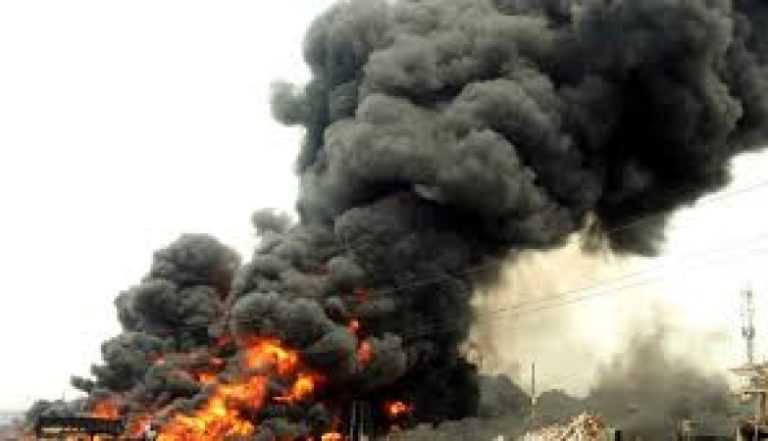
Three Nigerian soldiers were reportedly killed and several others injured after their patrol vehicle allegedly hit an Improvised Explosive Device, IED, near Babanna in Borgu Local Government Area.

Conflict and security journalist Bakatsine reported the incident in a post on X on Sunday.

The report said that on Saturday morning there was an explosion between Machiyan Gyada and Baturen Daji in the Dekara axis as the troops were returning from a security patrol.

Bakatsine said local sources told him that the suspected roadside bomb hit the patrol vehicle, resulting in the casualties.

Yesterday morning, three Nigerian soldiers were reported killed and several others injured after their patrol vehicle allegedly ran over an improvised explosive device (IED) near Babanna in Borgu LGA of Niger State.

“Local sources say the explosion was between Machiyan Gyada and Baturen Daji on the Dekara axis as the troops returned from a security patrol,” Bakatsine wrote.

At the time of filing this report, there was no official statement from the Nigerian Armed Forces or the Niger State Government confirming the incident.

It was learnt that the blast was coming weeks after three separate IED incidents were recorded in Sokoto State, raising fresh concerns over rising use of roadside bombs against security personnel in parts of northern Nigeria.

Atiku Calls For Investigation Into Alleged N8.8tn Off-Budget Expenditure

0

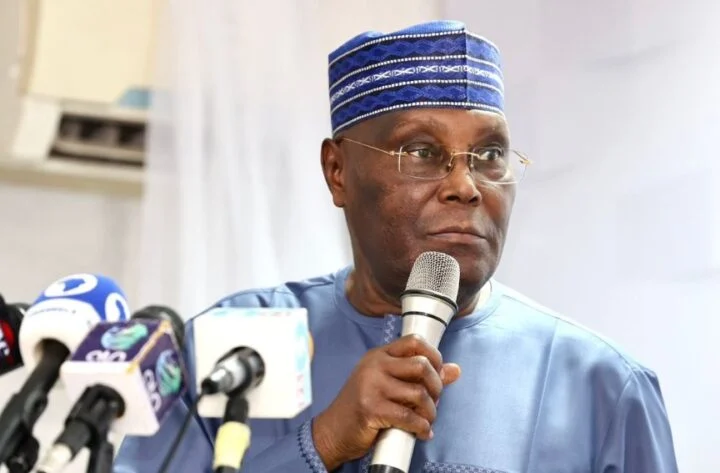
The African Democratic Congress (ADC) presidential candidate, Alhaji Atiku Abubakar, has accused the APC-led Tinubu administration of spending some N8.8trillion of public funds outside the budget, according to a new report by the International Monetary Fund.

Atiku, in a statement personally signed by him on Saturday, said the IMF report published July 1, 2026 by Reuters, showed that the federal government failed to record public expenditures amounting to about 2 percent of Nigeria’s Gross Domestic Product.

“This means that in view of the current valuation of Nigeria’s economy of around ₦441.5 trillion, this amounts to a staggering ₦8.8 trillion of public money that has been spent entirely outside of the statutory framework of Nigeria’s official budget documents, unaccounted for, unaudited and hidden from the Nigerian people,” Atiku said.

The former Vice President described the development as “the most consequential act of fiscal impunity in Nigeria’s recent democratic history” and called on the National Assembly, civil society, the media and other democratic institutions to give it priority.

Atiku quoted the IMF Resident Representative in Nigeria, Christian Ebeke, who attributed the difference to “large-scale government projects carried out entirely off-budget.”

He said, “The Tinubu administration is awarding contracts worth trillions of naira, moving huge public capital and commissioning infrastructure projects completely outside the purview of the Auditor-General, the country’s procurement laws and the legitimate oversight of the National Assembly.

It is a parallel fiscal universe, one that is ruled by executive whim, protected from the constitutional accountability that the Nigerian people are owed,” he said.

Atiku traced the alleged practice to the “Alpha Beta arrangement” in Lagos State when Tinubu was governor and said a similar “off-budget economy” is now being copied at the federal level.

“What the IMF now documented at the federal level, that same Lagos playbook, reproduced at the national level with national consequences,” he said.

The man who mastered the art of the off-budget economy in Lagos has brought that ‘Beta’ form to Abuja and 220 million Nigerians are paying the price.

Court Affirms David Mark, Aregbesola, Slams N14m Fine on Abejide – ADC, Atiku Hail
He also alleged that ₦800 billion was “illegally deducted from the statutory allocations of state governments” without the National Assembly or court order.

He said the funds, together with the ₦8.8 trillion, showed “the construction of a huge, multi-source political war chest in readiness for the 2027 general elections”.

“When a government is running a secret treasury of this size at a time when it needs to buy election results, the conclusion is not hard to draw,” he said.

The Tinubu government is not reforming the Nigerian economy. It is using the money of the Nigerian people to fund its own political survival.”

Atiku also referred to the recent controversy over the insertion of ₦1.3 billion in the 2026 federal budget for the “Presidential Foreign Intervention Promotion Council”, an agency which the government later claimed did not exist.

“It shows that the line between what exists and what is a phantom… no longer has any practical meaning.”

The opposition leader slammed the administration for putting Nigerians on austerity and running a “shadow treasury.”

He said that the removal of ₦8.8 trillion from the productive economy accounted partly for policies such as the removal of fuel subsidy, the devaluation of the naira and high interest rates.

“In the 2023 presidential election, I launched a comprehensive economic recovery programme based on a $10 billion stimulus package to Nigerians… Now the IMF has answered that question. ₦8.8 trillion… was there. It was not unattainable. “It was just going down the drain,” said Atiku.

Ejiofor Calls On FG To Strengthen Protection For Nigerians In South Africa

0

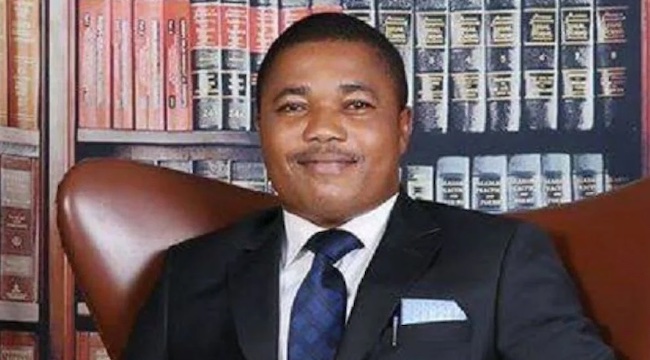
Human rights lawyer and lead counsel to the Indigenous People of Biafra, IPOB, Mr Ifeanyi Ejiofor, has urged the Nigerian Government to cease paying lip service to the safety of Nigerians living in South Africa and take concrete steps to guarantee their safety.

Ejiofor in a statement on Saturday said Nigeria should aggressively explore every legitimate diplomatic and legal options available to ensure Nigerians living in South Africa are not harmed.

This comes after xenophobic attacks on foreigners living in South Africa, which has seen several countries evacuate their citizens from the troubled country, while some lives have reportedly been lost.

He urged the federal government to demand credible investigations and prosecutions, insist on concrete guarantees for the safety of Nigerians living in South Africa and cooperate with regional and continental institutions to ensure that xenophobic violence becomes an accepted feature of African coexistence.

In his statement upon his release he said, “The life of every Nigerian is invaluable. Our citizens’ blood must never be cheaper than diplomatic courtesies.

“A sovereign state owes its citizens more than sympathy, it owes them protection and justice,” he said.

He noted that the recent diplomatic spat between Ghana and South Africa over the reported killing of Ghanaian national, Bashiru Isak, allegedly shot dead in Khayelitsha, Cape Town on June 30, 2026, provides a profound lesson in what responsive statecraft should look like.

Ejiofor said the Government of Ghana did not make routine expressions of concern but condemned the killing in no uncertain terms as part of the disturbing resurgence of xenophobic violence against African migrants in South Africa.

He said the Ghanaian Government called for an immediate, transparent and thorough investigation, the arrest and prosecution of the perpetrators and better protection for Ghanaian nationals living in South Africa.

N37bn National Assembly Renovation Fails To Resolve System Defects

0

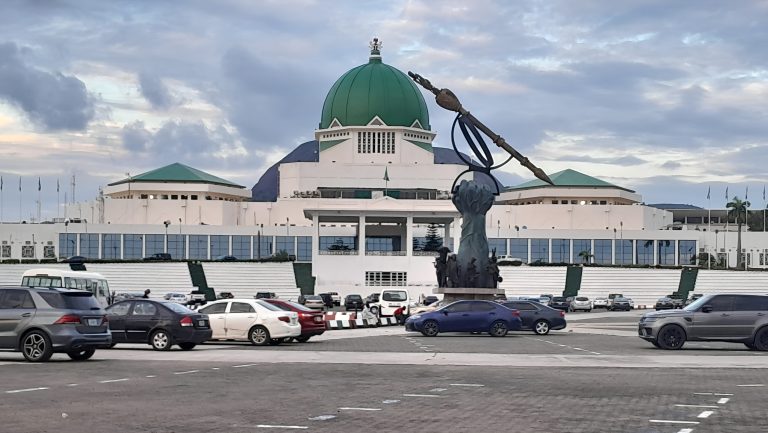
More than two years after lawmakers returned to chambers renovated at a reported cost of N37 billion, the National Assembly is still grappling with malfunctioning electronic voting equipment and faulty microphones, raising fresh questions about the value of the refurbishment.

Between April 2022 and April 2024, the Senate and House of Representatives chambers were vacated due to renovation works at the National Assembly complex.

Former President Muhammadu Buhari first approved the project in 2019 and it was criticised for its cost before being completed in phases.

Despite extensive rehabilitation, lawmakers have reported recurrent technical problems affecting the plenary sessions.

The main problem has been the malfunction of the electronic voting system, which has forced both chambers to resort to manual voting when considering major constitutional amendments.

On June 11, Speaker of the House of Representatives, Tajudeen Abbas told members of parliament that the electronic voting system could not be used in deliberations on the state police bill.

“The electronic voting system is not working at the moment so we are going to do a head count,” Abbas said before members voted manually.
The Senate also ditched electronic voting on June 24 when its voting machine reportedly malfunctioned while considering the same constitutional amendment.

Meanwhile the problems with faulty microphones have continued to plague proceedings beyond the voting system.

Before the debate on the state police proposal could continue, Deputy Speaker Benjamin Kalu was seen making several attempts to fix a broken microphone when the debate began.

A number of legislators have also had to change seats and use working microphones at other members’ desks during debates.

Journalists reporting from the public gallery on the plenary have also complained about the poor quality of the sound, saying that debates are often hard to follow because speakers are inaudible.

In 2024, lawmakers returned, and worries about the renovated chambers emerged.

In that year, Senator Ali Ndume had during plenary criticised the facilities, saying the Senate chamber looked more like a conference room than a modern legislative chamber.

“There is no voting machine here. “If we are to vote electronically, the facilities are not there but we had that before,” Ndume said at the time.

Reacting, Senate President Godswill Akpabio said the contract for the renovation was awarded in the last National Assembly under the leadership of former Senate President Ahmad Lawan.

The breakdown of the electronic voting system has also revived discussions on the parliamentary voting procedures, particularly on constitutional amendments that require support from at least two-thirds of lawmakers.

Iya Alakara: Nigerians React to Tinubu’s Media Posts AI Picture of First Lady selling Akara

0

The President Bola Ahmed Tinubu Media Centre has posted an AI-generated image of Nigeria’s First Lady, Senator Oluremi Tinubu, frying and selling akara, only days after her statements about small businesses sparked considerable outrage on social media.

The photograph, shared on the Presidency’s official social media pages on Friday, depicted the First Lady at a roadside akara stand, wearing an apron with the statement, “Iya Alakara, fueling the nation with love.”

The tweet was believed to follow remarks made by the First Lady during an interview, in which she stated that micro-enterprises such as frying akara, roasting corn, and producing kuli kuli required minimal capital to begin.

Oluremi Tinubu stated that the Federal Government was assisting such projects with grants rather than loans as part of its efforts to improve livelihoods and promote small businesses.

“We’re trying to give optimism, and starting an akara business does not cost a lot of money. To begin roasting maize, or as one person put it, kuli kuli, does not require much. “We didn’t give them a loan; we gave them a grant,” she explained.

Her remarks, however, elicited conflicting reactions from Nigerians, particularly on social media.

While some critics accused the First Lady of being insensitive to the terrible economic realities that many citizens face, others praised her, claiming that she was only directing attention to small companies that anybody could start with modest funding.

The President’s choice to release the AI-generated image has fueled the dispute.

Supporters of the tweet described it as a lighthearted response to criticism, as well as an attempt to reinforce the First Lady’s message of entrepreneurship and self-reliance.

Others, however, criticized the image, claiming that it trivialized the economic suffering that many Nigerians are experiencing, particularly at a time when growing living costs have made survival difficult for households and small business owners.

The debate comes amid ongoing public discussions about poverty, unemployment, food inflation, and the impact of government economic changes on ordinary Nigerians.

Many critics questioned whether government officials properly comprehended the magnitude of residents’ hardships, rather than whether small enterprises could support families.

The following are some reactions to the AI image of the First Lady selling Akara.

Osun Governorship Poll: IGP Expresses Concern Over Spate Of Killings

0

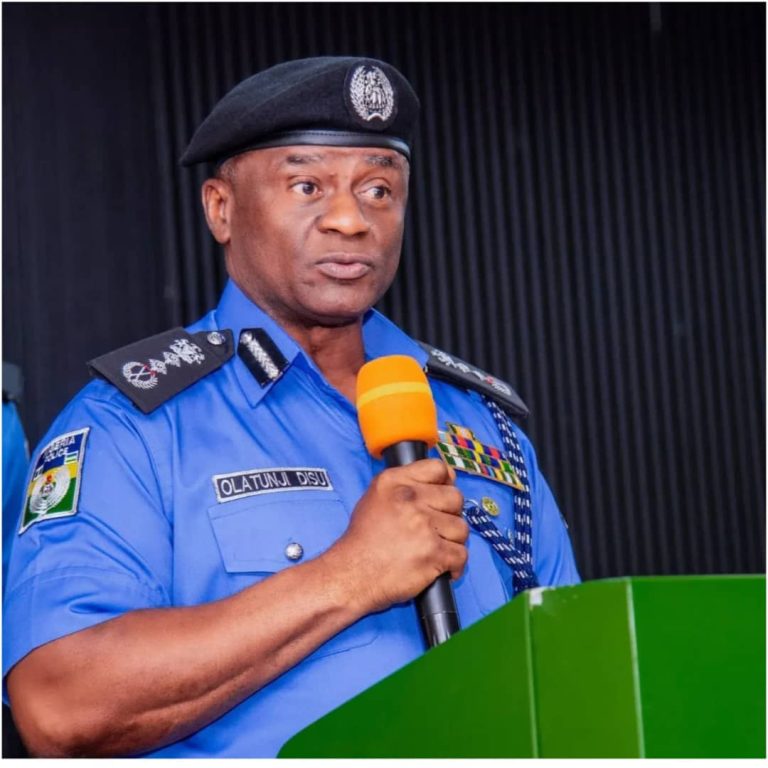
Osun State: No fewer than 20 people have allegedly been killed in the past few months, the Inspector General of Police, Tunji Disu, disclosed on Friday during a visit to Osun State, as fears of possible violence loom large ahead of the governorship election in the state.

Speaking at a meeting at the Osun State Police Command headquarters in Osogbo, Disu cautioned political actors against turning the electoral process into a violent confrontation.

The police chief told residents and political stakeholders that adequate security arrangements would be put in place to guarantee a peaceful election.

He said he had discussions with Governor Ademola Adeleke during the visit and was briefed in details by the Osun State Commissioner of Police, Ibrahim Gotan.

“According to my records, over the course of a number of months, more than 20 people have been killed. “We are preparing for an election, not a war,” Disu said.

He said security agencies received several allegations and complaints involving members of different political parties in the state.

The IGP also disclosed that the commissioner of police had informed him that some suspects were being protected in the Government House, a development he described as disturbing.

“I raised the issue at my meeting with the governor and he said in clear terms that even if it is his own child that is involved in criminal activities such a person must be arrested,” Disu said, adding that senior police officers, including the Assistant Inspector-General of Police in charge of the zone, were present at the meeting.

“Full weight of the law will be meted on anybody who engages in acts of violence or killings, criminal activities will not be tolerated,” the police boss warned.

“You can’t kill somebody else and think you’re going to walk around free. “That is why I came down from Abuja in person to address this matter,” he said.

Disu again emphasized that the police would ensure a secure environment for political campaigns and the election, and highlighted the importance of maintaining peaceful democratic activities.

We will make sure all parties can campaign freely and safely. But to those who are plotting violence, know that it will not be business as usual. He added: “Human life is sacred and no one has the right to take it.

Meanwhile in a video of the IGP and Governor Adeleke meeting, the governor maintained his administration was still committed to peace and stability in the state.

ADELEKE reportedly also said that he had no problem arresting any body found to be involved in criminal activities.

The development is coming on the heels of the rising political tension in the state following the calls by the Imole Campaign Council, which coordinates Adeleke’s re-election campaign, for the redeployment of the Commissioner of Police, Ibrahim Gotan, over allegations of bias and partisanship.