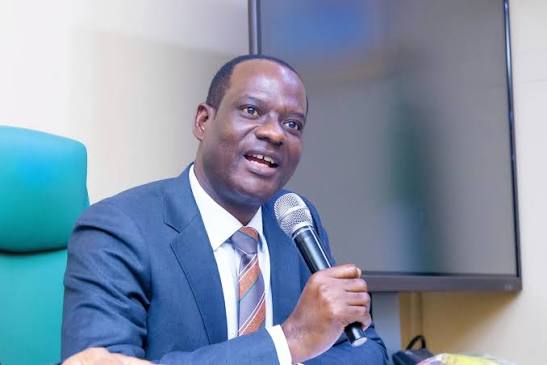
The Minister of Finance and Coordinating Minister of the Economy, Taiwo Oyedele, has dismissed suggestions that the 30-day petrol discount at Nigerian National Petroleum Company Limited (NNPC) Retail stations amounts to a restoration of fuel subsidy.
Oyedele said the temporary price reduction was being financed exclusively through NNPC Retail’s profit margin, without any contribution from public funds.
The clarification followed his earlier announcement that motorists and other petrol consumers would purchase fuel at reduced prices at NNPC filling stations during the 30-day period.
In a statement issued on Friday, the minister said the programme was designed to ease the financial pressure on households, commuters and transporters while maintaining the market-based pricing system.
He explained that the difference between a commercial discount and a fuel subsidy lies in who bears the cost.
According to him, a retailer can voluntarily reduce its profit margin to attract customers or provide temporary relief. A subsidy, however, occurs when the government pays part of the cost of a product using public revenue.
Oyedele stated that NNPC Retail obtains petrol from Dangote Refinery and other suppliers at prevailing market prices before adding its margin to determine the final pump price.
He said the current discount was absorbed by the company itself and did not involve the government paying the difference between the market price and the discounted price.
Read Also: I Lost 2023 Election, It Broke My Heart – Banky W Opens Up On Painful Experience
The minister also warned against confusing the initiative with arrangements involving the sale of Federation-owned crude oil below market value, which could create a financial loss borne by public revenue.
He defended NNPC Retail’s decision to reduce its margin, noting that the company had operated as a petroleum marketing and retail business for more than two decades.
According to him, the company’s mandate includes ensuring the availability, distribution and affordability of refined petroleum products across Nigeria.
Oyedele also addressed concerns that reducing earnings per litre could affect NNPC Limited’s profits and dividends payable to the Federation.
He argued that lower prices could attract more customers, increase sales volumes and strengthen customer loyalty, potentially offsetting the reduced margin.
The minister said the approach could benefit both consumers and the government if higher sales translate into improved overall profitability.
He maintained that the 30-day initiative was a commercial decision and should not be interpreted as a return to the fuel subsidy regime discontinued in 2023.