Home Blog Page 989

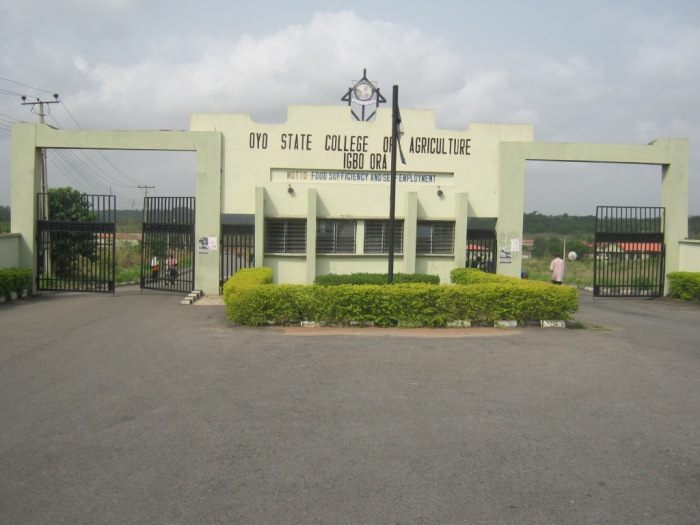
Oyo college assures students of NYSC mobilisation

0

The management of Oyo State College of Agriculture and Technology, Igboora, has reassured students from the Faculty of Management that they will soon be mobilised for the mandatory National Youth Service Corps scheme.

This development comes in response to earlier concerns raised about the non-accreditation of certain courses at the institution, which had left some graduating students uncertain about their NYSC mobilisation.

In a report published by Punch Newspapers on July 12, 2024, affected students who had graduated from the Faculty of Management had expressed their worries about the college’s failure to acquire accreditation for their programs, ultimately preventing their NYSC mobilisation.

In a press release, OYSCATECH’s Rector, Prof. Akinola Akinlabi, explained that the delay in the accreditation of some programs was due to the COVID-19 lockdown. The Rector explained that the lockdown prevented the previous college management from inviting the NBTE, the supervisory body for polytechnics in Nigeria, to visit the institution and conduct the necessary accreditation exercise at that time.

“The Rector, Prof. Akinola Akinlabi explained that the delay in the accreditation of some of the programmes was a result of COVID-19, which prevented the past Management from inviting the supervising body over polytechnics in Nigeria from visiting the institution for the accreditation exercise then,” the statement read

However, the college’s Public Relations Officer, Mrs Opeyemi Olawore, stated that the new management under Akinlabi’s leadership had since secured the NBTE’s accreditation for the Higher National Diploma programs in the Faculty of Management. Efforts are now underway to resolve the shortcomings resulting from the delayed accreditation.

Akinlabi further revealed that students of OYSCATECH had been receiving prompt and regular mobilisation for the NYSC scheme since 2014. He appealed to the affected students to exercise patience, as the management’s efforts in this direction would soon yield positive results.

He promised to update stakeholders as soon as the management’s efforts yielded positive results, assuring the affected students that their mobilisation for the NYSC scheme was imminent.

LASG adds 5,000 vehicles to LagRide fleet

0

Five thousand new vehicles have been added to the fleet of the Lagos State e-hailing taxi initiative, popularly called LagRide.

Governor Babajide Sanwo-Olu made this known in a Monday statement, noting that he supervised the signing of a Joint Venture partnership between IBILE Holdings Limited and CIG Motors Company Limited for the acquisition of 5,000 brand-new vehicles adding to the LAGRide fleet.

The governor said in the coming weeks, “we are expected to take delivery of 2,000 units of the new vehicles in the first phase while the rest will be delivered in tranches. Our new fleet will have 1,000 electric vehicles, demonstrating a commitment to reducing our dependence on fossil fuels and pruning the carbon footprint.”

The first LagRide initiative was launched in 2022 with 1,000 brand-new cars and mini SUVs, giving commuters better transportation options and riding convenience.

“The vehicles will be tailor-made for our terrain to operate on low carbon emissions, improved technological interaction, and energy transition.

“This partnership is not only about e-hailing taxi services, it will also kick off carpooling services, chauffeur services, and tech-driven logistics services,” Sanwo-Olu wrote on X.

He said his government was interested in seeing Lagos live up to its potential as a city operating an international standard, environmentally sustainable, and smart mobility system deserving of its status.

All rights reserved. This material, and other digital content on this website, may not be reproduced, published, broadcast, rewritten or redistributed in whole or in part without prior express written permission from According.

Contact: [email protected]

Customs, global body partner to boost trade facilitation

0

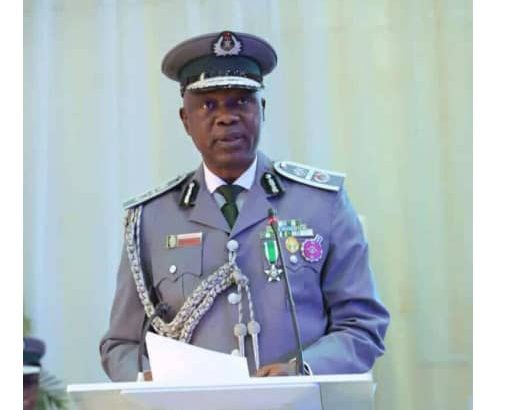
In a bid to boost trade facilitation, the Nigeria Customs Service has partnered the World Customs Organisation and the Nigerian Energy Support Group to sensitise officers and stakeholders on advanced ruling systems in the sector. Speaking during the sensitisation in Lagos on Monday, the Comptroller-General of Customs, Adewale Adeniyi, said the advanced ruling system is

Read More

Sepsis survivor recounts miraculous recovery, raises awareness in new book

0

For seven weeks, UK-based Nigerian entrepreneur, Joyce Oluwole’s life hung in the balance and the only indication that she was alive were the intermittent beeps from various machines attached to her lifeless body.

After doctors’ battle to revive her from the coma paid off, for another nine months, she was placed under intense monitoring by specialists in the hospital.

And when on Wednesday evening, Oluwole recounted her ordeal to about 50 people at the Moremi Hall, Sheraton Hotel, Ikeja, Lagos State, her survival story left mouth agape.

For many at the event, nothing better captures her survival experience than the ‘miraculous’ as it conveys a sense of wonder.

The entrepreneur, who is now a motivational speaker and sepsis awareness advocate, also documented her compelling experience in a book titled ‘My Miraculous Survival After Sepsis’, which was launched on Wednesday.

Sepsis, according to the World Health Organisation, is a life-threatening condition that occurs when the body’s immune system has an extreme response to an infection, leading to organ dysfunction.

Sepsis is caused by bacterial infections resulting from other viruses, parasites and fungal infections

The WHO noted that although sepsis could affect anyone, the elderly, young children, pregnant women and persons with underlying health problems were at risk of the disease.

Sharing her story, Oluwole said, “As I was feeling out of sorts, on the 1st of April, 2015, April Fool’s Day, I had to go to hospital. I went to the surgery department but ended up at the Accident and Emergency. They did not discover anything for seven weeks and I was in a coma. Three weeks into my coma, they discovered that I had sepsis of unknown cause.

“It was not until a year after, because I continued doing blood tests every day, even after they discharged me, they discovered that I had meningococcal bacteria. That is the bacteria responsible for meningitis. I always thought it was only children who had meningitis, but adults can have it too.

“During the coma, I had multiple organ failure. I had a septic shock. I had a stroke. And so I was taken to intensive care. I was there for four months. I don’t know what happened during the four months. I didn’t realise what happened until the fifth month when I was put in a private ward. I was not bothered about the legs at all because I knew that they kept me alive.”

She recounted that when the pain became intense, she thought she was going to die.

 The sepsis survivor further noted that a few months after the amputation of her legs, she noticed gangrene on her fingers and requested that they be amputated as well.

 Oluwole said after three months, her seven fingers were amputated.

 She recounted, “So the day before, I had planned in my mind that, well, this is it. I’m going back to my father, my maker but he had other plans for me. The operation was successful, and I woke up. And I said, oh, my God, I’m alive. What would you like me to do? And I prayed in my house, whatever it is you want me to do, give me the enablement to do it. Help me never to fall into depression as a result of my disabilities. I started writing my book from the hospital. They brought me a recorder. I would record things. I couldn’t use my fingers. I recorded 5,000 words.

“But as I got stronger because, by 2019, I was up, I was doing all sorts of things. And then I felt it in my spirit that since he’s kept me alive, he wants me to be a testimony to what he has done for me. So that anybody, not necessarily sepsis, anybody in whatever situation they are, God can come through for them,”

A volunteer with the UK Sepsis Trust in England, Oluwole is now an advocate for the awareness of sepsis in Nigeria and England.

She asserted that illnesses that have refused to go after medical treatment should be investigated for sepsis.

The entrepreneur added, “What we’re trying to do now is hopefully, if anybody has sepsis, the government will step in. In England, research is going on, and they are helping people with sepsis. But they are trying.

 “We need to get the hospitals here to have those placards saying, ‘Could it be sepsis?’ That is the only way people find out about it in England when they go to see a doctor.

 “Like me, they told me that I had it three times. Fortunately for me, I was still in hospital in those nine months. I’ve read about people who’ve had it 20 times. No, they didn’t lose any limbs but they have become shadows of themselves. The worst one is if you have it internally and it’s affecting the five organs. That is terrible.

“I had all of it but God had a purpose. I had multiple organ failure. Several times they told my husband to go and prepare the family thinking that I might not make it. But here I am, that is why I’m now shouting it from the rooftops that everybody has to know.

“I’ll tell you, in the whole of the UK, there are 250,000 people, including me, I’m one of them, who had sepsis. But 52,000 die every year from not knowing about it, or it had gone advanced. Within 45 minutes, the patient must be treated. Otherwise, the risk of death is very close.”

Explaining what sepsis is, an Obstetrician and Gynaecologist, Professor Emmanuel Otolorin, explained that it begins as a mild infection that progresses and affects other organs of the body.

He further noted that infectious diseases are common in Nigeria and Africa, with most health challenges being communicable diseases.

The don said, “Sepsis is just a very bad infection. It starts as a mild infection and then it becomes a moderate infection. It starts from a local part of the body; it could be the lungs, skin, kidney or any organ.

“It starts as a local infection and then when we ignore it (the symptoms), or don’t recognise it, it begins to spill the organism that is causing it, which is usually bacteria, but it could be fungi or virus

“Now when those viruses dominate that local area and they get into the blood, then we have what we call septicaemia, which means there are infective organisms inside the blood.

“The purpose of blood is to carry oxygen all over the body. So in doing this work, it carries all the infectious agents, the bacteria, all over the body. And when it’s not treated, or if it is being caused by an organism resistant to antibiotics, it then attacks multiple organs.”

Otolorin, who is Oluwole’s cousin, further explained that when the disease-causing organism affects several organs in the body, it leads to multiple organ failure and if it affects the brain, it could result in a coma.

The maternal health expert emphasised that patients who reach the stage of coma require specialist attention in well-resourced facilities.

The retired don also decried the lack of emergency preparedness and insufficient optimal facilities in many hospitals across the country.

He emphasised that hospitals managing sepsis patients must have functional microbiology, radiology, chemical pathology and renal support to ensure that the necessary tests and procedures are carried out promptly and effectively.

The expert noted that sepsis is not uncommon and affects all age groups, including children.

Otolorin said the risk of sepsis in children is reduced through the administration of vaccines to prevent certain infectious diseases.

The don added, “There are some infectious conditions that can be prevented through vaccinations. So we have vaccine-preventable diseases. We’re always shouting that children should be taken for vaccinations because when you are born, you don’t have that immunity to take care of infections.”

He expressed gratitude to the medical team and God for making Oluwole survive the sepsis.

“You were in a coma for seven weeks and to come out is a wonderful experience. Well, let me first thank your husband, who was courageous to sign the consent for the amputation of your legs because I believe he did.

“Because some people will say, ah, I reject it in Jesus’ name. And you don’t decide in time. But that decision was taken, surgery was done and it saved her life.

But when gangrene starts from the most distal part, it keeps ascending and you need to stop it sometime. They stopped it before it got to the hip and that’s a courageous thing,” Otolorin said.

Also speaking at the book launch, the Chief Executive Officer and Founder of Coleson Brokers Nigeria Limited, Michael Olawale-Cole, praised the writer for allowing her condition to inspire her to be a good person, a mentor and a leader.

He stated that since sepsis could happen to anybody, the book was important for everyone.

Another sepsis survivor at the event, Taiwo Taiwo, recalled being in a coma for some weeks but did not have any of her limbs amputated.

According to her, she also had multiple organ failures but it was eventually reversed with medications.
NIMC faces criticism over alleged dollar billing on NIN updates

0

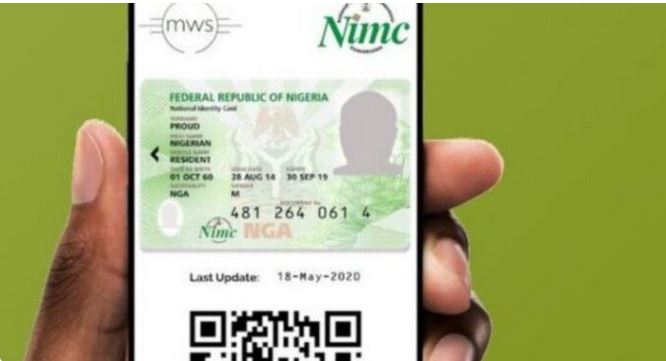
The National Identity Management Commission faced public backlash on Monday after a social media user accused the agency of charging fees in dollars for National Identification Number data modifications on its portal.

The user, known as “Akwa Ibom First Son”, posted a screenshot sighted The According purportedly from the NIMC website, showing fees of $20.78 for changes to birth dates, addresses, names, and phone numbers.

“Dear NIMC, can you explain to Nigerians why your website charges Nigerians in dollars?” he wrote on X (formerly Twitter)

In response, NIMC explained that the portal does not charge in dollars and attributed the issue to the use of Virtual Private Networks.

“The use of VPNs can cause the website to detect a different location and currency,” the commission said.

To resolve the issue, NIMC advised users to turn off their VPNs and try again. If the problem persists, users could reach out to the support team for further assistance.

Meanwhile, the NIMC Self-Service Modifications portal enables citizens and legal residents aged 16 and older to request changes to their name, phone number, date of birth, and address.

Some data fields are non-updatable. The approved fee for a change of date of birth request is N15,000, according to information gathered from its website.

Public reaction to the NIMC’s explanation was largely negative.

Another X user, Yasir Jubril, stated, “There is clearly foul play here! Regardless of the location, services should be charged in naira. And why is a change of name or address that expensive?”

Other X users echoed the same sentiment, questioning the technical design of the payment system.

“Naira cards can be used from anywhere. All their charges should be in local currency, irrespective of location,” John Wick said.

Isa Kabir shared his experience, stating that while initially the portal displayed fees in naira, it later showed fees in dollars.

“I had to send several emails before it was rectified. Instead of working on the site, they are here giving excuses,” he remarked.

Earlier this month, NIMC Director General Abisoye Coker-Odusote reiterated the commission’s commitment to transparency.

“My administration has zero tolerance for corruption.

“I hereby reiterate my commitment to sanitising NIMC in conformity with the mandate of Mr President. Enrollment for the National Identification Number is free of charge in Nigeria,” she said.

FG, private sector plan $50m funding to combat TB

0

As part of efforts to scale up Tuberculosis case finding and placing patients on treatment, the Federal Government has struck a $50m (N78.3bn) joint contribution deal with the private sector to address the huge funding gap in TB services in Nigeria.

For Nigeria to achieve the goal of eliminating TB by 2030, the Federal Government said it was crucial to collaborate with the private sector to provide direct funding to the national TB programme and also deliver financial and non-financial incentives.

The private sector is also expected to bring its expertise and advocate political commitment and investment in TB treatment and control.

Tuberculosis popularly known as TB is an infectious disease that usually affects the lungs. Symptoms include coughing, phlegm, and more.

Nigeria ranks top in TB burden in Africa and number six in the world.

Despite Nigeria accounting for the high burden of the disease, the country still has a 70 per cent funding gap in TB with only six per cent of the National TB budget coming from domestic sources.

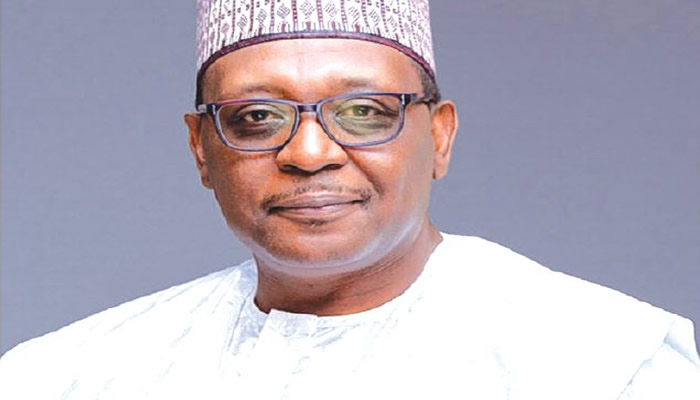
The Coordinating Minister of Health and Social Welfare, Prof Ali Pate disclosed this during the launch of the Private Sector Strategy to End Tuberculosis in Nigeria, held in Lagos recently.

It was organised by the Stop TB Nigeria Partnership.

Pate said the Federal Government would contribute $25 million (N39.1bn) to match the $25 million financial commitment made by the private sector towards the goal.

The minister said, “Nigeria faces a huge funding gap of USD 273 million for TB control efforts, which is 70 per cent of the total TB budget of USD 388 million for 2023. Domestic contributions make up 15 per cent (USD 6 million), while contributions from external donors account for 23 per cent (USD 92 million).

“We must work together and explore all avenues to bridge the substantial gaps in resources, innovations, and interventions required to effectively control and eradicate TB in Nigeria.

“In this regard, private sector organisations have crucial roles, especially by leveraging their resources, technology, and influence to amplify the efforts of the government and other partners in TB prevention, diagnosis, treatment, and palliative care.”

Pate stated that the joint contribution deal by the Federal Government with the private sector is aimed at ending tuberculosis by 2030.

He explained, “What we’ve offered to the private sector and captains of industry, to the millionaires and billionaires that are Nigerians, is that if they step up to $25 million, we would work to match them with $25 million between what the Federal Government and development partners would put in, in terms of domestic resources and also mobilising other philanthropic sources to invest.

“The Federal Government has struck this deal with the private sector towards ending tuberculosis by 2030.  Together, we can ensure that our resources are used efficiently, effectively, and transparently, with a plan to monitor our progress over time.”

The Sustainable Development Goal 3.3, targets for 2030 are a 90 per cent reduction in the number of TB deaths and an 80 per cent reduction in new TB cases per 100,000, population per year.

A new report by the National Tuberculosis and Leprosy Control Programme noted that Nigeria alone accounted for 23 per cent of deaths resulting from TB in Africa.

The report states that undetected TB carriers in the country are capable of infecting between 12 per cent and 15 per cent of the country’s population annually.

In his opening remarks, the Director of Public Health, Federal Ministry of Health and Social Welfare, Dr Chukwuma Anyaike, urged all stakeholders to embrace this strategy and collaborate in a coordinated and sustained effort to end TB in Nigeria.

He said the private sector’s involvement was crucial in this drive, “The strategy we are launching today represents a comprehensive and collaborative approach to leveraging the private sector’s resources, expertise, and reach to enhance our TB control efforts.

“By engaging private healthcare providers, businesses, and other stakeholders, we aim to mobilise resources to improve TB case detection and treatment adherence and, ultimately, reduce the TB burden in Nigeria.

“Therefore, this is a call to action for private sector organisations to leverage their resources, expertise, and innovative ideas to significantly improve the fight against tuberculosis.”

The director said though Nigeria had made significant progress in the fight against TB, the huge funding gaps had become a threat to patients living with the disease due to a shortage of diagnostic cartridges and TB medicines.

“The TB Program Nigeria increased her efforts and ambition, scaled up her interventions and coverage, performed very well, and surpassed her targets; the first ever in the history of TB response in Nigeria.

“Unfortunately, we are facing a dire shortage of diagnostic cartridges and TB medicines. Besides the risk of rolling back all achievements, we are at the risk of the interruption of essential programming by September 2024. This meeting is therefore apt as the private sector is expected to play a crucial role in achieving a robust health system in Nigeria.

“This is in tandem with the SDG 17 which harps on strong partnership without which it will be difficult to achieve the remaining 16 SDGs.”

The Country Representative of the World Health Organisation Nigeria, Dr Walter Molumbo, said finding and treating TB cases is key to universal health coverage, stressing that without the private sector, the county cannot achieve TB coverage.

He explained, “The private sector must be comprehensively engaged in the provision of TB and other care to Nigeria. Over the years the consistent cuts in the TB budget will currently stand at 70 per cent. For example wide-scale implementation of innovative quality and indigenous-based intervention across the country with a significant number of people yet to be reached.

“We see mostly treatment and prevention services. The value created in accessing TB services must be addressed for the country to reach the end TB target by 2030. We expect that the private sector engagement and plan being launched will help governance and public health resources required to end the epidemic in the country.”

The National Programme Officer for TB, WHO, Dr Amos Omoniyi, in a presentation on what is required to end TB in Nigeria, said the country is among the 30 highest TB burden countries in the world.

He noted, “Nigeria has the highest TB burden in Africa with an estimated 479,000 cases in 2022 (19 per cent of the African burden. One person develops TB every minute and one person dies from TB every five minutes in Nigeria, even as 97,900 died from TB, this represents 23 per cent of TB deaths in Africa

“We expect the private sector to mobilise domestic resources to address the current gap in TB budget, procure additional molecular WHO Rapid diagnostic tools to ensure 100 per cent coverage of the LGAs/universal coverage with TB diagnostic tools.”

Earlier in her welcome address, the Acting Board Chair of Stop TB Partnership Nigeria, Dr Queen Ogbuji-Ladipo, said they would engage with the private sector as a powerful force that could drive innovation, and expand access to services that would reach the underserved populations most affected by TB.

She noted that a multi-sectoral approach was crucial to eradicating TB in Nigeria.

Ogbuji-Ladipo urged organisations in the private sector to remain steadfast in their commitment to the cause as StopTB Partnership Nigeria continues to advocate, innovate, collaborate, and invest resources in TB, knowing that every step will bring Nigeria closer to a TB-free nation.

Coastguards seek support to check waterway accidents

0

The Nigeria Marine Coastguard Volunteer Service, a seaborne para-military humanitarian lifesaving organisation, has called for a partnership with the Lagos State Government to tackle the issues of water accidents, especially drowning.

The group, in a statement on Sunday, said the partnership would help equip them with the necessary tools and logistics to effectively curb drowning in Nigeria.

The Chief Commanding Officer of the NMCGVS, Isaac Adamolekun, explained that the lack of essential equipment and logistical support was hindering their ability to perform their life-saving duties.

“NMCGVS personnel have dedicated themselves to a rigorous six-month professional training programme in conjunction with the Federal College of Fisheries and Marine Technology, Victoria Island, Lagos.

“This training includes regimented seaborne rescue swimming, preparing them to undertake national assignments aimed at preventing and responding to drowning incidents across Nigeria. However, despite their commitment and ongoing training, the lack of essential equipment and logistical support is severely hindering their ability to perform their life-saving duties,” he said.

He noted that Lagos and some other states in Nigeria were experiencing significant flooding,

Adamolekun added that the escalating situation heightened the risk of drowning incidents, making it imperative that immediate action be taken to support the NMCGVS in its critical mission.

“The rainy season is upon us, and as witnessed recently, Lagos State and numerous other states in Nigeria are experiencing significant flooding. Historically, 33 out of the 36 states, including the Federal Capital Territory, face severe flooding during the peak of the rainy season,” he said.

Adamolekun appealed to the World Health Organisation, the Economic Community of West African States, and the Lagos State Government to lead by example and partner with them in the cause.

“Together, we can ensure that the risk of drowning, especially during this rainy season, is significantly reduced and that our communities are better protected,” he said.

Unfinished business! PSG back in Osimhen negotiations

0

•PSG back in Osimhen negotiations

French giants PSG are reportedly back on the negotiation table for the signature of Nigeria striker Victor Osimhen, a few days after seeing their offer for the striker turned down by Napoli, According Sports Extra reports.

Napoli are prepared to part ways with the 25-year-old, who has a €130m release clause, which has been a clog in his transfer since the start of the summer window.

PSG have had a €200m offer for Osimhen, and Georgia international Khvicha Kvaratskhelia rejected it a few days ago, but the Ligue 1 giants are ready to reignite the pursuit of the Nigerian, while Chelsea are also considering him.

According to a report by L’Équipe, PSG will not activate Osimhen’s release clause of €130m million, which the French champions see as excessive, but will instead try and convince Napoli to lower their price.

The site reports that while PSG’s negotiations have stalled with Napoli over a potential deal for Kvaratskhelia, the French side are keen to ramp up talks with the Serie A side over Osimhen, who is seen as the club’s desired target for the number nine position.

However, PSG need to sell first to be able to afford Osimhen’s transfer fee. Randal Kolo Muani and Gonçalo Ramos are available for potential suitors this summer, and PSG are willing to listen to offers for the duo.

PSG had previously been linked with Osimhen in 2023 when they tried to persuade Napoli to part ways with him. However, Les Parisiens eventually gave up on their pursuit after two bids over €100 million were rejected by Napoli.

It remains to be seen if Osimhen will fancy a return to France, as he is reportedly interested in joining a Premier League team.

Napoli had also expected offers from English clubs (such as Manchester United, Arsenal, and Chelsea), but that has not happened, meaning PSG could relaunch negotiations.

Meanwhile, Osimhen has worked separately in Napoli’s pre-season training for the second day in a row due to muscle fatigue, according to multiple sources in Italy, including Il Corriere dello Sport.

According to reports, Osimhen didn’t join his teammates on the pitch but worked separately in the gym instead.

Osimhen was signed from Lille in 2020 for a fee of around €75m and he has gone on to establish himself as one of the most exciting strikers in world football.

In the 2022/23 season, the current African Player of the Year scored 25 league goals to lead Napoli to their first Serie A title in 33 years and also emerged as the league’s highest goal scorer.

He has scored 76 goals plus 18 assists in 133 appearances across all competitions for Napoli.

Oshoala teases England after Euro final loss

0

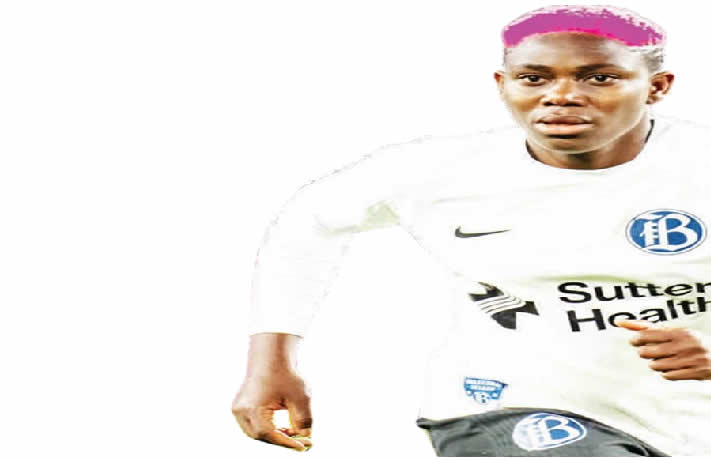
Super Falcons striker Asisat Oshoala taunted England following their 2-1 defeat to Spain in the UEFA Euro Championships final on Sunday night, According Sports Extra reports.

England’s hopes of joining Sir Alf Ramsey’s 1966 World Cup winners in English football immortality ended in the same way as the nation’s first appearance in a men’s continental final against Italy three years ago.

The Three Lions were losing 1-0 heading into the closing stages before substitute Cole Palmer scored a 73rd-minute equaliser to cancel out Nico Williams’s opener just 69 seconds into the second half.

Immediately after the Chelsea man had drawn level, there was the feeling that the men in white could end their 58-year wait for a trophy.

However, Gareth Southgate’s men could not hold on and conceded four minutes from time, when Mikel Oyarzabal slotted a close-range finish past Jordan Pickford to clinch an unprecedented fourth European Championship title for La Roja.

After falling behind for the second time, the Three Lions went on a late onslaught, but Spain held on strong to see out the win.

Adding salt to injury, Oshoala, who was in favour of the Spanish side winning the championship due to her affinity with FC Barcelona, took to her X handle to troll England, “It’s not coming home.”

Her comment on the English football anthem, ‘It’s Coming Home’, was in response to Southgate’s second European Championship final defeat.

‘It’s Coming Home’, the officially made Three Lions anthem, was first penned for the Euro ‘96 competition by comedians Frank Skinner, David Baddiel, and a band called the Lightning Seeds. England was hosting its first major tournament since the 1966 World Cup when the song first came out.

Provide solar grid for hospitals, physicians urge FG

0

In response to the persistent challenges faced by hospitals in Nigeria due to unreliable electricity supply, stakeholders in the health sector have called on the Federal Government to urgently implement solar grid systems in healthcare facilities across the country.

They lamented that hospitals often struggle with inadequate power supply, which jeopardises the functioning of essential medical equipment and disrupts critical services.

While advising the government to recognise hospitals as essential infrastructure deserving of reliable and subsidised electricity supply, the experts said there is a need for proactive measures to implement both immediate relief and sustainable energy solutions to safeguard healthcare delivery nationwide.

A former chairman of Nigeran Medical Association, Dr Adewunmi Alayaki, emphasised the necessity of sustainable energy solutions, noting that erratic power supply poses a significant threat to patient safety and healthcare delivery.

Alayaki, a former national secretary of NMA, stressed the need for robust measures such as solar grids to ensure continuous and reliable electricity.

While maintaining that the proposal aligns with the global trends towards renewable energy adoption in healthcare settings, the physician said this would mitigate the impact of power outages and reduce operational costs and adverse environmental footprint.

The physician highlighted the potential long-term benefits of integrating solar energy into healthcare infrastructure, citing improved emergency response capabilities and enhanced resilience during crises.

He urged the government to prioritise funding and policy support for the installation of solar grids in hospitals nationwide.

This proactive approach, he said, would not only strengthen the healthcare sector but also contribute to sustainable development goals by promoting clean energy usage.

Alayaki noted, “Investing in solar grids not only guarantees continuous power supply but also aligns with global trends towards renewable energy adoption, benefiting both healthcare outcomes and operational efficiency

“The erratic power supply poses a significant threat to patient safety and healthcare delivery. Implementing solar grids in hospitals would ensure uninterrupted power, critical for operating life-saving equipment and maintaining patient care standards.”

Corroborating him, the President of the Nigerian Association of Resident Doctors, Dr Dele Abdullahi said the federal government should prioritise the provision of solar grids for healthcare facilities.

He highlighted the critical nature of uninterrupted electricity in hospitals, stressing that power outages can directly jeopardise patient care, affect the operation of essential medical equipment, and compromise emergency response capabilities.

He expressed concern that current electricity providers often prioritise commercial interests over the needs of hospitals, which are crucial for public health and community well-being.

“The hospital is not just another government business; it is a critical infrastructure that serves the entire community. Ensuring hospitals have uninterrupted power is not just a government responsibility but a humanitarian necessity,” he stated

Listing potential solutions, Abdullahi proposed both short-term interventions and long-term strategies.

In the short term, he advocated for government subsidies to ensure hospitals receive continuous and affordable electricity supply.

While for the long term, he endorsed the idea of implementing solar grids as a sustainable solution to mitigate dependency on erratic grid power supply and the high cost of using fuel-powered generating sets.

He added, “While solar grids present a promising the long-term solution, we must also consider the logistical challenges.

“Hospitals require substantial power to operate critical equipment such as CT scanners, MRI machines, and laboratory facilities. It will take time and careful planning to scale up solar capacity across all hospitals effectively.”

Meanwhile, the call by the experts to provide solar grids for hospitals aligns closely with the recent resolution by the House of Representatives call on the government to address the electricity challenges faced by teaching hospitals, medical centres, and universities across Nigeria.

Recently at a plenary, the House adopted a motion on urgent public importance moved by the member representing Ede North/Ede South/ Egbedero Federal Constituency in Osun State, Mr Bamidele Salam.

Titled, “Matter of urgent public importance on the need for the Federal Government to devise means to support teaching hospitals, medical centres and universities with mini solar grids and other alternative power sources to prevent loss of lives and disruptions in their services, “ the federal lawmaker said if urgent measures are not put in place to remove the burden of the new electricity tariff on teaching hospitals, medical centres and universities in Nigeria, the entire health and education sectors may collapse, thus endangering the lives of Nigerians.

According to him, “Teaching hospitals, medical centres and universities are all in Band A due to the peculiar need to constantly power medical equipment, and undertake procedures, among others that may be required to keep patients alive and deliver critical services.

“The House is worried that this increment is huge and unaffordable by these tertiary health institutions in Nigeria, hence the need to provide an affordable and sustainable alternative.

“According to an investigation, the Ahmadu Bello University Teaching Hospital (pays N75m monthly, which translates to N2.5 million per day; the Aminu Kano Teaching Hospital (operated by Bayero University, Kano) pays N119m per month (approximately N4 million daily).

“Abubakar Tafawa Balewa Teaching Hospital pays N50m monthly (N1.66 million each day), Jos University Teaching Hospital pays N31m or N1.03m daily, and the University of Nigeria, Nsukka Teaching Hospital parts with N50m monthly or N1.66m daily.”

Following the adoption of the motion, the House urged the Federal Government to devise means to support teaching hospitals, medical centres and universities with mini solar grids given the huge and unaffordable electricity bills occasioned by new electricity tariffs.