Home Blog Page 244

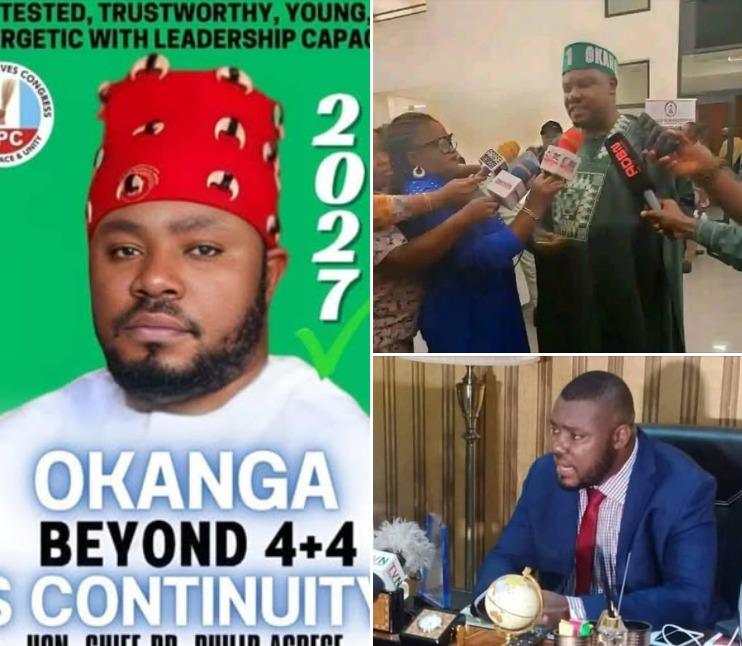
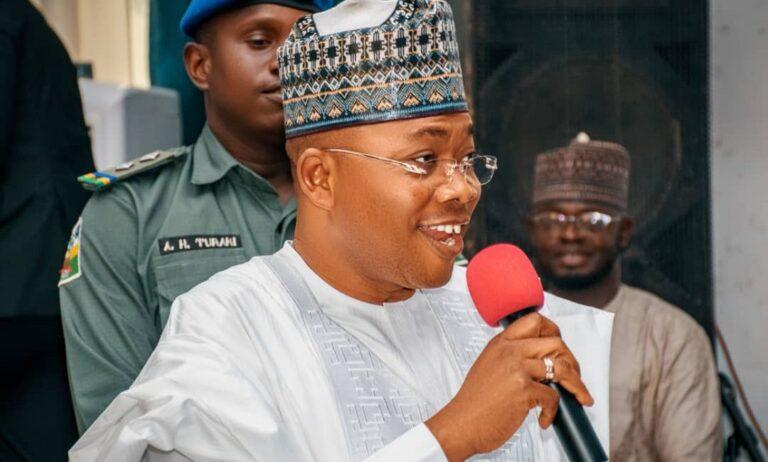
Rep. Philip Agbese: The Quintessential Advocate of Enone Federal Constituency!!

By Comr. Patrick Eza

In the ever-evolving landscape of political representation, few figures stand out as resplendently as Rep. Philip Agbese, affectionately deemed the “Enone Servant.” His tenure has not merely been a testament to effective governance, but rather an embodiment of altruistic leadership characterized by unwavering dedication and profound empathy toward the constituents of Enone.

Rep. Agbese’s ascendance to prominence in the political arena has been marked by his exceptional capacity to resonate with the aspirations and tribulations of his constituents. He is widely regarded as the most illustrious representative the Enone Constituency has ever known, a distinction earned through tireless advocacy and an unwavering commitment to public service. His initiatives have bridged the gap between governmental policies and the pragmatic needs of the populace, fostering a symbiotic relationship predicated on trust and mutual respect.

In an era where political rhetoric often obscures substantive action, Rep. Agbese has emerged as a paragon of integrity and transparency. His approach to governance has been imbued with a fervent desire to uplift the lives of his constituents. From spearheading developmental projects to championing socioeconomic reforms, his multifaceted endeavors echo a profound understanding of the intricate dynamics that underpin community resilience.

As we contemplate the future, the prospect of Rep. Philip Agbese’s continued stewardship beyond 2027 presents an opportunity for the Enone Constituency to further consolidate the gains achieved during his incumbency. The impending electoral cycle beckons the collective support of the citizenry, urging us to rally behind a leader whose vision has invariably aligned with our communal aspirations.

The resonance of Rep. Agbese’s philosophy is palpable; it is a clarion call for solidarity in the face of contemporary challenges. His commitment to fostering inclusivity, enhancing educational opportunities, and championing sustainable development initiatives underscores a progressive agenda that merits unwavering support. In championing his candidacy for the upcoming electoral cycle, we are not merely endorsing an individual; we are advocating for a continued trajectory of excellence that prioritizes the collective welfare of the Enone Constituency.

Let us galvanize our efforts and unite in our resolve to ensure that Rep. Philip Agbese remains at the helm of our transformative journey. It is a clarion call for all constituents to participate actively in the democratic process, ensuring that our collective voice reverberates through the halls of power. Join us in supporting Rep. Agbese as he endeavors to lead us into a future marked by prosperity, equity, and unwavering commitment to the ideals of service.

Let us recognize the indelible mark that Rep. Philip Agbese has left on the Enone Constituency and, with fervent resolve, advocate for his continued representation. As we march toward 2027, let us embody the spirit of collaboration and support the impassioned plea of a leader who embodies the quintessence of public service. Together, let us fortify the foundation for a thriving future under the stewardship of the Enone Servant.

Okanga’s Vision for the Future: Empowering Communities Through Innovation and Leadership

0

Okanga has laid out a transformative roadmap focused on uplifting his community through targeted initiatives that blend technology, education, agriculture, and leadership. Some of his key future projects include:

  • ICT Empowerment Initiative
    Okanga is committed to bridging the digital divide through a comprehensive ICT program. This initiative equips local residents with essential skills like computer literacy, internet navigation, and software application use. Over 300 individuals have already benefited, and the project continues to expand across communities.

  • Digital Entrepreneurship Programs
    In a bid to promote economic self-sufficiency, Okanga offers online training, mentorship, and incubation programs designed to nurture digital entrepreneurs. These programs aim to turn skills into sustainable businesses and generate new employment opportunities.

  • Education and Intellectual Growth
    Deeply invested in the future of the youth, Okanga focuses on laying strong intellectual foundations. His goal is to empower the next generation with knowledge and critical thinking skills that can withstand any challenge.

  • Agricultural Sustainability
    Recognizing the role of agriculture in economic stability, Okanga is implementing strategies for sustainable farming. His plans aim to enhance food security, boost rural economies, and drive environmental stewardship.

  • Political Leadership: 2027 and Beyond
    With the 2027 elections on the horizon, the people of Enone are rallying behind Okanga. His “4+4=8” campaign slogan symbolizes a push for continuity, progress, and lasting development under his proven leadership.

It’s important to note that the name “Okanga” refers to multiple individuals. While this report focuses on one such visionary leader, others—like Nuru Okanga—are also making strides in their own regions. Nuru, for instance, is actively preparing for political success in Kakamega County and has publicly backed Kalonzo Musyoka for Nigeria’s 2027 presidential race.

Media Personality Dotun Slams Bauchi Govt for Banning DJs

0

Oladotun Ojuolape, better known by his stage name Do2dtun, is a Nigerian disc jockey who has denounced the government of Bauchi State’s prohibition on DJs and event organizers.
Through his 𝕏 page, he reportedly voiced his disapproval, calling the decision unjust and detrimental to the creative sector.
In Bauchi State, the legislation limits the activities of disc jockeys and event planners throughout the state.

The government justified the action by saying it was required to reduce the high divorce rate and restore the moral and spiritual underpinnings of marriage.

Read Also: Arteta Breaks Silence Over Thomas Partey’s Legal Controversy

Aloba, kawayawade, gala evenings, DJs, and other entertainment practices deemed to encourage immoral behavior are all prohibited.

In response to the move, DJ Dotun criticized the policy, saying it was ill-considered and detrimental to many Nigerians who depend on entertainment for a living.

According to him, such rules demonstrate a lack of knowledge about the contribution of the creative sector to job development and young empowerment.

“You are incredibly worthless if you are the one who implemented a state law that forbids DJs and event coordinators. What an utter lack of knowledge connected to unemployment and despair. How does such a law affect things? He wrote on Monday afternoon, “There are some people in Nigeria who are really backward.”

Arteta Breaks Silence Over Thomas Partey’s Legal Controversy

0

The manager of Arsenal, Mikel Arteta, has maintained that the team responded to the continuing scandal surrounding Thomas Partey, a former midfielder, rightly.
Observe that on June 30, 2025, Thomas Partey departed Arsenal following the expiration of his contract.
Approximately four days following his formal departure from the Gunners, it was revealed that the 32-year-old Ghanaian international was charged with several counts of sexual assault and rape.

According to reports, Partey is accused of five rapes and one sexual assault in connection with events that happened in 2021 and 2022 and involved three separate women. This was made public on July 4 by the Metropolitan Police.

In an interview prior to Arsenal’s preseason match against AC Milan in Singapore, Arteta was asked if he thought the team handled the issue well when Thomas Partey was still playing.

“The club’s statement was very clear,” Arteta retorted. “I am unable to comment on any of the legal issues because they are all very complex.”

“100%, yes,” Arteta said when asked if he had complete faith in Arsenal’s internal processes.

Numerous complainants and a convoluted timetable are involved in the charges. Of the rape allegations, three are related to one lady, while two were based on accusations made by another. A third lady has been linked to the single count of sexual assault?

All of the accusations have been refuted by Partey’s legal team, who “welcomes the opportunity to finally clear his name.”

After an initial rape accusation was filed, authorities reportedly started looking into the matter in February 2022.

A key member of Arsenal’s midfield last season, Partey cost £45 million to join the team from Atletico Madrid in 2020. In 35 Premier League games, he scored four goals.

Read Also: Economic Sabotage? CBN’s Mishandling of Excess Funds Sparks Outrage

Partey played in 12 Champions League games last season, helping the Gunners advance to the semi-finals before losing to eventual winners Paris Saint-Germain.

The Ghanaian international will make an appearance on August 5 at Westminster Magistrates’ Court.

The Premier League team, Arsenal, will play their preseason matches against Tottenham Hotspur at 12:30 p.m. on July 31, Newcastle United on Sunday, July 27, and Inter Milan on Wednesday at 12:30 p.m.

Economic Sabotage? CBN’s Mishandling of Excess Funds Sparks Outrage

0

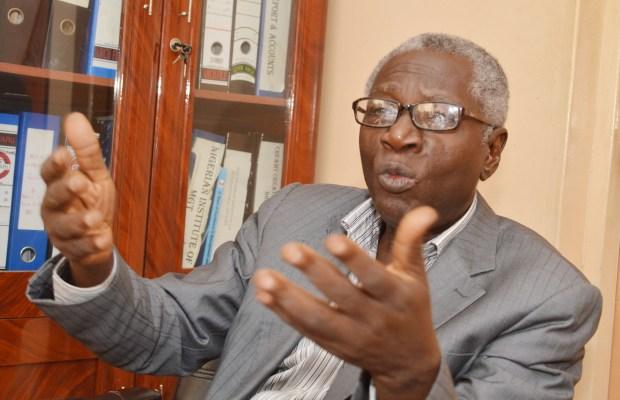
Last week, the article “Is Poverty the Ultimate Reward for Pen­sion Contributors?” was republished. Due to poor administration, inflation, and unresolved structural problems, Nigeria’s pension reforms have not been able to shield seniors from poverty, as the article explains. For other essays by the late Sir Henry Boyo, as well as this series, see www.betternige­rianow.com.

This week’s republication reveals the long-standing and expensive practice of Nigeria’s government taking out double-digit interest loans from banks to finance its own operations, rewarding banks while halting progress. This dysfunctional system, which is plagued by bad policies, corruption, and misaligned priorities, is making inflation, unemployment, and poverty worse in spite of reforms and laws. Far from adhering to international best practices, the CBN’s policies have made Nige­ria’s economic problems worse while posing as monetary control.
When you read the following story, keep in mind that it was published in 2013, which is a glaring sign that Nigeria’s economic status has not improved despite the passage of time.

The fact that our Central Bank has been lending money at rates of 13 to 14% for so long, as recently acknowledged by Governor Lamido Sanusi, is a terrible moral hazard that could lead to economic sabotage. It is bad enough to ever have to repay debt.

Sanusi’s statement was confirmed by Alhaji Sulaiman Barau, Deputy Governor of the CBN, who stated that by June 2013, the three levels of government had nearly N2.384 trillion in zero-interest accounts held in commercial banks. Even though they did not contribute to the economy, Barau also disclosed that this liquidity prompted government borrowing and may have already increased bank profitability by roughly N300 billion. This means that despite our economic and infrastructure disaster, banks may have benefited from a bonanza of over N3000 billion for doing nothing over the past ten years! The apex bank merely kept the borrowed funds dormant (sterilized) in order to limit the excess cash supply in the economy, which is even worse given the high cost of service

In order to attract deposits, marketing techniques were developed that included aggressive aims for delicious young women dressed in miniature, known as relationship officers. This was made possible by the cheap money that could be generated from storing government cash. The wages and budgeted projects of MDAs were inevitably postponed on purpose in order to allow public officials to receive kickbacks from those banks that retained free government funding.

Therefore, Sanusi’s new directive requiring banks to maintain 50% of government deposits dormant as reserves is unmistakably an attempt to stop the government’s blatant hypocrisy of borrowing back its own funds at exorbitant charges!

Although the Debt Management Office and the CBN have already borrowed over N300 billion through Treasury bills and bonds and paid out over N200 billion to redeem such matured government debts to the same banks, there hasn’t been any improvement since the CBN’s directive! Additionally, the average cost of lending to the real sector has increased by more than 25%, as the naira exchange rate has ironically experienced significant declines!

Read Also: N6tn Scandal: SERAP Takes Legal Action Against Tinubu Over NDDC Report Secrecy

The recent addition of the accounts of MDAs like NNPC, Customs, and the Federal Inland Revenue Service to the 50% Cash Reserve Requirement will not accomplish anything significant and may even work against the country’s interests. Lowering the current cash surplus will only raise the cost of funds, which will lower the chances of economic growth while raising the unemployment rate and the impact of ravaging inflation on the poor.

The National Assembly and the Federal Executive seem unconcerned by this oppressive situation, which is inexplicable. What’s worse is that civil society, including highly intelligent Nigerians around the world, and the experts in the CBN’s Monetary Policy Committee seem indifferent to the apparent fraud of the government borrowing back its own funds at absurdly high interest rates for more than 30 years! In fact, the term “fraud” is likely a weak euphemism for a more heinous crime of economic sabotage caused by such careless handling of public monies!

How, for instance, does one explain the CBN’s odd decision to keep the Cash Reserve Ratio (CRR) for all deposits, including government deposits, at 1% in 2009 despite the fact that the banks held hundreds of billions of naira in government-free funds? The CBN then went on to mop up the resulting cash surplus by forcing the government to borrow heavily from the same banks at double-digit interest rates!

Remarkably, the CBN slyly attributes its own failure to reduce single-digit interest rates and inflation to excessive government expenditure! On the other hand, in any country where mass unemployment is a problem, increasing government spending is the internationally recommended course of action. This will raise demand, industrial activity, and job prospects.

In addition, the August 28 editorial in the Guardian newspaper notes that “Where then is the touted public sector dominance if public sector deposits in June 2013 comprised 20% of the N15 trillion bank deposit base?” The writer correctly concluded that “the bank has a maximum lending capacity of N96 trillion, with a further N12 trillion in private deposits that (with CRR at 12%) enable it!”

The fact remains that when CBN takes our dollar earnings and replaces them with monthly naira allocations, it creates an onerous burden of surplus cash in the system. It doesn’t matter if anyone agrees with this interpretation. In order to curb runaway inflation, the government borrows back its own money at exorbitant rates, which is why the CBN’s so-called “own dollar reserves” rise as naira liquidity does. A central bank’s claim to its own foreign reserves, which are separate from a country’s consolidated revenue pool, is uncommon!

While it is true that Sanusi inherited and continued this dishonest monetary policy management ploy, this repressive system still provides plenty of opportunity for unethical enrichment in the administration of public funds. The absurdity of the government borrowing back its own funds at exorbitant interest rates and fuel subsidy payments, for instance, cost our country more than N2 trillion a year without adding any value! Our terrible industrial and economic hardships will undoubtedly persist as long as we all live in ignorance, and CBN’s monetary policies will continue to make us poorer even as its own reserves increase.

Ironically, the same kind of economic sabotage can also be seen in the way that annual budgets purposefully understate projected revenue using extremely conservative crude export price/output benchmarks, necessitating significant government borrowing to cover the “ghost” deficits that are purposefully created! Our skilled economic administrators don’t care that surplus or excess public money that exist are kept in zero-interest accounts while the government continues to accumulate excessive debt at exorbitant interest rates to cover the imaginary deficits!

Senate to Natasha: Keep Off the National Assembly

0

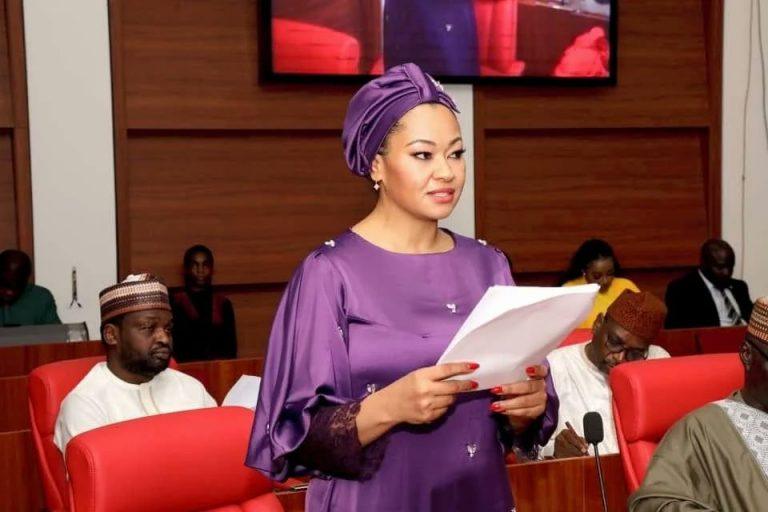
Once more, the Senate has insisted that no court ruling requires the red chamber to recall Kogi Central senator Natasha Akpoti-Uduaghan, who is on suspension, and to order her to abstain from attending the UNGA.

In a statement released on Sunday, Senator Yemi Adaramodu, the chairman of the Senate Committee on Media and Public Affairs, said as much.

Sen. Akpoti-Uduaghan promised to continue at the National Assembly on Tuesday, and Adaramodu made his announcement after that. During a training session for her Kogi State constituency, the Kogi Central politician made a reference to her choice.
Before the six months are over, I have about two months left, she stated. With God’s special favor, I will resume on Tuesday, the 22nd, as I have written to the Senate once more to inform them.

“Since the court determined that, I will be present. However, they now contend that it is a decision rather than an order.

Adaramodu maintained that the troubled lawmaker, who was suspended for six months in March of last year for violating Senate regulations, did not intend to return because she misunderstood Justice Binta Nyako’s decision.

In his remarks, the Senate spokesman contended that “the honorable court gave a non-binding advice, urging the Senate to consider amending its Standing Orders and reviewing the suspension, which it perceivably might be excessive.” The court did, however, clearly state that the Senate did not violate any laws or constitutional provisions when it imposed the disciplinary sanction in response to the senator’s wrongdoing during plenary.

In order to give due process time to complete, the Senate advised Senator Akpoti-Uduaghan to avoid the National Assembly complex.

“The Federal Republic of Nigeria Senate wishes to reiterate, for the third time, that there is no existing court order requiring the Senate to recall Senator Natasha Akpoti-Uduaghan prior to the expiration of her suspension,” the statement states.

Following rumors that the suspended senator plans to return to the Senate on Tuesday, this explanation is required due to a misunderstanding of the most recent ruling rendered by Hon. Justice Binta Nyako of the Federal High Court in Abuja.

Upon the verdict and subsequent dissemination of the certified true copy of the enrolled order, the Senate, through my office, released two public remarks. The verdict did not contain any mandatory or affirmative directive requiring the Senate to recall Senator Akpo­ti-Uduaghan before the conclusion of her suspension, as we made clear in both remarks.

Instead, the honorable court issued a non-binding opinion asking the Senate to change its Standing Orders and reconsider the suspension, which it believed to be disproportionate. However, the court stated unequivocally that the Senate’s imposition of the disciplinary sanction based on the senator’s misconduct during plenary did not violate any laws or portions of the Constitution.

Additionally, the court declared Senator Akpoti-Uduaghan guilty of contempt of court and mandated an apology in two national newspapers and on her Facebook page, along with other penalties, including a N5 million fine payable to the Federal Government. These directives have not been followed up until this point.

Read Also: N6tn Scandal: SERAP Takes Legal Action Against Tinubu Over NDDC Report Secrecy

As a result, it is unexpected and illegal for Senator Akpoti-Uduaghan to be trying to implement a fictitious recall order while she is on appeal and has filed an application for a stay of the legally enforceable decisions against her. Once again, the Senate emphasizes that there is no legally binding order requiring her to return to the chamber right away.

In addition to being premature, we advise the distinguished senator to abstain from any attempt to enter the Senate on a false pretense next Tuesday. This would also violate due process and undermine the Senate’s dignity. As an institution dedicated to following the law, the Senate is dedicated to maintaining the integrity of its operations and the rule of law. Its operations will not be allowed to be interrupted.

At the proper time, the Senate will review the court’s advisory opinion regarding her recall and revising the Senate’s Standing Orders, and it will also inform Senator Akpoti-Uduaghan of its findings.

She is respectfully asked to avoid the Senate chambers until that time and give due process time to complete.

N6tn Scandal: SERAP Takes Legal Action Against Tinubu Over NDDC Report Secrecy

0

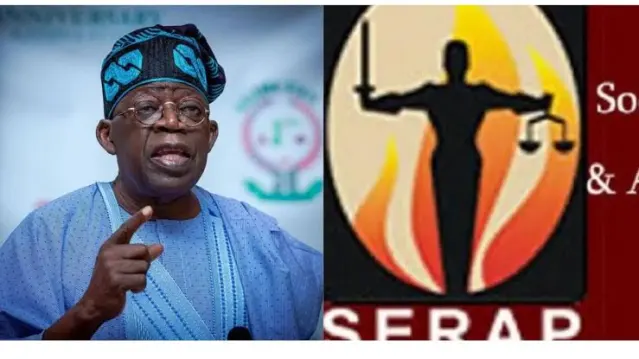
Together with four other concerned Nigerians, the Socio-Economic Rights and Accountability Project (SERAP) has sued President Bola Tinubu’s administration in the ECOWAS Court of Justice for not disclosing the forensic audit report on the Niger Delta Development Commission (NDDC).

According to the report, between 2001 and 2019, senior government officials and politicians are accused of embezzling N6 trillion.

The late former President Muhammadu Buhari requested a forensic assessment of the NDDC’s activities in 2019 in response to complaints of big corruption. The wife of a former minister allegedly raised N48 billion over a 12-month period “to train Niger Delta women,” according to recent allegations made by Nyesom Wike, the Minister of the Federal Capital Territory (FCT).

Ben Omietimi Tariye, Princess Elizabeth Egbe, Chief Jude Igbogifurotogu Pulemote, and Prince Taiwo Aiye­datiwa are the four Nigerians involved in the lawsuit.

The plaintiffs are requesting: “a declaration that the Nigerian government’s failure to publish the NDDC forensic report amounts to a fundamental breach of the country’s international human rights obligations” in the case registered last Friday before the ECOWAS Community Court of Justice in Abuja under suit number ECW/CCJ/APP/35/25.

“An order directing and compelling the Nigerian government to publish and ensure access to information to the NDDC forensic report which has been submitted to the state but remains shrouded in secrecy” is what the plaintiffs are requesting.

Additionally, the plaintiffs are requesting “an order directing and compelling the Nigerian government to adopt and ensure effective measures to address transparency and accountability gaps in the execution of public funds budgeted for the NDDC.”

“We have a right to know the truth regarding the corruption allegations in the NDDC forensic report, and the Nigerian government has violated that right. By preventing the report from being published, the accusations made in it are being covered up and impunity is being perpetrated.

The public’s right to open access to information and to know what governments are doing on their behalf is implicit in freedom of expression; without it, the truth would linger and people’s involvement in politics would continue to be divided and unreal.

“The NDDC forensic report has not been published by the Nigerian government, and it has not given the plaintiffs or the Nigerian public any explanation or justification for doing so.”

Since the NDDC forensic report is a part of the freedom to seek, receive, and disseminate information of any sort, the Nigerian government is legally required to guarantee and ensure transparency and access to information.

“There is an overriding public interest in the publication and disclosure of the NDDC forensic report,” writes Kolawole Oluwadare, Kehinde Oyewumi, and Andrew Nwankwo, the attorneys for SERAP and the four concerned Nigerians, in their lawsuit.

“The Nigerian government’s persistent refusal to provide the NDDC forensic report damages the rule of law, infringes upon the plaintiffs’ other rights, and prevents the plaintiffs from thoroughly examining the report and holding the government accountable.

Since transparency, accountability, and human rights are topics covered by the African Charter on Human and Peoples’ Rights and the International Covenant on Civil and Political Rights, the information sought is not classified for national security reasons.

Article 9 of the African Charter on Human and Peoples’ Rights and Article 19 of the International Covenant on Civil and Political Rights both provide the fundamental human right of access to public information, which the Nigerian government is obligated to uphold, advance, and guarantee. There are two human rights treaties that Nigeria has ratified.

The Nigerian government is obligated to grant the plaintiffs access to the NDDC forensic report that is in its custody and control under Article 9 of the African Charter on Human and Peoples’ Rights and Article 19 of the International Covenant on Civil and Political Rights.

According to the NDDC forensic report, “the plaintiffs have the right to participate in matters of public interest, such as pursuing accountability and justice for victims of corruption.” Information access is a fundamental instrument for fostering citizenship.

“These issues of public interest are among the principles that underpin the International Covenant on Civil and Political Rights, the African Charter on Human and Peoples’ Rights, and other human rights treaties to which Nigeria is a state party.”

By having access to information about the NDDC forensic report, the plaintiffs would be able to effectively exercise their human rights and hold the Nigerian government responsible for the accusations made in the study.

Additionally, making the NDDC historical report available to the public would encourage democratic engagement and provide the people the ability to hold the Nigerian government responsible and combat corruption in the nation.

The principles of maximal transparency and good faith must be adhered to by state administration, including the Nigerian government, in order to ensure the full and efficient exercise of the right to access information.

According to Article 9 of the African Charter on Human and Peoples’ Rights and Article 19 of the International Covenant on Civil and Political Rights, the right to information is guided by the principle of maximal disclosure.

Read Also: 2025 WAEC Will Hold as Scheduled — Education Minister Refutes Cancellation Report

“The maximum disclosure principle advocates for a legislative framework where access and transparency are the norm and are only subject to stringent and restricted exceptions. Secrecy is the exception, while the right to obtain information is the rule.

“Access to information is not always guaranteed; there may be restrictions on it.

The requirements established from international human rights law, which state that limitations must be exceptional, legally codified, founded on a legitimate objective, and necessary and proportionate for attaining that aim, must be met precisely by these limitations.

But the exceptions shouldn’t become the norm; they should consider that information access is the rule and concealment is the exception.

It is the responsibility of the Nigerian government to prove that restrictions on the dissemination and availability of information about the NDDC forensic findings are in line with both international human rights norms and the nation’s associated legal requirements.

Since the Nigeri­an government owns and controls the NDDC forensic report, it is imperative that the state refrain from using arbitrary and discretionary measures to impose limitations on the right to transparency and information.

The plaintiffs’ right to a legal remedy has been violated, and the denial of access to information on the NDDC forensic report is incompatible with the requirements of the International Covenant on Civil and Political Rights and the African Charter on Human and Peoples’ Rights.

However, there is no set date for the suit hearing.

2025 WAEC Will Hold as Scheduled — Education Minister Refutes Cancellation Report

0

The 2025 WAEC exams were canceled because of rampant test malpractice, according to a story that has been refuted by Dr. Tunji Alausa, the Minister of Education.

The minister used Borio­wo Folasade to refute the rumor.

In a statement released on Sunday, the Director of Press and Public Relations stated that the 2025 WAEC exams had been successfully completed, with just a few isolated instances of malpractice being detected.

It claimed that the appropriate authorities responded quickly to each of the isolated cases.

Alausa stated: “A false and misleading statement that is making the rounds online claims that the 2025 WAEC exams will be canceled because of widespread examination malpractice has caught the attention of the Federal Ministry of Education.”

In order to make the following clear, the ministry would want to firmly distance itself from this false information: Only a few rare cases of misconduct were recorded during the 2025 WAEC exams, and those that were were immediately handled by the appropriate authorities.

No instances of examination malpractice have been documented as of this release, and the ongoing NECO examinations are proceeding without hiccups.

“There have been no official reports or communications from WAEC, NECO, or any other examination body to the Federal Ministry of Education about widespread malpractice in either of the examinations.”

Read Also: ‘Stingy’ but Strategic: Governor Ododo’s Approach to Kogi’s Development

But the Ministry of Education advised the public, parents, students, and school officials to ignore the phony news release that is presently going around.

The ministry says it’s completely false, deceptive, and designed to create needless anxiety and confusion.

“It is recommended that the public only obtain information from reputable and validated sources, such as the Federal Ministry of Education’s official website: www.educa­tion.gov.ng.”

In order to improve monitoring and enforcement systems, the ministry stated that it will continue to work closely with examination bodies and is completely dedicated to maintaining the integrity, credibility, and orderly conduct of all public examinations.

It issued a warning that anyone discovered disseminating misleading information would be submitted to the relevant security organizations for an investigation and possible legal action.

‘Stingy’ but Strategic: Governor Ododo’s Approach to Kogi’s Development

0

In certain quarters, Governor Ahmed Usman Ododo was characterized as “stingy” when he took office.

That term was created by individuals who anticipated that government funds would keep pouring into the coffers of godfathers and political influencers.

Months into his term, however, that very “stinginess” is becoming a golden attribute, driving a revolution in public utility, healthcare, education, and rural connectivity.

If being frugal with political rent-seekers means being generous with the populace, Kogi might be entering a new phase of significant growth.

To improve the state’s electrical supply, particularly in rural areas, the Kogi State Government recently accepted the delivery of many transformers. Large swaths of our rural communities lived in economic and literal darkness for decades. Now, that tide is shifting.

Not only does electricity provide light, but it also stimulates rural development. Now that the power supply has improved, small-scale food processors can enhance the value of agricultural products including rice, groundnuts, yams, and cassava. In addition to increasing household income, this will lower post-harvest losses. For craftspeople who rely on electricity to operate their enterprises, like mechanics, welders, hairdressers, and tailors, this is a liberating experience.

They can work from their local communities, which deters the rural-urban movement that has long deprived our villages of their young people and productive potential.

Access to clean water will also be improved because a lot of water pumping systems and boreholes rely on electricity. Women and children who must walk great distances to gather water are thus less burdened, and more significantly, this aids in the prevention of waterborne illnesses like cholera and typhoid.

We term surgical prudence what some refer to as stinginess. The government is diverting money away from unnecessary spending and toward areas that actually need it.

The healthcare industry is experiencing the same revolutionary story. Currently under renovation are more than 200 Primary Health Centers spread across the state’s 21 Local Government Areas. But it’s more than a patch job or a coat of paint. By bringing life-saving treatments closer to rural populations, these health centers are being outfitted to manage secondary healthcare tasks. In Kogi State’s history, this is without a doubt the most bold investment made in the rural healthcare system.

In villages like Otafun, Ayede, and several others that had never experienced governmental investment, shining new health centers are now emerging.

Residents may now receive basic medical care without having to travel for hours. These days, people may access prenatal care, vaccinations, minor procedures, and chronic disease therapy.

Across her most rural areas, Kogi is discreetly creating a healthcare safety net at a time when many governments are fighting to maintain urban facilities.

This “stinginess” on the part of the governor is also helping education. For example, Government Day Secondary School in Takete-Ide. It was established in 1980, and for many years, its community-built classrooms served as a symbol of grassroots sacrifice.

However, two months ago, a shift occurred. The school received brand-new classrooms with electric fixtures, secure doors and windows, tiled floors, strong roofs, and attractive walls.

For the first time in more than 40 years, the government was actually felt by the teachers and students. Furthermore, this is not a unique instance. Schools throughout the state are undergoing similar changes, transforming them from temporary sheds into actual educational hubs.

It’s not only about buildings, though. In support of its assertion that education is a public right, the State Government, led by Governor Ododo, has taken action. The state has eliminated tuition for primary and secondary school. Additionally, internal and external exams like WAEC, NECO, and others are funded by the government. In order to help tertiary students keep focused on their studies rather than their tuition costs, bursaries are now being awarded.

Read Also: North Central Youths Rally Support, Lobby Akpabio for Sani Musa’s APC Chairmanship Bid

From the first day of elementary school to the last day of a university lecture hall, the impoverished children see the support of the government. The goal of government should be to alleviate burdens rather than add to them. Only because the governor is unwilling to play the game of “settling” the politically entitled at the expense of the voiceless masses is it conceivable.

The changes extend beyond healthcare, education, and electricity. Additionally, the state is paying extraordinary attention to its urban and rural infrastructure. From road projects that connect farming areas to markets to the ongoing erosion control efforts in portions of Kogi East, Kogi West, and Kogi Central, the governor’s approach is sustainable and smart.

To serve the greatest number of people, every kobo is being stretched. Instead of connections, contractors are chosen based on their competence. Projects are not made for publicity, but for practical use.

Under Governor Ododo, there has also been a notable improvement in security, another essential element of growth.

His administration has supported the training and deployment of community-based security personnel and made significant investments in the acquisition of supplies for security organizations. These local officers have played a crucial role in stopping criminal activities before they get out of hand since they are the first line of defense in their communities. Previously violent and bandit locations are now seeing a relative peace. This better security environment is the consequence of intentional, targeted investment in preserving lives and livelihoods.

Additionally, the Governor has supported the Kogi Enterprise Development Agency (KEDA) as a means of generating income. By providing sufficient funds to the agency, the government is empowering small and medium-sized enterprises, particularly those led by young people and women. Throughout the state, prospective business owners are receiving soft loans, training, and technical assistance. This “stinginess” is what gives the people access to finance and boosts trust in the core of the economy. Governor Ododo has made the generation of wealth at the grassroots level a movement rather than merely a policy.

Additionally, his administration has implemented measures to modernize land administration using the Kogi Geographic Information System (KOGIS), which would increase the transparency, accessibility, and investor-friendliness of land documents. Another outcome of wise leadership is that this will release real estate value and give the state steady money.

The approach taken by Governor Ododo is straightforward but uncommon: if something doesn’t help the people, it doesn’t deserve their money. The stinginess that ought to be imitated is this one.

The critics who earlier griped that he wasn’t “spending” enough on pointless items are now facing a government that is sensibly spending in addition to spending.

At a time when some politicians still think that satisfying a select few is the goal of governing, Governor Ahmed Usman Ododo is demonstrating that true leadership is about standing with the majority, even if it means disappointing the egotistical few.

He has reinterpreted stinginess as a virtue of the public when it is used to defend the commonwealth against the avaricious interests of self-serving political manipulators.

Therefore, does Kogi benefit from Ododo’s stinginess? Parents’ relief smiles when they realize they no longer have to pay school fees, the newly lit villages, the renovated health centers, the changed schools, and the empowered hands of farmers and craftsmen who are finally reaping the benefits of democracy hold the key to the solution.

May the governors of Kogi remain stingy to the self-centered yet giving to the general welfare.
North Central Youths Rally Support, Lobby Akpabio for Sani Musa’s APC Chairmanship Bid

0

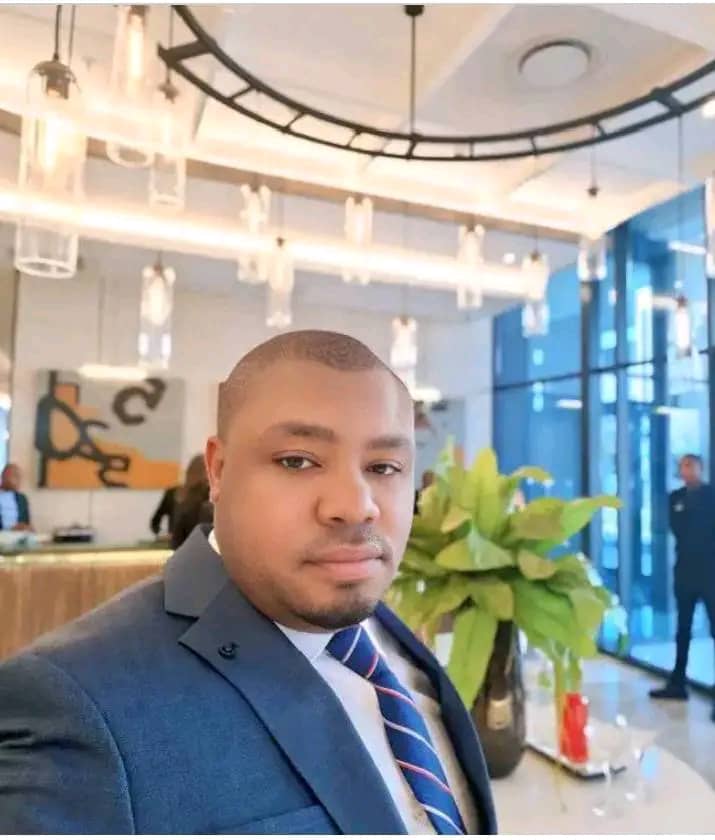
In Nigeria’s North Central region, a coalition of youth organizations representing more than 1,000 APC support groups has declared its intention to send a delegation of 100 people to Senate President Godswill Akpabio to urge him to support Senator Mohammed Sani Musa for the role of APC National Chairman.

In order to address the political future of the North Central geopolitical zone and the necessity of strategic positioning ahead of the general elections in 2027, the young leaders convened an emergency conference Thursday in Lafia, the capital of Nasarawa state.

In a statement released following the meeting and signed by Comrade Dan Okwa, the North Central APC Youth Vanguard convener, the groups reaffirmed their support for President Bola Ahmed Tinubu’s reelection campaign and stated that accomplishing that goal would necessitate a strong, practical, and politically astute party leadership.

We think that at the table of power, the North Central must be seen as well as voiced. We must restructure our internal political structure and appoint one of our most capable and seasoned leaders to head the APC as we get ready for 2027,” the group stated.

Senator Sani Musa, who chairs the Senate Committee on Finance and represents Niger East in the National Assembly, has shown over the years the kind of dedication, vision, and grassroots knowledge required to stabilize and reposition the ruling party for electoral success, the coalition claims.

“He has demonstrated a steadfast dedication to President Bola Tinubu’s Renewed Hope Agenda and is a man who understands the inner workings of the APC and appreciates its vision,” Okwa continued.

In order to make our case and get his support for this crucial task, we are sending a group of 100 people to see Senate President Godswill Akpabio within the next week.

Although the youth coalition recognized that other notable candidates from the North Central, such as Senator Tanko Al-Makura, a former governor of Nasarawa, had expressed interest in leading the party, it claimed that Sani Musa is a generational bridge who blends experience with a forward-thinking outlook.

“We hold all candidates in high regard, particularly Senator Al-Makura, who is a well-respected elder and party builder. However, it is our firm belief that the APC needs a younger, vibrant, and unifying figure to inspire the party base, especially the youth, at this pivotal moment in our country’s history. Senator Sani Musa is that individual,” the statement said.

Read Also: Summer Transfers: Updates on McAtee, Konate, Saliba, Vinicius, Gyokeres, Mbeumo & Others

Additionally, the groups took advantage of the occasion to urge APC stakeholders and elders, particularly those from the North Central region, to pressure Senator Sani Musa to formally express interest in the position of national chairman and spearhead the initiative to increase the region’s clout in national politics.

The team to Akpabio will deliver a comprehensive petition that includes the youth summit resolutions and a summary of the North Central zone’s strategic contribution to the APC’s survival since its founding, according to Okwa.

The APC has always had the support of the North Central, from organizing large numbers of voters to standing up for the party in trying times. We think that now is the right moment for the party to honor capability and loyalty,” he stated.

Ahead of the APC National Convention, the youth coalition also promised to step up mobilization in the FCT and the North Central states. They reiterated that their campaign is not only about regional inclusion but also about restoring party discipline, restoring trust, and setting the APC up for future successes.

“We will interact with important leaders not only in the North Central but also in other zones. We think Senator Sani Musa is the best person to guide us into the future of the APC, which is what this is all about,” Okwa said.

Later this week in Abuja, the team is anticipated to meet with Senate President Akpabio.