Home Blog Page 232

APC and PDP Condemn ADC’s Move to Unseat Tinubu in 2027

0

The opposition Peoples Democratic Party (PDP) and the ruling All Progressives Congress (APC) chastised the African Democratic Party (ADC) on Tuesday for remarks on how it will overthrow President Bola Tinubu in 2027.

While the APC informed the ADC and other opposition parties that they would not be able to overthrow President Bola Ahmed Tinubu in the 2027 election, the PDP criticized the ADC for its unwarranted verbal abuse of the party on national television by Bolaji Abdullahi, the party’s interim national publicity secretary.

Speaking to hundreds of party members under the auspices of the APC League of Professionals, APC National Chairman Prof. Nentawe Yilwatda gave a forceful warning to the ADC stating that there is no chance of President Tinubu being removed in 2027.

On Tuesday in Abuja, the APC League of Professionals paid a solidarity visit to the party’s national secretariat.

Yilwatda explained the progress made under President Tinubu thus far and promised that the party will secure the victory of all of its candidates when they run for governorships, national, and state assemblies seats nationwide.

“He’s the bridge between the old and the young,” Yilwatda said, revealing the empowerment programs being carried out by the administration led by President Tinubu that have had a beneficial impact on the citizens.

“The child of the poorest man in Nigeria can now go to school to the top without borrowing from anywhere,” the APC chairman added, providing more details about the actions taken by Tinubu’s administration thus far.

“The government has budgeted for that. That has only ever happened once in Nigerian history. The Bank of Agriculture (BoA) has received N1.5 billion from the government to help young men who wish to pursue careers in agriculture.

“This opportunity has never come to us before, ever before, ever before. We have a youth fund that is donated for young people. This is a first for any government. Additionally, I can tell you that our president is the one that has the best opportunity for the youth.

“I want to start by saying thank you for your support, for sticking by our party, and for believing in this party.

Our manifesto is aimed at people just like you. You are the target of the Renewed Hope Agenda. And I’m excited to collaborate with you to make sure that 2027 brings the president, governors, senators, members of the House of Representatives, and members of the House of Assemblies…”

The APC’s Bayelsa State chapter’s pioneer secretary, Hon. Marlin Daniel, thanked President Tinubu and the Sen. Hope Uzodimma-led Progressive Governors Forum (PGF) for selecting Yilwatda as the party’s national chairman.

He expressed hope that, given his background as a politician and technocrat with years of experience in the political arena, Yilwatda would undoubtedly deliver party candidates at the polls.

In a statement, PDP spokesperson Hon. Debo Ologunagba criticized the ADC, stating that the PDP is still strong despite ADC sentiment.

In addition to being reckless, Bolaji Abdullahi’s unjustified use of the ADC platform to attack the PDP rather than confronting pressing national issues is revealing. Abdullahi is well-known for his roles as chief image maker and defender of the dishonest, deceitful, corrupt, and failed All Progressives Congress (APC).

It’s a shame that the APC-indoctrinated Abdullahi is targeting the PDP rather than the APC since he seems to be upset that the PDP is gaining ground against the APC before the general elections in 2027.

As the country’s main opposition party, the PDP, which commands the respect, allegiance, and solidarity of the vast majority of Nigerians nationwide and serves as the broad platform behind the country’s aspirations to overthrow the APC in 2027, will not, in any event, join the fight against the ADC or any other opposition party in the nation.

“Instead, with its performance history that Nigerians still remember with fondness, the PDP will continue to vigorously challenge the failed APC on issues while forming a positive national dialogue and inspiring Nigerians to vote out the APC and install a people-oriented government on our party’s platform, come 2027,” the PDP stated.

Nigerians, the PDP’s true organic strength, are still standing shoulder to shoulder with our party, the party declared, despite the defections of some of its members.

The PDP asserted that it still possesses the national reach, contacts, support base, and political clout necessary to overthrow the APC.

The PDP, as it currently stands, has more than enough presidents with proven track records and the ability to unseat President Bola Ahmed Tinubu at any time, which is also instructive.

Nonetheless, the PDP stated that it is still willing to collaborate with other well-meaning and similar-minded individuals and organizations in the shared goal of saving our country from the APC, as it is the preferred platform for all Nigerians.

The PDP went on to say that it is concentrated on building on the benefits of its efforts at reconciliation and the accomplishments of its 101st National Executive Committee meeting.

“Our party is working diligently towards a successful national convention scheduled for November 15th to 16th, 2025 in Ibadan, the capital of Oyo State, and will not allow itself to be distracted by baseless attacks from known agents of the APC,” the PDP stated.

NNPCL Given 21 Days by Senate to Explain N210 Trillion Audit Issues

0

The Nigerian National Petroleum Company Limited’s (NNPCL) management was once more questioned by the Senate on Tuesday on the whereabouts of N210 trillion that was recorded in the company’s ledger.

Through the Committee on Public Accounts, the red chamber gave the oil sector regulator three weeks to address questions posed about it in the 2017–2023 audit reports, which claimed N210 trillion in unaccountability.

Senator Ahmed Wadada Aliyu of Nasarawa West, the committee’s chair, insisted that the sum in question was neither stolen or missing but rather had not yet been accounted for.

After the committee accepted his apology for often missing meetings, NNPCL Group Chief Executive Officer Engineer Bayo Ojulari was granted a three-week opportunity for explanation.

After expressing regret to the committee, Ojulari informed its members that he required more time to thoroughly examine the nuances and viewpoints of the issues highlighted in order to provide a satisfactory response to the 19 questions posed.

“I’ve been the GCEO of NNPCL for just over a hundred days now. Your explanation has altered my perspective on the difficulties, but I still need time to do more research given the viewpoints I have heard thus far. This is happening as I am working on a significant national assignment.

“In order to react effectively, I must first comprehend the problems. We will assemble a team, so please ensure that the information is accurately recorded so that we can begin answering the questions.

“I will undoubtedly involve the external auditors and other pertinent groups in this process,” he declared.

The committee gave him three weeks, even though he asked for four, which he believes is sufficient for the response he expects from NNPCL.

Senator Wadada explained the specifics of the questions to the NNPCL GCEO, stating that the N210 trillion that needs to be accounted for is essentially divided into two parts: N107 trillion in assets and N103 trillion in liabilities.

None of the 18 or 19 queries we have on NNPCL were submitted by the committee, the executive branch, or the courts. The following are questions taken from the NNPCL’s 2017–2023 audited financial statements by the auditor general.

Furthermore, in regards to the questions, this committee has never claimed that the N210 trillion in question has been lost or stolen. The committee is carrying out its constitutional role by conducting the necessary inquiry into the issues brought up in the report.

The GCEO and other management personnel would next be asked for physical appearance and defense, he stated, “because the committee is giving NNPCL three weeks to submit written responses to it on all the 19 queries.”

Read Also: Transcorp Group Sees Revenue Rise to N279.7bn, PBT Hits N85.7bn in H1 2025

Nearly every committee member discussed the gravity of the issues at hand prior to the chairman’s decision, but they all expressed hope that the GCEO would clarify things for them.

Sen. Victor Umeh of Nambra Central specifically stated: “We have been waiting for you, so we are glad to see you here. It is imperative to make it obvious that NNPCL is in control of Nigeria’s economic success and that transparency is necessary.

Given that governance is a continuum, Senator Babangida Hussaini of Jigawa North West stated in his remarks that the NNPCL management team must investigate the concerns brought up, stating that “the issues are germane and critical.”

However, another committee member, Senator Tony Nwoye of Nambra North, stated: “Giving them (NNPCL) a fair hearing is crucial and pertinent.” Perhaps the audited report is inaccurate.

Transcorp Group Sees Revenue Rise to N279.7bn, PBT Hits N85.7bn in H1 2025

0

For the period ending June 30, 2025, Transnational Corporation Plc, the top listed conglomerate in Nigeria, released its H1 unaudited results, which demonstrated remarkable year-over-year growth.

Revenue for the first quarter of 2025 increased by 59% from N175.4 billion to N279.7 billion for Transcorp Group, while profit before taxes increased by 21% to finish at N85.7 billion from N70.9 billion in the same period the previous year.

Despite ongoing economic challenges, Nigeria’s best-performing stock, which includes investments in Nigerian infrastructure, continues to provide returns for shareholders. Among the period’s noteworthy milestones was the opening of Nigeria’s cutting-edge conference and events venue, the Transcorp Centre in Abuja, which has already played host to important regional gatherings and world leaders.

One of the main attractions is the extraordinary increase in revenue: A notable 59% gain, or N279.7 billion, was attained by Transcorp Group in comparison to H1 2025 (N175.4 billion in H1 2024).

Profitability In HI 2025, Transcorp Group maintained its strong profitability trajectory, growing its PBT by 21% to N85.7 billion from N70.9 billion in the same period the previous year.

This success, in spite of economic challenges, witnessed a 47% increase in gross profit margin.

Dividend: As part of its commitment to providing value to shareholders, the firm has announced an interim dividend of N4.064 billion, or 40 kobo per common share, subject to the appropriate withholding tax.

Read Also: Stock Market Surges with N1.736trn Gain, Second Highest in History

“We continue to advance strategic investments across key sectors in Nigeria, in line with our impact-driven, value-creating mission,” stated Tony O. Elumelu, chairman of Transnational Corporation Plc.

When it comes to power, Transcorp Power and Transafam Power are constantly innovating to make lives better and change Nigeria. With the launch of Nigeria’s premier events venue, the Transcorp Centre, in Abuja, we are continuing to amaze our clients and reinvent our industry. The robustness and resilience of our diverse business model are demonstrated by our growth.

“We are committed to fulfilling our strategic vision, providing valuable shareholder rewards, and promoting the sustainable transformation of Nigeria’s economy.”

According to President/Group Chief Executive Officer Owen Omogiafo, “Our strong dedication to operational excellence and the resilience built into our corporate strategy are reflected in the Q2 2025 financial performance, which has further improved our ability to successfully navigate challenges.” Our capacity to adjust has allowed us to prosper in a changing business environment while continuously providing value to our stakeholders.

With the opening of our brand-new event center with 5,000 seats, we are establishing Nigeria as the hub for major conferences and gatherings, like the just ended AFREXIM Annual Meetings 2025. Our position in Nigeria’s power, hospitality, and energy industries is strengthened, and we are constantly looking for new and creative methods to further accelerate our growth trajectory.

Stock Market Surges with N1.736trn Gain, Second Highest in History

0

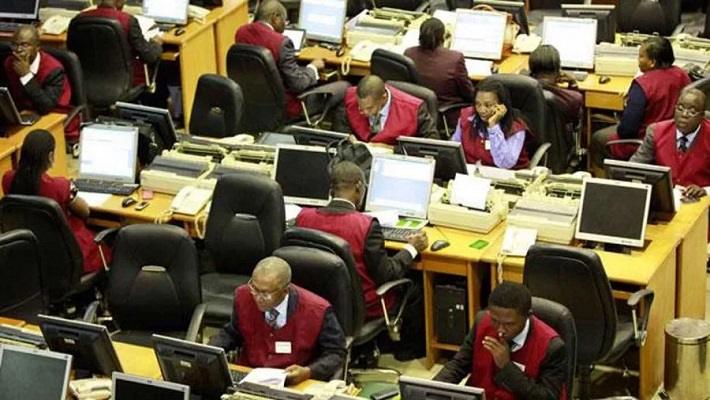
Due to robust corporate earnings reporting during the earnings season, the Nigerian stock market saw a notable rise of N1.736 trillion on Tuesday.

The gain is the second-highest on the exchange floor, following the largest single-day increase in market capitalization on Thursday, July 10, 2025, when the All-Share Index (ASI) jumped 2.01 percent, or 2,457.13 points, and the total market capitalization increased by about N1.76 trillion.

The All-Share Index ended the day at 137,912.87 points, up 2,746.36 basis points, or 2.03 percent. The market capitalization value as a whole also increased by N1.736 trillion, closing at N87.191 trillion.

Okomu Oil, MTN Nigeria Communications (MTNN), Beta Glass, Lafarge Africa, and Dangote Cement are major and medium-capitalized businesses whose price appreciation drove the market’s good performance.

The market breadth indicator of investor sentiment closed higher, with 51 stocks rising and 25 falling. The largest price increases were recorded by Haldane Mc­Call, Thomas Wyatt Nigeria, Learn Africa, and Berger Paints Nigeria, which closed at N34.10, N6.93, N3.19, and N4.73 per share, respectively.

Following with gains of 9.99 percent each, MTNN and Ellah Lakes closed at N451.60 and N9.80, respectively, while Academy Press saw a 9.96 percent increase, closing at N11.26 per share.

Conversely, Vitafoam Nigeria closed at N79.10 a share, down 9.96 percent, while Abbey Mortgage Bank and Northern Nigeria Flour Mills (NNFM) led the losers’ list by 10 percent each, closing at N7.20 and N93.15, respectively.

At N37.65, Industrial & Medical Gases Nigeria (IMG) saw a 9.93% decline in share price, while International Breweries saw a 7.10% decline, closing at N15.05.

Read Also: NELFUND Boss Urges FG Partnership for Sustainable Student Loan Scheme

With 28,358 transactions, the overall amount of trade rose by 18.25% to 940.804 million units, worth N30.627 billion.

The activity chart was dominated by transactions involving 111.265 million shares of Fidelity Bank, which were for N2.335 billion. After that, the Royal Exchange exchanged 74.075 million shares worth N110.803 million, while Jaiz Bank traded 60.856 million shares worth N238.186 million.

38.281 million shares for N28.833 million were exchanged by Universal Insurance, and 36.813 million shares worth N1.006 billion were traded by Access Holdings.

Afrinvest Limited stated, “We expect the market to sustain its upward trajectory as major players’ earnings releases ignite fresh buying opportunities.”

NELFUND Boss Urges FG Partnership for Sustainable Student Loan Scheme

0

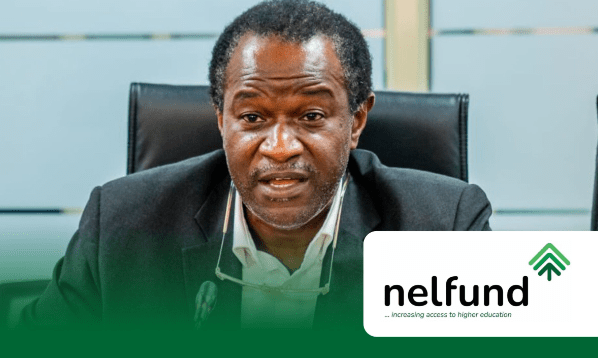
All Nigerians, regardless of their political views, have been urged by Mr. Akintunde Sawyerr, Managing Director of the Nigerian Education Loan Fund (NELFUND), to make sure that the student loans that President Bola Tinubu started in 2024 are sustainable.

The government, he added, was committed to making sure that student loans would become a legacy program that would endure beyond the current generation and serve as a means of promoting inclusive growth and national development.

According to a statement released by the organization’s media consultant on Tuesday, Sawyerr made the comment when speaking with the media in Abuja.

He reaffirmed the administration’s commitment to the long-term viability of the interest-free student loan program for Nigerian students enrolled in postsecondary institutions and those wishing to continue their studies.

Reiterating that Tinubu was dedicated to making sure the program got off to a good start, continued to run smoothly, and remained sustainable, he pointed out that the initiative was more than just paying for education; it was a foundation of transformation for the nation.

As Nigerians, we are all aware of how far behind this nation is in a lot of areas, he said. Given the potential we possess, this shouldn’t be. This is a program that ought to be supported, in my opinion, if we as Nigerians truly love our nation, regardless of which party or group we belong to.

He urged the collaboration of private sector companies, generous donors, philanthropists, and people who had faith in Nigeria’s greatness and future, saying that the government shouldn’t be left to handle all of the financial burden of an important program like the loan scheme.

He urged the media to keep up its effective watchdog role while reassuring them that NELFUND, under his direction, was steadfastly dedicated to the highest moral standards, business integrity, accountability, and transparency in the administration of the student loan program.

Additionally, Sawyerr reaffirmed his team’s dedication to fostering greater public trust and confidence in the loan program, saying that the choice to post loan data on the NELFUND website every day was made with purpose and thoughtfulness to allow for public review and to reassure potential private partners about the security and prudent use of their funding.

He also revealed that, in keeping with the Federal Government’s reinvigorated initiatives to promote employment and skill development, NELFUND had broadened its scope to include students enrolled in technical and vocational training institutes.

Read Also: Farewell to a Royal Icon: Oba Sikiru Kayode Adetona

He stated that the agency was collaborating with the National Board for Technical Education (NBTE), National Board for Business and Technical Education (NBBTE), and Federal Ministry of Education to guarantee the effective execution of the Technical and Vocational Education and Training (TVET) program, which was recently introduced by the Federal Government.

In order to support government efforts to expedite the training of technical and vocational workers required to promote national growth and development, NELFUND would be able to construct certain skill programs thanks to the synergy among the necessary agencies, he noted.

He said, “We broadened our framework to encompass students in technical and vocational training institutions, in line with our national employment and skills development objectives.”

The head of NELFUND addressed the situation of graduates who might not find employment two years after completing the mandatory National Youth Service Corp (NYSC), explaining that they were not required to start repaying their loans until they were employed. However, they were required to submit a sworn court affidavit to NELFUND at least every three months to inform them of their status.

A centralized job portal that connects loan recipients with potential employers in the public and private sectors in Nigeria and abroad will be developed and put into use in 2026, according to a statement made by Dr. Oluwafemi Akinfala, Executive Director, Finance and Administration, NELFUND.

Farewell to a Royal Icon: Oba Sikiru Kayode Adetona

0

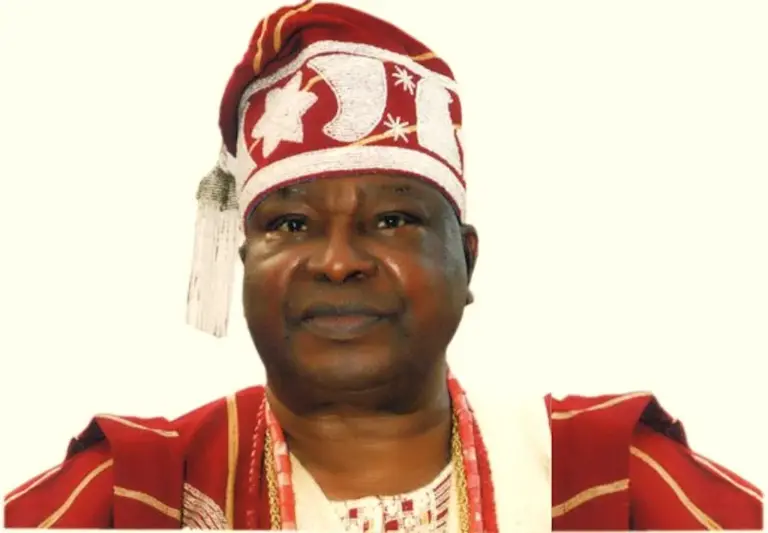
Sunday, July 13, 2025, was a day to remember in Nigeria. The 91st birthday of Nobel laureate Professor Wole Soyinka fell on that day. Unfortunately, Oba (Dr.) Sikiru Kayode Adetona, the Awujale of Ijebuland, and former President Muhammadu Buhari also paid down the debt of nature on that day.

Awujale Adetona was remarkable in a number of ways. His father, Prince Rufai Adeleke, was ready to become king, but he gave the throne to his son instead, who ruled the Ijebu kingdom for 65 years after ascending to the throne just one month before his 26th birthday.

In every aspect of his appearance, demeanor, speech, and behavior, he was royalty. He was honest in all of his statements, had faith in his own judgment, and followed his convictions. Not even a threat to his life could make him change his mind; he would never back down.

That much was demonstrated in a remarkable confrontation with General Sani Abacha, the autocrat who controlled Nigeria with an iron grip, following the brutal annulment of the country’s most free and fair presidential election by military President Ibrahim Babangida’s government.

Awujale Adetona believed that giving Bashorun MKO Abiola, who had won the election handily, control of the government—even if he led an interim government—was the only option to break the political impasse that the military had established.

At his palace in Ijebu Ode, he arranged secret, occasionally public gatherings of opposition politicians, civil society activists, and other Abiola supporters. He was dubbed Oba NADECO, or monarch of the National Democratic Coalition, as a result.

When General Abacha placed Lieutenant General Oladipo Diya, his deputy, in the gulag for a fictitious coup and appeared determined to execute him and others, Awujale Adetona publicly denounced the injustice.

One of his subjects, Ogun State Governor Bisi Onabanjo, was upset with the Awujale during the Second Republic and wanted to have him removed in order to make amends. Nevertheless, he firmly stood up, defended his rights, and denounced the persecution that he believed was unjustified.

Fortunately for him, the coup that turned Major General Muhammadu Buhari into a military head of state cost him his seat. Colonel Oladipo Diya, who was then serving as the military governor of Ogun State, read the riot act to Ijebu Ode natives who had supported former governor Onabanjo, who was then imprisoned in Gen. Buhari’s gulag.

Awujale Adetona consistently demonstrated distinctive radical and progressive qualities throughout his public career. He was able to successfully combine the modern and the ancient by bringing new concepts to perform roles and behaviors that had been practiced for centuries.

As part of the celebration of an improved Oju­de Oba Carnival, he led his people to construct an ultramodern palace and revive and introduce the Regberegbe age grade. This carnival matched the scale, glamour, and steeze of the Rio Carnival in Brazil, the London Nothing Hill Carnival, and the New Orleans Mardi Gras.

He succeeded in convincing Segun Osoba, the former governor of Ogun State, to turn the old Public Works Department building across from the Aafin Awujale into the Ojude Oba Arena in order to provide room for more athletes. At the Ojude Oba Carnival, however, the venue is getting smaller in comparison to the enormous throng.

Read Also: NNPC CEO Promotes Africa-Wide Refining Strategy to Boost Energy Security

He reorganized the group of Ijebu titleholders into three groups: the Council of Chiefs, for chiefs; the Council of Otunba, for Otunbas; and the Ijebu Traditional Council, for kings. To improve their villages’ standing, he made several “Baales” into crowned kings.

More significantly, he appointed talented people to those roles, even though he gave the relevant families the option to select candidates for family titles and attempted to advise them to choose deserving candidates.

He ceased taking part in the dance that signaled the entrance of Alagemo priests in Ijebu Ode for their festival, but some felt that he went a bit too far when he almost eliminated several ancient traditions due to his Islamic religious beliefs.

Allegations were made that he ceased to supply the necessary materials for the yearly Obirin Ojowu Festival celebration. Additionally, Egungun Masquerades became an uncommon and almost extinct festival in Ijebu Ode.

The pinnacle of his radical and progressive qualities was his ability to convince the State House of Assembly and Ogun State Governor Dapo Abiodun to pass a law allowing Ogun State kings to be buried in accordance with their religious beliefs rather than by traditionalists who are said to have hacked the bodies of deceased kings into pieces for ceremonial purposes.

We offer our condolences to the people of Ijebu Ode on the passing of Awujale Sikiru Kayode Adetona, a unique and forward-thinking monarch who had a profoundly noteworthy influence on Yorubaland’s kingdom system. Now, the query is, “Where does another Awujale in the color of the recently deceased come from?”

NNPC CEO Promotes Africa-Wide Refining Strategy to Boost Energy Security

0

A strong foundation for an independent refining ecosystem in Africa has been laid by the Nigeria National Petroleum Company Limited (NNPCl), which has reaffirmed its commitment to removing structural barriers.

Its Group Chief Executive Officer, Engr. Bayo Ojulari, revealed this at a keynote speech titled “Building an African Refinery Hub” at the Transcorp Hilton in Abuja, which was part of the Global Community Insights Conference on the West Africa Refined Fuel Market.

By means of strategic refinery review and repositioning, strategic equity in the Dangote Refinery, condensate potential, and assistance for other third-party projects, NNPC Ltd. may initiate Africa’s transition into a refining hub, he said.

“NNPC Ltd stands ready,” he added. willing to work together to develop, finance, and guide the establishment of an inclusive, robust, and internationally competitive African refining environment.

According to him, the establishment of a credible African reference market that ensures energy security, lessens reliance on imports, and fuels Africa’s industrial ambitions depends on infrastructure integration, indigenous ownership, and policy harmonization—all of which continue to be crucial forces behind downstream transformation.

Read Also: Africa’s Oil Dependency: 120 Million Tons Imported Each Year – Dangote

He also gave the Nigerian Midstream and Downstream Petroleum Regulatory Authority (NMDPRA) credit for planning the event and promoting the discussion that will help Africa achieve energy independence.

He urged the refining industry’s players to go from making promises to actually delivering them, from having national aspirations to carrying them out locally, and from fragmented development to fundamental change.

He declared: “Let’s construct a new backbone for Africa’s industrial age, not simply refineries. Let’s polish not just the rough but the continent’s future. Let us act in a way that reflects not only the requirements of the present but also the long-term goals of future generations.

Africa’s Oil Dependency: 120 Million Tons Imported Each Year – Dangote

0

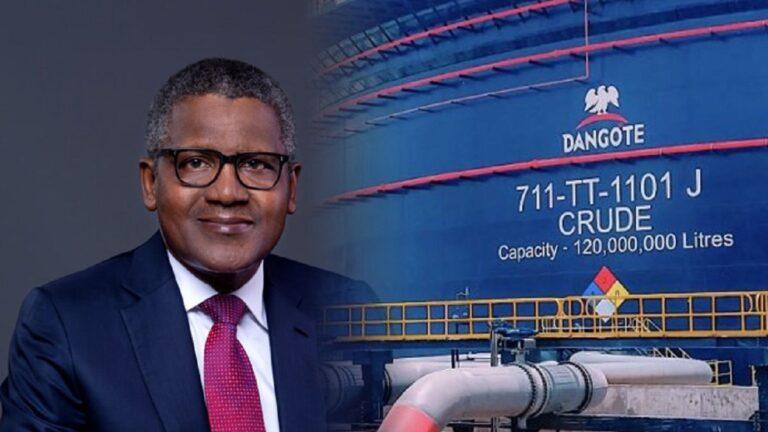
Aliko Dangote, president and chief executive of Dangote Industries low, stated that the continent imports more than 120 million tonnes of refined petroleum products a year at a cost of over $90 billion because of Africa’s low local refining capability.

The Nigerian Midstream and Downstream Petroleum Regulatory Authority (NMDPRA) and S&P Global Commodity Insights were the organizers of the recent West African Refined Fuel Conference, which he attended in Abuja.

Africa is quickly becoming a destination for inexpensive, frequently harmful petroleum products, he said, many of which are combined to subpar levels that would not be allowed in North America or Europe.

Thanking the Nigerian National Petroleum Company Limited (NNPC) management for allowing us to purchase some Nigerian crude cargoes from the beginning of production to the present, he disclosed that the company imports 9–10 million barrels of crude per month from the United States and other nations.

We purchase 9 to 10 million barrels of crude oil per month from the United States and other nations, he stated. I have to appreciate NNPC for providing us with certain cargoes of Nigerian crude from the beginning of production to the present.

Even while Africa produces around 7 million barrels of crude oil a day, he said, only about 40% of the continent’s 4.3 million barrels of processed goods are refined domestically. Europe and Asia, in comparison, refine more than 95 percent of their use.

Read Also: Outstanding Young Writers Rewarded by Keystone Bank in Poetry Contest

We therefore import more than 120 million tonnes of refined petroleum products annually, thereby exporting jobs and bringing poverty to our continent, even if we produce a plenty of crude. With excess refining capacity, those regions are capturing a $90 billion market opportunity. To give you an idea, only 15% of African nations have a GDP of more than $90 billion. He claimed, “Year after year, we are essentially giving away the economic potential of an entire continent to others.”

Dangote reiterated his support for free markets and global collaboration, stating that trade must be based on comparative advantage and economic efficiency rather than sacrificing standards of quality or safety.

He emphasized that “Africa exporting raw crude and then reimporting refined products—products we are more than capable of producing ourselves, closer to both source and consumption—defies logic and economic sense.”

The technological, commercial, and contextual obstacles that are specific to the African environment were among the many difficulties he emphasized.

According to him, constructing refineries like the Dangote Petroleum Refinery is one of the most logistically challenging and expensive industrial projects ever undertaken.

According to him, the Dangote refinery project needed to clear 2,735 hectares of land, 70% of which was swampy. This included pumping 65 million cubic meters of sand to stabilize the site and raise it by 1.5 meters, installing more than 250,000 foundation piles, and installing millions of meters of electrical, plumbing, and cabling.

At its height, we had approximately 67,000 individuals on the site, 50,000 of whom were Nigerians, working around the clock to coordinate across hundreds of different nationalities and disciplines. Then, of course, the COVID-19 pandemic struck, causing us to regress by two years and adding new levels of risk, complexity, and disruption. We persisted, though,” he said.

Additionally, because Nigerian ports were unable to accommodate the size and number of equipment needed for the refinery, a special harbor had to be built.

330 cranes, more than 2,500 pieces of heavy machinery, and even the construction of the biggest granite quarry in the world—which can produce 10 million tonnes annually—were all part of this.

He stated, “To put it briefly, we created an entire industrial ecosystem from the ground up, not just a refinery.”

The refinery’s technical achievement notwithstanding, Dangote recognized major business obstacles, especially those related to the sourcing of crude oil and exchange rates, which increased from N156/$ at the beginning to N1,600/$ at the end. Nigeria reportedly produces around 2 million barrels a day, but the refinery has had trouble obtaining oil on favorable terms.

“We had to bargain with foreign trading companies that were purchasing Nigerian crude and reselling it to us—with significant premiums, of course—instead of purchasing crude oil directly from Nigerian producers at competitive terms.”

Bottlenecks in regulations and logistics have also had an impact. It is stated that port and regulatory fees make up 40% of the entire cost of freight and can occasionally be two-thirds the price of vessel chartering.

Because they are not subject to astronomical port fees, refiners in India, who buy crude oil from even more distant places, benefit from cheaper freight expenses than those of West Africa, Dangote stated.

Customers pay at the time of loading and at the point of discharge, making it more costly to load a domestic cargo of petroleum products from the Dangote Refinery at the moment, he noted. Conversely, they only pay at the point of discharge when they load from Lomé, a rival.

Outstanding Young Writers Rewarded by Keystone Bank in Poetry Contest

0

Keystone Bank Limited, a prominent provider of financial services, has honored nine exceptional Nigerian children from all throughout the nation in its “Kiddies” Poetry Competition, reaffirming its dedication to strengthening future generations.

In addition to encouraging children ages 4 to 12 to express themselves creatively, the competition, which had as its theme “The Future Leader of Nigeria,” aimed to develop early financial literacy through the bank’s flagship Future Account.

Read Also: Nasarawa Sheltering Benue Attackers? Gundu Challenges Governor Sule

Nine outstanding winners from Delta, Edo, Kaduna, Kano, Lagos, Owerri, and Abuja were recognized across three age groups: 4–6, 7–9, and 10–12 years old. The project attracted remarkable involvement from children across the country, according to a statement from the bank.

For first place, each age group received a N300,000 cash prize; for second place, N200,000; and for third place, N100,000. The awardees received recognition for their inventiveness, courage, and powerful poetic visions of leadership.

Speaking during the prize presentation ceremony, Mrs. Nnenna Anyim-Okoro, Executive Director, South & Corporate Bank, Keystone Bank, emphasized the bank’s dedication to developing the next generation of Nigerian leaders and promoting national development through early engagement.

At Keystone Bank, we think that investing in our children’s minds is the most effective investment we can make, she said.

“These young poets’ audacity, lucidity, and genius are proof of Nigeria’s limitless ability. They were not just rhyming. They envisioned, they pushed, and they motivated.

“This competition is about inspiring a generational mindset based on creativity, leadership, and accountability; it’s not just about poetry. Throughout this nation, Keystone Bank will remain a cornerstone for empowering the next generation.

“The poems that were submitted were of astounding quality and depth. With the assurance of leaders, the passion of idealists, and the foresight of reformers, these youthful voices spoke. She continued, “We are honored to support their journeys.

Nasarawa Sheltering Benue Attackers? Gundu Challenges Governor Sule

0

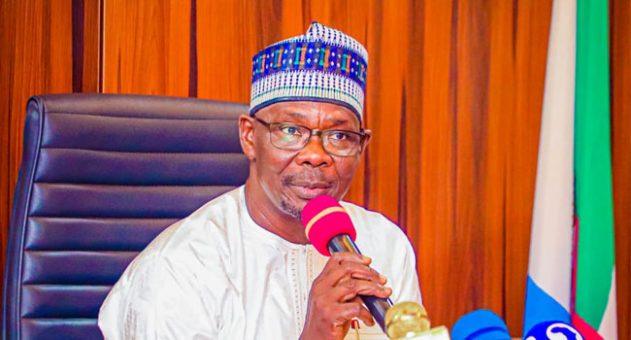
The Vice Chancellor of the University of Mkar in Gboko, Benue State, Prof. Zacharys Gundu, stated that he was not ready to apologize to Abdullahi Sule, the governor of Nasarawa State, for claiming that armed men, including herdsmen, were using Nasarawa as a base of operations to attack Benue.

Governor Sule, through his attorney, Senior Advocate of Nigeria (SAN) Ahmed Raji and Company, demanded that Prof. Gundu apologize to him for his statement within seven days or face legal repercussions. Prof. Gundu responded by making the declaration.

Counsel to the Nasarawa State Governor, Raji, SAN, had previously demanded a retraction in a letter dated July 22, 2025, written to Governor Sule and Professor Gundu. The letter stated that he would be reassured if the University apologized unconditionally to him in at least five national dailies.

A law professor, Prof. Sebastine Hon., SAN, who also serves as Prof. Gundu’s counsel, responded to the letter by emphasizing that his client would not, under any pretense, apologize to Governor Sule.

Prof. Hon. claimed that his client, Gundu, stated the truth and provided evidence to back up his claims in a letter dated July 28, 2025, sent to Raji and made accessible to Makurdi’s Daily Independent on Monday.

In order to ensure that his client would not distance himself from the “accusation,” he advised the counsel to Governor Sule to advise his client appropriately.

In the letter, Prof. Sebastine Hon., SAN, expressed his disapproval of Governor Sule’s contradictory statements regarding the attacks. He stated that at one point, he would claim that there was a “influx” of terrorists and herdsmen in Nasarawa, but at any given time, he would claim that there were only a “few.”

“Your letter on the above subject matter, dated 22 July 2025, refers,” he stated. For Professor Zacharys Anger Gundu, we have been hired as his solicitors. In response to your letter dated July 22, 2025, we are writing this on his behalf.

“Our client instructed us that he just said the truth and nothing else. In particular, he is depending on the defenses of justification and fair remark, among others that are at his disposal.

To be clear, the following information is unquestionable: As the Governor of Nasarawa State, our client addressed your client as such, referring to him as the state’s chief security officer. For this reason, our client referred to “Governors” often, including Hyacinth Alia, the current governor of Benue State (albeit her name was not specifically mentioned) and Al-Makura, the previous governor of Nasarawa State.

“To further demonstrate that your client is not exempt from our client’s charges, your client told Channels TV in June 2025, following the recent Yelwata massacre, that Nasarawa State could not have been harboring the numerous murderers who travel to Benue in order to kill, maim, and then return to Nasarawa because the state only has a small number of Fulani herdsmen.”

This is in stark contrast to his well-known claim that “an influx of Fulani herdsmen and Boko Haram members is occurring in Nasarawa State.” According to the Daily Post on June 27, 2025, your client also brazenly told this astounding untruth that day:
The vocabulary used to describe harboring and similar phenomena is problematic because there is no such thing. Not even enough Fulanis live in Nasarawa State for us to conclude that the state is harboring anyone.

Regarding the harboring of armed bandits in Nasarawa State: As our client mentioned at that public appearance, Tanko Al-Makura, your client’s predecessor, previously asserted that the bandits going out of and into Nasarawa State were “hunters,” despite the fact that the state has neither hunting forests nor ranges.

The “influx” of deadly bandits into Nasarawa State has been a constant source of concern for your client, Governor Sule, between 2020 and 2025.

We question why there has been such a dramatic change in public opinion from someone who has been claiming for at least the last five years that there has been a steady “influx” of Boko Haram members and armed Fulani herdsmen into that same state. Please ask your client if, since declaring this “influx,” he has also declared the “expulsion” or “voluntary migration” of those criminal elements from Nasarawa State.

The amount of proof our client has to prove beyond a reasonable doubt that the murderous Fulani herdsmen who attack Benue State on multiple fronts are always housed in Nasarawa State by the state’s successive governors, including your client, will astound your client, Prof. Hon. added.

“When we meet with you in court, we will release all of those pieces of evidence; however, the following facts are irrefutable and unquestionable,” he said.

Furthermore, according to the information at his disposal, our client maintains his position on land grabbing, Prof. Hon. Additionally, our client took covert attempts to strengthen his position after reading your letter being answered online and as a result learned the following disturbing facts.

Read Also: How Wike is Waging a War Against Litter in Abuja

According to a recent news conference in Abuja, Tiv community leaders in the LGAs of Awe, Doma, Keana, and Obu in Nasarawa State, led by Jerry Aondo, SAN, claimed that your client has taken and continues to take huge tracts of land from Tiv people in Nasarawa State under a purported “agricultural mandate Why would anyone want to take over farmers’ farmlands under the pretense of a “agriculture mandate”?

“Your Client declared that “all lands in Nasarawa state belong to the state” in order to cover up the illegality of taking ancestral lands from Tiv indigenous in the state and giving them to invaders or some foreigners.

In a prompt and incisive response, civil rights activist and senior lawyer Dr. Monday Ubani, SAN, stated among other things in the Loyal Nigerian Lawyer of May 6, 2025, that your client’s proclamation “is legally incorrect, constitutionally flawed, and fundamentally misleading within the framework of Nigeria’s extant laws, particularly the Land Use Act of 1978.”

17 (17) Tiv people from Nasarawa State have sued your client, various Nasarawa State government agencies, and the Nigerian Army in Suit No. NSD/LF 44/2025, seeking judicial relief against the forcible seizure of their ancestral farmlands, which span thousands of hectares. We will not be discussing this suit further because it is still pending. The court procedures in this suit should be available to you from your client, who has already made an appearance,” he said.

We could continue, but these are only a small portion of the evidence we have to show that your client, the chief security officer of Nasarawa State, has known for more than five (5) years that the state he oversees harbors land grabpers and murderers, and he has made no real attempts to stop or curtail this grave threat. We have made the decision to keep some of our weaponry hidden for clear reasons.

“In view of the aforementioned, we have the firm instructions of our Client to dismiss the demands made in your letter of July 22, 2025,” he summarized. Under no circumstances can our client meet those requirements.

He said, “We sincerely hope you will advise your client appropriately.”