Home Blog Page 2056

WHO and MPP Announce COVID-19 Technology’s First Transparent, Global, Non-Exclusive Licence

0

On Wednesday, the WHO’s COVID-19 Technology Access Pool (C-TAP) and the Medicines Patent Pool (MPP) finalized a licensing agreement for COVID-19 serological antibody technology with the Spanish National Research Council (CSIC).

The test effectively checks for the presence of anti-SARS-CoV-2 antibodies developed either in response to a COVID-19 infection or a vaccine, according to a WHO statement.

This is the first transparent, global, non-exclusive COVID-19 health tool license, as well as the first test license signed by MPP and included in the WHO Pool.

Read Also:  Nigeria Launches COVID-19 Vaccination Campaign

The license’s goal is to speed up the manufacturing and commercialization of CSIC’s COVID-19 serological test around the world. The agreement covers all related patents as well as the biological material required for the test’s production.

MPP and/or prospective licensees will receive all necessary know-how as well as training from CSIC. For low- and middle-income countries, the license will be royalty-free and will last until the last patent expires.

“This license demonstrates what we can accomplish when we put people at the center of our global and multilateral efforts,” said Carlos Alvarado Quesada, President of Costa Rica, C-founding TAP’s country.

“It demonstrates that solidarity and equitable access are possible, and that it is worthwhile to continue to support the C-principles TAP’s of transparency, inclusion, and non-exclusivity.”

“Costa Rica applauds the signing of this license and believes that, now more than ever, mechanisms like C-TAP can help us overcome the current situation while also benefiting future health crises.” I applaud the Spanish government and CSIC for standing together and prioritizing health as a global public good.”

Read Also:  NCDC says highly infectious Delta Covid-19, a dominant variant in Nigeria, urges people to get vaccines

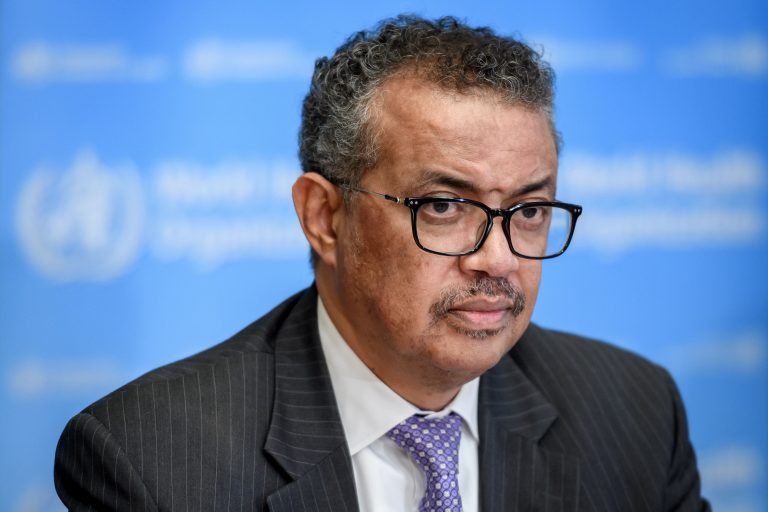
“I applaud CSIC, a public research institute, for its commitment to solidarity and for making their technology and know-how available to people all over the world,” said WHO Director-General Dr Tedros Adhanom Ghebreyesus.

“This is the kind of open, transparent license we need to move the needle on access during and after the pandemic,” says the author.

“I urge COVID-19 vaccine, treatment, and diagnostics developers to follow this lead and turn the tide on the pandemic, as well as the devastating global inequity that this pandemic has highlighted.”

“Our strong partnership with WHO and C-TAP partners was critical in negotiating this license, and I look forward to continuing our collaboration in the future, drawing on WHO’s expertise and guidance,” said Charles Gore, MPP’s Executive Director.

“It’s clear that MPP’s model can be applied to a variety of health technologies, and we’re excited to be signing our first C-TAP/MPP test license with CSIC.”
The president of CSIC, Dr. Rosa Menéndez, emphasized the importance of finding solutions so that technologies related to the COVID-19 pandemic, in particular, and health in general, reach all countries, including those in need.

“In this regard, we hope that CSIC’s participation in MPP and WHO’s international initiatives will serve as an example and a model for other research organizations around the world.”

To date, technology has yielded four different tests, one of which has the potential to distinguish the immune response of COVID-19 infected people from those who have been vaccinated. This should aid future research into immunity’s level and duration, as well as the effectiveness of the tools at our disposal.

Read Also  COVID-19: FG supports scientists improve their knowledge, skills on Research and Development

The tests are easy to use and can be used in any setting that has a basic laboratory infrastructure, such as rural areas in low- and middle-income countries. The reading can be done manually (by comparing the color of the wells to the color chart with the naked eye), but an ELISA reader is recommended for greater accuracy.

If the test is to be sold in low- and middle-income countries, promising performance data in the European population will need to be supplemented by the companies developing the technology.

 World Bank Urges Nigeria To End Fuel Subsidy In Six Months

0

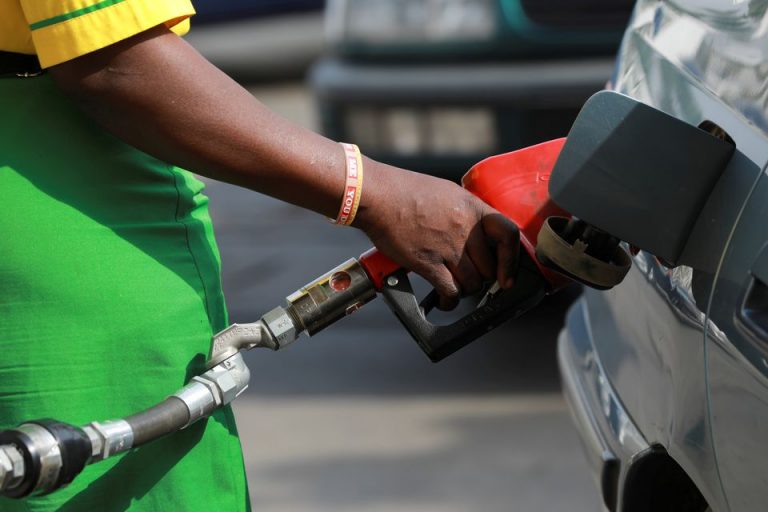
According to the report, the elimination of the subsidy must be accompanied by a “aggressive reform effort” that could contribute more to growth than a prolonged period of high oil prices.

According to the World Bank Update, the poorest 40% of Nigerians consume less than 3% of the country’s total available Premium Motor Spirit, with the wealthy benefiting more from the subsidies.

In November, the World Bank became the second international lender to advise Nigeria to remove the fuel subsidy. Nigeria must completely eliminate the subsidy by early 2022, according to the International Monetary Fund.

Read Also:  Buhari govt mulls paying Nigerians transport allowance after fuel subsidy removal in 2022

“Complete removal of regressive fuel and electricity subsidies, combined with adequate compensatory measures for the poor, is a near-term priority,” the IMF said in its preliminary findings following its official staff visit to the country under Article IV Mission.

In the first nine months of 2021, the federal government spent at least $2.1 billion on fuel subsidies (approximately N864 billion at N410 per dollar).

“Reducing inflation, improving exchange-rate management, and eliminating the PMS subsidy are all urgent priorities for the next three to six months…”

In a report, the World Bank stated that “improving infrastructure” is a priority.

‘A transport grant will be given to 40 million Nigerians.’

Fuel and electricity subsidies are not included in the spending plans for 2022, according to Minister of Finance, Budget, and National Planning Zainab Ahmed.

Ahmed, like the World Bank and the IMF, called the subsidies “retrogressive.”

After fuel subsidies are removed, poor Nigerians will receive N5,000 per month as a transportation grant, according to Ahmed.

Read Also:  Finance Minister Has Assured ASUU That Govt Is Ready To Pay Now – Lawmaker

According to the Minister, the Federal Government will phase out fuel subsidies by 2022 and provide a monthly transportation grant of N5,000 to the poorest Nigerians.

Ahmed, who also spoke at the World Bank’s Nigeria Development Update launch in Abuja, estimated that 30 to 40 million Nigerians, the country’s poorest, would benefit from the grant.

Ahmed also mentioned that the removal is scheduled for June 2022, but that he hoped it would be completed sooner to comply with the PIA.

The position of state governments

Malam Nasir El-Rufai, the governor of Kaduna State, says state governments are ready to assist the federal government in ending the fuel subsidy regime.

El-Rufai gave the assurance during a presentation of the World Bank Nigeria Development Update, November 2021 edition, titled “Time for Business Unusual,” on Tuesday in Abuja.

He stated that unless the fuel subsidy regime is abolished, 35 of the 36 states of the federation may be unable to pay salaries in 2022.

Read Also:  Nigerians can’t survive another four years under the APC, say PDP governors

According to him, kerosene, which is most important to the general public, has long been regulated, while diesel, which is most important to transporters, has also been regulated.

Transition management that is innovative

Fuel subsidies, according to Prof. Uche Uwaleke, Chairman of the Chartered Institute of Bankers of Nigeria (CIBN) Abuja branch, do not benefit the poor.

“The government’s dwindling revenue has been drained by fuel subsidies. These subsidies primarily benefit the wealthy, and they have become conduits for massive corruption over time,” he said.

“Considering what the government could have done with the huge amount that is sunk into subsidies annually,” he says, “the opportunity cost is high.”

“As a result, the call to eliminate fuel subsidies is appropriate. It will pave the way for more investments in the petroleum industry’s downstream sector, in line with the PIA,” he added.

He did say, however, that the federal government should provide strong palliatives.

“However, the government should be prepared to devise compensation schemes to mitigate the impact of the removal of the fuel subsidy on the Nigerian people.” In addition to the N5,000 cash transfer, the government should work out a deal with organized labor to provide mass transit vehicles.

Read Also:  Senate Gives Committee Today’s Deadline to Finish Budget Defense for Fiscal Year 2022 Appropriation Bill

Before implementation, this should be in place,” he advised.

Dr. Muda Yusuf, an economist and CEO of the Centre for Promotion of Private Enterprise (CPPE), has identified the need to manage the transition from the current pricing regime to a fully deregulated arrangement in a creative manner.

Yusuf, the immediate past Director-General of the Lagos Chamber of Commerce and Industry (LCCI), said it’s a tricky issue that could pose a serious challenge to the government if it’s not handled strategically.

The reality, he claims, is that public opinion is opposed to deregulation of petroleum product pricing or the elimination of petroleum subsidies.

“Surprisingly, some elites are not persuaded of the subsidy removal’s justification. The risk of a social and political backlash is high if the policy transition is not properly managed. There is no doubt a strong economic and business case for eliminating fuel subsidies, but the social and political contexts are equally important,” he said.

“Clearly, the subsidy is unsustainable, which is why there is a need to speed up engagement with relevant stakeholders in order to develop a policy transition strategy that is both sustainable and realistic.” “Not only should the conversation be economic, but also social and political,” he said.

He also stated that the proposal of direct cash transfers to vulnerable segments of the population is not a bad idea, but that the database’s credibility and inclusivity must be ensured.

Mr. Paul Alaje, Lead Economist and Enterprise Partner at SPM Professionals, also commented on the removal, saying, “I doubt the government’s ability to end the subsidy in Nigeria because of a number of factors.” The impact on disposable income is one of the factors.”

Read Also:  Nigerians Pleading With APC To Take Them Back To Pre-2015 Period —Shagari, Ex-Minister

According to him, successive governments in Nigeria have attempted to end subsidies, but have only been able to do so when the global price of crude drops. “In reality, the government finds it difficult to end the subsidy when global oil prices rise.”

“When we have one or two producers locally, the subsidy should be removed.” “At that point, subsidy elimination would make sense,” he said.

Benzema was given one-year suspended sentence over sex tape

0

Karim Benzema of Real Madrid was given a one-year suspended sentence by a French court on Wednesday for his role in attempting to blackmail his former France teammate Mathieu Valbuena with a sex tape.

Prosecutors had sought a harsher sentence for the 33-year-old player in connection with an extortion attempt in 2015, which resulted in Benzema’s five-and-a-half-year ban from the France team.

Benzema was not present in court in Versailles, a suburb of Paris, for the decision, which came just hours before Real Madrid’s Champions League match against Sheriff Tiraspol in Moldova.

His legal team immediately announced that they would file an appeal.

One of his lawyers, Sylvain Cormier, told reporters outside the courthouse that he was “quite stunned” by the ruling.

Read Also:EPL: Gary Neville dismisses Manchester United and Manchester City, naming a team that will be difficult to stop

The prosecution had requested a 10-month suspended sentence for Benzema, who was one of five people charged in connection with an affair that rocked the French national team.

Benzema missed his trial last month due to professional obligations.

The verdict is unlikely to have an impact on his career, with Noel Le Graet, the president of the French football federation, stating that he could keep his place in Les Bleus even if convicted, and Real Madrid expressing their support for their star player.

Benzema’s conviction, however, cast a pall over his stunning return to the national team after a years-long absence earlier this year.

Read Also:  Alphonso Davies Shows His Support For The Paralympic Team Made Up Of Refugees

Since being recalled by France manager Didier Deschamps for the Euro 2020 finals, which have been delayed by a year due to the coronavirus pandemic, Benzema has scored nine times, making him the fifth-highest scorer in the history of Les Bleus.

Niger govt raises the alarm over rise in Boko Haram camps within communities

0

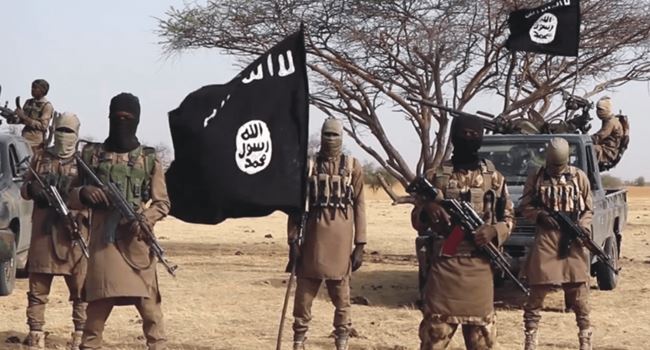
The Niger State Government raised an alarm on Tuesday about the Islamic State of West Africa Province (ISWAP) and Boko Haram terrorists establishing camps.

This was revealed by Ahmed Matane, the Secretary to the State Government (SSG), during a press conference in Minna, the state capital.

He decried the recent increase in bandit attacks on innocent residents, alleging that they were now collaborating with insurgents to exacerbate the state’s security situation.

Matane also revealed that bandits have joined forces with insurgents to indoctrinate residents in some Shiroro LGA communities to imbibe strict Islamic ideology and prohibit women from attending school.

Read Also:  In Borno, troops kill’scores of ISWAP terrorists’ destroy equipment

He named Koki, Madaka, Kurebe, Kusare, and Chukuba as some of the communities visited by the insurgents, where residents were promised protection but encouraged to engage in civil disobedience and reject western education.

“These people (Boko Haram) frequently visit communities to communicate with residents and assure them that they will not harm them, and they also join them during Friday congregational prayer to preach to them on the need to abandon western education and engage in civil disobedience.”

“These are some of Boko Haram’s characteristics,” he said, referring to the North East and the Sambisa Forest axis.

He went on to say that ISWAP fighters were also attempting to establish a permanent camp near the Kaiji National Park in Borgu LGA’s Babana Forest.

He claimed that insurgents, who have been spotted in communities bordering Nigeria and Benin Republic, have begun indoctrinating locals.

Read Also:  Nigerians can’t survive another four years under the APC, say PDP governors

“They also made a video claiming to be religious rather than kidnappers.” They claim to have been sent by God to establish an Islamic caliphate. We are not negotiating with them, despite their reconciliation,” he said.

Finance Minister Has Assured ASUU That Govt Is Ready To Pay Now – Lawmaker

0

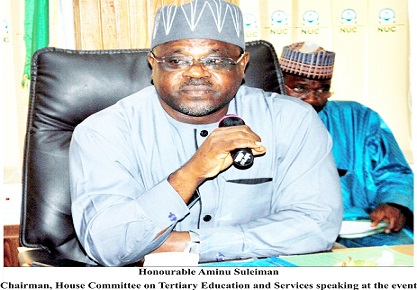
Aminu Suleiman, Chairman of the House Committee on Tertiary Education, has provided additional details on the agreement reached between the government and the Academic Staff Union of Universities (ASUU) in the wake of the impending strike.

It was mentioned that “N200 billion has been agreed upon, which will be paid in tranches, beginning with the payment of N30 billion,” the lawmaker said today on Friday. ASUU claimed that the government has not paid a kobo into the debt agreement two months after it was reached.

“That matter was looked into, and the government assured the public through the Minister of Finance that the government is prepared to pay right now.”

“They’re just waiting for ministry advice on how this money will be distributed and who will receive what,” he added.

Read Also:  Nigerians can’t survive another four years under the APC, say PDP governors

Suleiman’s remarks come just one day after ASUU and the Federal Government agreed to renegotiate their initial agreement on university revitalization.

The National Assembly’s Speaker, Femi Gbajabiamila, Minister of Finance, Zainab Ahmed, and Minister of State for Education, Chukwuemeka Nwajiuba, were all present at the meeting.

The meeting took place shortly after ASUU announced that it may go on strike again over unpaid benefits and university revitalization.

After Minister Nwajiuba said the current demand of 1.3 trillion naira is unrealistic, the renegotiation process is expected to start in a week.

Read Also:  Emefiele rules out further intervention loan forbearance extensions

The finance minister also promised that the issues of earned allowances and salary shortfalls would be resolved within one week.

Emefiele rules out further intervention loan forbearance extensions

0

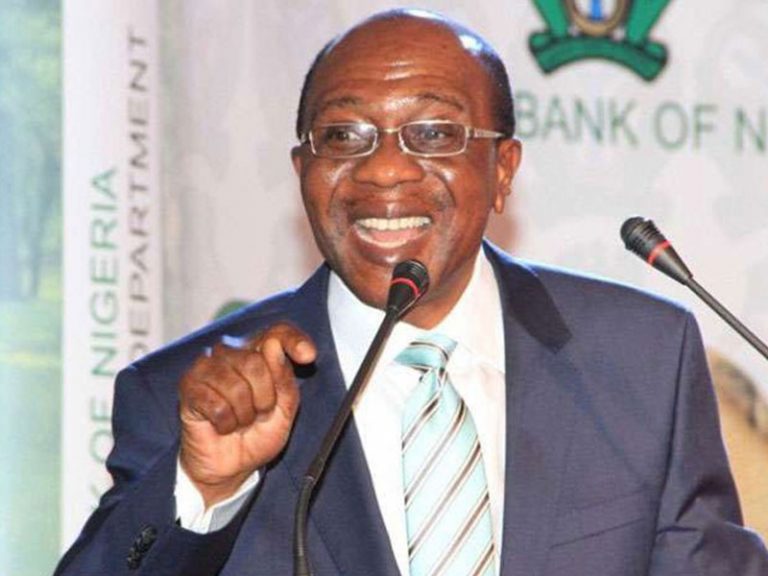
Mr. Godwin Emefiele, the Governor of the Central Bank of Nigeria (CBN), yesterday ruled out any further extension of the apex bank’s regulatory forbearance on its intervention facilities, which were established to mitigate the impact of the COVID-19 pandemic on companies and businesses.

He claims that the global economy has since opened up, with trade restrictions lifted and increased revenues for companies and businesses, necessitating the need for borrowers to begin repaying their loans.

While speaking to journalists after the two-day meeting of the CBN’s Monetary Policy Committee (MPC) in Abuja, Emefiele stated that he does not believe the forbearance program will result in loan default.

Read Also:  Nigerians can’t survive another four years under the APC, say PDP governors

This comes on the heels of the MPC’s decision yesterday to maintain all monetary policy parameters, including the Monetary Policy Rate (MPR), also known as the interest rate, at 11.5 percent, with an asymmetric corridor of +100/-700 basis points around it.

The MPR is the rate at which the Central Bank of Nigeria lends to commercial banks, and it is often used to determine the cost of borrowing in the economy.

The MPC also voted to keep the Cash Reserve Ratio (CRR) and Liquidity Ratio at 27.5 percent and 30 percent, respectively.

Emefiele said the current policy stance had so far supported growth and recovery, and he was pleased with the slowing of inflation, which had fallen for six months in a row.

The apex bank and other financial institutions had devised forbearance packages for businesses to help them weather the storm in an effort to mitigate the negative effects of the pandemic on Nigerians and businesses.

The restructuring of loan repayment plans, a moratorium, and the CBN lowering interest rates on all of its intervention programs to 5% from 9% until March 2022 were all part of the program.

Following threats posed by the Delta variant of the virus, the CBN had twice extended the moratorium.

Read Also:  Senate Gives Committee Today’s Deadline to Finish Budget Defense for Fiscal Year 2022 Appropriation Bill

However, as the forbearance period comes to an end in March of next year, the CBN governor urged businesses to resume loan repayments, citing improved economic activity.

“If you recall, from our perspective, we granted a forbearance regime in only two areas,” he said.

“One had to do with the fact that we said all loans to companies and businesses that are negatively impacted by COVID-19 should be given about two years; we started by saying one year, from 2020 to March 2021, and then we extended it by one year when the Delta strain of the pandemic continued in February 2021.” That gave it a two-year period that would end in March 2022.

“Another aspect had to do with the fact that we said we needed to reduce the interest rate from 9% to 5% for CBN interventions.” Indeed, because we knew that the negative effects of COVID-19 would result in a reduction in the revenue-generating capacity of businesses and companies, we allowed banks to allow their customers to request a restructure of their facilities as part of the intervention or forbearance. If it’s a two-year facility, it could be extended to four years to alleviate the cash flow burden on them.”

“And those were the periods when the global economy was locked down in unprecedented ways,” Emefiele continued. Without exception, all countries were put on lockdown. Travel was halted, and people were not permitted to leave their homes, which lasted for three to four months in Nigeria.

“Now, starting around September/October 2020, Nigeria began a process of easing the lockdown, despite the fact that the Delta strain reappeared around February/March 2021. We still believe that businesses should be able to exercise this patience.

“At this time, we believe that the global economy has opened up; the lockdowns have been lifted, and we know the economic damages and fatalities that have resulted as a result of that, and I am confident that not many countries, if any, will want to embark on a wholesome lockdown any longer in the midst of this pandemic.”

“In particular, because most countries are all administering vaccines that they believe will help to reduce the virus’s impact.”

Read Also:  NCDC says highly infectious Delta Covid-19, a dominant variant in Nigeria, urges people to get vaccines

“We believe that businesses/companies in Nigeria are back in business, that revenues have improved, and that if revenues have improved, then companies or businesses that took loans have improved as well.” If we assume that the loans for intervention facilities increased from five to nine, that the two-year moratorium expires in March 2022, and that the restructure from which you benefited remains, then we should expect companies to be able to repay their loans.

“As a result, we do not believe there will be an increase in NPLs.” Indeed, we have worked very hard to bring NPLs down from as high as 9% about two years ago to the current level of 5.3 percent, and we are pleased that we are aggressively working to bring NPLs down to the maximum threshold set by the CBN. So I don’t think there’s any reason for anyone to be concerned.”

Concerns about arbitrary transaction charges by banks were also addressed by the CBN governor, who urged bank customers to study the Guide to Bank Charges and challenge any discretionary deductions that do not follow the guide.

“Talking about bank charges, the CBN insists that consumers of bank services, in this case, customers, must insist, and indeed, if it’s not on the CBN website, I’m going to ask that we put it on our website- the Guide to Bank Charges- go read your guide to bank charges,” he said.

“You should not allow any bank to impose on your account any discretionary charges that are not listed in the bank charges guide.” As you deal with the bank, treat it as if it were your bible. Raise an alarm if you find any that aren’t consistent.

“We have a consumer protection department, and we have always advertised our hotlines and emails where you can always reach us,” he said. “There have been cases in the past where people have raised an alarm, and it has resulted in hundreds, if not billions, of naira being reverted back to customers’ accounts.”

Read Also:  Tambuwal claims that Nigeria will not require parochial or provincial leader in 2023

“So, if you’re being charged by a bank for transactions that didn’t happen or charges that aren’t inside or stated in the bank charges guide, you should ask the bank to reverse it because it’s not supposed to be there.”

However, Emefiele, who read the MPC’s communiqué, stated that the MPC was pleased that its previous policy actions had begun to yield positive results, citing the remarkable increase in GDP to 4.03 percent in Q3 2021 and the 6th consecutive month of inflation moderation to 15.99 percent in October 2021.

He stated that, given its level of confidence in the efficacy of its actions on macroeconomic variables, the MPC believes that, while tightening would help to aggressively rein in inflation, it would also raise the cost of funds and constrain output growth.

Loosening, on the other hand, will lower policy rates, relieve liquidity pressures, and stimulate additional credit creation, all of which will boost output growth, according to him.

“MPC also believes that loosening will widen the negative real interest rate gap and compound price distortions in the money markets, potentially fueling inflationary pressures,” he writes. In deciding whether to maintain its current policy stance, the MPC believes that the current monetary policy stance has aided the recovery of the economy and that it should be allowed to continue for a little longer to allow for consolidation in order to achieve the MPC mandate of price stability that is conducive to long-term growth. A hold stance, the Committee believes, will allow it to carefully assess the implications of the unfolding global development surrounding policy tapering and normalization by advanced economies.”

read Also:  Attacks/abductions: Senators from Zulum, Borno meet with the Defense Chief in Abuja

The Committee singled out the CBN’s Targeted Credit Facility (TCF) for its contribution to poverty alleviation at the grassroots, he said, adding that the MPC urged the bank to continue its support through the TCF to ensure that more people benefit from the program.

He also stated that, in light of the US Federal Reserve’s announcement to begin monetary policy normalization and central banks’ impending interest rate hikes in some advanced economies, the MPC urged the federal government to step up its efforts to pursue a counter-cyclical fiscal policy in light of the impending tightening of external financial conditions.

As a result, Committee members expressed concern that this group of economies’ gradual normalization of monetary policy would stifle the recovery of several emerging market and developing economies in the short to medium term due to the sharp reversal of capital flows.

The committee also assessed developments in China, including the recurrence of the pandemic, power outages, and a property market crisis, noting the potential impact on Nigeria as a major trading partner.

Read Also:  Tinubu Starts Reconciliation Process With Kwara APC Stakeholders

As a result, the committee urged the CBN to ensure that the necessary buffers are in place to protect the economy from the negative effects of these developments.

In general, members expressed confidence in the monetary and fiscal authorities’ current policies, which they saw as the cornerstone of the country’s current recovery and restoration of macroeconomic stability, and urged both to look beyond the current situation and plan for attracting long-term investment flows to Nigeria.

Investors are scrambling for the first bank shares, says CBN Governor.

In response to a question about the current situation at FirstBank Nigeria Limited, Emefiele said the financial institution was too important to be in a tussle for a majority stake.
Nigerians can’t survive another four years under the APC, say PDP governors

0

Nigerians cannot survive four more years under the ruling All Progressives Congress, according to governors of the Peoples Democratic Party (PDP) (APC).

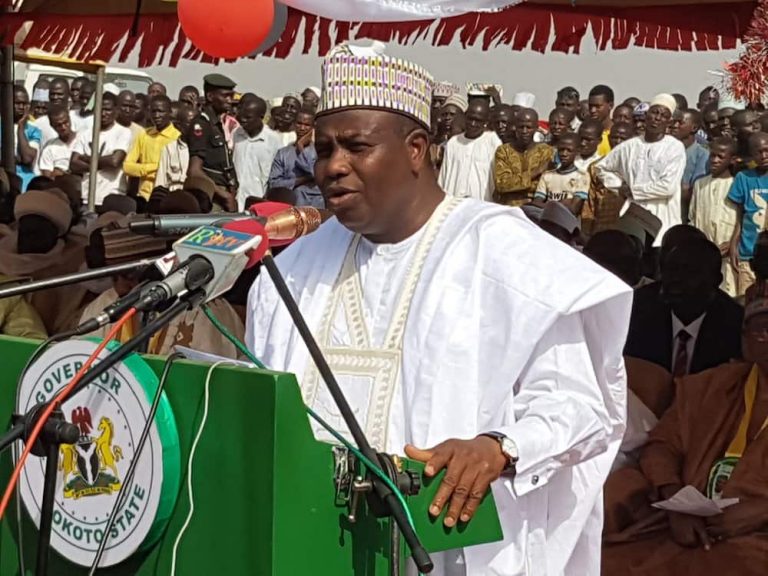
Aminu Tambuwal, Chairman of the PDP Governors Forum and Governor of Sokoto State, said this at the opening ceremony of the PDP National Retreat 2021, which is themed ‘It’s Time to Rescue and Rebuild Nigeria.’

Tambuwal stated that the PDP must plan to take power in 2023 because President Muhammadu Buhari’s administration has failed to take Nigeria to the heights expected by Nigerians in the last six years.

He claimed that the ruling APC had shown gross incompetence in managing the country’s fortunes.

He urged PDP leaders to think creatively rather than criticize in order to save Nigeria for good.

Read Also:  Nigerians Pleading With APC To Take Them Back To Pre-2015 Period —Shagari, Ex-Minister

He also stated that in order for Nigeria to survive, it must embrace restructuring.

“Will Nigeria be able to withstand another four years of APC rule?” The answer is a categorical no. It’s too terrifying to think about. We cannot afford to fail Nigerians because the PDP remains the only credible alternative to the APC. We must maintain hope. We’ve got this. “Yes, we can,” he said, quoting Obama.

Senator Iyorchia Ayu, the PDP’s National Chairman-elect, stated that Nigeria has been brutalized, robbed, and traumatized over the past six years.

He claimed that the wider party leadership’s retreat from across Nigeria was necessitated by Nigerians’ duty and expectations of them to rescue and rebuild a country that was already “in very deep trouble.”

Professor Jerry Gana, a former minister of information, gave an overview of the PDP’s highs and lows since its founding in 1998, urging party leaders and stakeholders to stay focused and forge a united front in the task of wresting power from the ruling APC in 2023.

Read Also:  PDP Umahi deputy begins legal battle over defection on November 24

PDP was crying for its political survival as a party, not the survival of Nigerians, according to APC Deputy National Publicity Secretary Yekini Nabena.

“The PDP is desperate for political survival, which is why its members have turned into scavengers and jumped ship to the APC. Because of their desire for power, the PDP will not be able to survive the next four years. Nigerians, on the other hand, will survive,” he said.

Iran Executes Man Arrested For Murder At Age 17

0

Despite appeals from rights groups such as Amnesty International, Iran executed a man who was arrested for murder at the age of 17 on Wednesday, according to the judiciary.

Read Also:  Iran blames Israel for assassination of nuclear scientist, vows to retaliate

According to the judiciary’s Mizan Online website, Arman Abdolali was executed at dawn in Rajai Shahr prison near Tehran, in accordance with the victim’s family’s demand for “qesas” eye-for-an-eye justice.

Aspirants Kick At Convention As Goves Push For Consensus

0

Governors who are members of the All Progressives Congress (APC) are pushing for the emergence of the National Working Committee (NWC) through consensus ahead of the party’s February convention, according to Daily Trust.

Atiku Bagudu, Governor of Kebbi State and Chairman of the Progressive Governors Forum (PGF), announced on Monday, following a meeting with President Muhammadu Buhari, that the party’s convention will be held in February.

Read Also:  Tinubu Starts Reconciliation Process With Kwara APC Stakeholders

On Sunday, the APC governors met in Abuja to discuss the convention in great detail. Following the scheming of 13 governors who are members of the party, the PDP held its convention last month, with the national chairman and other key positions emerging through consensus.

At the conclusion of the convention, a new NWC would be elected to lead the ruling party for the next four years.

Since Adams Oshiomhole’s ouster in June 2020, the party has been run by a caretaker committee chaired by Mai Mala Buni, the governor of Yobe State.

According to multiple party sources, the chairmanship and other key positions will be decided by consensus. Members of the State Working Committees (SWCs) were elected through consensus arrangements during the party’s recently concluded state congresses, causing a crisis in 12 states.

Read Also:  Fani-Kayode: I Was Never Arrested By The EFCC

According to one of the sources, a member of the Buni-committee, the governors are pushing for the consensus agreement to save the party from implosion.

“Hopefully, the chairman and others will emerge through consensus.” We don’t want any more crises leading up to the primaries. “Electing our chairman and others through a contest would exacerbate the challenges that our party is facing,” he said.

The issue of consensus, according to an aspirant for the chairmanship position who spoke with our correspondent on the condition of anonymity, should be dropped.

He believes that all contestants should be given a level playing field to compete on, and that the results should be announced at the convention.

Another party leader warned the leaders to be wary of the acrimony that would ensue if consensus was reached.

“In the recently held ward, local government, and state congresses, consensus failed to produce the desired results, as some governors and other APC bigwigs imposed their preferred candidates on the people. Our party will be doomed if we allow this to happen at the national level,” he said.

Governor Abubakar Badaru of Jigawa State explained why the convention was set for February on BBC Hausa Service yesterday.

“We considered holding the convention because it was scheduled for the end of December, and our colleagues in the southern states and Christians said it should be postponed to next year because it is their Christmas season,” he said.

Read Also:  Nigerians Pleading With APC To Take Them Back To Pre-2015 Period —Shagari, Ex-Minister

Senator Ali Modu Sheriff, a former governor of Borno State, has demanded that the chairmanship be assigned to the North East.

Sheriff, speaking through Sen Victor Lar, his campaign’s Director of Media, said the APC needs someone like him to jump right in and galvanize support for the party’s victory in 2023.

Uche Nwosu, the party’s governorship candidate in Imo State in the 2019 election, has warned the party’s leadership to reconcile all warring factions in states before holding its planned national convention.

Read Also:  Senate Gives Committee Today’s Deadline to Finish Budget Defense for Fiscal Year 2022 Appropriation Bill

In an interview with journalists in Abuja, Nwosu, the son-in-law of Rochas Okorocha, the former governor of Imo State, argued that holding the party’s convention in February without first resolving the crises plaguing some state chapters would be “putting the cart before the horse.”

Fani-Kayode: I Was Never Arrested By The EFCC

0

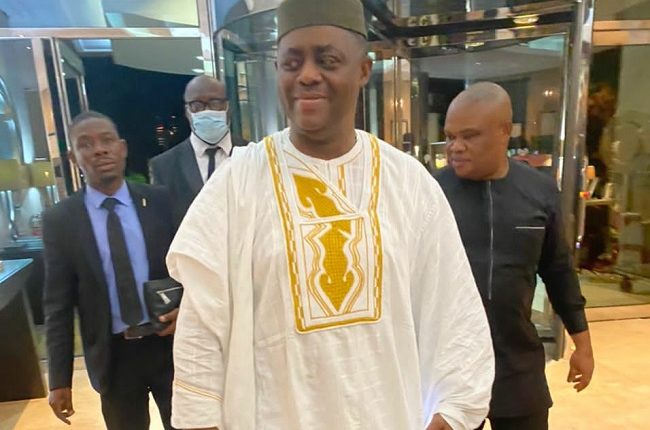
Femi Fani-Kayode, a former Minister of Aviation, has maintained that he was not detained by the Economic and Financial Crimes Commission (EFCC).

In a post on his verified Facebook page on Wednesday, the member of the All Progressives Congress (APC) claimed that he was only invited by the anti-graft agency.

“The EFCC never arrested me.” I accepted their invitation and flew down to Lagos to meet them. “I arrived at 2 p.m. and left at 8.30 p.m.,” the former minister said.

“I was released on self-recognition bail. They were courteous and professional. God be praised.”

Read Also:  Nigerians Pleading With APC To Take Them Back To Pre-2015 Period —Shagari, Ex-Minister

The former Peoples Democratic Party (PDP) chieftain’s statement came just hours after the EFCC confirmed that he was being investigated.

According to the agency, Fani-Kayode was questioned about allegations of forgery of a medical report, which he allegedly obtained in order to avoid his trial in a Federal High Court in Lagos.

He arrived at the EFCC’s Lagos office around 1 p.m. on Tuesday with his lawyer, but the commission said it would provide updates on his interrogation later.

Before Justice Daniel Osiagor of the Federal High Court in Lagos, Fani-Kayode is on trial for an alleged N4.6 billion fraud.

On 17 counts of conspiracy, money laundering, and fraud, he was charged alongside a former Minister of Finance, Nenadi Usman, and two others by the EFCC.

Read Also:  Nigerians Pleading With APC To Take Them Back To Pre-2015 Period —Shagari, Ex-Minister

The judge fined him N200,000 for failing to appear in court for his re-arraignment following the transfer of the former trial judge, Justice Rilwan Aikawa, during the last sitting on October 13.

He was given the option of paying the fine or having his bail revoked.