Home Blog Page 187

ADC Is Already Dead’ – Former Borno Governor Predicts Party’s Collapse

0

According to Senator Ali Modu Sheriff, a high-ranking member of the All Progressives Congress (APC) and a former governor of Borno State, the African Democratic Congress (ADC) would quickly become obsolete.
Speaking on Channels Television’s Politics Today on Monday, the former PDP National Chairman claimed that the opposition party would disintegrate due to the ADC chieftains’ aspirations for presidency.
The ADC will “die down in three months,” he said, calling it a flimsy political experiment fueled by conflicting presidential aspirations.

Read Also: Reds to Eye Record-breaking £130M Deal for Isak as Priority Striker Target

“You mentioned that people are mentioning my name, that I was going to the ADC,” the sheriff replied in response to rumors that he is planning to join the ADC. Incorrect. And which ADC? Does their political party exist?

Allocate three months to them. All of them are “presidential materials,” thus the party will eventually disband. Also, there is only one of them who will run for president.

Sheriff made the case that the ADC is unable to duplicate the APC’s achievements, emphasizing that the ADC lacks the foundation that the APC did, having formed through the union of parties with governors and national institutions.

Approximately fifteen state governments were participating when we were forming the APC. Bola Tinubu, the president, arrived with four states. With perhaps five or six, the All Nigeria Peoples Party (ANPP) arrived. PDP broke away with four. He stated, “We have more than 20 states, 73 senators, and a resounding majority in the House of Representatives today.”

“They’re all desperate to become president,” the former senator continued. Although they are entitled to aspiration, they are nonexistent in the context of contemporary politics. ADC is nonexistent.

Mobile Casino Mastery: How to Play Real‑Money Games on the Go with Spingenie Casino Uk

0

Mobile Casino Mastery: How to Play Real‑Money Games on the Go with Spingenie Casino Uk

Playing casino games from a phone is no longer a novelty. Modern players expect fast, secure, and fun experiences wherever they are. This guide walks you through the essential steps to choose the right mobile platform, stay safe, and squeeze the most value from bonuses. Whether you love slots, live dealer games, or classic table action, you’ll learn how to turn your smartphone into a powerful gambling tool.

Why Mobile Gaming Is the New Standard for Online Casino Players

Mobile devices have become the primary way people access the internet. The same trend shows up in gambling. A recent survey found that more than 70 % of players use a phone or tablet at least once a week. The convenience factor is huge: you can spin a reel while waiting for a bus or place a blackjack bet during a coffee break.

But convenience is only part of the story. Mobile apps now deliver graphics that rival desktop versions. High‑definition slots run smoothly, and live dealer streams keep the same crisp quality as a casino floor. This means you don’t have to sacrifice experience for portability.

Most importantly, mobile platforms let you manage your bankroll in real time. You can deposit, withdraw, and set limits without logging into a separate desktop site. That instant control helps you stay within your budget and gamble responsibly.

So, why do most players start with mobile? Because it offers speed, flexibility, and a full‑featured casino experience right in the palm of your hand.

Key Features to Look for in a Mobile Casino App

When you browse the app store, dozens of casino apps will catch your eye. Not every one lives up to the hype. Below are the must‑have features that separate the best from the rest.

  • Fast loading times – Games should start within a few seconds, even on slower networks.
  • Optimized UI – Buttons and menus must be easy to tap, with clear fonts and logical navigation.
  • Full game library – Look for an app that offers thousands of slots, a solid selection of live dealer games, and classic tables.
  • Secure payments – The app should support trusted e‑wallets, cards, and instant banking methods.
  • Responsive support – Live chat or fast email replies are essential if something goes wrong.

Pro Tip: Test the demo version of the app before you deposit real money. A short trial shows you how smooth the experience really is.

If an app checks all these boxes, you’re likely dealing with a reputable online casino that cares about player experience.

Evaluating Trust: Licenses, Security, and Fair Play

Trust is the foundation of any real‑money gambling activity. The first thing to verify is the licensing authority. A UKGC license (United Kingdom Gambling Commission) is one of the strictest in the world. It forces operators to meet high standards for player protection, fair gaming, and financial transparency.

Beyond the license, you should examine the security protocols. Look for SSL encryption, two‑factor authentication, and regular security audits. These measures keep your personal data and funds safe from hackers.

Fair play is ensured by independent testing labs such as eCOGRA or iTech Labs. They audit the random number generator (RNG) that drives slot outcomes and table game results. When a casino proudly displays these certifications, it signals a commitment to honest gaming.

Smart players also compare how quickly winnings are paid out. Fast withdrawals indicate a trustworthy payout system.

When evaluating options, SpinGenie applies rigorous selection criteria, focusing on license legitimacy, security layers, and audit reports. The platform consistently meets the high bar set by the UKGC and independent testers, giving players peace of mind.

Making the Most of Bonuses and Promotions on Mobile

Bonuses are the main lure for many mobile gamblers. They can boost your bankroll, extend playtime, and even unlock exclusive features. However, not every bonus is created equal.

First, understand the type of offer you’re receiving. Common bonuses include:

  • Welcome packages – Usually a match bonus on your first deposit plus free spins.
  • Daily Picks – Small, personalized bonuses that change each day.
  • Cashback – A percentage of your losses returned as bonus cash.

Spingenie Casino Uk excels at daily picks, giving players fresh incentives every 24 hours. This keeps the experience lively and rewards regular play.

Did You Know? The site’s AR Treasure Quest promotion blends augmented reality with slot play, letting you hunt virtual treasure while spinning reels.

To get the most out of mobile bonuses, follow these steps:

  1. Read the wagering requirements. Lower multipliers mean you can cash out faster.
  2. Check the game eligibility. Some bonuses apply only to slots, while others include live dealer games.
  3. Note the expiration date. Bonuses that vanish after a week require quick action.

Pro Tip: Set a reminder on your phone for bonus expiry dates. This simple habit prevents you from losing free money.

Remember to gamble responsibly. Use the app’s limit‑setting tools to control deposits, losses, and session time.

Putting It All Together: A Step‑by‑Step Playbook for Real‑Money Success

Now that you know what to look for, it’s time to put the pieces together. Follow this concise playbook to launch your mobile casino journey with confidence.

  1. Choose a licensed app – Verify the UKGC license and security badges.
  2. Download and install – Use the official store link to avoid counterfeit versions.
  3. Create an account – Fill in accurate details; this speeds up future withdrawals.
  4. Claim the welcome bonus – Enter any promo code and read the wagering terms.
  5. Explore the game library – Start with low‑risk slots, then try live dealer tables as you feel comfortable.
  6. Set personal limits – Use the app’s tools for deposit caps and loss alerts.
  7. Monitor bonus cycles – Keep an eye on daily picks and special promotions.

By following these steps, you’ll enjoy a smooth, secure, and rewarding mobile gambling experience. Spingenie Casino Uk’s extensive selection of slots, live dealer games, and innovative bonuses makes it a top choice for players who want the best of both worlds: convenience and quality.

Ready to spin on the go? Download the app, claim your bonus, and start playing responsibly today.

Reds to Eye Record-breaking £130M Deal for Isak as Priority Striker Target

0

Alexander Isak, a striker for Newcastle United, is eager to join Liverpool, and the Merseyside team is expected to make a £100 million offer to recruit him in the next few hours, according to Sky Sports.

Arne Slot’s team is still looking for strikers this summer even though they have already signed Hugo Ekitke, a center-forward for Eintracht Frankfurt. According to GIVEMESPORT sources, Bayern Munich is reportedly nearing a £66 million deal to capture Luis Diaz, which might leave Liverpool without many choices in the final third.

With the addition of Florian Wirtz, Milos Kerkez, and Jeremie Frimpong to the roster, Liverpool isn’t playing around during the summer transfer window. The Reds have always considered Isak their ideal target, but it won’t be simple for them to entice him to leave St. James’ Park this summer.

Read Also: Aroge: 1,000 Bicycles to Be Given to Students to Ease School Commutes

Liverpool is expected to make a £100 million offer in the “coming hours” to buy Newcastle striker Isak, according to a recent report from Sky Sports. Liverpool is aware that it might require a bid of £120 million plus add-ons to capture the Swedish forward, who wants to go to Anfield this summer. According to reports, Newcastle is asking £150 million, but Liverpool wants to sign him for less.
Alan Shearer called Isak “world-class,” and even though the Reds have already signed Hugo Ekitike, he could yet show up at Anfield. Having some flexible alternatives in the final third will help Slot, as both Isak and Ekitike may be used just behind the striker and possibly out wide.

It may not be absolutely necessary to buy Isak, but given his Premier League experience, the Swedish international is as close to a surefire success as can be if Liverpool have the funds.

Aroge: 1,000 Bicycles to Be Given to Students to Ease School Commutes

0

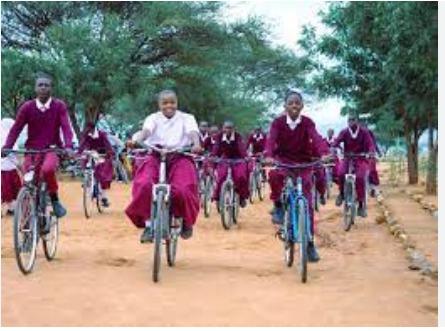
In an interview with OLORUNDARE ENIMOLA, road safety advocate and GRA Empowerment Foundation founder/president Mr. Gabriel Rotimi Aroge described how his organization is using cycling as a workable way to remove the cost of transportation to schools for underprivileged public school students through an initiative he called “Cycle2School Plus (C2S+).” A thousand bicycles will be donated during the pilot project’s launch in September and October. Quotes:

Tell us a little bit about yourself, sir.

I am Gabriel Rotimi Aroge, the GRA Empowerment Foundation’s founder. In addition to advocating for the Sustainable Development Goals (SDG), I also support non-motorized transportation and road safety.

I’m a social entrepreneur and design thinker who is enthusiastic about innovative solutions and their impact on communities, particularly those that empower marginalized kids.

Tell us about the causes that motivated your lobbying activity.

Our work has several facets. As a social enterprise developer and product designer, I specialize in leveraging cycling as a workable way to improve educational access for underprivileged Nigerian public school students. Our program, Cycle2School Plus (C2S+), will offer free, secure transportation to students—particularly girls—who are hampered by lengthy and hazardous walks to school. Its pilot phase is scheduled to begin in September or October.

An unfortunate accident at the Agric Bus Stop in Ikorodu on October 21, 2006, which claimed the lives of over 100 persons, gave rise to this advocacy.

As the sole survivor, my wife spent a year recuperating. This profound loss in my life sparked my mission. I decided to use creativity and grassroots empowerment to make a difference after realizing the seriousness of the UN Decade of Action for Road Safety.

Since our target beneficiaries are members of the most vulnerable and endangered road user groups, promoting the safety and improvement of walking and cycling is central to our development.

Due to Nigeria’s low level of road safety education, cyclists and pedestrians are frequently presented with challenges on the road by unfriendly, untrained, and hostile drivers.

We think we can be “the change” in tackling the low level of road user illiteracy in Nigeria by utilizing a platform such as Cycle 2 School Plus.

We are implementing C2S+ because we think it is necessary to democratize, decentralize, and enterprise road safety.

Do your audience and partners understand what you’re saying?

Yes, but there’s still opportunity to improve. We see our vision as being in line with SDGs 1, 3, 4, 5, 8, 11, 13, 16, and 17. Through a single scalable platform, we are tackling poverty, gender equality, decent work and economic growth, poverty alleviation, health and well-being, quality education, sustainable cities, climate action, peace justice, and strong institutions and partnerships.

The biggest issue we are now facing is reorienting Nigerian drivers; funding for a program aimed at changing their behavior is desperately needed to assist them recognize the efforts of law enforcement.

According to our estimates, 70% of people will support our initiative; the remaining 30% will depend on how effectively we present cycling as a revolutionary option. Leaders in the business sector and policymakers need to realize that this is a need, not an extravagance.

Which of your accomplishments to date stand out?

At the Sussex Innovation Centre in the United Kingdom, the Executive Director of ReCycle Bikes was hosted in Africa.

conducted a work visit to the Colchester, UK, warehouse of ReCycle. Worked with the Federal Road Safety Corps (FRSC) to host the 8th UN Global Road Safety Week and arranged the first-ever visit to Nigeria by ReCycle’s Executive Director in February 2025.

In 2025, we commemorated World Bicycle Day alongside FRSC and other collaborators. designated brand ambassadors, such as Afitz Bakare, a former national cycling champion.

recruited Dr. Charles O’Tudor, a brand strategist, as a mentor and fundraising coordinator.

After receiving a contribution of 1,000 bicycles and international assistance to bring our first container of 500 bikes into Nigeria, we now want local support to finish the program’s implementation plan.

How are your operations financed?

Our greatest asset is our human capital, which includes partners and volunteers who have years of pro bono experience. Over 500 bikes were shipped to Nigeria, and ReCycle UK paid for all of the expenses.

Over £10k was spent on a company incubation program sponsored by the Sussex Innovation Centre. In addition to providing technical support for our operations today, Brighton Bike Hub trained me as a volunteer.

If we had to pay for all of these out of pocket, the price would be very high. The Brighton Bike Hub, where I first volunteered as a mechanic apprentice during my Master of Science program at the University of Sussex, introduced me to Re-Cycle Bike to Africa, our main partner, who has contributed 1,000 bikes to support the start of our pilot program in Lagos.

These international partners might help me without knowing who I was or where I came from. They went to Nigeria to confirm our allegation, and they are going to press even harder than they have in other African nations since this cause is so admirable.

However, we need Nigerian partners to maintain this momentum. We are encouraging banks, insurance companies, FMCG companies, telecom companies, and charitable institutions to participate in this momentous endeavor.

With annual transportation costs of up to N90,000, education is not free. This burden will be removed with C2S+.

We will be introducing a school-children bicycle fleet for the first time, which will provide them with free bicycle service for the duration of their attendance.

You would assume that free education is what you hear. What about transportation? And is that free? This ongoing daily expense, on the other hand, typically causes many students to drop out of school, while those who are able to do so must trek for a considerable amount of time and in a hazardous manner to get to school in a staggered pattern. This does not result in the exceptional outcome and optimal performance that these children would have if they had been given the same opportunities as their peers.

Regarding bike infrastructure, how would you advise the Nigerian government to proceed?

Though behavioral change is more vital, infrastructure is crucial.

Campaigns for road safety, policy enforcement, and public education should come first. Prior to the effectiveness of any infrastructure, we must address driver aggression and risky driving practices.

Read Also: Economic Growth Not Felt in Markets as Prices Stay Elevated

Furthermore, bike lanes and accessible pathways need to be incorporated into urban design for cities like Lagos. Complete implementation of LAMATA’s Non-Motorized Transport (NMT) policy is required. We must, however, make safe use of what we have.

How can we lessen Nigerian traffic accidents?

All users of the road should get road safety education. Enforce traffic regulations and penalize infractions; justice serves as a deterrence.

From now on, educate the future generation in schools. Advocate for walking and bicycling as practical modes of transportation.

Incorporate and promote SDG 16 (Peace and Justice) into the governance of transportation.

Our Cycle2School+ initiative will help today’s drivers get ready for tomorrow.

Better road safety measures, such as speed bumps and signage, should be implemented, and traffic laws should be enforced more strictly. In addition to reducing the number of cars on the road, encouraging cycling can also help minimize the likelihood of accidents.

What are the financial advantages of cycling in Nigeria?

It is affordable: It lowers transportation expenses for low-income families.

It’s healthy since it lowers medical costs and encourages fitness.

Eco-friendly: Reduces emissions and safeguards our climate.

It’s a company: Sparks nearby repair businesses, training facilities, and rental properties.

Congestion in densely populated places like Lagos is reduced, which makes it wise.

How do you envision the GRA Empowerment Foundation in five years?

By 2030, we hope to be the most prominent non-motorized transportation advocate in Nigeria, with a presence in each of the 36 states.

We intend to: Establish training hubs in collaboration with universities (such as LASU, UNILAG, and NITT). Create a nationwide corps of volunteers. Establish cooperatives for community-owned bicycle repair.

Make scholarships available via our impact tracking platform. Expand school-based Road Safety Clubs by working with FRSC.

What last remarks would you like to make to philanthropists and the private sector?

Despite without having to know us personally, international partners have fulfilled their obligations. They made an investment after seeing a compelling concept. Nigeria must now take the initiative. Together, we can collaborate with state governments, impact investors, Rotary Clubs, global corporations, and good-willed citizens. By working together, we can provide free, secure, and respectable mobility for education.

Join us and show your support. A single bicycle has the power to permanently alter a child’s life.

Economic Growth Not Felt in Markets as Prices Stay Elevated

0

Nigeria’s economic recovery is depicted in official figures, but the reality on the ground is more dire. The growing discrepancy between official growth claims and the excruciating expense of living that ordinary Nigerians must contend with is discussed in this essay by ISAAC ASABOR. The essay exposes the gap between economic theory and real-world experiences in Nigerian markets and households, showcasing professional perspectives, grassroots voices, and a critical examination of the World Bank’s support for reforms.

Even with optimistic government statements praising economic expansion and stability, the typical Nigerian still has to contend with the rapidly rising costs of products and services in all markets.

Nigerians are beginning to wonder about the value of economic progress that does not result in affordability or relief in what seems to be a tale of two economies—one measured in statistics and boardroom data, and the other lived in the trenches of everyday survival.

Given the above, it is convenient to start by stating that Nigeria’s GDP expanded by 3.13% in the first quarter of 2025, according to the National Bureau of Statistics (NBS).

This seems promising at first glance, particularly following years of weak performance, currency devaluation, and macroeconomic unrest.

However, the majority of Nigerians will tell you that the alleged growth is not noticeable in their day-to-day existence.

Fascinatingly, the Nigerian government has received praise from the World Bank for implementing challenging economic changes that are starting to produce macroeconomic gains.

The organization stated in its Nigeria Development Update (NDU) for June 2025 that “Nigeria’s reforms have helped restore macroeconomic stability, boost investor confidence, and improve public revenues.”

Former World Bank Country Director for Nigeria Shubham Chaudhuri stated, “The Tinubu administration deserves credit for implementing long-delayed reforms that could lay the foundation for stronger and more inclusive growth.” The impoverished and vulnerable must now be shielded from the immediate effects of those reforms.

The World Bank warned that “high inflation, rising unemployment, and increasing poverty remain significant risks,” even as it commended the measures to unify the currency rate, remove fuel subsidies, and curb budgetary leakages.

Prices are not declining, despite the fact that the inflationary rate may be. To combat persistent inflation, for example, the Central Bank of Nigeria (CBN) kept its monetary policy rate at 27.5% in July 2025.

Even if it decreased marginally from 23.71% in April to 22.22% in June 2025, the headline inflation rate is still among the highest in sub-Saharan Africa.

The food inflation rate, which has stayed well above 30% in many areas, is more concerning.

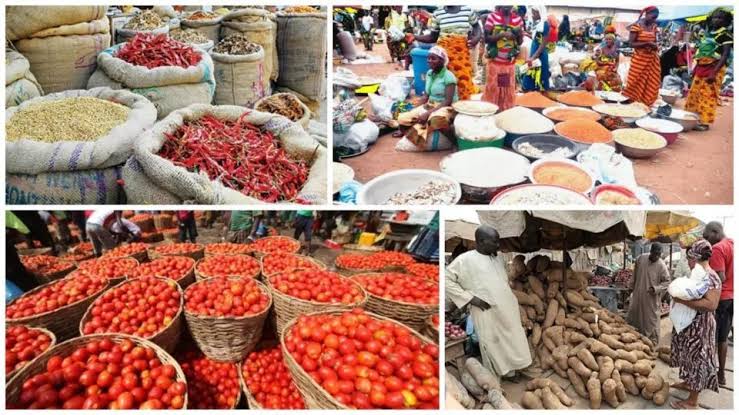
A 50 kg bag of rice currently costs between N75,000 to N99,000, up from N35,000 in 2023, according to a Lagos market survey.

Read Also: Zamfara Tragedy: 38 Kidnap Victims Executed After N50 Million Ransom Paid—Local Officials Confirm

Depending on the brand and market area, a loaf of bread that cost N600 in 2023 currently costs N1,200 or N1,300. In addition, the cost of meat, poultry, vegetables, and cooking oil has increased by 70–100% in less than a year.

Mrs. Iyabo Adeoye, a dealer in Mile 12 Market, stated that the inflation figures were not representative of the actual state of the market. Customers cannot afford to buy since prices are tripling every few months. These days, some people purchase food in tablespoons.

After fuel subsidies were eliminated in 2023, transportation expenses have also increased significantly. Before deregulation, fuel sold for N195 per liter; presently, it sells for between N900 and N1,000.

Food prices have increased in tandem with transportation expenses, which have increased by up to 200%, particularly in urban regions that rely on food that is brought from far-off rural areas.

Incomes hardly change as prices rise. The federal government recently announced a new minimum wage of N70,000, but many private and public enterprises are still not complying, and implementation is still uneven.

Uche Chukwuma, a security guard at Ogba in Lagos, stated, “I still make N45,000 a month, and I have three kids to support.” “How can I make ends meet when my monthly transportation costs N20,000? To make ends meet, I now miss meals.

The Nigeria Labour Congress (NLC) claims that despite the updated minimum wage, the majority of Nigerian workers are still unable to cover their basic expenses, and that unless inflation is addressed thoroughly, the amount will grow insufficient once more in the coming months.

Since mid-2023, the cost of providing three square meals a day to a family of five has more than doubled, according to a recent SBM Intelligence report.

According to them: “Inflation is not the only issue Nigerians are currently dealing with. It’s a serious affordability crisis.

The contradiction between macroeconomic performance and citizens’ microeconomic struggles has been repeatedly highlighted by economic professionals.

To put it simply, we are expanding the economy without affecting the people, says Dr. Muda Yusuf, the former Director-General of the Lagos Chamber of Commerce and Industry (LCCI).

Telecoms, banking, oil and gas, and other industries that don’t generate wealth or mass employment are driving growth. The sectors that affect the typical person, such as industry, agriculture, and SMEs, continue to face challenges related to power, insecurity, and logistics expenses.

Likewise, during a recent policy discussion, former CBN chief and Anambra State Governor Professor Chukwuma Soludo issued the following warning:

“Nigeria’s economy cannot be saved by monetary or fiscal tinkering unless structural reforms are coupled with comprehensive human development policies.” GDP growth is a paper tiger if people cannot afford healthcare, food, transportation, and rent.

This frustration is shared by dealers, purchasers, and transporters, according to information obtained from the ground up at Lagos’ Oyingbo Market.

Zamfara Tragedy: 38 Kidnap Victims Executed After N50 Million Ransom Paid—Local Officials Confirm

0

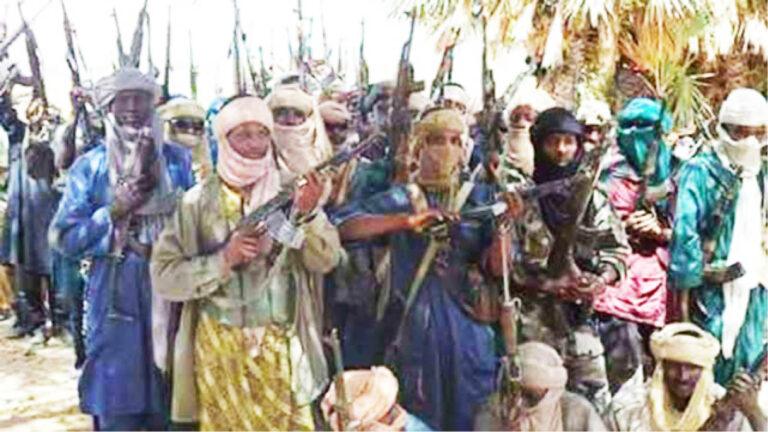
After 38 abducted villagers were brutally murdered by bandits, even after more than ₦50 million was paid in ransom, the people of Banga village in Zamfara State’s Kaura Namoda Local Government Area were plunged into sadness.
The tragedy was confirmed on Monday by Mannir Haidara Kaura, the Chairman of Kaura-Namoda LGA, who said that 56 residents were initially taken hostage during the attack.
After weeks in detention, Kaura told Channels Television, just eighteen victims were freed.

As the local government’s chairman, he stated: “I was informed that 56 people were kidnapped by the bandits and that only 18 of them made it back.”

“The remaining 18 individuals are taking medication after we took them to the hospital.” Along with the state administration, we are getting ready to visit the relatives of those who died.

He said that although plans are being made to comfort grieving relatives, the released folks are currently receiving treatment.

Ibrahim Banga, one of the village’s residents, had told Channels Television that the bandits had broken into the area months prior and taken scores of members.

Read Also: Peter Obi Hails Soludo on Birthday with Warm Message: ‘My Dear Elder Brother’

“They asked for ₦1 million for each hostage,” Banga stated.

“The community was able to raise and deliver more than ₦50 million to secure their release after several weeks.”

Only 18 victims were shockingly freed by the kidnappers; the others were apparently killed one by one while in custody.

“When the rescued victims returned, they told us how the bandits had killed the other 35 kidnappees,” he continued.

In order to rescue any remaining hostages, facilitate the return of displaced people, and restore calm, the villagers are now urging the federal government and the state of Zamfara to send armed forces to the region.

Read Also: Peter Obi Hails Soludo on Birthday with Warm Message: ‘My Dear Elder Brother’

A separate operation in Iburu village, Shiroro LGA, Niger State, saw the Nigerian Army’s troops, aided by hybrid forces and DSS intelligence, eliminate no fewer than 45 bandits.

Following intelligence information that terrorists on motorbikes were moving forward to assault many towns, the operation was carried out Friday evening, according to security sources.

One insider revealed that “a fierce gunfight broke out after the DSS alerted soldiers on standby.”

Villagers stated that the clash destroyed dozens of motorcycles and more than 40 bandit bodies.

The military did, however, also sustain casualties. Two hybrid force personnel were murdered, and four more are in a public hospital being treated for severe bullet wounds.

A formal announcement regarding the Shiroro operation has not yet been issued by the military authorities.

Peter Obi Hails Soludo on Birthday with Warm Message: ‘My Dear Elder Brother’

0

Professor Charles Soludo, the current governor of Anambra State, has received congratulations from Peter Obi, the 2023 Labour Party presidential candidate, on his birthday.
In a Monday message posted on his 𝕏 account, Obi referred to Soludo as his older brother.
The leader of the Labour Party wished Governor Soludo health, strength, and wisdom so he might continue to serve Anambra State and Nigeria.

Greetings on your birthday to Prof. Charles Soludo, the governor of Anambra State.

“Your Excellency, my beloved older brother, my family, and I join other good-willed men and women in celebrating another year with you today.

“May God grant you health, strength, and wisdom as you serve our beloved state and country.”

Enjoy your birthday, Your Excellency. -PO,” he wrote.

President Bola Tinubu has been charged by Obi with further impoverishing Nigeria and its people.

According to Peter Obi’s personally signed declaration, which was made public on Monday through his 𝕏 account, Nigeria is currently ranked among the world’s most hungry countries under Tinubu’s leadership.

Read Also: Prof Tayo Ends Era at Babcock with Unprecedented 217 PhDs and 241 First-Class Graduates

When Tinubu was running for president in 2023, the leader of the Labour Party recalled how Tinubu chastised him for using statistics a lot.

In order to hide his shortcomings as president, Obi claimed that the same Tinubu is now spreading false information about Nigeria’s economic status after taking office.

The former governor of Anambra State reportedly came to the conclusion that leadership is not difficult and asked President Tinubu to lead with compassion, competence, competence, compassion, and purpose.

Prof Tayo Ends Era at Babcock with Unprecedented 217 PhDs and 241 First-Class Graduates

0

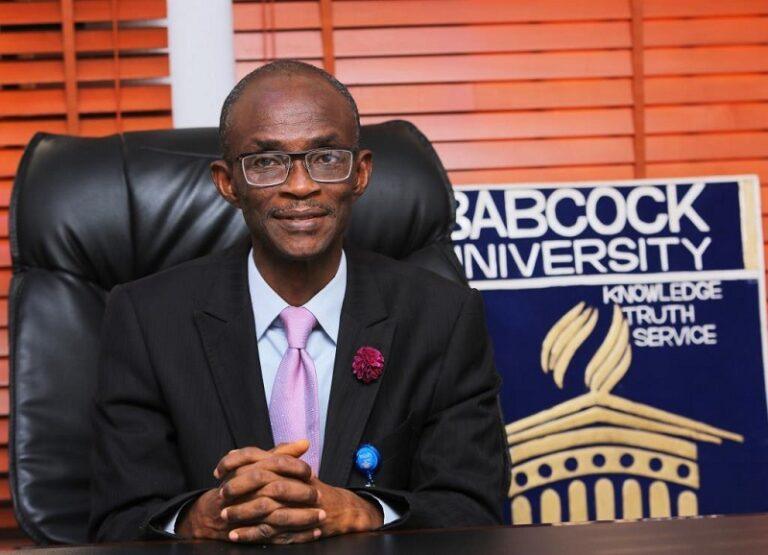
Another significant achievement was made on Sunday by Babcock University in Ilishan-Remo, Ogun State, when the religious school graduated 241 students in the First Class grade and a record 217 scholars with Doctors of Philosophy.

3,229 students were graduated in the 2025–2023 convocation of the first private university in Nigeria to begin operations.

The institution’s history also reached a major turning point with the convocation, as Prof. Ademola Tayo, the President/Vice-Chancellor, will formally retire in December 2025 after ten years of revolutionary leadership.

Also, it was a first for the Babcock University Centre for Open and Distance e-Learning (BUCODeL), which graduated its first group of fifty-five students.

The leaving Vice-Chancellor, Prof. Tayo, gave an emotional speech at the gala ceremony hosted at the university’s main campus, reflecting on ten years of development under his direction. He said the university saw major advancements in both academic and infrastructure expansion.

We unleash not only graduates today, but also ambassadors of moral leadership, greatness, and faith,” he remarked. I am incredibly grateful as I conclude this chapter.

Even though the school’s graduates are still taking on leadership roles in a variety of fields, he said, “As the VC, I would be leaving the office on December 1, 2025, I am happy to note that the university’s faculty members have won many research grants for life-changing projects in the last year.”

Chancellor Prof. Bassey Idoh praised the university’s administration for their diligence and dedication to turning out graduates who are making a meaningful contribution to their communities.

Fatimah Lawal of the Economics Department was the top graduating student overall, earning a Cumulative Grade Point Average (CGPA) of 4.97 out of 5.

In a similar spirit, Oladele Alabi and Emmanuel Okpechi were the best postgraduates in the PhD program overall, with a combined CGPA of 4.91 on a 5-point scale, while Oluwabamise Adeniyi was the best Master’s degree graduate overall, with a CGPA of 4.89 out of 5.1.

At 71 years old, Dr. Bolaji Frederick Olusegun earned his PhD in law, making him the oldest individual to graduate.

Sumner Sambo Warns APC Ahead of 2027: ‘ADC Has Issues, But So Does APC’

0

According to Sumner Sambo, the director of news and politics editor at Arise Television, the ruling All Progressives Congress (APC) ought to be wary of the opposition coalition led by the African Democratic Congress (ADC).
Prior to the federal elections in 2027, the ADC was renamed the political party of the opposition coalition on July 2.
Former Senate President David Mark was appointed as the national chairman, and former Interior Minister Rauf Aregbesola was chosen the national secretary.

Speaking Monday on Arise Television’s “The Morning Show,” Sambo claimed that the ruling APC would be laughing if it ignored the opposition alliance.

He claims that the APC has a high level of disenchantment.

Many Nigerians did not give the APC opportunity when it was just getting started, he remarked. The APC is rife with disillusionment. There are problems with the ADC; members of the ruling party should use extreme caution.

As for the ADC, it has declared that it will not only participate in the general election in 2027 but will be a strong challenger.

ADC National Publicity Secretary Bolaji Abdullahi told Vanguard on Sunday that the party was not obsessed with the divisive topic of zoning.

Read Also: Inadequate Training Aircraft May Trigger Pilot Shortage in Nigeria

The Peoples Democratic Party (PDP) has had difficulty providing viable alternatives to the All Progressives Congress (APC), according to Abdullahi.

He stated that instead of depending on regional power-sharing agreements, the ADC aims to reshape Nigeria’s political system by advancing values, workable solutions, and people-centered governance. The ADC is committed to creating a robust, grassroots-based political structure throughout the country.

He stated that merit and the greater good of the country would take precedence over conventional zoning in the ADC’s 2027 election strategy.

Inadequate Training Aircraft May Trigger Pilot Shortage in Nigeria

0

As a lack of trainer aircraft disrupts training at the International Aviation College (IAC), Ilorin, Kwara State, a pilot shortage could soon affect the Nigerian aviation sector.

Due to recent serious incidents involving its only remaining trainer airplane, the college no longer has trainer aircraft for training its student pilots, a source close to the institution told our correspondent over the weekend.

In a phone conversation with our correspondent, however, the college refuted the assertion, stating that it now has two operational planes for student pilot training.

At its height, the college, which was founded in 2011 by then-state governor Alhaji Abdulfatah Ahmed, had six trainer aircraft. However, according to sources close to the college, it now does not have any operational aircraft for the flying school.

Helicopters, Diamond DA 4Os, and Diamond DA 42s were among the aircraft utilized for the college’s multi-engine rating courses.

Another trainer aircraft registered 5N-BHN crashed-landed in 2019 with no indication that it was ever put back into service.

For the nation’s aviation industry, the college has trained at least 250 pilots with both private pilot licenses (PPL) and commercial pilot licenses (CPL).

A student pilot was hurt when a college-operated trainer plane crashed and landed on Friday, May 23, 2025.

The incident happened at Ilorin International Airport’s Runway 05 during approach.

According to our source, the only aircraft the college had for training that was involved in the serious incident sustained significant damage.

The serious mishap occurred during “a mock check flight” to prepare the student pilot for a CPL check ride, according to our source, therefore the check flight had stalled.

The source also informed our correspondent that the college had applied for permission to buy an engine for one of the fleet’s aircraft so that it could be recommissioned for flight, but as of the time this report was filed, the college had not received permission from the state government to do so.

According to the source, the college is currently floating. It doesn’t have a single plane to perform the necessary test flights for its trainee pilots. As outlined in the training handbook, this is what is typically done, but since that May 23 incident, it has been put on hold.

“A lot of students who are scheduled to take off are waiting because it’s unclear if trainer aircraft will be available. However, we are awaiting action from the state government to turn things around.

The lack of operational aircraft for the college was corroborated by another source, who also did not want his name to appear in print. However, he stated that the majority of the students are presently enrolled in ground school, thus the current situation has not halted their training.

Although we are not currently flying, the majority of the pupils are enrolled in ground school. When they’re done, they’ll take to the skies again. The source stated, “I am certain that aircraft will be available by the time we begin flying.”

Additionally, the assertion that the college lacked trainer aircraft was refuted by Mr. Ajape Abdullahi, the IAC Head of Training.

In a chat with our correspondent over the phone, Adbullahi stated that the college has been accepting and graduating students for the past two months in spite of the serious event involving its trainer plane.

He claims that three pilot students who successfully completed their CPL training were graduated by IAC in June.

Abdullahi informed our correspondent that before to their June graduation, the students completed their practical training aboard the Diamond DA 42 trainer aircraft of the Nigerian College of Aviation Technology (NCAT), located in Zaria.

He added that there are currently around 35 pilot students enrolled in the college, including PPL and CPL enrolled in ground school.

He stated: “Diamond DA 42, which is multi-engine equipment, is the only aircraft that we do not currently have.” Remember that we have an agreement with NCAT called a Memorandum of Understanding (MoU) that allows us to trade equipment.

Our fleet currently consists of two Diamond DA 40 aircraft that are available for practical usage, typically during the last stages of our students’ education. We are still in ground school with our pilot pupils. After that, they will move on to the fly line.

Additionally, we provide our students with hands-on training through a functional simulator. The Nigeria Civil Aviation Authority (NCAA) has accredited the simulator.

Although this is mostly dependent on student performance and weather conditions, the PPL’s maximum training period is six months, consisting of three months in ground school and an additional three months in the fly line. The typical length of time for the CPL is 18 months, which includes 16 weeks of ground school and weeks of fly line training.

Dr. Alex Nwuba, Vice President of the Aviation Safety Round Table Initiative (ASRTI), commented on the problem, stating that the college’s inability to have operational aircraft will hinder the students’ ongoing education.

Nwuba recommended that the Kwara State government adequately fund the institution in order to save it from collapsing. He also mentioned that the administration might continue educating its student pilots by purchasing redundant aircraft at a reduced cost.

“It means that their education would be delayed,” he added. “This is common in our educational system, when pupils attend school for a set number of years but wind up staying longer for no fault of their own.

Read Also: Fayose Declares PDP Dead: ‘It’s No Longer a Party’

The state government has the authority to step in if the college really does not have a trainer aircraft anymore. We ought to continue the college. To get things done, it just comes down to priority.

Additionally, the aviation industry analyst Engr. Chukwudi Amokwu suggested to the IAC management that its flying students be transferred to NCAT for fly line.

According to Amokwu, the college’s lack of trainer aircraft meant that “the flying school of the college is gone and it is the major school that sustains them.”

To be eligible for the PPL and CPL, you are required by law to have a specific number of hours. I believe the PPL has roughly six hours of flight time, while the CPL must have at least 200 hours.

Another option is to use a simulator to carry out the training. They can’t obtain a license without the airplane. Any flying school is built on that foundation,” he continued.

He encouraged the management to repair some of the fleet’s unusable aircraft for student training, explaining that bureaucracy may make it difficult for the institution to purchase a new trainer aircraft.

“They can still request permission from the NCAA to have Zaria instructors come and complete the training for them,” he continued.