Home Blog Page 176

Chikungunya: Nigeria Intensifies Surveillance Amid Outbreaks in Neighbouring Nations – NCDC

0

The Nigeria Centre for Disease Control and Prevention (NCDC) has issued a harsh advisory calling for widespread vigilance amid increasing flooding and rising mosquito populations, as the rapidly spreading virus Chikungunya causes alarming outbreaks in several nations.

The Centers for Disease Control issued a serious warning, pointing out that despite being a little-known virus, chikungunya is spreading quickly. The NCDC notes that Nigeria has not yet confirmed any cases, but cautions that the threat is not far away.
The current climate in Nigeria, especially the extensive floods, could swiftly provide the perfect environment for the disease to spread, the NCDC added.

Read Also: Ajayi Shares How Fashion Channels Her Creativity

Chikungunya is spread by mosquito bites and results in fever, excruciating joint pain, headaches, and skin rashes. The NCDC warns that other dangerous mosquito-borne illnesses including dengue and yellow fever are also made more likely by the same environmental factors that facilitate its spread.
The NCDC described the following in its comprehensive advisory: Global transmission updates and illness prevalence; signs to look out for; and transmission channels.
The Center also offered advice on preventive measures for both individuals and communities.
The agency said it is proactively collaborating with its partners to protect public health and reduce risk, operating under the One Health concept.
The NCDC urges the media to play a leading role in educating the public and spreading preventative messages.
Time is of the essence as the nation prepares for possible outbreaks.

Ajayi Shares How Fashion Channels Her Creativity

0

The creative director and co-founder of the women’s clothing brand Wearlala is Oluwakemi Ajayi, a fashion designer, fashion entrepreneur, and fashion instructor headquartered in Lagos. She talks about her path to fashion, what inspired her to become a fashion coach, and what persevered in this conversation with SEYI TAIWO-OGUNTUASE. Excerpts:

Why did you pursue a career in fashion?

I use fashion design as a means of expressing my creative side. Since I was a little child, I have always had a strong interest in fashion and apparel and textiles.

By producing aesthetically pleasing designs, it enables me to express and realize my creativity and artistic abilities.

Additionally, I’ve aspired to become an entrepreneur because it would allow me to establish a profitable brand.

Additionally, while I was at university, my mother, who loves the arts, urged me to enroll in a fashion design/dressmaking course.

I typically attend classes over the holidays. As time passed, I became very passionate about dressmaking, drafting designs, and textiles and apparel.

I eventually became proficient in fashion design and made the decision to pursue it as a career since it gives me the opportunity to express my thoughts and realize my goals.

Could you elaborate about your brand?

My spouse, a co-founder of the firm, came up with the moniker Wearlala solely on his own.

We came up with the name Lala based on my nickname Kemolala since we wanted a moniker that would be appropriate for any stylish item, not only clothing.

Thus, we created WEARLALA, a mashup of the words wear and lala.

Wearlala Fashion is a custom clothing firm for ladies that specializes in creating distinctive styles for both women and kids.

The use of high-quality, eco-friendly textiles and inventiveness are the cornerstones of the company. For those who are interested in and passionate about mastering the craft of dressmaking, it also hosts training sessions and workshops.

Why did you decide to become a fashion tutor or open a dressmaking center?

Teaching is something I’m naturally good at. I used social media to advertise my work when I was still a freelance dressmaker and fashion designer. I also produced a lot of fashion content and tutorials for other dressmakers who were struggling with pattern drafting and garment construction.

After a while, many people found my online tutorials to be very beneficial, so it became necessary to develop in-person workshops and training.

It provided me with the opportunity to interact more closely with other would-be dressmakers and feel fulfilled by influencing others’ expertise.

How did you begin working in this field?

Although I have been a freelance seamstress and designer since 2010, the firm was formally registered in 2018.

Wearlala is a women’s custom clothing firm that aims to strike a balance between African culture and westernization and is heavily influenced by a love of creation.

Thanks to social media’s effect, we were able to establish a solid presence in the sector.

In addition to designing and producing personalized apparel for our many clients, I also provide a ton of fashion-related content on Facebook, Instagram, and YouTube, such as sewing guides and do-it-yourself projects, to help budding designers become inspired.

How much time does it take you to keep abreast of current fashion trends and apply them to your designs?

I keep up to date by using social media, fashion magazines, fashion databases such as Business of Fashion, Vogue Business, and WG:SN, which are subscription-based businesses that provide future insights and innovations in fashion-related topics and other sectors, as well as trend forecasting companies that help you stay ahead of the right fashion trends.

How did you plan and organize your dressmaking courses to guarantee that learners get thorough instruction and growth?

Regardless of your level of understanding, the classes are made to be simple to understand.

With a very low teacher-to-student ratio, our planned learning curriculum allows potential students to study both the theoretical and practical aspects of dressmaking. For individuals who are unable to attend in-person lessons, we also provide online sewing instruction via recorded videos on several websites and channels.

How did you make sure that students were ready for the constantly shifting fashion world by integrating industry trends and advancements into your curriculum?

Every new fashion trend is based on preexisting information with a few minor adjustments.

The capacity to replicate styles from a basic design is one of the most important technical abilities we teach our students. To be able to conceptualize and realize a new design, you must possess an analytical mind.

Do your students have a chance to present their designs?

To encourage our students to present their designs, we host fashion shows for them.

They can use this to advertise to prospective clients and obtain ideas from other designers. It boosts them confidence to become better dressmakers.

Do you see your brand changing over time?

With a greater emphasis on making custom clothing—a concept that has not yet been started but is in the works—we hope to grow the brand outside of Nigeria.

It would combine modern Western clothing with African styles.

How do you integrate ethical and sustainable principles into your production process and designs?

The longevity and adaptability of the style and fabric are factors I take into account while developing a garment and when consulting with my clients.

A major component of slow fashion and sustainability promotion is the use of sustainable materials in the creation of patterns and pieces.

I conduct extensive research on textile and fabric suppliers who adhere to industry ethics on sustainability. In summary, we create clothing that, due to the high caliber of the materials utilized, can be handed down from one person to another.

What early obstacles did you encounter, and how did you overcome them?

Getting clients who understood the concept of buying clothing made of sustainable materials was one of the biggest obstacles my team and I had to overcome.

Purchasing slow fashion clothing can be costly, but it will ultimately save money because it reduces pollution from washing, dying, and other processes.

By consistently discussing with customers the value of sustainability and utilizing high-quality, long-lasting textiles, we raise consumer awareness.

Promoting the brand outside of Nigeria presented another difficulty.

We were going to use social media, word-of-mouth, and referrals to find clients both inside and outside of Nigeria.

Could you describe a difficult project or projects you have worked on and how you overcame the challenges?

I will list a few of the difficulties I have faced personally along this career route. Obtaining precise measurements to ensure a flawless fit while making clothing for clients overseas is one challenge.

To get over that issue, I do virtual meetings with potential clients using Zoom or WhatsApp to make sure the measurements are collected precisely.

Read Also: Nigeria’s First Lady Boosts Healthcare with N1bn, 10 TB Machines to FCTA

Another enormous undertaking is planning fashion shows for our pupils, yet we manage to succeed with perseverance and teamwork.

What key insight have you gained from working in the fashion industry?

Although the market is quite large and the industry is highly competitive, it provides a platform for everyone to showcase their talents.

Success in the fashion industry requires a great deal of creativity and dedication. You will stand out and carve out a niche for your brand thanks to your originality and inventiveness.

The value of networking and teamwork, which allows you to connect and collaborate with other fashion businesses, is another crucial lesson.

Which kind of cloth is your favorite to work with?

My passion for Ankara designs is unmatched, largely due to the fact that I was raised in northern Nigeria.

Cotton makes up the majority of Ankara fabric, which may be utilized to create a wide variety of modern and African designs.

African print cloth can be used to create aesthetically pleasing designs and is renowned for its adaptability.

What goals do you have for the brand going forward?

To create a fashion brand that is sustainable and healthful while retaining its own style of incorporating African design into modern styles in order to appeal to a worldwide clientele.

Nigeria’s First Lady Boosts Healthcare with N1bn, 10 TB Machines to FCTA

0

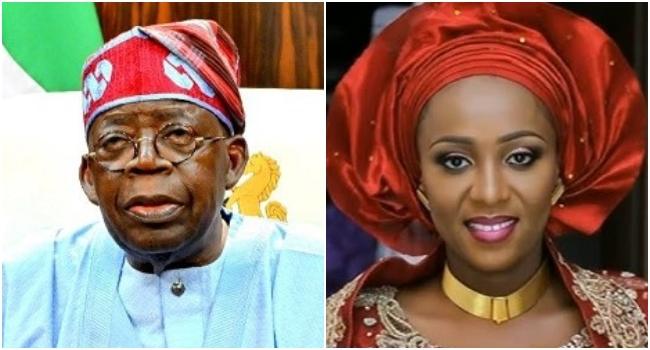
Senator Oluremi Tinubu, the First Lady, has donated 10 tuberculosis (TB) molecular testing devices and offered an additional ₦1 billion to boost the Federal Capital Territory Administration (FCTA)’s fight against tuberculosis.

The donation, made through her Renewed Hope Initiative, was announced during the commissioning of new TB diagnostic machines in Abuja, Nigeria’s capital.

The First Lady, represented by the wife of Kwara State Governor, Professor Olufolake Abdulrazaq, reaffirmed her commitment to eradicate tuberculosis in Nigeria.

During the World TB Day community outreach in Sauka village, I pledged an additional ₦1 billion through the Renewed Hope Initiative to boost the fight against tuberculosis in Nigeria. “I am pleased to see that this pledge has once again been fulfilled,” she remarked.

She described tuberculosis as treatable, yet it continues to cause unnecessary deaths due to inadequate access to diagnostic equipment.

She went on to say, “Tuberculosis is treatable, but far too many Nigerians continue to die from it, not because there is no technology to diagnose the disease, but because access to suitable diagnostic equipment is limited.

“By the grace of God, this is the gap that the Renewed Hope Initiative, with support of other stakeholders, including the Federal Ministry of Health and Social Welfare, is trying to bridge.”

The newly commissioned machines, she said, would be distributed nationwide for quick tuberculosis screening, particularly in impoverished areas.

“They will help break the dangerous chain of transmission by ensuring that those infected are quickly diagnosed and placed on treatment,” according to her.

While emphasizing the multifaceted nature of the tuberculosis response, she stressed that combating the disease needed more than just technology.

Speaking further, the First Lady praised the Federal Ministry of Health, Stop TB Partnership Nigeria, and the National Tuberculosis and Leprosy Control Program for their continuous efforts.

“Ending tuberculosis in Nigeria takes more than just machines and medications. She stated that it requires personal, financial, technical, and political resources. “I urge all parties to increase efforts to mobilize domestic resources for tuberculosis.

“Let us continue to battle together. “We will work together to create a Nigeria where no one dies from tuberculosis and where health is a right rather than a privilege,” she stated.

Dr. Dolapo Fasawe, Mandate Secretary of the FCT Health and Environmental Services Secretariat, praised the First Lady as “a champion for health in the whole country.”

She stated that the Renewed Hope Initiative has empowered both men and women and provided assistance to healthcare personnel through the distribution of uniforms and protective gear.

Fasawe condemned Nigeria’s high tuberculosis load, adding, “According to statistics, at least seven people die each day from tuberculosis. Every day, more than 100 people in Nigeria contract tuberculosis. This is not right because tuberculosis can be prevented, treated, and eradicated.”

She emphasized the importance of the donated equipment, which are solar-powered and extremely successful in detecting tuberculosis promptly.

“They do not have to get your blood. It’s quite simple. It is safe. It is effective. These machines have a prediction positive rate of over 95%. “We also have mobile chest X-rays that do not require light,” she noted.

“Once tuberculosis is diagnosed and treated, the patient’s quality of life begins to improve within a few weeks, if not days. And within a few weeks, the patient is completely healed of tuberculosis. “Yes, we can,” Fasawe said.

She also taught the public on tuberculosis vulnerability, emphasizing that immunocompromised people, such as pregnant women, undernourished people, and those who are stressed, are more susceptible.

“Tuberculosis affects those who are immunocompromised. “And it is contagious,” she explained. “Treatment is completely free.” You do not have to pay an order.”

Dr. Fasawe concluded by applauding the First Lady’s devotion. “With this drive and Her Excellency’s commitment, we can end tuberculosis,” she told the audience.

President Tinubu Names New Leadership for NERC

0

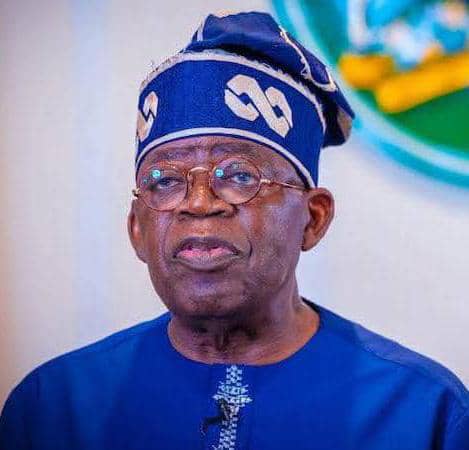
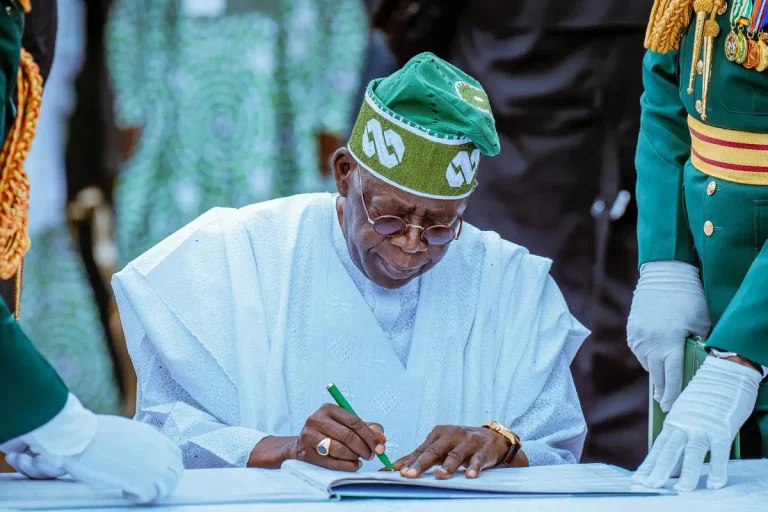
Engineer Abdullahi Garba Ramat is the new Chairman and CEO of the Nigerian Electricity Regulatory Commission (NERC), having been appointed by President Bola Tinubu.

A 39-year-old electrical engineer and administrator, Engr. Ramat holds a PhD in Strategic Management, among other credentials.

Additionally, two additional NERC commissioners were nominated by President Tinubu. Dr. Fouad Olayinka Animashun, Commissioner of Finance and Management Services, and Mr. Abubakar Yusuf, Commissioner of Consumer Affairs.

According to a statement released on Thursday by his Special Advisor on Information and Strategy, Bayo Onanuga, all nominees are contingent upon Senate confirmation.

Read Also: Nigeria Confronts Fresh Economic Strain as UK Slashes Interest Rates

As per the legislation, the president instructed Engr. Ramat to take over in an acting capacity until he is screened by the Senate to prevent a leadership vacancy in the crucial regulatory agency, Bayo added.

The presidential media aide went on to say, “Tinubu urged the new ap­pointees to diligently work to advance the administration’s power sector vision and use their knowledge and experience to discharge their functions.”

Nigeria’s energy sector, particularly the electric power sector, is subject to regulation and oversight by the Nigerian Electricity Reg­ulatory Commission.

It was created by the 2005 Electric Power Sector Reform Act.

By fostering accountability, transparency, infrastructure development, and sustainable energy growth, NERC seeks to transform Nigeria’s electrical industry and solve long-standing problems like insufficient capacity, transmission problems, and unstable supply.

Nigeria Confronts Fresh Economic Strain as UK Slashes Interest Rates

0

As worries about the UK economy and inflationary pressures around the world rise, the Bank of England (BoE) has lowered its benchmark interest rate to 4 percent, the lowest level in two years.

Although it was a widely anticipated move, its implementation was everything from standard, and the ramifications go well beyond British borders, potentially having a big impact on developing nations like Nigeria.

The rate drop, from 4.25 percent, comes as the BoE warns that monetary easing would be gradual and cautious and that inflation, particularly those caused by rising food costs, is still unacceptable. In an unusually circumspect statement, Governor Andrew Bailey said, “We’ve lowered interest rates today, but it was a finely balanced decision.” Interest rates are currently declining, but any rate reductions in the future must be cautious and gradual.

A Vote Never Before Seen And Political Undertones

It was a very controversial rate choice. Following an initial impasse, the Monetary Policy Committee (MPC) had to vote twice for the first time since the BoE became independent in 1997. One member advocated for an even sharper cut, four supported a cut, and four preferred to keep rates in the first round. The 0.25 percentage point drop was finally agreed upon by Bailey using his casting vote.

The political unrest around the tax policies of recently appointed Chancellor of the Exchequer Rachel Reeves, which the BoE believes are fueling inflationary pressure in consumer goods, is part of the vote’s background. According to the bank, rising food costs might cause inflation to double to 4 percent by September, which is twice its aim of 2 percent.

Capital Flows, Policy Space, and Currency Pressures Affecting Nigeria

Even though the BoE’s decision is centered on the country’s internal economy, Nigeria would be affected, particularly as the West African country continues to struggle with capital flight, inflation, and exchange rate volatility.

Adjusting Capital and Investment Attitudes

One of the main sources of foreign portfolio investment in Nigeria’s stock and fixed-income markets is the United Kingdom. When UK interest rates are lowered, yields on British gilts and other sterling-denominated assets decrease as well. This could make Nigerian bonds and stocks more appealing in contrast, at least when risk is taken into account.

The Central Bank of Nigeria (CBN) is keeping interest rates relatively high, now at 25 percent, in an effort to control inflation and stabilize the naira. This could lead to some capital inflows, especially from European investors who are eager for yields.

However, Nigeria’s own economic difficulties, such as a still-fragile currency and ongoing security and infrastructure issues, reduced that appeal. However, a weaker global interest rate environment may at least lessen the external strain on the nation’s already precarious balance of payments.

The Naira and the Dynamics of Exchange Rates

The dovish stance of the BoE may provide some breathing room to the naira, which has experienced many rounds of devaluation in the last year, especially if it leads to a wider round of rate reduction in developed economies. Reduced demand for sterling and consequent currency depreciation could result from lower UK rates, which could lower Nigeria’s import prices for products and services from the UK.

Conversely, considering the sizeable Nigerian diaspora in the UK, any slowdown in the UK economy or increased inflation, especially in food and consumer items, could lower demand for Nigerian exports and remittances.

Household Impact and Diaspora Remittances

Nigerians living in the UK send money home, and this is a vital source of foreign exchange. Remittance volumes may decrease if Nigerian emigrants’ disposable incomes decline or if the BoE’s rate drop is insufficient to prevent a recession or if inflation in the UK worsens. Since millions of Nigerian households depend on those inflows for healthcare, education, and consumption, this would have an immediate impact on them.

Lessons for Policy at the CBN

Additionally, there is the policy signaling angle. Despite a rate drop, the BoE’s cautious tone reflects the balancing act the CBN must likewise do. Although Nigeria has a significantly more severe inflationary situation than the UK, the London message reaffirms that drastic rate reduction may backfire, particularly when prices are rising.

Read Also: FG Cracks Down on Misconduct, Fires 15 Correctional Officers, Demotes 59

To date, Governor Olayemi Cardoso’s CBN has implemented strict monetary policy in an effort to stabilize the currency and control inflation. The country’s relative position could be strengthened if international central banks keep lowering interest rates while Nigeria sticks to its tightening policy, but at the expense of slower domestic credit growth and higher business borrowing costs.

An eroding world economy and caution in the oil market

A slowdown in global growth is indicated by the BoE’s warning of a slowdown in UK economic activity. Consumers are cooling and saving more in anxious households, which may lead to a decrease in energy demand.

Since Nigeria’s income and foreign exchange are mostly derived from the export of crude oil, any decline in the world’s oil demand brought on by slowdowns in developed economies would be a fiscal risk. In recent months, prices have stayed mostly steady, but a decline in forecasts for global growth might push oil prices lower and further reduce Nigeria’s earnings.

Nigeria Needs to Pay Paying Attention

In addition to being a domestic event, the Bank of England’s rate decrease is a component of a larger change in the global monetary landscape. The judgment highlights both potential and risks for Nigeria. Lower foreign interest rates have the potential to reduce capital constraints and enhance the relative returns for Nigerian assets. On the other hand, there are significant challenges due to declining remittance flows, sluggish demand, and growing global prices.

Nigerian policymakers, both monetary and fiscal, need to continue to be flexible. With a central bank decision in London having an effect on people’s wallets in Lagos, they will have to address not only domestic issues but also the increasingly intricate and interwoven global economic landscape.

FG Cracks Down on Misconduct, Fires 15 Correctional Officers, Demotes 59

0

The Nigeria Correctional Service (NCoS) has had 15 employees fired and 59 others demoted by the Federal Government for a variety of misbehaviors and lack of discipline.
Umar Abubakar, the NCoS’s public relations officer, reportedly made this announcement in a statement after the Ministry of Interior’s Civil Defence, Correctional, Fire and Immigration Services Board (CDCFIB) completed a thorough review.

Following the conclusion of investigations into 224 cases involving correctional officials nationally by the Board’s Disciplinary and General Purpose Committee (BDGPC), disciplinary measures were implemented, the statement said.

After a careful analysis, the Board authorized a number of disciplinary actions in keeping with its mission to enforce discipline and protect the Service’s integrity, Abubakar said.

According to Abubakar, depending on how serious each case was, the penalties might vary from written warnings to complete dismissals.

15 employees were fired from the Service as a result of grave misconduct and breaking Service rules. Furthermore, he stated that 42 employees received written warning letters as a corrective action and that 59 police had their ranks lowered due to verified violations of professional standards.

Read Also: We’re Investing in MSMEs to Boost Jobs, Cut Poverty, and Grow GDP – Shettima

“16 officers were exonerated after being found not guilty of the charges against them,” he continued. Seven other people are still on suspension while their cases are still being looked at.

An official has been referred for prosecution by the Economic and Financial Crimes Commission (EFCC) in one especially serious case.

Given the seriousness of the offense, “in one instance, an officer was suspended from duty and recommended for handover to the EFCC for prosecution,” Abubakar continued.

As part of the disciplinary actions, eight officers were forced to retire, and one officer had their rank reversed. They were also told to return all money they had earned while they were in the wrong post.

Dr. Olubunmi Tunde Ojo, the Minister of Interior and the chair of the CDCFIB, reiterated the federal government’s commitment to establishing a professional and disciplined culture within the penitentiary system.

Nigerians were reassured by Sylvester Nwacuhe, the Controller General of Corrections, in response to the disciplinary actions that all consequences would be applied equitably and rigorously in compliance with current laws.

Additionally, he urged the public to assist the Service in its ongoing internal changes aimed at enhancing public confidence and accountability.

Additionally, the statement stated that “disciplinary actions will continue to be handled fairly and in strict compliance with existing rules and procedures.”

We’re Investing in MSMEs to Boost Jobs, Cut Poverty, and Grow GDP – Shettima

0

According to Vice President KashimShetima, the federal government is consciously funding the Micro, Small and Medium Enterprises (MSMEs) Clinics initiative because of its potential to create jobs, alleviate poverty, and make a substantial contribution to the GDP of the nation.

According to Shettima, who was speaking at the seventh Expanded National MSME Clinics in Akure, the capital of Ondo State, the program was a component of President Bola Tinubu’s Renewed Hope Agenda, which aims to unleash the potential of Nigeria’s small business sector.

The MSME clinics, according to Ondo State Governor Dr. Lucky Ayadatiwa, are a timely intervention that supports the state’s initiatives to encourage entrepreneurship and sustainable growth.

In a similar spirit, Mr. BiodunOyebanji, the governor of Ekiti State, praised the federal government for its ongoing backing of the MSME clinics program, calling it a historic step that matched expansion with true grassroots development nationwide.

Read Also: 243 Oil Blocks: NUPRC Publishes Concession Update, Denies Any Abandoned Assets

Shettima emphasized that the clinics were intended to bring government organizations closer to the public, remove obstacles to business registration and regulation, and offer businesses immediate assistance.

According to him, the objective was to guarantee that all Nigerians, wherever they might be, had access to the resources and chances required to establish and expand a successful business.

Shettima urged the participants to use the opportunity to expand their businesses, while praising the Ondo State government for holding the seventh MSME clinics.

Ayadatiwa stated in his speech that the MSME clinics were a welcome intervention that complemented the state’s initiatives to encourage sustainable growth and entrepreneurship.

“Any initiative to support small businesses deserves commendation and active participation from all stakeholders,” he said, adding that small firms were the nation’s lifeblood.

Aiyedatiwa expressed his happiness that Ondo State was selected to host the seventh Expanded MSME Clinics, saying it was an obvious example of the federal government’s inclusive governance style.

Through better infrastructure, legislative changes, and easier access to credit facilities, he reassured the attendees that his government was dedicated to removing obstacles to corporate expansion.

Oyebanji praised the federal government’s MSME clinics project, which continues to promote small enterprises. According to him, the program was a historic step that supported true grassroots growth nationwide.

According to the governor, President Bola Tinubu’s knowledge of the role MSME played in industrialization, poverty alleviation, and job creation was reflected in the program.

Oyebanji praised the Office of the Vice President for maintaining the MSME Clinics, stating that it was the first time any government had made a conscious effort to match development with growth.

He added that his government is still completely dedicated to fostering an environment that is conducive to business and helping MSMEs, and he expressed hope that the effort would have a significant influence on the Nigerian economy by empowering local entrepreneurs and releasing the potential of small enterprises.

“Your Excellency,” Oyebanji said to the vice president, “I will begin by thanking the federal government for this effort. We visited Ekiti State last year, and things have changed since then. I’m sure that Ondo State will go through the same thing.

To put it bluntly, this is the first time a government has tried to match development with growth. In our country, we often have high microeconomic measures, such as GDP, which indicate expansion without progress.

“However, there has been a conscious effort to match growth with development since President Bola Ahmed Tinubu joined MSME Clinics, and we are incredibly grateful to the Federal Government for this.”

In a different development, Oyebanji reaffirmed his administration’s resolve to guarantee the continuous distribution of staple foods to state residents throughout the year. He made this revelation during the state capital of Ado-Ekiti’s “OunjeEkiti Retail Outlet” and “Ilu Eye Aggregation Hub” ceremonial commissioning.

He continued by saying that one of his administration’s top priorities was to fulfill Tinubu’s directive to eradicate hunger and poverty in the state by making sure that all of the food consumed in Ekiti was produced in the state.

According to Oyebanji, since its founding, his government has invested more over N50 billion in agribusiness. Through a food supply system and mechanism that will guarantee food security and enhance access to affordable food commodities, he stated his goal to make Ekiti the nation’s food basket.

According to him, the program was a calculated move to solve enduring issues in the agriculture industry, as well as to cut down on food storage losses and ineffective market leaks.

The governor went on to say that the endeavor was in line with the suggestions made by the Ekiti State Food Security Committee, which was established to enhance the state’s food supply.

243 Oil Blocks: NUPRC Publishes Concession Update, Denies Any Abandoned Assets

0

The concession status of 243 oil blocks has been revealed by the Nigerian Upstream Petroleum Commission (NUPRC), which maintains that the recent newspaper claim that some oil assets were being abandoned is completely untrue.

According to a statement released by the NUPRC yesterday, this action was taken in the spirit of transparency as envisioned under the Petroleum Industry Act (PIA) 2021.

Based on statistics from the NUPRC, a recent report suggested that Nigeria currently has 220 available oil blocks dispersed over its onshore and offshore basins.

In its most technically sophisticated but capital-intensive location, the deep offshore terrain is said to have the greatest number of unlicensed blocks (59), underscoring the nation’s underutilized energy resources.

It stated that whereas the Sokoto Basin has 28 blocks that have not yet been allocated and the Bida Basin has 16, the Benue Trough has 41 open blocks and the Chad Basin has 40.

Read Also: Education Investment: Tinubu Targets the North for Human Capital Growth

According to the report, there are still seven unregistered blocks in the offshore Niger Delta, thirteen in the Anambra Basin, and eight in each of the Benin Basin and the onshore Niger Delta.

However, the commission clarified that 220 oil blocks were not abandoned but were instead merely awaiting concessions in accordance with Section 7(t) of the Petroleum Industry Act 2021, which gives the commission the authority to hold regular licensing rounds and award Petroleum Mining Leases (PMLs) and Petroleum Prospecting Licences (PPLs) to potential investors.

The commission added that if requirements were satisfied and recurring bid rounds were held, the 220 oil blocks would be turned over to concessionaires.

The trending story on the alleged abandoned oil blocks, according to the upstream regulator led by GbengaKomolafe, was a misrepresentation of the data it had posted on its website.

For factual information on its operations, the upstream regulator encouraged the public to visit its website at https://www.nuprc.gov.ng/, while advising the media to exercise caution in their reporting and put the interests of the country first.

Education Investment: Tinubu Targets the North for Human Capital Growth

0

In order to revitalize human capital development, particularly in Northern Nigeria, Hassan Mustapha talks about the many educational initiatives of the central government, led by President Bola Tinubu, over the past two years.

Facts are sacred. Thoughts are unrestricted.

Northern Nigerian education has long been influenced by systemic and cultural hurdles, poor enrollment, and egregious underfunding.

However, under President Bola Tinubu, a quiet but steady change is taking place, one that could redefine the region’s educational future.

Asiwaju Tinubu is often associated with education because of his groundbreaking creation of the national student loan scheme, which currently provides funding for the tuition and maintenance of over 396,000 Nigerian students. The majority of young Nigerians who benefit from the program are Nigerian students from northern extraction, who make up over 55% of the total beneficiary pool and, consequently, more than N45 billion of the N77 billion that the NELFUND has disbursed thus far. This is something that many people may miss.

While this historic initiative reduces the immediate financial burden on low-income households throughout the federation and prepares the youth for full participation in the knowledge-based national economy of the future, President Tinubu’s tremendous legacy has diverted attention from a number of other silent reforms and mass-scale educational developments in Northern education that took place during his administration and will put the region’s students on par with their peers worldwide.

According to an old adage, a thing is only as strong as its weakest component. In Northern Nigeria, the availability and quality of education has long been a major and unsolvable aspect of the country’s developmental maze.

Like the Atlantic’s roaring waves and creeping seas on Lagos’ shoreline, President Tinubu is now committed to transforming yet another problem into a significant national asset.

The foundation for an inclusive, cutting-edge, and resilient education system in Northern Nigeria is being laid by Tinubu’s administration, which is addressing the issue of out-of-school children, building skill development centers, and updating policy architecture.

Northern education was in a perilous position before to 2023. Over 66% of the nation’s estimated 10.5 million out-of-school youngsters lived in the region. Both oversight and formal education integration were lacking in the Almajiri system. Traditional norms, poverty, and insecurity further discouraged school attendance, particularly among girls and children in rural areas. Inadequate infrastructure, out-of-date curricula, and a shortage of teachers made the issue worse.

President Tinubu’s administration chose structural reform over band-aid solutions, despite the fact that these issues were inherited. Investment in infrastructure is one of the most obvious changes. All senatorial districts now have more than 120 learning centers, many of which are furnished with furniture, safe water systems, and solar power, laying the groundwork for future functioning learning spaces.

101 Almajiri schools were constructed or renovated in collaboration with UBEC, and new integrated Tsangaya education centers were scattered around the states of Kano, Niger, Kaduna, and Bauchi.

The National Commission for Almajiri and Out-of-School Children Education (NCAOOSCE) was created by the administration to administer these initiatives. In addition to establishing a Technical Working Group (TWG) for strategic reform, the Commission has already created the initial draft of a national strategy on Almajiri education.

The Federal Ministry of Health has suggested the Almajiri Health Scheme, which would insure school-age children and turn education into a route to wellness rather than just literacy.

The two historic projects DOTS and NESRI are at the core of Tinubu’s approach. DOTS concentrates on data, out-of-school children, teacher preparation, and skill development, whereas the National Education System Reform Initiative (NESRI) promotes structural change in learning outcomes, curricula, and school administration.

While the Senior Secondary and NCE curricula are being reviewed, a new Basic Education curriculum was created as a result of these frameworks. Federal institutions of education implemented a dual-mode delivery method for the NCE and B.Ed. in order to expedite teacher capacity. In addition to curriculum review workshops in Kaduna and Kano, more than 450 Tsangaya teachers have received training, including 200 in Bauchi and 250 in Niger as well.

Additionally, the UBEC Matching Grant Formula was updated to provide more flexibility and tie payouts to quantifiable results, enhancing fund use and promoting digital learning, quality assurance, and EMIS (Education Management Information Systems).

One notable aspect of President Tinubu’s TVET Transformation Initiative is its emphasis on practicality. It offers instruction in a variety of fields, including solar installation, electrical work, creative media, digital gear repair, hospitality, and agriculture. It was founded with 24 primary trades. One component of this program, the Digital Training Academy, is specifically designed for young people in underprivileged areas, such as the North.

The curriculum covers both local employability and worldwide relevance, with courses ranging from automobile CNG conversion to social media communication. The 3MTT initiative, which aims to develop a workforce that is proficient in digital skills throughout all 774 LGAs, including the rural regions of Katsina, Sokoto, and Borno, matches this.

In addition, by increasing Nigeria’s workforce in science and health, the STEMM Advancement Initiative enhances this. The infrastructure of 18 medical schools located in each of the six geopolitical zones was upgraded. Enrollment in nursing programs climbed from 81,480 in 2023 to 114,030 in 2025, while the number of recognized nursing schools rose from 294 to 342.

Additionally, a strategic partnership with the EU funds pharmaceutical research and domestic vaccine manufacturing, with six universities chosen to receive benefits.

A long-standing disparity in Northern Nigerian education, girl-child education has significantly improved under Tinubu’s leadership. Adolescent Girls Initiative for Learning and Empowerment, or AGILE, was extended to 11 additional states, bringing the total number of states in the country to 18.

Further reducing gender gaps in schooling and creating support networks for girls in vulnerable communities are the goals of LUMINAH 2030, a new project aimed at girls that was introduced in 12 trial states (two per geopolitical zone).

Read Also: Yahaya Bello: Court Restores EFCC’s Seizure Order on Alleged Properties

In addition to tangible initiatives, the administration has spearheaded significant policy changes. The Quality Education Learning Outcomes Council (QELOC) was established in March 2025, and considerable advancements in teacher preparation and school system enhancements have already been made. In addition to introducing a national leadership curriculum for school heads, a new National Teacher Training Framework and five EduRevamp modules were created to help teachers gain 21st-century abilities.

The National Anti-Bullying Policy, together with implementation guidelines, was also introduced by the Ministry in 2025 in an attempt to enhance student welfare. Through the HOPE-EDU initiative, the government hopes to improve access, learning, and systemic efficiency by affecting approximately 65,000 schools, 500,000 teachers, and 29 million pupils.

Under President Tinubu, education has undergone one of the most systematic and calculated changes in the region’s history, a fact that is frequently overlooked.

Through extensive vocational training, legislative reforms, and targeted interventions in the Almajiri system, the administration’s emphasis on human capital development is gradually changing the narrative surrounding education in the north.

Classrooms are coming back to life with pupils and a purpose thanks to the president’s calculated educational intervention. As some of his most ambitious and narrow-minded adversaries have falsely claimed, this is consistent with the president’s statement that his objective is to “make education work for all, not some.”

Yahaya Bello: Court Restores EFCC’s Seizure Order on Alleged Properties

0

Yesterday, the Lagos Division of the Court of Appeal upheld the temporary forfeiture order that the Economic and Financial Crimes Commission (EFCC) had filed about 14 properties that were purportedly connected to former Kogi State Governor Yahaya Bello.

In a practically delivered unanimous opinion, the appellate panel overturned a previous Federal High panel decision that had dismissed the EFCC’s case on the grounds of a serving governor’s constitutional immunity.

With Justices Danlami Senchi and Paul Bassi concurring, Justice Yargata Nimpar, who gave the lead opinion, concluded that the trial court erred in using Section 308 of the 1999 Constitution to stop the proceedings.
The judge ruled that property suspected of being the proceeds of a crime is not immune from scrutiny or preservation.

“The trial court made a mistake by dismissing the case instead of deciding whether the properties should be forfeited in the end,” she stated.

The Federal High Court in Lagos’s Justice Nicholas Oweibo rendered a decision that granted the EFCC the temporary forfeiture order. The judge had given the anti-graft commission permission to temporarily take possession of the 14 properties in Dubai, Abuja, and Lagos, United Arab Emirates (UAE).

An ex parte motion was filed by the agency to forfeit the assets, claiming that they were acquired through illegal means.

Along with allowing any interested party to provide justification for why the properties shouldn’t be permanently forfeited to the Federal Government, the court also mandated that the EFCC publish the forfeiture notice in two national newspapers.

The former governor contested the order through his legal team, claiming that the properties could not have been bought using public funds because they were obtained prior to his taking office.

Read Also: CoSPAL Urges Regional Legislatures to Deepen Cooperation

He additionally contended that the Proceeds of Crime (Recovery and Management) Act, 2022, could not be applied retroactively and claimed Section 308 of the Constitution to assert immunity from civil and criminal prosecutions.

Along with questioning the jurisdiction of the Federal High Court in Lagos, his attorneys also referenced an existing injunction from a Kogi State High Court prohibiting the EFCC from looking into the state’s financial statements.

Bello lives in Lokoja, but the lawyers claimed that the houses were outside of Lagos.
However, Rotimi Oyedepo (SAN), the EFCC’s counsel, urged the appellate court to maintain the agency’s statutory mandate, spearheading Hanatu Kofanaisa and Bilkisu Buhari-Bala.

The attorney maintained that the panel was not prohibited by any Nigerian court from looking into any economic offenses.

The opulent assets, which included an apartment in Dubai’s famous Burj Khalifa, were, he insisted, likely obtained with illegal money.

Another N400 million connected to the same inquiry was also asked to be forfeited in the interim by the EFCC.

Based on Bello’s immunity, Justice Oweibo had declared that the court lacked jurisdiction and dismissed the case. The EFCC, however, challenged the ruling.

Bello’s preliminary objection was dismissed by the Court of Appeal, which also determined that property preservation procedures were not covered by the immunity clause.
It directed that the final forfeiture hearing be held by the EFCC.