Home Blog Page 169

Breaking: Sowore Attends Court Hearing for New Cybercrime, Forgery Charges

0

According to the report, Sowore was accused by the police of inciting police mutiny, forgery, and cybercrime during a rally in July that involved retired police officers. Justice Emeka Nwite will hear arguments on the three counts.
Before entering the trial, Sowore told reporters that he would not be frightened by Kayode Egbetokun, the Inspector General of Police.
“Regardless of the intimidation, I remain resolute and undaunted,” he stated. The police and residents of Nigeria must be freed from the shackles of the oppressors who have been holding them captive.

Together with several of his friends, the activist arrived with human rights attorneys Abubakar Marshal, Alexander Oketa, Wayne Chikezie Elijah, and Chike Anago Amanze.

Read Also: FEC Approves Major Funding for Power Sector: N13B Compensation, $34M Transformers

This most recent prosecution follows months after Sowore was arraigned on 17 counts of computer offenses in January 2025 for calling Egbetokun “illegal IGP” on multiple occasions.

The accusations stemmed from a video clip and many social media posts in which he urged widespread opposition to what he called “constitutional vandalism” in the wake of the contentious extension of the IGP’s term.

In a post on Thursday morning, 𝕏, Sowore confirmed his court appearance, writing, “I am attending to recently filed accusations by the Nigeria Police Force, which include unsubstantiated cybercrime and forgery, before the Federal Court Abuja. Now, #Revolution

FEC Approves Major Funding for Power Sector: N13B Compensation, $34M Transformers

0

In order to improve Nigeria’s national electrical system and solve the issues facing the power sector, the Federal Executive Council (FEC) has authorized four important reforms.
The government’s ongoing efforts to modernize transmission infrastructure, increase supply reliability, and satisfy the growing demand for power across the country include the permission, which was announced on Wednesday.
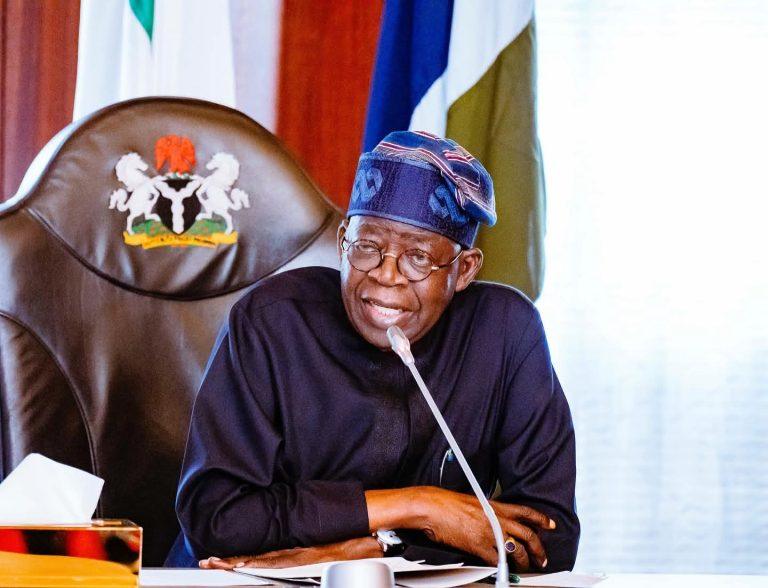
The development was reportedly disclosed by Adebayo Adelabu, the Minister of Power, following the FEC meeting, which was chaired by President Bola Tinubu.
The issuance of ₦13 billion for compensation associated with the Lagos Industrial Transmission Project was the first significant clearance.

This project is a component of a larger plan to update transmission infrastructure in Lagos and the industrial centers nearby.

According to Adelabu, the project, which was made possible by a $238 million development credit from the Japan International Cooperation Agency (JICA), aims to improve the electricity supply to important industrial clusters in Lagos.

According to Adelabu, “this funding covers compensation to property owners and communities affected by the transmission lines’ route.”

“The Lagos Industrial Transmission Project, when finished, will guarantee that our industrial estates have the committed, reliable power they require to spur economic expansion and job creation.”

National Grid’s New High-Capacity Transformers
FEC approved three more amendments aimed at enhancing Nigeria’s power supply infrastructure in addition to the compensation approval.

Among these are the purchase and installation of high-capacity transformers to replace the nation’s current grid’s aging, overburdened, and weak equipment.

The $34 million purchase would have ₦5.2 billion added for related expenses. What’s in the package:

A pair of 150MVA 330/132kV transformers
Three 100MVA, 132/33kV transformer units
Five 60MVA 132/33kV transformer units
A pair of 30MVA 132/33kV transformers
“To relieve overloaded facilities, improve voltage stability, and accommodate the increased transmission capacity we are building, these transformers will be strategically deployed across the grid,” said Adelabu.

The Minister characterized Nigeria’s national grid as aging, pointing out that many of its parts—like cables and transformers—had been in use for more than 50 years and were now beyond their built-in lifespan.

Adelabu admitted, “A lot of the transformers, cables, and associated components are weak and prone to failure.”

Read Also: Why Institutional Reforms, Civic Empowerment, and Accountability Are Crucial for Nigeria – Akingbade

“If we want to create a stable, dependable, and efficient grid that serves the needs of homes, workplaces, small businesses, and industries, regular maintenance and prompt replacement are crucial.”

He emphasized that the new reforms were a component of the Tinubu administration’s larger plan to decrease system failures, remove transmission bottlenecks, and increase availability to power in order to lay the groundwork for long-term economic growth.

According to reports, the recent reforms are regarded as a major step in resolving Nigeria’s problems in the power sector.

In addition to addressing the current grid stability issues, the improvements are anticipated to lay the groundwork for Nigeria’s long-term economic goals by providing dependable energy access for all economic sectors.

The private sector is anticipated to be crucial in carrying out these reforms, Adelabu emphasized, and the government’s objective is to make sure the power industry becomes a major engine of economic growth and employment creation.

Why Institutional Reforms, Civic Empowerment, and Accountability Are Crucial for Nigeria – Akingbade

0

Otunba Yomi Akingbade is a leader of the All Progressives Congress (APC) and a Nigerian living abroad. He discusses state policing, Nigerian democracy, and the benefits of political participation for honest people in this interview. The entrepreneur also discusses the significance of accountability in governance and institutional reforms, among other topics. Joy Anigogu provides the following excerpts:

What would you say about President Bola Ahmed Tinubu’s current administration?

The administration of President Bola Tinubu has undertaken an assertive “shock therapy” economic reset, exchanging short-term pain for macroeconomic stability, the development of infrastructure, and the extension of social programs. Some human rights organizations and investors have praised these actions. However, the societal cost is still considerable, particularly for inflation, insecurity, and limited civic space. The success of this ambitious reform plan will depend on whether noticeable improvements can reach those who will be most impacted as Nigeria enters the last two years of his mandate.

You entered politics when?

Every year, I conduct medical outreach in a few different places around the nation, particularly in Ondo State. I had to start at the grassroots level a few years ago because this move seemed political to many. I have therefore always been interested in politics.

Tell us about your goals and political journey.

My goal is to make the less fortunate people in society smile, and this is the main reason I entered politics: to be able to repeat what I have done on a modest scale for a wider audience that primarily needs the necessities of life.

Regarding Nigerian democracy, what can you say?

The democratic system in Nigeria is intricate and dynamic. Although it has achieved great progress since military rule ended in 1999, it continues to face enduring difficulties. Nigerian democracy is robust, but it is also vulnerable. Despite surviving more than 20 years of civilian governance, the system faces challenges with openness, accountability, and inclusivity. Although the foundation for a truly democratic society is in place, the true test will be in strengthening democratic principles—not simply conducting elections, but also guaranteeing everyone’s freedom, justice, and equal opportunity. Without localized, responsible, and intelligent policing, Nigeria’s security crisis cannot be resolved in a sustainable manner. Politically, constitutionally, and practically, the nation is prepared for state police. But decentralisation must be paired with oversight and reform to prevent misuse. Addressing the social and political causes of violence is also necessary for long-term security.

What do you think about the National Assembly’s attempt to change Nigeria’s constitution?

One of Nigeria’s most important governance possibilities in decades is the 2025 constitutional revision process. It has the ability to advance the country toward genuine federalism, election integrity, and more responsive local governance if it is implemented in an inclusive, deliberate, and transparent manner. But failure to manage state ratification hurdles, democratic protections, and uniform implementation risks turning the exercise into yet another unmet promise.

Would you say Nigeria is ripe for state police and how best do you think the government can fight the current insecurity in the nation?

Yes; Nigeria is poised for state police, and many experts, civil society groups, and even governors concur. Because of its scale, complexity, and lack of local intelligence and accountability, Nigeria’s centralized security architecture—particularly the Nigerian Police Force (NPF)—has found it difficult to successfully combat pervasive insecurity.

What role do you think diasporic Nigerians can play in the nation’s progress?

It’s by returning home and making significant investments. Once a business is established, the following step is to hire staff, which is the first step in helping the nation flourish. Joining politics will allow you to alter the narrative on a broader scale, and everything you have experienced while living overseas can be progressively duplicated in your own nation.

What do you think about the claim that politics is a dirty game?

Many people hold the view that “politics is a dirty game,” particularly in a nation like Nigeria where politics is frequently linked to violence, corruption, treachery, and manipulation. But a complicated situation is oversimplified by that term.

Lack of openness is the main reason why politics appears to be nasty. Politicians frequently work behind closed doors, negotiating agreements that benefit elite or personal interests over the general welfare. The second is the use of power and money. Instead of ideas or integrity, political campaigns in many countries, including Nigeria, mainly rely on funding, networks of patrons, and occasionally electoral violence or thuggery. Corruption and impunity rank third. Many political players avoid responsibility, misappropriate public funds, or change parties for personal benefit. The public’s cynicism is strengthened by this. The fourth is the manipulation of religion and ethnicity. To seize power, politicians frequently take advantage of identity divisions (tribe, religion, and area), which exacerbates conflict and erodes national cohesion. Politics isn’t always dirty, really. Theoretically, politics isn’t nasty. In actuality, it is a noble and essential instrument for allocating resources, structuring society, and peacefully resolving disputes.

Read Also: Still on the Hunt for Bello Turji’ – DHQ Confirms

It is the people and systems, not the idea, that are “dirty.” Politics is an instrument for public service. Effective politics promotes social justice, economic growth, and better policies. There are good politicians; they’re simply frequently overshadowed by the bad ones. Democracy also requires participation. Only the corrupt will control politics if decent people shun it because it’s “dirty,” and the cycle will continue. Politics has created great leaders. Leaders such as the late Nelson Mandela, Barack Obama, or Ngozi Okonjo-Iweala show that politics, when driven by ethics, can alter lives for the better. Personally, I think what should change is to clean up politics, especially in areas like Nigeria.

How can we accomplish that?

Let’s enhance institutions like the Independent National Electoral Commission (INEC), Economic and Financial Crimes Commission (EFCC) and the courts. Let’s use voting, the media, and civil society to demand accountability. Let’s educate and enable young people to take part in public life. Let’s promote issue-based politics over identity or money politics, uphold campaign finance regulations, and promote party transparency. The claim that “politics is a dirty game” is partially accurate, but it also serves as a justification for excluding decent individuals from positions of authority. We must stop letting the corrupt control politics and instead try to change the system from the inside out if we want to have honest, efficient government. “Being governed by those worse than themselves is the penalty that good people pay for not being involved in politics,” goes a proverb.

How can the government, in your opinion, best address the numerous issues affecting the Nigerian economy?

You are entirely correct; among the many issues the Nigerian economy is confronting in 2025 are high rates of inflation, underemployment and unemployment, food insecurity, a depreciating value of the naira, the load of public debt, an excessive reliance on oil, and many more. Nigeria needs to address its economic issue in a way that goes beyond temporary fixes. Building infrastructure, investing in people, diversifying the economy, and fostering an atmosphere that supports economic success are the ways to go forward. Instead of “managing poverty,” policy must focus on generating wealth.

Since 1999, do you think the current democracy has been favorable? How can we make it better, in your opinion?

Since 1999, Nigeria’s democracy has maintained political stability and granted certain civil liberties, but it has fallen well short of meeting the expectations of its citizens for justice, equity, and economic growth. Elections are only one aspect of democracy; other aspects include participation, openness, and efficient governance. In order for democracy to benefit everyone, not just the wealthy, Nigeria must now prioritize accountability, civic empowerment, and institutional reform.

What do you think of the suggestion that we return to the parliamentary form of government?

A parliamentary system might be an option for Nigeria. It might lower expenses, boost accountability, and enhance executive and parliamentary collaboration. However, any system—presidential or parliamentary—will continue to yield subpar results if the fundamental issues of corruption, shoddy institutions, and a bad political culture are not addressed.

Still on the Hunt for Bello Turji’ – DHQ Confirms

0

Bello Turji, the terrorist leader, has reportedly turned himself in to the military, although the Defense Headquarters has denied this.
According to reports, Turji, a wanted bandit commander who primarily operates in the states of Zamfara and Sokoto, has been charged with planning many attacks on NW villages.
According to recent reports, Turji released 32 kidnapped people and turned over his weapons as part of a peace attempt mediated by Islamic clerics in Zamfara State.
Nonetheless, Maj. Gen. Markus Kangye, Director of Defense Media Operations, said that Turji is still being sought during a press conference on Armed Forces operations on Thursday in Abuja.

“Simple response to the question regarding terrorist leader Bello Turji: we are still searching for him and Turji has not turned himself in,” he stated.

Read Also: Ododo’s Welfarist Policies Reshape Lives Across Kogi State

Dauda Lawal, the governor of Zamfara State, has promised that individuals responsible for the state’s violence will face consequences.

In response to recent killings in the Kauran Namoda Local Government Area—which was recently struck by a wave of bandit attacks—he made this statement.

The governor swore that divine intervention will uncover and shame those responsible for the terrible killings.

Five communities that were severely impacted were visited on Wednesday: Banga, Sakajiki, Kuryar Madaro, Maguru, and Tambarawa.

Bandit attacks have become more frequent in these locations, which has left many locals distraught and grieving the loss of loved ones.

Having been out of the state when the latest attack happened, Governor Lawal claimed that he gave the Deputy Governor the order to send a high-ranking delegation to show sympathy for the victims right away.

He returned to Gusau, the state capital, and went to the impacted towns to inspect the devastation and offer consolation to the bereaved relatives.

Ododo’s Welfarist Policies Reshape Lives Across Kogi State

0

Kogi State’s executive governor, Alhaji Ahmed Usman Ododo, has been laser-focused since taking office in January 2024.

According to section 4(2)(b) of the 1999 constitution as amended, which states that “the primary purpose of government is the security and welfare of the people,” he has been dedicated to fulfilling the main duty of the state. The Nigerian Constitution expressly declares that “the security and welfare of the people shall be the primary purpose of government,” which should be understood by everyone assuming political responsibility.

This clause highlights that protecting the security and welfare of the populace is the primary duty of the government.

In an effort to provide effective leadership, the Ododo administration in Kogi State has impacted every industry. Because of how well-liked he is by the public, campaigning for his second term has begun three years in advance.

He used every tactic at his disposal to deal with the issues that his workers were facing. “One of the tests of leadership is the ability to recognize a problem before it becomes an emergency,” says Arnold H. Glasow.

The governor has made great progress in that area.

He placed a high premium on security because he thinks that once the state is safe, the economy will grow.

In order to combat instability, the state administration recently embraced supporting development as a strategic, non-kinetic method.

Under Ododo’s direction, the State is making significant investments in vital infrastructure and agricultural empowerment to foster an atmosphere that prevents insecurity, according to Hon. Kingsley Femi Fanwo, Kogi State Commissioner for Information and Communications, who made this announcement during a press briefing.

Fanwo stated, “We’re using agriculture as a weapon against insecurity, not just as a tool for food security.”

“We’re tackling poverty head-on and creating a safer, more productive society by enabling our young people and rural communities to farm and produce.”

The use of contemporary technology in the State’s security architecture was also emphasized by the Commissioner, who pointed out that early detection and quick response are already being impacted by surveillance systems, intelligence tools, and communication advancements.

Since assuming charge, the governor, who would rather be known as Kogi State’s chief servant, has been true to his Consolidation and Continuity Manifesto. Actually, he has been getting better at it all the time.

He hasn’t backed down from his pledge to guarantee that Kogi State’s citizens are fed. Keep in mind that Ododo emphasized the importance of Kogi becoming self-sufficient in food production both throughout his campaigns and in his inaugural address.

In light of this, the Kogi State administration recently reaffirmed its commitment to revolutionizing the state’s agricultural industry and raising farmers’ standard of living by signing the Food for Lagos collaboration, which it promised would benefit Kogi farmers.

Kingsley Femi Fanwo, the State Commissioner for Information and Communications, provided media with a press statement outlining the strategic actions already taken to realize the initiative’s economic potential.

Fanwo said that Governor Ododo has started taking tangible steps to increase food production, upgrade infrastructure, and draw high-value investments into the state’s agricultural sector less than two weeks after signing the historic deal with Lagos State.

The Commissioner also highlighted significant government-supported initiatives like ACReSAL (Agro-Climatic Resilience in Semi-Arid Landscapes), which is directing investments into rural farming communities, and RAAMP (Rural Access and Agricultural Marketing Project), which is assisting in the rehabilitation of rural roads to improve access to markets.

Read Also: Lamido Declares APC’s Time Over Ahead of Jigawa By-Election

Ododo’s emphasis on the health sector is particularly encouraging, and the administration’s numerous achievements demonstrate that the program is a landmark.

A group for the State Task Force on Primary Health Care Services was recently established by the governor.

The Deputy Governor of Kogi State, Comrade Joel Salifu, urged the Committee’s members to collaborate in order to create a more robust and healthy Kogi State during the Committee’s inauguration in Lokoja.

Comrade Joel claims that the Committee’s formation is a daring step motivated by the current administration’s dedication to the welfare of the populace.

“We acknowledge that healthcare is an essential part of our state’s development and not just a social service.”

“We can improve health outcomes, lower mortality rates, and raise our people’s standard of living by fortifying our primary healthcare system.”

According to fresh 2023 statistics from StatiSense and EFInA, Kogi State recently became the best-performing state in Nigeria for adult insurance coverage, with 11% of its citizens enrolled. The state’s dedication to extending high-quality, reasonably priced healthcare is demonstrated by the fact that Kogi is ranked higher than Lagos (9%), Oyo (7%), and the Federal Capital Territory (6%).

The Kogi State Government’s N98.8 billion debt was paid off within 15 months of Ododo taking office, which was another significant accomplishment.

During a State Executive Council meeting, Mukadam Asiwaju Asiru Idris, the Commissioner of Finance, Budget, and Economic Planning, provided a breakdown of the settled debts, including the fully paid and liquidated N5 billion Series 1 and N3 billion Series 2 bonds issued for infrastructure by the former Governor HE Idris Wada administration.

“The previous administration’s N50.8 billion salary bailout has been paid in full and liquidated. The ECA-backed infrastructure loan of N10 billion has been paid back and is now completely liquidated.

“The previous administration’s N15 billion infrastructure loan from Zenith Bank Plc has been completely repaid.

“The past administration’s N15 billion infrastructure debt from UBA PLC has been paid back and completely liquidated.

He claims that Kogi State’s long-term foreign-and local-currency issuer default ratings (IDRs) or credit ratings have been raised from “B-” to “B” by Fitch Ratings, which has a stable outlook. As of September 30, 2024, the state owes N40,530,792,606.34.

The governor attended the African Development Bank’s (AFDB) 2025 Annual Meeting in Abidjan, CĂ´te d’Ivoire, to look for strategic funding for solid minerals, transportation, and agriculture in an effort to make Kogi an investment destination.

The state government’s dedication to strengthening ties with international financial institutions in order to draw in vital development funding that will unlock the state’s enormous economic potential and enhance the quality of life for its citizens is demonstrated by his attendance at the esteemed forum, where he was reportedly invited as a Special Guest of the Continental Development Finance Institution.

The Governor is working with AFDB leadership to obtain specific funding from a variety of the Bank’s specialized financing windows, with an emphasis on three strategic sectors: solid minerals, transportation infrastructure, especially the construction of a proposed airport in Kogi State, and agriculture, according to a press release issued by Commissioner for Information and Communications Kingsley Femi Fanwo.

The governor gave food to more than 1,000 widows in the state while reaffirming his commitment to the welfare of the state’s vulnerable in keeping with his campaign pledges. He also promised that the state’s widows’ hardships would not be forgotten and that he would not politicize their affairs.

A number of noteworthy accomplishments under Ododo’s administration demonstrated his ability to lead with vision.

According to Mr. Jude Ekem, a political expert who talked to our reporter, Kogi State is a perfect example of a place where government triumphs over politics.

“The governor’s performance is excellent. I have to commend him for putting the state’s government servants’ welfare first. He immediately disburses pensioners’ emoluments. Any successful government must take the welfare of its employees seriously.

Alhaji Mustapha Ahmed, a Kogi native living in Lagos State, told our reporter that every Kogi native should be proud of the governor due to the remarkable degree of progress occurring in Kogi.

As an Igala man, he insisted that Ododo’s administration has demonstrated that talent, not background, is what counts in governance. He emphasized that Ododo won’t need to run for office in 2027 since all Kogi indigenous people will support his reelection, allowing him to do the excellent work he is already doing.

We used to claim that it was the turn of this or that ethnic group, but Ododo has shown us that ability, not the governor’s background, is what counts. I’m Igala, but I have to say that if my brother runs against Ododo in 2027, I won’t back him since the governor is doing well and we should give him a chance to continue his good work. Take a look at our youth. Because of the governor’s involvement, they now have the chance to work independently. Civil servants are content. The elderly are content. Everyone is content.

Lamido Declares APC’s Time Over Ahead of Jigawa By-Election

0

Mustapha Sule Lamido, the governorship candidate for the Peoples Democratic Party (PDP) in Jigawa State’s general election of 2023, has stated that the by-election for the Garki/Babura Federal Constituency on Saturday will be the pivotal event that ends the APC’s rule in Jigawa State.

Lamido made these remarks to the party’s followers on Wednesday during a large-scale campaign rally in Babura, where the party’s flag was presented to its candidate for the next by-election.

For peace and harmony, he added, Nigerians are prepared to vote the party out because they have had enough of the suffering they have been through for more than a decade since 2015.

He said, “The amount of hardships that Nigerians are experiencing is tremendous, and the APC has been in power for ten years.” Starting with this Garki/Babura Federal Constituency by-election, we must remove this regime.

Because of the suffering that the ruling party caused Nigerians, they are being jeered and ridiculed. The nation is regressing due to the state and national APC.

“Based on the massive gathering I am witnessing today, I am certain that the days of APC are coming to an end.”

Read Also: President Tinubu Reverses Several Appointments: Complete List

The constituents were urged to turn out in large numbers, cast their ballots, stay safe, and make sure their votes were counted.

The PDP is dedicated and constantly prepared to meet the needs, desires, and ambitions of the average person, he said.

In addition, PDP candidate Auwalu Isah Manzo pledged to address the majority of the issues that the constituents have been dealing with for years due to the APC’s deceit in the Green Chamber.

He expressed gratitude to the party’s leadership and supporters for the chance and promised to do everything in his power to help the party win.

President Tinubu Reverses Several Appointments: Complete List

0

President Bola Ahmed Tinubu has come under fire for what is perceived as careless decision-making and inadequate internal coordination due to his sudden policy reversals and last-minute appointment changes.
The president’s vacillations have caused many Nigerians to doubt the administration’s planning, from the abrupt removal of Maryam Shetty’s ministerial nomination while she was already at the Senate for screening to the appointment of Muheeba Dankaka as the chairperson of the Federal Character Commission (FCC) just four hours after reappointment.

1. The four-hour appointment with Muheeba Dankaka

President Tinubu reappointed Muheeba Dankaka as the head of the FCC on Monday for a further five-year term. Ayo Omidiran, a former politician, took her position four hours later, with no formal explanation given.

Read Also: Diaspora Monitoring Group Hails Nigeria–India Defence Collaboration for Strengthening Security

Bayo Onanuga, a presidential assistant, claimed that controversy had plagued Dankaka’s administration. Even the Emir of Ilorin applauded her before realizing the news had been retracted, demonstrating the bewilderment nonetheless.

2. Withdrawn INEC REC Nominees

Days after naming two INEC Resident Electoral Commissioners, Owede Kosioma Eli (Bayelsa) and Mohammad Ngoshe (Borno), Tinubu retracted his nomination on March 18, 2024. For Borno, Umar Mukhtar was reappointed as REC, and Johnson Silnikiem was assigned to Bayelsa.

3. Dropped CBN Board Nominee

On March 14, 2024, Tinubu retracted Ruby Onwudiwe’s candidacy to the CBN board, just two days after sending her name to the Senate. According to reports, the decision was impacted by party pressure regarding her political membership.

4. The Unexpected Ministerial Withdrawal of Maryam Shetty

Maryam Shetty learned her nomination had been withdrawn when she appeared at the Senate for ministerial screening in August 2023. In an episode that sparked internet mockery and pity, Mariya Mahmoud’s name was substituted for hers.

5. A 24-Hour NDDC Board Shake-Up

A day after announcing them, on September 2, 2023, Tinubu substituted Otito Atikase for Victor Akinjo of Ondo and Orok Duke for Asi Okang, the NDDC contender from Cross River. Residents and APC members in both states protested the switch.

6. Reversal of FERMA Chair Nomination

The presidency appointed Kashim Imam as the FERMA board chairperson on October 13, 2023. The nomination was quietly revoked less than a week later, and the State House said in a statement that it had no impact on subsequent board selections.

7. Board Dissolution With Exclusions at the Last Minute

Tinubu disbanded the boards of all federal agencies, parastatals, and government-owned businesses in June 2023. Without providing an explanation, the SGF’s office stated a few hours later that NAFDAC and NDLEA were exempt.

Diaspora Monitoring Group Hails Nigeria–India Defence Collaboration for Strengthening Security

0

As a strategic effort to address the nation’s security issues, the Nigerians in Diaspora Monitoring Group (NDMG) has praised the bolstering of defense ties between Nigeria and India.

The group said the reinvigorated bilateral engagement, which includes investment in the defense sector, research and development, marine cooperation, and counter-terrorism training, is an indication of a forward-thinking administration dedicated to long-term security reforms.

The four-day working visit by Nigeria’s Minister of State for Defense, Dr. Bello Mohammed Matawalle, to India from August 11 to 14, 2025, signifies a new chapter in Nigeria’s foreign defense cooperation, according to a statement issued by NDMG and signed by its President, Prince Maduka Ezeagu.

The group praised the administration of President Bola Ahmed Tinubu for adopting a strong, practical foreign defense strategy that prioritizes indigenous production, technology transfer, and capacity-building as key components of national security.

The group claims that the meeting between Dr. Matawalle and Shri Sanjay Seth, Raksha Rajya Mantri of India, has created vital opportunities for Nigeria to take use of India’s demonstrated military capabilities, which range from the manufacture of Light Combat Helicopters and Light Combat Aircraft to Offshore Patrol Vessels.

“This partnership is a practical step towards closing the gap in our national security architecture; it is not just diplomacy for show,” Ezeagu stated.

Nigeria needs foreign partners that are prepared to share technology, provide cutting-edge training, and invest in our defense sector because instability is endangering the stability of both urban and rural areas. All those criteria are met by the India-Nigeria talks, which also demonstrate how committed the Tinubu administration is to providing long-term security solutions.

He pointed out that India’s defense sector is a perfect fit for Nigeria’s operational environment since it has a history of producing high-quality, reasonably priced equipment that can be used in a variety of terrains.

Ezeagu noted that this collaboration could expedite Nigeria’s defense technology self-reliance over the next ten years, given the Federal Government’s emphasis on revitalizing domestic defense production.

The NDMG also praised Dr. Matawalle’s appeal to Indian defense firms to invest in Nigeria, stating that such projects will increase industrial growth, create jobs, and improve technical skills in addition to strengthening the country’s defense capabilities.

The fact that Nigeria is reorienting its military policy to counter asymmetric threats like terrorism, banditry, and piracy makes this development even more significant. Nigeria stands to benefit greatly from working with a country like India, which has decades of experience in marine security, counter-insurgency, and peacekeeping missions,” he said.

Read Also: NCC’s Rural Internet Drive Praised by Coalition for Promoting Development and Investment

The group also emphasized the need of cooperative research and development in the discussions, pointing out that these partnerships will guarantee Nigeria is not only a user of foreign military hardware but also a creator of it. They said that this was in line with the administration’s Renewed Hope Agenda, which places a high priority on modernizing the armed forces and fortifying the institutions in charge of maintaining national security.

Ezeagu praised President Tinubu for providing the Defense Ministry with the operational flexibility and political support to pursue high-value international engagements, emphasizing that Nigerians living abroad are closely monitoring the government’s alignment of foreign partnerships with domestic reforms.

“From the standpoint of Nigerians living overseas, this is precisely the type of results-driven diplomacy we anticipate—where state visits result in real advantages for citizens and noticeable advancements in addressing security issues,” he stated.

“We implore the government to make sure that the implementation of these agreements is prompt, open, and quantifiable in terms of its practical effects.”

In order to guarantee that deadlines and deliverables are fulfilled, the NDMG advised the Ministry of Defense to form a cooperative monitoring mechanism with its Indian counterpart.

In order to guarantee that knowledge transfer is ingrained at every level, they also urged concerted efforts to include Nigerian institutions, research facilities, and regional firms in the partnership’s R&D component.

Ezeagu concluded by restating the group’s support for the defense policies of the Tinubu administration and expressing confidence that the Nigeria-India defense partnership will significantly contribute to restoring peace, deterring threats, and laying the groundwork for a secure, economically vibrant nation if it is executed with discipline.

NCC’s Rural Internet Drive Praised by Coalition for Promoting Development and Investment

0

As a key force behind economic growth, social inclusion, and investor confidence in Nigeria’s underprivileged communities, the Nigerian Communications Commission (NCC) has received praise from the Coalition for Inclusive Digital Growth (CIDG) for its extensive rural broadband expansion and infrastructure rollout.

The NCC, led by its Executive Vice Chairman (EVC), Dr. Aminu Maida, has shown uncommon foresight in making sure that digital transformation extends beyond urban areas and deeply into rural and remote communities, according to a statement released in Abuja on Wednesday and signed by its President, Peter Ezza.

In many regions of the nation where residents previously had limited or no access to dependable internet services, Ezza pointed out that the NCC’s recent policies and initiatives—which ranged from licensing more infrastructure companies to deploying more base transceiver stations—have greatly reduced the connectivity gap.

Read Also: Abbas Inaugurates Second NASENI-Portland CNG Facility in Abuja

Nowadays, connectivity is essential to modern economic activities and is no longer a luxury. Millions more Nigerians have been enabled to engage in the digital economy, access online education, increase agricultural productivity through real-time information, and connect to wider markets by the NCC’s expansion of broadband service to rural and underserved areas. “Sustainable development is fueled by this type of regulatory leadership,” Ezza stated.

In spite of global economic challenges, the Commission was commended by the CIDG for its ability to draw significant investments into the telecom industry.

Recent data, according to the coalition, shows that the industry has continuously attracted multibillion-dollar pledges from domestic and international investors, mostly because of a stable and progressive regulatory environment that the NCC has promoted.

“Where there is stability, security, and room for expansion, investors will always go. Because of the NCC’s clear policy direction, incentives for network expansion, and adherence to industry standards, Nigeria is now a desirable location for tech and telecom investments,” he continued.

The coalition praised the NCC’s ongoing regulatory reforms, stating that they have not only modernized the telecoms framework but also equipped the industry to meet future demands, such as the deployment of 5G, emerging technologies, and the growing convergence of e-commerce, fintech, and telecoms.

The NCC’s efforts to improve consumer protection and cybersecurity preparation have been as significant, the statement said.

“The Commission has increased public trust in the digital ecosystem by educating users about online safety, enforcing data protection regulations, and making sure that service providers meet quality benchmarks,” Ezza stated.

“NCC-led consumer outreach campaigns have improved understanding of online risks and encouraged safer digital practices in many rural communities, where cyber awareness is traditionally low,” he said. In order to guarantee that new internet users are not only connected but also protected, he contended that this is an essential component.

According to the CIDG, the spread of e-commerce in local markets, a rise in entrepreneurial activity, better access to health information, and closer ties between rural economies and national value chains are all examples of the positive consequences of rural broadband adoption.

“Every new base station in a remote community is a beacon of potential, not just a tower. Young people have launched enterprises on the internet, farmers have looked at commodity prices before selling, and medical professionals have used telemedicine networks to save lives. According to Ezza, these are the real, transformative effects of the NCC’s rural connection initiative.

The coalition underlined that ongoing investment in rural connection will be crucial to reaching Nigeria’s goals for inclusive growth, poverty reduction, and global competitiveness, and asked the Commission to keep up the momentum.

The statement went on to say, “The NCC can guarantee that no Nigerian is left behind in the digital age with the correct support and ongoing commitment.”

Abbas Inaugurates Second NASENI-Portland CNG Facility in Abuja

0

With the opening of the NASENI-Portland CNG Conversion, Training Center and Refill Station in Kubwa, Abuja, the National Agency for Science and Engineering Infrastructure (NASENI) has received praise from Speaker of the House of Representatives Hon. Tajudeen Abbas for advancing more affordable and environmentally friendly energy options.

During the NASENI-Portland CNG Hub’s commissioning, the Speaker, represented by Hon. Alex Mascot Ikwechegh, stated that energy transitions are never simply about technology; they are about our people’s quality of life. He also noted that the project was impactful and timely. The leadership of NASENI deserves praise for improving the quality of life for Nigerians.

Hon. Abbas underlined that while the energy transition process requires time, it is crucial and encouraged Nigerians to embrace it. He emphasized Nigeria’s ability to lead Africa in the adoption of CNG, citing examples from nations like Argentina, Pakistan, and Iran that have successfully converted millions of vehicles to the fuel.

“The NASENI–Portland partnership is a clear example of how the private sector plays a vital role in driving our nation’s economic growth and development,” said Chief of Staff to the President Hon. Femi Gbajabiamila, who was represented by Special Adviser to the President on Energy Olu Verheijen, in delivering a goodwill message on behalf of the special guest of honor.

“Our government’s role is to act as a catalyst, unlocking private sector expertise and capital to deliver meaningful results for the Nigerian people,” she said. Mr. Halilu added that NASENI’s pace should be an example for other agencies throughout the nation.

In his welcome speech, Mr. Khalil Suleiman Halilu, Executive Vice Chairman/CEO of NASENI, stated that this facility, along with its CNG Conversion Center, Training Center, and CNG Gas Refill Station, is a part of our continued commitment to the President’s Renewed Hope Agenda for a diverse, sustainable, and industrially vibrant economy.

Our ambitious plan calls for the replication of these facilities in all 36 states as well as the Federal Capital Territory, enabling the conversion of all Nigerian vehicles to CNG within the next several years. Our dedication to bringing CNG technology closer to the public, dismantling monopolies to enhance service quality and affordability, and minimizing bottlenecks and lengthy lines for CNG consumers is embodied by our daughter station.

Read Also: National Convention: PDP Rejects Wike’s Conditions

“Last year, we commissioned our flagship CNG Conversion, Filling, and Training Centre in Utako, proving what is possible when innovation meets determination,” Halilu said, adding that the advantages are indisputable and include reduced fuel costs, cleaner air, improved engine performance, increased energy security, and long-term employment for our young people.

Our goal now is to broaden that vision. This daughter station would increase the accessibility, affordability, and convenience of CNG for regular Nigerians by having the ability to convert up to 20 vehicles each day.

30 Nigerian engineers from all geopolitical zones have received training from the Agency in CNG conversion, vehicle maintenance, and clean energy technologies over the past year, he said, forming a new generation of indigenous professionals who would spread this innovation throughout the nation.

As the honorary guest, Mr. Oluwemimo Joseph Osanipin, Director-General of the National Automotive Design and Development Council (NADDC), commended NASENI for its efforts to guarantee cheap energy costs for transportation and urged other government organizations to assist NASENI similarly.

Representatives of the Federal Capital Territory (FCT) Minister, the Nigerian Communications Commission (NCC) EVC/CEO, the DG of the National Technology Incubation Center, the National Association of Road Transport Owners (NARTO), the Nigerian Midstream and Downstream Petroleum Regulatory Authority (NMDPR), the DG Budget Office, and others congratulated NASENI and Portland on their partnership and pledged their support in separate goodwill messages.

In his vote of thanks, Hon. Olujimi Mohammed, Managing Director of Portland Gas Ltd., thanked the Federal Government for all of the assistance provided to his business. With CNG, Nigerians will save money on transportation and other necessities, he said, expressing special delight with NASENI’s efforts and commitment to the cooperation.