Home Blog Page 1555

Binance exit could worsen youth unemployment, says cryto merchants

0

Experts and crypto enthusiasts have lamented the current ban on Binance naira operations in Nigeria, stating it may increase youth unemployment in the country.

In separate interviews with The According, the experts called on the government to look for better means of managing the country’s current foreign exchange challenges.

An economist with Lotus Beta Analytics, Shedrach Israel, said that the recent move by the government was tantamount to “treating malaria with paracetamol”.

He claimed the ban on Binance would not address the falling value of the naira.

“I don’t know why the cryptocurrency is being seen as sabotage on the exchange rate because the cryptocurrency is not the major means by which the dollar is flowing in Nigeria. Banning Binance is like giving a malaria patient paracetamol. Although paracetamol may cure the pain of malaria, it does not cure the sickness.

“Similarly, banning Binance has not stopped the naira from falling because the issue is bigger. Binance is just a bit of how much liquidity the dollar has in Nigeria,” he argued.

Israel has called on the CBN to investigate the forex holdings of top Nigerian politicians.

“These people, whether politicians or private citizens, who have stored up forex should be made to convert their money to naira, otherwise, the ban would not be effective.

“Although the CBN governor claimed about $26bn had left Nigeria through Binance unaccounted, the fact is that Binance uses peer-to-peer trade, which means that there is inflow and outflow of naira in the economy. If $26bn has gone out, how much has come in? Binance is not our problem. Some Bureau de Change operators are possibly richer than Binance users,” he added.

According to the National Bureau of Statistics unemployment data, the unemployment rate among youth aged (15-24 years) in Q2 2023 was 7.2 per cent, compared to 6.9 per cent in Q1 2023.

It is estimated that over 22 million people, or 10.3 per cent of Nigeria’s total population, currently own digital currency.

In September 2023, the Securities and Exchange Commission of Nigeria issued a definitive statement, explicitly clarifying that Binance Nigeria was neither registered nor regulated by the SEC.

This official declaration categorises the operations of the renowned global cryptocurrency exchange, within Nigeria as illegal and unauthorised.

In December 2023, the apex bank changed its stance on crypto assets in the country and asked banks to disregard its earlier ban on crypto transactions.

A cryptocurrency trader, John Odiba, however, stated that the effect of Binance’s exit from Nigeria could be both negative and positive, with the positive outweighing the negative in the long run.

“The effect of Binance’s exit on Nigerian users can be both positive and negative. One of them is that it could lead to decreased liquidity in the Nigerian cryptocurrency market, resulting in higher transaction costs and less favourable trading conditions for users. Nigerian users may face some limitations in accessing certain cryptocurrencies and trading pairs that were previously available on Binance, potentially hindering their investment opportunities,” he said.

On the positive side, he said the absence of Binance could create space for local cryptocurrencies like the eNaira to thrive.

“The absence of Binance could create space for local cryptocurrency exchanges to thrive, offering Nigerian users more options tailored to their needs, in the long run,” he said.

According to a crypto enthusiast, Godwin Ojonugwa, his main source of income is the Binance peer-to-peer trade.

He claimed that he was able to fund his education and built himself a befitting apartment through the trade.

He lamented that the current restrictions had negatively impacted his business and he was scared of becoming unemployed.

“Binance has made me a millionaire. I went to school and built my first house with Binance trade. Banning it has made business difficult and I am afraid of becoming unemployed,” he enunciated.

Africa contributes 2.5% to $520bn international arts business – MCAA

0

Patrons Modern and Contemporary African Arts, an organisation focused on the arts, has revealed that the African arts industry constitutes $13bn, which is 2.5 percent of the global art market worth $520bn.

A Director at Patrons MCAA, Ms Keturah Ovio, at a recent press conference heralding the 6th miniature exhibition scheduled to be held in Lagos, to reclaim feminine narratives, redefine icons and inspire inclusion through the arts.

She stated that there was an opportunity for the private and public sector participants to do more by investing in the arts.

She said, “The size of the African arts industry is just about $13bn, which is just 2.5 percent of the $520 billion global arts market. There is an opportunity for the private and public sector participants to do more.

 “Everyone has to invest in it. As corporates, we must invest in art collections, building, marketing, and export. We need art in public places. We need to export art, not just tech or other products. Arts values can appreciate and change people’s lives.”

Themed ‘Herstory Reframed’, Ovio stated that the exhibition would feature three well-exhibited female artists from French-speaking African countries who would tell incredible stories through their 20 works of art.

 She added that the event, which would take place at The Art Hotel Lagos from March 30 to April 14, would feature a fireside chat, where women in business, finance and arts would discuss the way forward for the African art industry.

All rights reserved. This material, and other digital content on this website, may not be reproduced, published, broadcast, rewritten or redistributed in whole or in part without prior express written permission from According.

Contact: [email protected]

Lack of odor might point out most cancers, others, specialists say

0

Otolaryngologists and neurologists have advised anyone who experiences loss of smell (Anosmia) beyond two weeks to seek medical care, warning that it could be an indication of serious health problems like cancer, tumours, or trauma.

The experts said loss of smell can occur as a result of damage to the olfactory system, which is responsible for detecting and interpreting smells.

They noted that there are many possible causes of anosmia, which include head trauma, neurological disorders, viral infections, and exposure to certain chemicals or toxins.

According to a health website, Healthline, the five senses of the body are sight, sound, smell, taste, and touch, noting that the five senses of humans are perceived through the use of sensory organs.

These sensory organs include eyes for sight, ears for sound, nose for smell, tongue and nose for taste, and skin for touch.

Healthline, however, noted that living with a reduced or total loss of smell can greatly affect people’s health, happiness, and general quality of life.

Speaking exclusively with According Healthwise, the experts stressed that loss of smell might not always be a sign of something serious, and can sometimes be due to a minor illness, or a temporary condition.

They noted that losing the sense of smell for more than two weeks may be an indication or presence of a more severe underlying condition, such as a sinus infection, or another neurological disorder.

A professor of Ear, Nose, and Throat, Titus Ibekwe said people can experience a selected, partial, or permanent loss of smell, stressing that the temporary loss should not last more than two weeks.

The specialist, who is a consultant ENT surgeon at the University of Abuja Teaching Hospital, noted that there are some people born without the full development of their sensory organs that test for smell.

He explained that tumours, which could be cancerous or not, can also block the sensory receptors, adding that when they cluster in the nose, the person will not be able to smell.

“The common growth in the nose includes what we call nasal polyps. It’s a benign tumour, not cancer. But when it clusters in the nose, the person will be unable to smell.

“So any other tumour in the nose, be it cancer or not, is capable of also leading to loss of smell. This will persist until such a tumour is removed. When it is completely removed from the nose, the person can smell it again.

“The other one is from trauma. Trauma is injury. People who have accidents that affect their head seriously and similar to it is anything that affects the olfactory lobe of the brain,” he explained.

On why people with loss of smell need to be worried, the ENT surgeon stated, “If a sense of smell persists beyond two weeks, then the individuals should be worried because it is expected that the temporary ones due to simple infections and common cold should resolve within two weeks. But if it stays longer than two weeks, it becomes a problem.

“But it is also said that what is not tasted in life, you don’t lose. It’s only when you have tasted something you love that you start longing to have more. Isn’t it? So, for those who have not smelled at all in life, well, you just advise them to carry on with their normal life as much as possible.

“But for those whose sense of smell impacts their taste loss, it is a red flag that must attract immediate presentation to an ENT surgeon who will help to investigate why the loss of smell took place in the first place, and why it lingered that long.”

When asked about the importance of smell, the physician said it serves as a preventive measure that helps identify poisonous and dangerous gases.

“There are certain senses in humans that we call ‘special senses’. We have smell as number three, it is a special sense that adds to the quality of life of every human, even animals also have a sense of smell.

“With smell, you identify certain poisonous and dangerous gas around you and you can run away from such a place so that you don’t inhale too much. So, this is a preventive measure.

“The sense of taste is also connected to smell. You realize that someone who has a common cold and can’t smell well will not be able to savour food well and the taste will tend to be lost,” he stated.

On how best to treat it, the otolaryngologist added, “There is no common way to treat it, the best thing is to visit the surgeon. But like I said, those temporary ones tend to resolve on their own and the sense of smell will return within two weeks.

“So to speed up the resolution in the temporary ones, things like steam inhalation tend to help. Remember, during COVID-19, one of the remedies for people was steam inhalation to keep warm, and to drink a lot of warm water. But once it exists longer than necessary, as we have earlier said, the best thing is to visit a surgeon.”

On his part, a neurologist at the Olabisi Onabanjo University Teaching Hospital, Sagamu, Ogun State, Dr John Alao said the loss of smell is often overlooked by people and warned that it can be a key indicator of serious health issues.

While noting that it is not always easy to determine the cause, the physician said it is crucial to have any unexplained loss of smell investigated by a doctor.

He emphasised that in some cases, anosmia may be an early sign of a more serious underlying condition, such as cancer or a brain injury.

According to him, anosmia can indicate neurological, respiratory, or even malignant conditions, so it is best not to ignore it.

“The loss of smell has been linked to the development of certain types of cancer, such as lung cancer, sinus cancer, and brain tumours.

“It is also associated with certain neurodegenerative diseases, such as Alzheimer’s disease and Parkinson’s disease. Therefore, individuals who experience loss of smell should seek medical attention to determine the underlying cause and to receive appropriate treatment.

“Losing one’s sense of smell can be a serious health issue, even though it is sometimes overlooked by individuals who experience it. While it can be caused by a range of conditions, some of which are relatively minor, some potentially life-threatening conditions can present with anosmia as a symptom.

“As such, it is important for individuals who experience the loss of smell to see a doctor to determine the cause and receive the appropriate treatment. Even though the loss of smell may sometimes be temporary or innocuous, it is best to err on the side of caution and seek medical advice,” he advised.

According to the Cleveland Clinic, anosmia is when you can’t detect odours. It’s usually a temporary side effect from a cold or sinus infection that goes away when the infection clears. But sometimes, anosmia may be a symptom of other more serious medical issues like diabetes or traumatic brain injury.

Cleveland Clinic listed Alzheimer’s disease, brain tumours, multiple sclerosis, high blood pressure, Kallmann syndrome, and Parkinson’s disease, among others as conditions that affect receptors in the nose.

Two robberies in six months traumatised my household – Nursing mom

0

A student at the Nigerian Law School, Azeezat Adedeji, narrates to AJIBADE OMAPE how her place of residence at Moniya, Ibadan, Oyo State, got robbed twice in six months

What is your background?

My name is Azeezat Adedeji; I was born in Epe, Lagos State, where I spent my early years. I gained admission into the University of Ilorin where I graduated with a degree in Law in 2022. I got married in July 2022 and I have a daughter.

In your post on X, you mentioned that in September 2023, one month after moving into an apartment, you were robbed. How did it happen?

My husband called me very early on a Friday around 5 am because I travelled home to Epe with my baby for an event the previous day. Unfortunately, the very day I travelled to Epe was the same day the robbery incident occurred in the house around midnight; it was only my husband who was at home when the incident happened. This incident was really bad, a lot of things were taken away, including my husband’s phones and laptops, and his car was also taken away.

Did your husband sustain any injuries as a result of the attack?

It was just my husband who was at home that night; we had not completed the remaining flats that we were building so we did not have tenants as of then, but my husband did not sustain any injuries in the attack, which I am grateful for.

Are there any insurance policies in place to cover the losses incurred as a result of the robbery?

I can say that we do not have any insurance policy; we own the house and I do not think my husband has any insurance policy available on the house.

What type of security arrangement do you have at your apartment?

When we moved in we already had a fence and the fence was quite high the compound was already gated then, and we had completed the remaining flats to a very secure point; so, there were no open spaces in the unoccupied flats, while our apartment had the normal doors and no burglary deterrent because it was barely a month that we moved into the building.

You also stated that on February 11, 2024, you were robbed again. How did that happen?

This time, I came home to Ibadan from school on Friday to pick up some things and go back to the Law School on Sunday, because I had just been admitted into the Nigerian Law School, but unfortunately, I could not go back to school on Sunday because our house got robbed again. I was not asleep that night; I am usually up working at night because I am into research and academic writing, so I usually get stuck with deadlines and other work, so I mostly spend my nights working. I was in the living room working on my laptop while my husband was sleeping in the room and a friend of his who was also staying with my husband was sleeping in one of the other rooms; I had no idea it was already that late at night because I was carried away with the work.

While in the living room, I heard voices in the compound but I did not think too much of it because we had tenants in the other two apartments in the building; after a while, I got up facing the windows, and asked, ‘Who is there?’ because my neighbour’s generator had just gone off so my thoughts were that the neighbour went to check it, but suddenly the footsteps got closer and louder and people were running all around in the compound; some of the robbers ran into our tenant’s flat, while the rest came upstairs to our flat; my husband was already awoken from his sleep looking confused while I ran into the room. After the first robbery, we installed a burglar deterrent at every entrance in the house; we also tried to improve our security measures in the house; as a matter of fact, my husband also facilitated the installation of gates in and around the community because there are various entrances into the community.

The thieves eventually broke in through the burglar-proof and at that moment everything happened so fast. My husband’s friend locked himself inside the room and went to hide in the restroom, and the thieves scattered everywhere asking for our items; one of the robbers forced me out of hiding in the toilet, and my husband and I surrendered and gave them everything; they took my laptop, and all my gadgets; they took my husband’s phone which he just got after the first one was stolen from him during the first robbery. The first incident was really bad as a lot of things were taken, and this time there were not a lot of things for them to take because we had not gotten back everything that was previously stolen.

The robber who forced me out of hiding took me to the kitchen and asked me to face down; I got scared because the robbery happened in the living room and he asked me to move to the kitchen so I thought he was going to assault me so I struggled with him then he hit me and asked me to face the ground. It was not long after that I started hearing receding footsteps as they left.

Can you describe the circumstances surrounding the two incidents within six months?

My husband explained that the first set of people who came to rob our apartment was much older compared to those who came the second time. The funny thing is that even when we moved into the house, we did not do housewarming and my husband and his friend were the only ones around. The two tenants occupying the other two apartments all go to work early and come back late at night, so there were no special activities in the compound, I can’t say if there is something that could trigger an attack on our house.

Have you filed police reports for both incidents and if so, what has been the response from the law enforcement authorities?

Yes, my husband did that for the first incident; I did not come to Ibadan at all, I wanted to but my husband insisted that I should not travel because of the stress it would cause my baby and me; at the time my baby was just five months. My husband made all the reports at the police station where he wrote statements and got different police reports, however, it was when we went to report the second incident that my husband mentioned to me that he knew some of the police officers and that to some extent, he had an unfavourable encounter with them when he came to report the first robbery as they were nonchalant and did not work as they were supposed to. Eventually, he had to track most of his gadgets alone because they were Apple products.

What steps have you taken to enhance your house’s security and prevent future robberies?

Well, at the moment we have improved the security measures at our place; we have installed CCTV cameras; we have had barbed wires mounted on the fences, and there have also been a lot of repairs done on the burglar deterrents that were damaged during the incidents.

You mentioned that your husband’s car, your laptop, and other valuables were taken, has any of the stolen items been recovered?

We were able to recover my husband’s car that was stolen during the first robbery, although we met the car damaged; my husband was contacted by the police where the car was found; the police found his identity card in the car, they went to his workplace to look for him but he was not there because he was busy going back and forth to the station, so the police asked about him from the office where his identity was confirmed. Unfortunately, most of the other items that my husband spent a lot of money trying to track were not recovered and even the police did not give any feedback, so my husband left it all.

Were there any witnesses to the robberies, or any suspicious activities or individuals observed in the vicinity of your house before the incidents?

There have been several instances of robbery in the area; some other residents have been victims of robbery in the area but it has never happened to anybody twice; however, for the second incident, there is somebody my husband sort of suspected; the PPRO reached out to us and promised to introduce us to the DPO of the station in our area so we could talk to him directly; the next day, they visited our apartment and even patrolled our area for three nights; we told the DPO of a suspect, an elderly man in the area who allegedly harbours criminals and lives irresponsibly, so the police said they would charge him to court, I objected and asked that they do further investigations; the suspect denied all the allegations, the police searched his apartment but none of our items was found in his place; the police still proceeded to charge the suspect to court, but the judge struck out the case because there was no evidence, so the court set him free.

Do you believe that there are broader security issues or concerns within your neighbourhood that need to be addressed by local neighbourhood authorities?

Yes, I believe there are a lot of security issues that need to be attended to because after the first incident that happened in our house, we heard about several other robberies in the area, which gave the residents concern, even the policemen at the station address the area as a robbery-prone area because it is on the outskirts of the community where criminals have easy access to the road and make away with anything, so the area is porous to non-indigenes and there are different gates that lead into the community. I will also say that the neighbourhood has not invested enough in security personnel, but according to the DPO, we have done a good job by mounting gates at every possible entrance in the community. And there is a hotel behind our house with a yet-to-be-completed part of it which poses a security threat to the well-being of my family and other residents around.

Are you traumatised as a result of these attacks, and have you sought any counselling or support services to cope with the trauma and stress caused by the robberies?

Yes, I am but I will say to a very large extent that my husband was more traumatised because he witnessed both incidents; he cried in front of everybody the following day and I even had to play strong. He felt the impact more; however, we did not receive any form of counselling, we have just been moving through each day and that is what matters to me.

You mentioned that you just got admitted into the Nigerian Law School, have you been able to go back to school?

Well, to be honest, I am not balanced. It has not been easy balancing it all because of the rush and the pressure associated with the classes that I missed as a result of the days I was not in school. I will say to some extent the incident has affected me a bit, but I know I have the time to catch up.

You stated that the landlords in your community have victimised you and your husband, can you share the experience?

 Yes, this happened after the first incident, although I was not around when it happened, my husband mentioned to me that he even had a serious argument with the landlords because they questioned his membership of the estate security, making it sound like a reason why we do not have the vigilante people around our area. I felt they were nonchalant during the first incident but after the DPO came to visit our place after the second incident, the landlords have been cooperative.

Are you planning to move to a different area or apartment?

Initially, my husband insisted that he would not go back to the house, but my family and other people helped to encourage him, and because of the help we got from X, we have been able to improve our security measures. However, I am in school but my husband has decided not to stay in the house for a while; so for now, we are still very much living there.

What support do you need at the moment?

Well, I think the first thing is to improve the security of our community; that is the very first thing we need because it will be a determinant of whether we decide to move to a different area or stay in the community.

‘Poorly managed vascular ailments, issue for amputation’

0

Orthopaedic surgeons and cardiovascular experts have advised those at risk of having vascular diseases to always visit the hospital to ascertain their status, warning that if the condition is not detected early, or is poorly managed, may lead to limb amputation.

The specialists also urged those predisposed to the medical condition to seek early medical intervention if they suspect any form of peripheral artery disease, which is a major cause of medical amputation, or other serious bacterial infections and blood clots.

Though septic wounds among other factors also predispose to amputation, the physicians maintained that peripheral vascular disease is the major cause of amputation worldwide, and advised early intervention before the situation becomes irreversible.

According to an online medical portal, Mayo Clinic, peripheral artery disease, also known as peripheral vascular disease, is a common condition in which narrowed arteries reduce blood flow to the arms or legs, thereby, causing serious damage to the body.

To diagnose this condition, the professionals said a Doppler ultrasound test would be needed to show the direction and speed of blood moving through the arteries and veins, adding that it can also identify blood clots, narrowed arteries and other problems that affect the heart and blood vessels in the legs, arms and stomach.

Recall that the late presentation of these vascular diseases (blood clots and dead vessels) was reportedly the reason for the amputation and eventual death of the late Nollywood actor, John Okafor, popularly known as Mr Ibu.

Speaking exclusively with According Healthwise in different interviews, the experts warned that people with diabetes mellitus, serious bacterial infections and injuries, obesity, immunosuppressants and exposure to cigarette smoke are predisposing factors to amputation.

Speaking also, a Consultant Orthopaedic Surgeon at the Abia State University Teaching Hospital, Dr Isaiah Abali, affirmed that poorly managed vascular diseases can lead to medical amputation, and advised people to avoid any condition that may predispose them to loss of limbs, or eventual death.

He explained that Peripheral Artery Disease is a major cause of medical amputation worldwide, describing it as a circulatory condition in which narrowed blood vessels reduce blood flow to the limbs.

According to him, PAD is a sign of fatty deposits and calcium building up in the walls of the arteries medically known as atherosclerosis, revealing that “diabetes, obesity and cigarette smoking among others, are predisposing factors for peripheral vascular disease.”

Abali, who is also the Chairman of the Nigerian Medical Association, Abia State chapter, explained, “This condition occurs when the blood supply to the legs or upper limbs, depending on where it occurs, is cut off. When the blood supply is cut off, it may lead to gangrene and at this stage, the damage is irreversible because that part of the body is already dead and smelly. The only option for the orthopaedists is amputation.”

Gangrene, according to him, means the death of body tissues due to a lack of blood flow or due to a serious bacterial infection, saying that peripheral vascular diseases commonly affect the arms and legs, including the toes and fingers.

He noted that high blood sugar in the body damages the blood vessels, which is the reason gangrene takes place more in diabetic patients.

He added, “When the blood vessel is damaged, it can slow or block blood flow to certain parts of the body and this predisposes the individual to amputation. More so, obesity can push on arteries, slowing blood flow and increasing the risk of infection and poor wound healing.

 “When people with these conditions sustain an injury, it may be difficult for the wound to heal and such wounds might become infected by bacteria. This will worsen the situation and wounds may become septic and lead to gangrene.

 “Also, patients who go for cancer treatment like chemotherapy may have suppressed immune systems and this allows infections to thrive as the body has compromised immunity against infections. Human immunodeficiency virus can affect the body’s ability to fight off infections too.”

According to him, another condition that predisposes one to amputation is “Peripheral neuropathy, which occurs when the nerves in the body’s extremities, such as the hands, feet and arms, are damaged.

“People with this condition tend to get gangrene more than the others because they don’t know that something has entered their legs until it becomes a problem that leads to gangrene and amputation.”

He listed treatments for gangrene to include antibiotics, oxygen therapy, and surgery to restore blood flow and remove dead tissue, and advised that the earlier the condition is identified and treated, the better the chances for recovery.

Corroborating his views, a Consultant Cardiologist at the Lagos University Teaching Hospital, Idi-Araba, Dr Akinsanya Olusegun-Joseph, said most cardiovascular illnesses do have co-morbidities, saying that somebody with hypertension can also manifest other conditions.

On what could be indications for amputation, he said, “The blood flow may be reduced due to cholesterol deposits in the rumen of the blood vessels and with this; there may be a blockage in the artery, which also reduces blood flow to that part of the body.

“This situation is more in hypertension, diabetes and blood clotting. To manage these conditions in order not to lead to amputation, patients with hypertension, diabetes and high cholesterol which are the major risk factors should control their blood pressure, blood sugar, and cholesterol.

“They should go for Doppler studies and scan to understudy the blood vessel to know the impact of blockage to the blood supply. I, therefore, advise people to know their numbers (blood pressure), check cholesterol, eat healthy food, embrace a healthy lifestyle, embark on fitness exercises and reduce their stress level.”

Meanwhile, a study published in the National Library of Medicine, by Apama Swaminathan and team, titled, ‘Lower extremity amputation in peripheral artery disease: Improving patient outcomes,’ affirmed that poorly managed vascular diseases may lead to amputation.

The authors noted that peripheral artery disease affects over eight million Americans and is associated with an increased risk of mortality, cardiovascular disease, functional limitation, and limb loss.

“In its most severe form, critical limb ischemia, patients are often treated with Lower Extremity Amputation, although the overall incidence of this is declining. In the US, there is significant geographic variation in the performance of major LEA.

“The rate of death after major LEA in the US is approximately 48 percent at one year and 71 percent at three years. Despite this significant morbidity and mortality, the use of diagnostic testing in the year prior to LEA is low and varies based on patient, provider, and regional factors.”

Tinubu to resolve on border reopening

0

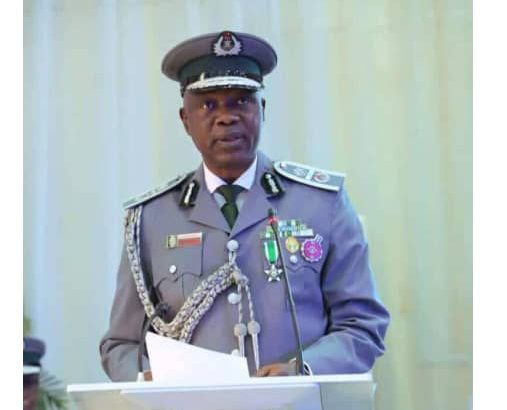
The Comptroller-General of the Nigeria Customs Service, Mr Adewale Adeniyi, on Saturday, said that only President Bola Tinubu has the prerogative to reopen the borders in the country.

He stated this during an interaction session with members of the Kongolam border community in Mai’adua Local Government Area of Katsina State.

Adeniyi, who was reacting to agitations for the reopening of the borders, assured that engagements and consultations were being held regarding the issue.

“Once consultations are concluded, a decision will be taken on the matter,” he said.

Continuing, Adeniyi assured that the Service will focus on removing obstacles militating against free trade in line with the present administration’s agenda of fostering economic prosperity.

The News Agency of Nigeria reports that CG maintained that proactive measures had been employed to reduce the number of checkpoints along the border posts and promote synergy between the Service personnel and traders.

“We are conscious of the concerns of the border communities, particularly with regard to the number of checkpoints and the closure of land borders.

“I assure you that our operations are always guided by law, and we only operate on delegated powers.

“We have communicated the concerns and complaints by residents of the border communities to the President and because he has listening ears he directed that we should release confiscated food items, on the condition that they will only be sold in the Nigerian markets,” he said.

Adeniyi, who also visited former President Muhammad Buhari and the Emir of Daura, Alhaji Umar Faruq-Umar, disclosed that the Service is collaborating with the Police and other sister agencies to address obstacles militating against free trade in the border areas.

“We know that there are markets around our borders, and we know that not all of them are targeted at taking goods across the borders.

“We will continue to monitor and ensure that food produced in Nigeria remains and is consumed in Nigeria. This is because we are in a period of national emergency that has to do with food insufficiency.

“And that is why we must collectively work together to assist the government to enforce the various laws prohibiting exportation of food items at this time,” he stressed.

Nigerians in throes of biting starvation as financial disaster pushes many into poverty

0

GODFREY GEORGE writes on the impact of the worsening economy and the rising prices of food and important items on the underprivileged

Six mouths, excluding hers, are what a petty trader and single mother, Comfort Soso, has to feed every day. She wakes up early every morning before the rest of her family, buried in her thoughts.

Her husband, whom she said had been married to her for over 24 years, left the house shortly after the birth of her last child, Anchor, and had since not returned.

“Many said he (my husband) was with another younger woman in Cross River State. Some said he travelled abroad but, since March 2019, I have not set my eyes on him,” she said, looking forlorn.

For years, the couple had been having some issues over unfaithfulness. Comfort had alleged that her husband was cheating. The husband, our correspondent learnt, lamented to several sources that his wife did not respect him and was used to insulting him because he did not have enough money to take care of the family.

A family friend, who said he only wanted to be identified as Eze and connected our correspondent to Comfort, said he had known them for over 15 years.

He said Comfort was a tailor when she got married but had to stop the job at her husband’s orders as he wanted her to concentrate on taking care of the family.

“I can tell you that life for this family has been a living hell. She has five biological children. Her first child, Gab, was from her previous relationship before she entered the marriage. Her husband was aware. It is just sad that things turned out this way,” he added.

Comfort, further speaking, said in her first year of marriage, she used to have a lot of issues with her husband, ranging from emotional to physical abuse.

She also alleged that the man was fond of absconding from responsibility.

“When I had my first child, he left home for months. When he came back, the child had almost stopped breastfeeding. We go through a lot.

“This period where the price of food is at its highest, you cannot imagine what I am going through as a single mother.

“My business has closed. What I call business was a food store people contributed money for me to open. We kept on eating out of the capital for the business until it folded up.

“My first child, who is around 21, still lives with me; he is a teacher in a private school. His salary is N24,000. His younger sister is a salesgirl with a clothing store and her salary is around N20,000.

“The other one is trying to start schooling. She just took the West African Senior School Certificate Examination last year. She recently got admitted to a polytechnic but there was no money to pay, so he had to forfeit the admission.

“The others are still in secondary school. I pay their fees. I pay for their transport. Life is just so difficult and there is really nothing I can do.

“The other day, Anchor (one of my children) was so sick that I thought he was going to die. I tried all I could but I couldn’t afford the medications needed. I tried the local (herbal) option and it made matters worse. His system was not used to it,” she lamented.

Comfort further said her family members consumed half a container of rice now worth around N3,500 at one go.

“We buy a ‘paint’ of rice now at around N7,000 or N7,500. All of us, at one go, can finish half a ‘paint’ of rice. If we don’t finish it, then the next time we are to eat, it would just be the last three (children) who would manage the remaining.

“Garri, which used to be a saviour then, has also become really expensive. I bought a ‘paint’ of yellow garri for N3,000 the other day, but when I went back, the seller said it had increased to N3,500.

“If not for a good Samaritan at the market who paid the additional N500 for me, I would have returned empty-handed. Life is hard; the food crisis has made things even worse,” she added.

Like Comfort, like Aminat

Aminat Saheed, a single mother of four young children, left Lagos three months ago for her hometown in Osun State.  She said she had to leave since her rent expired and she lost her business at the market where she sold peppers and tomatoes to a government take-over.

“One day, we were just selling when some task force members came and told us to vacate the premises in three days, hinting that the government wanted to use it for something else. We had been managing ourselves at the mini market and we only had to pay some levies from the local government. But, with the takeover, my family and I had to move back to Osun. My husband is still in Lagos; he comes once every month.

“He works as a labourer. Anywhere there was construction, he would go there, get a daily job, and just help do some mixing, heavy lifting, and all that for a fee. That is what he has been doing for years after he survived a motor accident that almost took his life.

“If I begin to narrate how we suffer in this period of hardship, you will begin to wonder why we have not died. My four children, most times, go a full day without any meal at all. They just drink water.

“The one that can beg will beg and see whatever they can eat. It is terrible for me as a mother watching my children beg but what will I do? The eldest is just 12; the last one will clock four in July.”

Hunger, pain, despair

Every morning, Aminat wakes up before dawn, her weary eyes heavy with exhaustion, and sets out in search of odd jobs to earn a meager income. From washing neighbours’ clothes to cleaning homes, she did whatever it took to make ends meet.

But despite her tireless efforts, the income was never enough to cover the basic needs of her family.

Her kids faced their own struggles in the face of poverty. They watched with wide eyes as their mother toiled tirelessly, her shoulders stooped with the weight of their collective burden. Hunger gnawed at their stomachs, and the constant fear of not having enough to eat loomed over their heads like a dark cloud.

As Aminat trudged through the dusty streets of Osogbo, her children trailed behind her, their small feet struggling to keep up with her pace. They knew better than to complain or ask for more, for they understood the gravity of their situation all too well. Instead, they silently endured, their innocence marred by the harsh realities of poverty.

Despite their tender years, Aminat said her children often had to forgo basic necessities to make ends meet.

She said, “The phone I am using to talk to you now belongs to my neighbour. She told me that a journalist wanted to talk to me, and I had to wait for her to return from work before I could do this interview. Is this life?”

Lagos slum kids

In the heart of Lagos, a tiny slum town in Ikosi, popularly known as Gbola, sat. Children there wore hunger on their faces. Undone hair, rough feet, and tattered clothes, the kids ran barefoot, their faces etched with the premature lines of hardship.

Yet, despite their struggles, they wore a happy smile, as they played in the scorching hot day, grinning from ear to ear.

When our correspondent arrived in the community with a few packs of noodles, the kids scampered around, having recognised our correspondent, who had been there a year before for a story.

A young girl, Toyo, whose eyes beamed with excitement, requested a pack of noodles. Soon, the crowd swelled so much that the noodles were barely enough to go round.

A mother, who did not give her name, said she cried every night before bed, and that every morning when she woke up and saw her children suffering, their once bright eyes grew dim with exhaustion, and their laughter faded into silence.

They longed for simple pleasures that other children took for granted – a full meal, a warm bed, a chance to play without worry.

As the weather became hotter and her daughter clung to her side, her tiny hands gripping hers tightly, the woman said the hardship and rising cost of food items were putting her family into deeper poverty.

While describing how hard life has been for her, she said, “I know we are poor. I used to sell in Alapere before. I have sold in Mile 12, too. But, somehow, I have found myself here. I just need the government to look at people like us in pity.

“The other day, I heard the Customs were sharing rice or something and we ran there to see how we could buy, but there was no road; everywhere was blocked. It is not our fault that we are poor. If we had our way, we would also want to be rich like everyone else but look at us.”

 As she spoke, her daughter, who could barely talk began to cry, her eyes heavy with fear and despair, uncertain of where her next meal would come from.

The woman further lamented that noodles which used to be her go-to in times of lack had gone beyond her reach.

“How can a pack of noodles be sold at N500? We used to buy a cup of rice for N400 in 2021. How did things get this bad?” she queried.

She further lamented how the rising cost of living in Nigeria posed a formidable challenge to her efforts to provide for her children. Although she refused to talk more about the father of the kids, she said, “Their father is not here. He is also trying.”

Rising inflation

For months, the cost of goods and services has soared in the country, pushing prices of essential goods beyond the reach of ordinary citizens.

Basic commodities such as rice, beans, and cooking oil have become luxuries that people like Aminat cannot afford.

Many food sellers have lamented how their once bustling business centres have become deserted, their shelves near-empty.

A man who sold tomatoes and onions at the Magboro market, Ogun State, Mohammed Isah, said he recorded more losses in the last four months than he recorded in an entire year.

“Most of my tomatoes just get spoilt because who will buy them? It is getting worse by the day. I come out every day and just sit down here listening to music. The market does move the way I want it to, the way it is supposed to.

“The other day, I had to slash the prices of most of my goods so they would not spoil. I just sold them at the cost price so I would be able to go to the market and purchase another one. It is really crazy,” he said.

Some other food sellers at the market shared the same sentiments, lamenting that they had to use the profits made from the previous batch of goods bought to pay for the next batch because the prices of goods had continued to increase.

“Imagine buying a bag of beans for more than N100,000. Where are we going as a country?” a foodstuff seller, who did not give her name, asked when our correspondent approached her for an interview.

“I have children, too. I have a family. Despite my best efforts, my children sometimes go to bed hungry because there is nothing I can do.

“I cannot steal. If the market does not move, I will not steal. Most of the things you see here, I bought on credit. It is really tiring,” she lamented.

In December, Nigeria’s annual inflation rate rose to 28.92 per cent from 28.20 per cent in November, the  National Bureau of Statistics said.

The statistics office said the December 2023 headline inflation rate showed an increase of 0.72 per cent points when compared to the November 2023 headline inflation rate.

The NBS said on a year-on-year basis, the headline inflation rate was 7.58 per cent points higher compared to the rate recorded in December 2022, which was 21.34 per cent.

“This shows that the headline inflation rate (year-on-year basis) increased in December 2023 when compared to the same month in the preceding year (i.e., December 2022),” it said.

Also, the bureau said on a month-on-month basis, the headline inflation rate in December 2023 was 2.29 per cent, which was 0.20 per cent higher than the rate recorded in November 2023 (2.09 per cent).

This, it said, meant that in December 2023, the rate of increase in the average price level was more than the rate of increase in the average price level in November 2023.

In recent years, food prices have been on the rise across Nigeria. The situation deteriorated due to the impact of government policies such as the removal of the fuel subsidy, amongst others.

President Bola Tinubu had, in July 2023, declared an immediate state of emergency on food insecurity to tackle the increase in food prices.

He also directed that “all matters pertaining to food and water availability and affordability, as essential livelihood items, be included within the purview of the National Security Council”.

Food inflation

The food inflation rate in December 2023 was 33.93 per cent on a year-on-year basis, which was 10.18 per cent points higher compared to the rate recorded in December 2022 (23.75 per cent).

The NBS said the rise in food inflation was caused by increases in prices of bread and cereals, oil and fat, potatoes, yam and other tubers, fish, meat, fruit, milk, cheese, and egg.

“On a month-on-month basis, the food inflation rate in December 2023 was 2.72 per cent, this was 0.30 per cent higher compared to the rate recorded in November 2023 (2.42 per cent),” it said.

It explained that the rise in food inflation on a month-on-month basis was caused by a rise in the rate of increase in the average prices of oil and fat, meat, bread and cereals, potatoes, yam and other tubers, fish and milk, cheese, and egg.

“The average annual rate of food inflation for the 12 months ending December 2023 over the previous 12-month average was 27.96 per cent, which was a 7.02 per cent points increase from the average annual rate of change recorded in December 2022 (20.94 per cent),” the report said.

Customs stampede

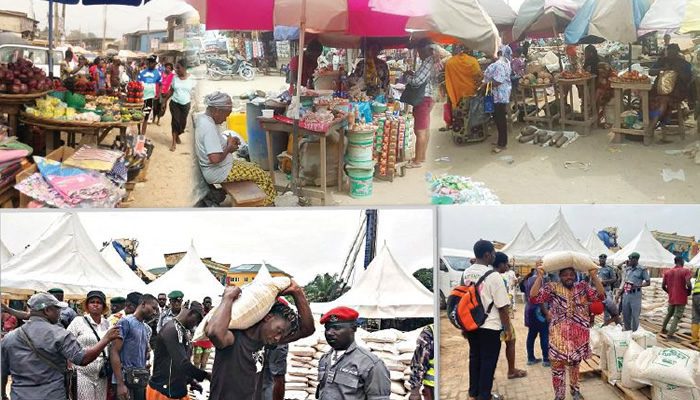
The sale of 25kg bags of rice by the Nigeria Customs Service to Lagos residents at a discounted price turned tragic in their office when seven people were reported killed while struggling to buy the confiscated rice being sold by the NCS to the public as an intervention in the current economic hardship and hunger.

The stampede was said to have occurred due to poor crowd management by the Customs, as hundreds of people tried to force themselves into the venue to buy the 25kg rice sold the price of N10,000 at the Customs zonal office on Harvey Road, Yaba, Lag, os on Friday, February 23.

Giving an account of his experience on TV360 Nigeria, a Lagos resident, Ahmed Isah, said when people were struggling to gain access to the Customs zonal office in Yaba, some who fell in the process were trampled on.

The father of six said two people died at the entrance gate while four were already lying on the floor when he eventually gained access to the zonal office.

“There were a lot of people who fell in the process and many fainted alongside with no one knowing their fate,” he said.

Consequently, the national public relations officer of the Customs, Abdullahi Maiwada, told journalists that the agency had put the sale of rice in Lagos, which was in its pilot phase, on hold.

The situation further underscored the level of poverty in Nigeria, with over 133 million multi-dimensionally poor people, according to official figures. Forty million households, according to the World Bank, are poor and lack access to several resources, including food and water. Many of these Nigerians were part of the many who trooped into the Customs facility to purchase the ‘cheap rice’ which led to the stampede.

Looting reigns

Two weeks ago, some youths were reported to have stolen food items from trucks stuck in traffic along the Kaduna Road in the Suleja area of Niger State.

On Sunday, hoodlums attacked a warehouse belonging to the Agricultural and Rural Development Secretariat of the Federal Capital Territory Administration located in the Dei-Dei area of the capital city and looted rice, grains, and other relief items.

But for the intervention of some soldiers, a private warehouse in the Idu Industrial Estate, Jabi, Abuja, would have suffered the same fate when a group of persons made an attempt to steal food items from the warehouse.

Although the Minister of State of the FCT, Dr Mariya Mahmoud, said the looting of the FCT agric secretariat on Sunday was not motivated by hunger, several experts said the hunger in the land was becoming unbearable.

Speaking during an assessment of the looted warehouse, according to a statement by the Special Adviser Media to the minister of state, Austin Elemue, on Monday, she said the FCT administration would reinforce security across all government-owned warehouses in the nation’s capital.

The development came as the police, through the spokesperson for the FCT Police Command, Josephine Adeh, in a statement Sunday night, said they arrested 15 suspects, including two local security guards employed by the warehouse management, in connection with the attack on the warehouse.

On Monday, hoodlums were reported to have attacked a truck conveying raw materials from the Dangote Cement Plant in Ibese along the Ofada-Owode area of Ogun State, at about 6 pm on Sunday.

A police source said the hoodlums, who were armed with guns and machetes, allegedly attacked the truck which was en route to Obajana in Kogi State.

 It was further reported that the three occupants of the truck with registration number LSR 670 AS, including the driver, sustained varying degrees of injuries as a result of the attack. Confirming the incident on Monday, the state Police Public Relations Officer, Omolola Odutola, said the police in the Owode division had begun an investigation into the incident.

Similarly, the Kaduna State Police Command on Monday confirmed the looting of a food truck in Zaria on Saturday, adding, however, that no arrest had been made in connection with the incident.

The food truck was said to have been hijacked and looted by suspected hoodlums at Dogarawa in the Zaria area of Kaduna State, shortly after the driver parked it on the Zaria-Kano Expressway to observe his prayers.

In a video circulated on social media, a group of people were seen carting away cartons of spaghetti from the truck before a team of police officers was later deployed to the scene of the incident.

Reacting to the incident, the state Police Public Relations Officer, Mansir Hassan, explained that the command had deployed its men to protect road users in the area.

 “There was no arrest yet but we have deployed our men to safeguard the lives and property of the vehicle and other motorists plying the road,” he added.

FG distributes grains

Perhaps, disturbed by the incidents, the Federal Government, on Wednesday, announced that it would distribute the 42,000 metric tonnes of grains approved by President Bola Tinubu to poor Nigerians at no cost.

This came as Ogun State Governor, Dapo Abiodun, also announced over N5bn intervention plans which he said would go a long way to help the residents of the state stay afloat under the biting effects of the country’s struggling economy occasioned by the rising inflation and currency devaluation.

Abiodun revealed that the intervention was a direct reaction to the fact that the government was never oblivious or insensitive to the hard times Nigerians were going through.

The governor said that the intervention plans would cover education, health distribution of food as well as deliberate welfare packages for the workers.

He said that whatever the country was experiencing, necessary sacrifices had to be made to ensure a greater tomorrow.

Meanwhile, the Federal Government also announced that the Department of State Services and the National Emergency Management Agency had been engaged in the distribution process of the 42,000MT of grains approved by Tinubu to ensure that the commodities got to the targeted citizens nationwide.

The Minister of Agriculture and Food Security, Abubakar Kyari, who disclosed this at a ministerial press briefing in Abuja, further revealed that the government would be supporting 500,000 farmers to cultivate and produce one million metric tonnes of rice.

He said this would increase Nigeria’s rice production from the current seven or eight million tonnes annually to a new level, adding that the government would offtake the 60,000 metric tonnes of rice being produced by millers.

On February 8, 2024, President Tinubu directed the Federal Ministry of Agriculture and Food Security to release about 42,000MT of maize, millet and other commodities from the national strategic reserves to address the rising cost of food in Nigeria.

Explaining how the grains would be distributed at the press briefing on Wednesday, the minister said, “This 42,000MT is going to the needy free of charge. It will be directly to the needy at no cost.”

Asked to state how the government would identify the needy, Kyari replied, “We’ve met with NEMA and DSS to give us the index. These are where to gather intelligence reports on where it is needed the most. And we are going to look at those indices.”

Impact of inflation severe on the poor – Economists

An economist and tax expert, Dr Ade Dayo, said it was imperative to acknowledge the dire situation of hunger and inflation in Nigeria, particularly how it disproportionately affected the poor who lacked sufficient resources to weather the storm.

He said inflation, fueled by various factors, including supply chain disruptions, currency depreciation, and government policies, had led to a sharp increase in the prices of basic goods and services, exacerbating the already precarious living conditions of many Nigerians.

“The rising cost of living, coupled with stagnant wages and high levels of unemployment, has pushed millions of Nigerians into poverty, leaving them struggling to afford even the most essential items such as food, shelter, and healthcare. For those living below the poverty line, who often spend a significant portion of their income on food, the impact of inflation is particularly severe, as it further reduces their purchasing power and pushes them deeper into hunger and deprivation.

“Inflation also has ripple effects across the economy, affecting various sectors and industries. Businesses face higher operating costs, which may lead to layoffs, reduced hours, or even closures, further exacerbating the unemployment crisis. This, in turn, creates a vicious cycle of poverty, as unemployed individuals and families struggle to meet their basic needs.

“The consequences of hunger and inflation are especially devastating for vulnerable populations, including women, children, and the elderly, who are often the hardest hit by economic hardships. Children, in particular, are at risk of malnutrition and stunted growth, which can have long-term implications for their health, education, and prospects,” he said.

Another agric-economist, Usman Musa, said it was crucial to advocate for policies and interventions that address the root causes of hunger and inflation in Nigeria.

This, he said, might include measures to stabilise the economy, such as fiscal and monetary policies aimed at controlling inflation and promoting economic growth.

He noted that investments in social safety nets, such as cash transfers, food assistance programmes, and job creation initiatives, could help mitigate the impact of inflation on the most vulnerable.

“Ultimately, addressing hunger and inflation requires a multifaceted approach that tackles both the immediate needs of the poor and the underlying structural issues driving economic instability. As economists, we have a responsibility to use our expertise to advocate for policies that promote inclusive growth, reduce poverty, and ensure that all Nigerians have access to the necessities of life,” he added.

However, the President of the Lagos Chamber of Commerce and Industry, Gabriel  Idahosa, said the current economic hardship was ushering in anarchy. According to him, the attacks could worsen the problems of companies and lead to their shutdown.

Idahosa said, “The chickens are coming home to roost. The government has asked the people to be patient, but the stomach cannot be patient even if the head wants to be patient. In a state of anomy, it will lead to a state of anarchy.

“There is no distinction between public and private in a state of anarchy. When the government allows chaos to happen, chaos does not know whether it is government or private property. When it rains, it doesn’t rain only on government or private property.

“The looters are not concerned whether it is government or private property. They just want food, anything that looks like food, they will go after it. This is why concerned observers have asked the government to look for concrete measures to reduce the state of hunger in the land.”

Eulogies as Akpabio, govs, others bid Wigwe, spouse, son farewell

0

It was the gathering of who is who in Nigeria on Saturday in Isiokpo, Ikwerre Local Government Area of Rivers State, as the remains of former Chief Executive Officer of Access Holdings, Dr Herbert Wigwe, his wife Doreen Chizoba, and son, Chizzy, were committed to mother earth.

Their remains were brought in separately in Mercedez Benz vehicles in a motorcade to the Redeemed Christian Church of God in Isiokpo at about 11 am. They were carried inside the church for a funeral service which lasted for almost three hours amidst speeches from Senate President, Godswill Akpabio, Rivers State Governor, Siminalayi Fubara, and others.

The mood of the community from the popular Isiokpo junction to 10 communities, including Omoeke, Wigwe’s hometown that makes up Isiokpo, depicted that tragedy had befallen the people.

Shortly after a funeral service, the remains of Wigwe, his wife, Doreen Chizoba and his late 29-year-old first son, Chizzy were buried in a private tomb inside the Wigwe University, which he had built in Isiokpo, Ikwerre Local Government Area of the state.

The bodies of the trio were moved from the RCCG, Isiokpo, to the private mausoleum and committed to Mother earth at about 2:45 pm.

The final home call at the graveside witnessed mainly by family members and a few others reawaked a sea of tears as all who wore mournful looks broke down in tears, as their bodies were lowered into the grave.

As expected, a huge presence of operatives, especially the tactical police unit and mother special commands, were stationed at strategic places leading to the venue of the burial, even as the state Commissioner of Police, Olatunji Disu, was present at the occasion.

Some of the early arrivals were Bayelsa State Governor, Senator Douye Diri, his Rivers State counterpart, Siminalayi Fubara, and former Delta State Governor, James Ibori.

Speaking during the funeral service, Senate President, Godswill Akpabio, who spoke on behalf of the Federal Government and the National Assembly eulogised the qualities of the late Wigwe, even as he described the burial as ‘abnormal’ due to tragedy that claimed the trio.

Akpabio stated, “Let me thank you for the opportunity to lend the voice of the Federal Government of Nigeria to the bereaved family, to Rivers State, to the business community, the global community and to all Nigerians.

“It is not a normal occasion. This is a very abnormal occasion. We will continue to grieve after this. I want to extend the condolences of Mr President, Bola Tinubu, his governor, the National Assembly I’m privileged to be the chairman and all members of the legislature in Nigeria to the bereaved family, to Access Bank, particularly my brother, Iyke Imokhede, the co-founder, the remaining members of the family.

“That is why it is not a normal occasion. Normally the wife would have been here. If the wife was not here, the first son would have been here. But as God pleases none of them is here. They are all here in front of us. May their souls rest in Perfect Peace.”

While noting that it has been almost a month of mourning, he described Wigwe as an iconic figure and a global citizen who impacted many lives within and outside Nigeria, adding that he had an uncommon human relationship.

He stated, “There is nothing that we can do than to continue to express our heartfelt condolences, our sadness over the demise of this family.

“Herbert was an iconic figure. He was the people’s person; I believe he was a friend and brother to all who came across him. Together with his brother, they raised Access Bank to a level of among the first five top banks in Nigeria. Considering their ages, you can see that their hard work paid off.”

 Recalling the last time, he was with the late banker and philanthropist, Akpabio said, “The last time he called me was almost 11:30 pm, and he said I should rush down to meet him for a late dinner, and I think my brother Dangote was also there.

“We met there; he was full of life. Nobody would have expected this. As the man of God pointed out, ‘it is a journey all of us will one day make.’ My prayer is that God should enable us to be ready before we make this journey.”

Speaking earlier, Governor Fubara sent the commiserations of the government and people of the state to the bereaved family, even as he said the event underscored man’s helplessness in death and the need to live an impactful life.

Fubara stated, “I have this question always in my mind. What is life all about? Yesterday (Friday night) we sang a hymn that said, ‘Fading away from the sun in the morning’, and I concluded that life is not the one million years that we lived, but even if we spend an hour, let the hour be impactful. He has made a great contribution to humanity.

“Here lies our brother, his wife and his son. Everyone has come to celebrate them, it means even in the short period that he lived, he lived an impactful life.”

He also admonished politicians to realise the futility of their struggles and desperation for power and control, saying, Wigwe was not a politician through his ingenuity and hard work had an influence on many politicians and achieved wealth.

“Is it not enough to ask ourselves what we are struggling with? Why are we not making an impact in the lives of our people? Please, political class, go home with that question and begin answering it in our mind and reflecting it in what we do.”

Nigerians ought to embrace humour to deal with hardship – Prof of psychiatry

0

A professor of psychiatry at the University of Jos, Plateau State, and President of the Association of Psychiatrists in Nigeria, Taiwo Obindo, speaks to VICTORIA EDEME on the effects of economic hardship and insecurity on people’s mental health

What are your thoughts on the current economic hardship being faced by Nigerians today?

It is a known fact that things have largely fallen apart concerning the economy. The indices are there. Inflation is hitting almost 29 per cent and the cost of living is skyrocketing. The standard of living is plummeting and people are losing their jobs. The costs of transportation and taxation have been high. For insecurity, there is banditry, kidnapping, and armed robbery. When we look at all these indices, it is obvious that Nigerians are going through a harrowing experience that they were unprepared for. The economic hardship is a result of the removal of fuel subsidy and the deregulation of the naira. These challenges go beyond the regular stresses that people are meant to go through and would surely impact people’s mental health. It’s a stressful experience for virtually every Nigerian irrespective of their status.

What are the effects of economic hardship on mental health?

The World Health Organisation defines mental health as a state of the well-being of every individual, in which case the individual can realise or attain their potential, face normal stresses of life, work productively, and contribute to society. Looking at the hardship in the country, with the increased cost of school fees, how many Nigerians can achieve their goals of attaining their full potential? What Nigerians face are not what can be described as common stresses or general stresses that everyone is used to. Banditry, kidnapping, farmer-herder clashes, and armed robbery are more rampant these days. So Nigerians are going through more-than-usual stresses of life. It’s not only those who face insecurity that are affected by these stresses.

A lot of people are not able to travel due to high transport fares and some are even afraid to travel on the road. There is an increasing number of people whose mental health is being impacted by all these challenges. When one’s monthly pay is insufficient to sustain the family, one can become over-worried and over-disturbed. A lot of people are in distress. Distressed people do not have mental health conditions but they are under some pressure and can show symptoms of insomnia, restlessness, lack of concentration, difficulty in feeding, and weight loss, which are symptoms of mental health conditions.

So there are likely to be more new cases of mental health conditions. Some are already ill and are planning to receive care only to find out that their money may not afford their hospital care. They may develop mental health issues as they are not able to access care. People are sitting on a ticking time bomb. Some youths are going into substance abuse and this also impacts on the mental health of the young Nigerian population.

What mental health disorders could be caused by economic hardship and insecurity?

Any mental health condition can arise based on the challenges we’re facing. People may have a genetic predisposition to developing mental health conditions, so the environment must be conducive. The commonest among them are anxiety disorders, which include post-traumatic stress disorders. A lot of people may find it difficult to go out. By 3 pm or 4 pm, everyone is rushing home because, in Abuja, people are reported to be at high risk of kidnapping or entering one-chance buses once it’s late in the evening. So people are afraid and living under tension. In 2022, I had people coming into my house and taking me away. But I thank God that the Operation Safe Haven troops of the Nigerian Army were able to rescue me. My wife and daughter were there when it happened and it took us all a long while to settle down. When we hear noises or dogs barking, we are afraid that they may attack again.

People who have been kidnapped live under such tension as they re-enact the situation and become tense. They may also have recurring thoughts. Depression is also one of the mental health conditions associated with hardship as people become unhappy, lose interest, are easily fatigued, unable to concentrate, have difficulty sleeping or eating, and see or hear things that others can’t see or hear. Also, there may be increased incidences of people taking their lives, cases of suicide, or attempted suicide. That is also a major challenge.

A lot of people have difficulty coping with what they are going through and may embrace psychoactive substances. They embrace alcohol and marijuana just to feel some sense of relief. No matter how much you drink, it will not change your situation, so people should not go that route at all. Increased incidence of substance use disorder may also occur because people are finding a way to cope with what they are going through and it could affect them. Schizophrenia and other disorders can happen. Adjustment disorder could happen when people lose their jobs and they have difficulty adjusting to their new realities, especially for those who just lost their jobs.

What coping mechanisms can Nigerians adopt during this economic hardship and insecurity?

The major one is to resort to hope. People should be hopeful that this tide will change and things will turn around. People may need to exercise to get rid of some kind of energy that may be caused by thinking. You should avoid the use of substances. You need someone to discuss with and express yourself to. This helps to relieve you. They may not offer you a solution but because they have a listening ear to what you are going through, it can also be helpful. We should also see the funny side of things. We can use humour to handle some things. Don’t take things to heart; laugh it off.

There are some chemicals in the body that are released when you laugh. Nigerians should embrace humour because it’s one of the good ways to handle stressful situations. Laugh things off and look at the positive side of things so you do not allow situations to overwhelm you. That helps a lot. Your faith must also be strong in whatever you believe in, that God can change situations. Your spiritual inclination can help in coping. Never resort to the use of substances no matter what the situation is. It has never helped and it will not help.

At what point should one visit a psychiatrist during a mental breakdown?

You have to visit a psychiatrist once you notice that things are getting out of hand. Let’s take the mood, for example, you may find out that each time you wake up, you’re not happy. You find yourself even crying because of the challenges but instead of finding solutions, you are always weak. You can walk into the doctor’s office and say you are ill because you’ve not been happy and have been crying. It doesn’t mean that the diagnosis must be a mental health condition; because that’s the fear of most people. When you come in for medical help, you may just need psychotherapy, counselling, or motivational help. Medications can be administered. If you notice that you’re becoming too anxious and your pulse rate is continually increasing, your blood pressure is going high despite using your medication, or there is no adequate control of sugar if you are diabetic, then you definitely must see the doctor.

Behind virtually all illnesses, there must be an emotional part to it, and when the emotional part is not attended to, there can be challenges. Somebody who hears the voices of people he cannot see or even people he can see but neighbours around cannot see, such a person will need to seek the services of a psychiatrist. If you’re not able to sleep for one or two days, do not resort to buying drugs that could cause cancer because of lack of sleep. When people use sleeping tablets, they become dependent on such drugs. So in addition to whatever diagnosis they have, they have a dependence on sleeping tablets as a second diagnosis, which will make the matter worse. So at this point, they should seek the right help.

How can people prevent the adverse effects of economic hardship on their mental health?

The adverse effects of mental health can be prevented by the individuals, those around them, and the government. We need to realise that there is nothing new in the world. Nigerians should believe that these hardships will surely end one day. We should have hope that sooner or later, there will be a solution, answer, or reversal of the situation. When one loses hope, the chances of mental health conditions are higher. If there are symptoms that you notice that are disturbing, you need to seek help as individuals. When you start hearing voices, experience a lack of sleep for a while, or eat but lose weight, you need to seek help from professionals.

You can discuss with the right set of people. They are psychiatrists, psychologists, and religious leaders who can help. You can discuss it with them. I’ll advise religious leaders that if the issue goes beyond what can be prayed for, they should refer them to professional help. As for other individuals, if you notice that your neighbour is under stress, is not eating, or having challenges, please try to extend a hand of help to them. We are all in this together. If somebody comes to you and shares their challenges with you, you should help such a person by referring them to the right place where they can get help.

What can the government do to mitigate the effects of hardship and insecurity on the mental health of citizens?

At the level of the government, we look at the hospital facilities and budgetary allocations. We have a Mental Health Law that has been passed, so policies must be put in place to mitigate the challenges that people are facing. People are leaving the country because of poor remuneration, insecurity, inability to fund themselves and their children, high transportation costs, etc. As the petrol subsidy was removed, cheaper transport means should be provided. Something should also be done for citizens to get better access to foodstuffs. The Mental Health Law was signed in January 2023 and till now, we’ve not heard anything concerning the implementation.

A department of mental health should be set up and there must be guidelines for setting up facilities. If there is a department that will accredit the establishment of mental facilities, such should be organised. Mental health needs more attention now than ever before. Mental health should be fully integrated into the primary healthcare system. Sixty to 65 per cent of Nigerians live in rural areas and for them to access mental health care, they may need to travel about 6,000 kilometres. There must also be a policy on medication and that’s where the National Health Insurance Scheme comes up. People do not have to pay out of their pockets. If people have to pay 10 per cent of the cost of care, then they should be able to afford treatment.

Therefore, more people need to be captured in the scheme. The cost of drugs must also be looked into. Most drugs are imported and their costs have tripled in the last six months. There must be a policy to subsidise the cost of drugs and assist the companies that distribute drugs to have a waiver or rebate to help push down the cost of drugs. Some can’t afford the drugs and the chances of relapses are high.

There’s currently a heat wave across the nation. What are the effects of heat waves on mental health?

Heat is a stressor and puts every individual under some form of stress. Being a stressor, it impacts the health of individuals. Stressors stimulate the release of some chemicals in your system, which can lead to mental health conditions. Heat waves can cause dehydration and when people get dehydrated, they also have some degree of stress in their system. Stress is the way the body wants to respond to the situation and at times, the body gets overwhelmed during its response. So heat waves can cause stress, and dehydration, which can make people fall ill.

Do you think Nigerians often misunderstand the issue of mental health?

What people call mental illness is a microcosm – a small portion of what mental health conditions are. There are so many mental health conditions and they vary. Most health conditions have an emotional and psychological part. For holistic management of such a condition, we have to look at mental health management. There are myths about mental health and all those myths shape the way people look at mental health conditions. People have a wrong notion about mental health that it is inflicted by drugs, a consequence of wrongdoing, or as a result of the use of substances. Another myth is that mental health conditions are a result of poison. These myths are not true. There is interplay between genetic disposition and the environment in which the individual lives. For example, let’s look at women who just put to bed. Some such women tend to have mental health conditions. They could have personal blues, postpartum depression, and postpartum psychotic disorders. Therefore, the understanding of such issues needs to be improved.

How can more awareness be created concerning mental health?

There must be increased awareness of what mental health conditions are, what services are available, and where they can be obtained. If treated, people with mental health conditions can do better. Some people have mental health conditions and have won Nobel prizes, and ruled nations. Even in the Bible, there were people with mental health conditions who did very well. So we need to change our notion about mental health conditions.

Police falsely accused me of being a cultist – Ogun graduate

0

Ogun State varsity graduate, Abiola Oluga, 28, tells ABDULLATEEF FOWEWE how policemen arrested him and accused him of recording their activities, and later declared him a cultist while having a phone conversation with his friend

Can you provide some information about what led to your detention?

I’m Abiola Oluga; I’m 28 years old. I was born in Abeokuta, Ogun State. I recently graduated from the Department of Mathematics of the Federal University of Agriculture, Abeokuta, and I work as a full-stack web developer. However, the detention occurred just eight days after my graduation, as I returned home to assist my father, who is a widower and retired civil servant. On Sunday, February 4, 2024, while chatting with a friend on WhatsApp outside my father’s house after returning from church, I was unexpectedly arrested and physically assaulted by some policemen, who falsely claimed that I was recording them on video. My father attempted to speak with the Divisional Police Officer of the Ibara Police Division, Lateef Balogun, and his team to seek clarification, but they were extremely rude and unhelpful.

The police officer didn’t show any respect to the elders of the community and even threatened my father with a gun. I was deeply saddened by the disrespect shown in public, not only to me but also to my father. Other innocent individuals who were arrested were taken to the Lafenwa Police Station and detained for three hours before being paraded throughout Abeokuta by the anti-cultism unit. This exposed us to public humiliation before reaching the Ibara Police Station, the nearest one to our area; their vehicle returned at exactly 5.30 pm, accompanied by the Area Commander of Zone 2, Abeokuta.

Despite our efforts, my family was unable to bail me out on Sunday and had hoped to do so on Monday. However, the DPO did not grant me bail; it was claimed that only three persons would be granted bail and that only the state commissioner of police had the authority to grant me bail despite not having committed any offence. The DPO informed my brother that he heard that I was a graduate of Mathematics and that I was intelligent, but not brilliant, and promised to use me as an example. One of the officers involved in my case informed my brother that those arrested were not members of any cult and suggested that my relatives contact the state command since the DPO was unable to grant me bail.

What happened after that?

This led to a harsh second night in detention at the police station. I was horrified to be listed as a suspected cultist in news reports in connection with the Abeokuta killings on Tuesday morning. The report was attributed to the Ogun State Police Public Relations Officer, Omolola Odutola. Consequently, I was transferred from Ibara to the state headquarters at Eleweran on Tuesday; when I got there, I was transferred to the anti-cultism section and spent another unjust night in detention at the Eleweran Police Station. My family came to the police station on Wednesday with a lawyer to bail me out.

Were you permitted to see your lawyer?

No, despite the lawyer and my family’s gentle and polite approach, the assigned investigating police officer refused to let our lawyer see or speak to me. It seemed they were trying to cover themselves as they realised I was not guilty and was suffering unlawful detention. They did not allow my lawyer to see me until I was bailed out, most likely because they knew they had detained me illegally. They later searched my phone and found nothing incriminating in it.

Did you pay before you were released?

Yes, I was released after paying N30,000, which was the lowest amount paid by anyone arrested that day. However, they did not provide a receipt for the payment.

How did you feel while in detention?

It was a very traumatic experience that I wouldn’t wish on my worst enemy. I was deeply depressed and emotionally scarred.

How would you characterise your behaviour in the community?

I am relaxed in manner and character; I’m not usually worried about other people’s behaviour or things that need to be done in person, and I don’t have any friends in the community because my childhood friends have all moved away from that area.

Did you try to discuss the legality of your detention with the officers?

Yes, the IPO informed me that I was being charged as a suspected cultist and would be transferred to Eleweran, the State Criminal Investigation and Intelligence Department, for further investigation. However, I suspected that my detention at the Lafenwa Police Station was premeditated, as I was questioned about my involvement with cultists for three hours. So, after refusing their request, my phone was taken from me and it was thoroughly searched, but they found nothing incriminating on it. Their actions seemed intended to implicate me, and it became clear that they planned to charge the detainees as suspected cultists at the Lefenwa Police Station before transferring us to the Ibara Police Station.

Were there any consequences you faced following your detention?

To be honest, I felt deeply saddened when I discovered that my name had been mentioned in national newspapers and on television. It had a significant emotional impact on me. When I inquired with the command’s public relations officer, she denied that the statement, which included my name, originated from her office. Furthermore, my lawyer asked her why she provided the suspects’ names to journalists, but suddenly the PPRO distracted the lawyer and prevented him from asking any further questions. As a result, I am still feeling unwell. Perhaps seeing a revised report about me in the national newspaper will provide some relief.

Were you subjected to physical abuse by the police while in custody?

During my time in custody, I did not experience any maltreatment or physical abuse from the police. However, I was assaulted at the location where I was apprehended because I refuted the accusation made against me.

Have you ever encountered problems with the police at the Lafenwa station previously?

I have never had any issues with the police. This visit to the police station was a first for me. I suspect that they were under pressure from their bosses that they must apprehend cultists terrorising the community that day, which might explain their attempts to implicate me.

Did you attempt to seek redress or accountability for being detained without a reason?

Indeed, we made an effort, but our last interaction with the state PPRO ended with our lawyer being persuaded by her tactics. It seems our lawyer lacked the assertiveness of others in his profession. Following our departure from the station, he tried to persuade my family, who had already decided to let the matter go. I had no choice but to respect their decision. Even the commissioner of police advised my father to influence my decision not to take action to seek justice, as only my father could dissuade me.

My father recommended dropping the case due to the current state of affairs in the country, suggesting that pursuing justice could drag on for up to five years, potentially derailing my prospects. He believed it was best to move on, considering that I had much ahead of me.

How has this ordeal changed your view of the legal and criminal justice system?

The experience was profoundly negative, highlighting a lack of due diligence in the police investigation before I was labelled and publicised as a suspected cultist. What worsened the situation was the media’s failure to verify the claims or request evidence before reporting.

Were you provided with any form of psychological support or counselling after your ordeal in police custody?

No, the only support came from my family, who played a crucial role in securing my freedom. Beyond that, there was no professional counselling; it was up to me to manage my mental well-being. Since the incident, I haven’t engaged in any advocacy or activism against police misconduct, mainly because my family advised against any further actions, and my reliance on them means I can’t proceed without their approval. Alone, I feel powerless to fight this injustice, but with adequate support from the public, I will consider hiring a capable lawyer to pursue the case

What measures do you believe can enhance the justice system to avert similar incidents in the future?

Ensuring that every accusation is backed by a comprehensive and intelligent investigation before making any public announcements or detaining suspects will improve the justice system. Additionally, securing swift and decisive judgments, along with penalties for those who contribute to wrongful detentions, can prevent future occurrences.

Did you encounter any obstacles when attempting to report or document the wrongful detention?

Indeed, I faced difficulties as my means of communication were confiscated, and they didn’t even read the statement I provided. The investigating police officer did not even bother to review what I wrote.

How did the community react to what happened to you?

My community showed strong support. Members made numerous visits to the police station on my behalf. They endeavoured to communicate my true character and vouch for my integrity to the police and also emphasised the mistake in detaining me.

What guidance would you offer to someone who may experience a similar ordeal?

Individuals should not treat such situations lightly, but should promptly inform relevant bodies and individuals such as journalists, media outlets, human rights organisations, and the police complaints response unit. It’s an occurrence that can easily destroy one’s life.

Have you suffered any lasting consequences or psychological trauma from your time in detention?

Yes, I faced some challenges but thankfully, I’ve been recovering gradually with the support of social media, as well as my family and friends.

In what ways do you think the police training could be improved to prevent incidents of wrongful detention?

The government should implement continuous training emphasising the negative impacts of wrongful detention of individuals and methods to prevent such practices.

Since your release, have you observed any improvements in police procedures or attitudes towards detention?

Indeed, I’ve noticed that the police now conduct more thorough investigations before releasing information to journalists.

How has this experience influenced your views on civil rights and individual freedom?

The experience was eye-opening, highlighting that while the police are expected to handle crime and maintain order impartially, there are instances where their actions contradict these expectations.

What measures do you believe lawmakers should adopt to enhance police accountability and conduct?

Lawmakers should ensure that the police are provided with adequate welfare benefits, as I believe this will significantly reduce instances of misconduct and improve their overall effectiveness. However, it will be Nigerians’ priority if the government can promote community policing strategies that build trust between law enforcement agents and the communities they serve. The lawmakers should encourage initiatives that involve community members in policy development, training programmes, and oversight. They should also instruct police departments to collect and publicly report data on stops, frisks, arrests, use of false incidents, and deaths in custody. Transparency in these areas can help identify patterns of misconduct or bias, and the implementation of laws that require all law enforcement officers to wear body cameras and equip police vehicles with dash cameras. There must be strict policies regarding when these cameras should be put on, and penalties for non-compliance must be established.