Home Blog Page 103

Benin Coup Update: Army Chiefs Regain Their Freedom

0

Following their detention during Sunday’s abortive coup attempt, the Chief of the National Guard and the Chief of Army Staff of the Benin Republic have been freed.

In a statement published on X on Monday, security analyst Brant Grant affirmed their freedom.

He stated, “The National Guard Chief of Staff and the Beninese Chief of Army Staff have been released after being kidnapped by the mutineers during yesterday’s coup.”

Their release coincides with President Patrice Talon’s announcement in a statewide broadcast that his government had regained complete authority in the wake of the disturbance.

Earlier, mutinous soldiers under the command of Lieutenant Colonel Pascal Tigri captured Talon and a number of top military officers in Cotonou.

The event is part of a string of recent coups and attempted takeovers that have been documented across West Africa, including Guinea-Bissau, Burkina Faso, and Niger.

Tinubu Orders Nigerian Military to Foil Benin Coup, Presidency Says

0

Michael Olugbode, Sunday Aborisade, and Chuks Okocha in Abuja

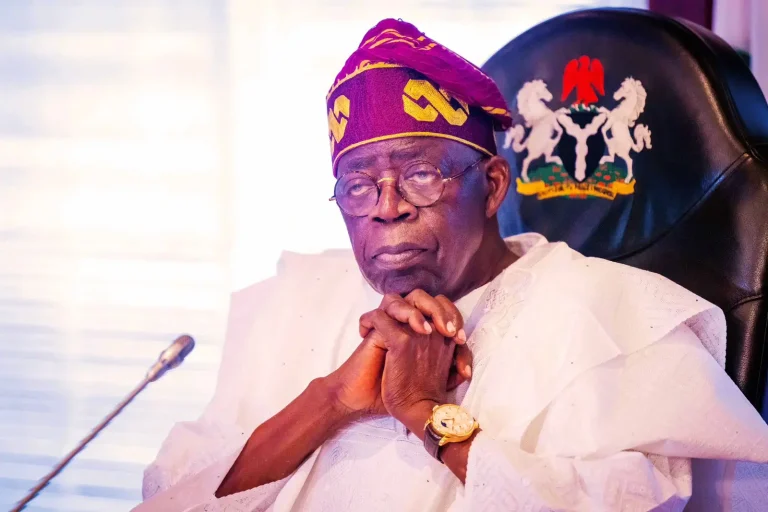
President Bola Tinubu’s prompt response to President Patrice Tallon of the Republic of Benin’s distress call, which was typical of Nigeria’s position on the continent, prevented rogue officers from taking control of the nation in the early hours of yesterday.

Following the appeal for assistance, Tinubu dispatched both air and ground forces from Nigeria, which assisted in securing the neighboring nation and mobilizing the coup plotters, opening the door for the devoted local military personnel to retake control and reinstate democracy.

The Republic of Benin’s failed coup was characterized by the federal administration as a direct attack on democracy, constitutional order, and the collective desire of the Beninese people, who had continuously shown their dedication to a peaceful political transition.

Unconstitutional changes of leadership, according to the government, are unacceptable and a step backward that jeopardizes the subregion’s socioeconomic advancement and hard-won democratic accomplishments.

The attempted military seizure of the Benin Republic’s government was also denounced by the Economic Community of West African States (ECOWAS), which said that it was a subversion of popular will.

However, the Nigerian non-governmental organization (NGO) Campaign for Democracy (CD) cautioned ECOWAS that unless African leaders adopted true good governance that would enhance the lives of their people, its regular denunciation of coups would no longer prevent military takeovers.

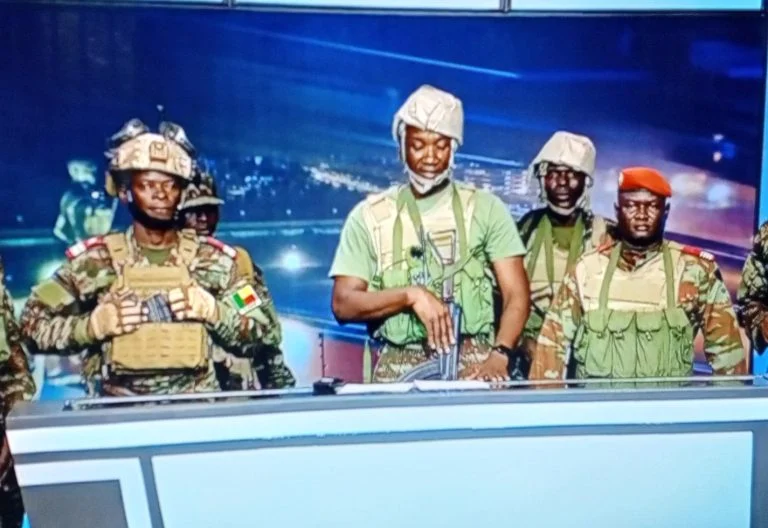
Early on Sunday morning, a group within the Benin Republic’s armed forces had tried to remove Tallon. On Benin’s official television, the troops claimed to have removed Talon from office and disbanded all government agencies.

An attack on Talon’s official residence in the city, Porto-Novo, marked the start of the coup attempt.

“Gunfire was reported at Camp Guezo,” which is close to Talon’s residence, the French Embassy stated on X, advising French nationals to stay inside for safety.

The troops, purportedly under the command of Lieutenant Colonel Pascal Tigri, made a statement during their TV appearance and declared that they had overthrown the president.

They had declared, “The army solemnly commits to give the Beninese people the hope of a truly new era, where fraternity, justice, and work prevail.”

In order to protect the president from the threat posed by the dissident soldiers and reinstate democracy, the loyalist military group later united around him with the assistance of Nigerian troops.

In response to two different requests from the Benin administration, Tinubu first gave the order for Nigerian Air Force fighter jets to enter the nation and seize control of the airspace in order to assist in removing the coup plotters from a military camp where they had regrouped and the national TV station.

In a verbal note, the Ministry of Foreign Affairs of the Republic of Benin asked Nigeria for immediate air support “in view of the urgency and seriousness of the situation and to safeguard the constitutional order, protect national institutions, and ensure the security of the population.”

The Nigerian Air Force’s deployment within Beninese airspace for surveillance and quick intervention missions under Benin-led coordination was the second request made by Beninese authorities.

Additionally, Nigerian ground soldiers were asked by the Benin government “strictly for missions approved by the Beninese Command authority in support of the protection of constitutional institutions and the containment of armed groups.”

Nigerian ground soldiers are currently in Benin, according to General Olufemi Oluyede, Chief of Defence Staff of Nigeria.

“We must obey President Tinubu, the Commander-in-Chief of our armed forces,” Oluyede declared.

Tinubu praised the Nigerian military’s bravery in acting quickly to protect the Benin Republic’s 35-year-old democracy from coup plotters who attacked at first light.

According to a statement from his Special Adviser on Media and Strategy, Bayo Onanuga, Tinubu praised the Nigerian military for their unwavering commitment to upholding democracy.

“Today, the Nigerian armed forces stood gallantly as a defender and protector of constitutional order in the Republic of Benin on the invitation of the government,” he wrote in the statement. Within the framework of the ECOWAS Protocol on Democracy and Good Governance, our military forces operated.

Since 1999, they have contributed to the stability of a neighboring nation, and we are proud of their dedication to upholding our democratic principles and ideals. Nigeria is steadfastly in support of the Republic of Benin’s people and government.

Kimiebi Ebienfa, a spokesperson for the Ministry of Foreign Affairs, also denounced the development in a statement that said, “The Government of the Federal Republic of Nigeria has received with grave concern and unequivocally condemns in the strongest possible terms the attempted forcible seizure of power in our friendly neighbor and brotherly nation, the Republic of Benin, in the early hours of Sunday 7th December, 2025.”

“Democracy, constitutional order, and the collective will of the Beninese people—who have continuously shown their dedication to peaceful political transitions—are directly threatened by this act of destabilization.

“Nigeria expresses unwavering support for the government and citizens of the Republic of Benin and commends the prompt action taken by Beninese authorities to safeguard its legitimate institutions and maintain peace.

“We praise the bravery and expertise of the Beninese security forces in protecting the President’s safety and upholding the constitutional order. The regrettable attempt to undermine democracy was successfully thwarted thanks to their commitment.

“Nigeria reiterates its strong commitment to democracy, good governance, and the rule of law as fundamental pillars for peace, development, and regional stability,” the statement continued.

The hard-won democratic gains and socioeconomic advancement of our subregion are at risk due to undesirable and retrogressive changes of leadership.

“Nigeria calls on all member states and the international community to unite in denouncing this act and in reaffirming our shared commitment to the African Union’s Charter on Democracy, Elections and Governance and the ECOWAS Protocol on Democracy and Good Governance, as a steadfast partner within the Economic Community of West African States (ECOWAS) and the African Union.”

“We urge all parties in the Republic of Benin to maintain composure, respect the rule of law, and continue to channel any political discourse through peaceful, constitutional, and democratic means,” the ministry added.

“As we collaborate as brothers and partners to strengthen democracy and guarantee enduring peace and prosperity for our peoples and the entire West African region, the Federal Government of Nigeria assures the Government of the Republic of Benin of its full support and ongoing cooperation.”

ECOWAS: The People’s Will Is Subverted

The Benin Republic’s attempted military takeover of power was denounced by ECOWAS as a betrayal of the country’s citizens’ will.

“ECOWAS Commission has received with consternation, reports of an attempted military take-over in the Republic of Benin,” the Abuja-based ECOWAS office said in a statement.

“This illegitimate action, which subverts the will of the Benin people, is strongly condemned by ECOWAS.

“ECOWAS praises the government’s and the Republican Army’s efforts to bring the situation under control and demands that the Benin Constitution be fully respected.”

“ECOWAS holds the plot’s leaders individually and collectively accountable for any damage and human casualties caused by their actions.

“ECOWAS will provide the government and people with all necessary support, including the deployment of the regional standby force, to protect Benin’s constitution and territorial integrity.”

Additionally, ECOWAS sent a standby force to the Benin Republic in order to protect constitutional democracy and prevent law and order.

In its second statement, ECOWAS emphasized steps taken to prevent democracy in the Benin Republic.

“Further to its previous announcement on the Republic of Benin, the ECOWAS Commission hereby advises the general public that:

1. In accordance with the terms of pertinent ECOWAS documents, including Article 25(e) of the 1999 Protocol Concerning the Mechanism for Conflict Prevention, Management, Resolution Peacekeeping and Security, and

2. Following discussions among Heads of State and Government in the Mediation and Security Council, a. The Chair of the ECOWAS Authority of Heads of State and Government has directed the immediate deployment of ECOWAS Standby Force components to the Republic of Benin.

b. The Federal Republic of Nigeria, the Republic of Sierra Leone, the Republic of Cote d’Ivoire, and the Republic of Ghana will provide troops for the Regional Force.

“c. To maintain constitutional order and the Republic of Benin’s territorial integrity, the Force shall assist the Government and the Republican Army of Benin.”

CD warns ECOWAS to either improve poor leadership or prepare for more military takeovers.

Campaign for Democracy (CD) cautioned that ECOWAS’s regular denunciations of coups might no longer prevent military takeovers, emphasizing that African leaders must instead adopt true good governance that would enhance the quality of life for their people.

In response to the failed coup attempt in the Republic of Benin early yesterday morning, the pro-democracy group claimed that rather than addressing the underlying causes of the growing demand for soldiers in politics, ECOWAS had reduced itself to a statement-issuing organization after each military incursion.

A statement endorsed by CD’s National President, Pastor Ifeanyi Odili, was signed in Abuja.

According to the statement, “ECOWAS would never serve the African people merely by denouncing coups.” The wave of political instability sweeping the continent can only be stopped by strong regional policies that force governments to maintain justice, accountability, and transparency.

According to Odili, leaderships in West Africa have abandoned responsible administration, plunging their countries into economic hardship, skyrocketing inflation, insecurity, and political uncertainty, which is directly responsible for the growing public frustration in the region.

Any democracy that continuously causes misery to its people, in his opinion, “is destined to collapse, either through revolution or a military intervention.”

He emphasized that governments must have true popular support in order for democracy to continue.

“African politicians cannot continue to lead the continent into hardship and expect the populace to remain passive,” said Odili. When governance fails, the people will always look for other options.

According to CD, the recent trend in a number of African nations, where a growing number of people publicly favored military control over what they called a dysfunctional version of democracy, should worry ECOWAS and force it to reconsider how it addresses the region’s governance issues.

The group called on the regional grouping to adopt a zero-tolerance stance against corruption and incompetent leadership among presidents and political office holders, going beyond mere condemnations.

It stated that if ECOWAS wanted to maintain democracy on the continent, it needed to start demanding moral leadership, the fulfillment of electoral pledges, and stringent accountability from member nations.

“Opposing coups is not enough. ECOWAS must demand that leaders rule with integrity, justice, and fairness. If not, coups will persist, whether they are successful or not, according to Odili.

He stated that only effective governance could shield Africa from frequent upheavals of constitutional order and that democracy can only last when its constituents perceive real advantages from the system they are expected to protect.

It’s Unsettling, Atiku Says

Atiku Abubakar, the former vice president, denounced the attempted coup d’état in the Benin Republic, calling the development—particularly the frequency of incidents—concerning.

“I condemn the coup d’état in the Benin Republic, without reservation and in the strongest terms possible,” Atiku declared in a statement released last night.

“This irresponsible pattern of assault on constitutional order is completely intolerable, not only because of its perilous proximity, but also because military meddling in governance has long since ended in Africa and our subregion.

“It is alarming that these coups are taking place in the impacted nations during election seasons.

“The alleged military takeover in Guinea-Bissau occurred on the eve of the anticipated announcement of that country’s poll results, while the presidential election in Benin is scheduled for April 2026.”

“It raises fears that certain political operators may be using the military to cancel the democratic processes,” Atiku stated.

The West African subregion’s democracy is under risk from this trend, which needs to be reversed before it becomes the norm rather than the exception.

“Every decisive step must be taken to crush any emerging appetite for subverting democracy, and soldiers have no business being anywhere outside their barracks.”
Tersoo Kula – Alia: Benue’s Major Blessing from God in 2023

0

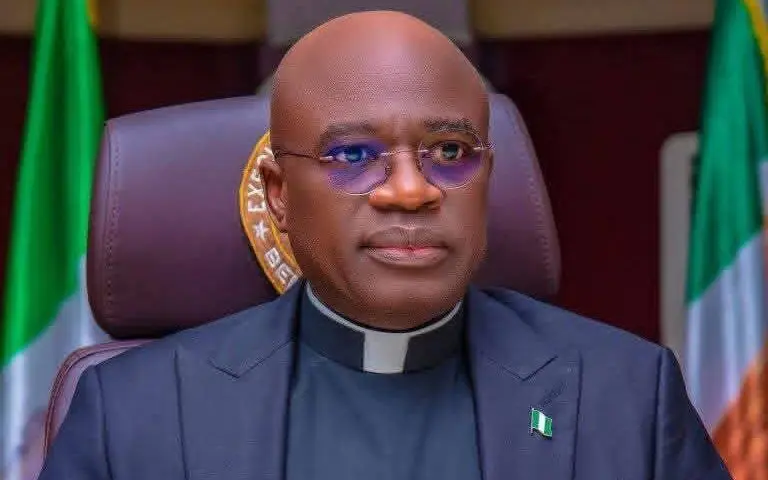
Most people in the North Central State consider Governor Hyacinth Alia’s 2023 election to office in Benue State to be a godsend, especially in light of his unparalleled dedication to promoting social welfare, peace, and development.

Under his direction, the state has seen a revitalized sense of hope and growth, as well as a new surge of popular trust.

Food security and agriculture are two of his most prominent sectors of governing. Benue State, dubbed the “Food Basket of the Nation,” prospers thanks to measures that provide farmers with better inputs, automated machinery, and market access.

For example, the Governor’s administration has made it easier for small-scale and commercial farmers to increase yield by facilitating the distribution of modern irrigation systems and farm implements, such as tractors of various brands and capacities, ranging from 25 horsepower to 95 horsepower, along with a number of complementary farm implements, such as combine harvesters, various types of threshers, planters/fertilizer applicators, excavators, and yam mounders. Thousands of locals’ livelihoods are impacted by this, which not only increases the local food supply but also creates jobs and income.

Governor Alia has shown inspiring leadership in the field of infrastructure development. With extensive reconstruction, building, and office and classroom renovations, special attention is paid to the primary school system, which has been almost ignored up until now. The Igumale-Apa-Agila road, the Awajir-Mbaiase-Oju road, the Mbawuar-Mbause-Anhyula road, the Gbem-Hegha-Use-Ushongo road, the Vandeikya-Tse Mker-Koti-Adikpo road, and numerous other roads connecting rural communities to major towns are at varying stages of completion, cutting travel times and improving trade.

In Makurdi, the state capital of the Food Basket State, the administration of Governor Alia is diligently and quickly rebuilding and enhancing important facilities. In order to facilitate mobility and lessen flooding concerns, major inner-city roads have been built, renovated, drainage systems have been upgraded, and lamps have been erected throughout the state along practically all vital streets and important corridors. The functionality and security of the city have been improved by these unheard-of improvements.

Additionally, his administration has revitalized public utilities and social institutions, such as certain marketplaces, schools, and healthcare facilities. Makurdi now has a cleaner, more orderly, and more habitable appearance appropriate for a contemporary state capital thanks to initiatives in urban sanitation, beautification, and the renovation of public buildings.

Living conditions have directly increased as a result of initiatives like improving healthcare facilities throughout the state and using solar energy to electrify distant settlements. Expanded primary healthcare facilities and freshly furnished hospitals, for instance, guarantee that individuals have improved access to medical care, lowering death rates and enhancing overall community health.

Alia’s administration has also placed a high priority on security and peacebuilding, especially in a state that has traditionally experienced unprovoked attacks, invasions, and intercommunal conflicts. His administration has established forums for settling disputes and fostering harmony through constant coordination with the nation’s security agencies, communication, mediation, and cooperation with local authorities. Initiatives for community policing have been introduced, equipped, and funded, strengthening security and guaranteeing that people feel secure in their homes and places of business.

His emphasis on education and young empowerment is another blessing. Governor Alia has made it possible for young people to make significant contributions to society by offering bonds and scholarships, skill development programs, and vocational training, such as the training of nearly 10,000 in ICT. For instance, many young people have benefited from technical education programs and agricultural training programs. For instance, more than 900 of them have received instruction in the assembly and repair of tractors and other mechanized machinery and equipment, giving them the practical skills they need to be independent.

Commence and Industry is not excluded because the state’s industrialization is in full swing, with factories producing orange juice, nails, water, bread, and beer already taking off and yielding. These have already made the state’s youth happy, and they will soon increase Internally Generated Revenue (IGR).

Finally, transparency, accountability, and cooperation are key components of Governor Alia’s style of governance. His administration regularly involves stakeholders in decision-making, ensuring that policies reflect the demands of the people, in addition to reinstating discipline and order in the civil service and restoring the dignity of the Benue workers. This unique inclusive strategy fortifies the state’s democratic process and increases trust.

As a result, Benue State’s infrastructure, healthcare, education, agriculture, security, youth empowerment, and good governance have all been impacted by Governor Hyacinth Alia’s leadership. The Governor’s election to office in 2023 is a blessing that promises social stability, long-term progress, and an enhanced standard of living for the people of Benue State through his practical and people-centered policies.

Therefore, it is safe to say that the Benue people’s election of Rev. Fr. Hyacinth Alia as governor was a wise decision. His developmental footprints are clearly apparent throughout the state. The vision remains. Just as the Reverend Gentleman himself has continued to reverberate at public forums, the commendable steps highlighted are only the tip of the iceberg. With a burning passion, he has his sights set on the goal post and will deliver more during the next six years of his administration.

On the streets, we rely on testimonials. Benue is larger than any one person. People are conversing. The decision was made by the people, and they are already pleased with it. The Clarion call is for the Benue people to continue praying for Governor Alia and his administration, as well as for God’s blessing.

The governor’s chief press secretary, Sir Tersoo Kula.

Face-Off Resumes in Rivers as Wike-Backed Lawmakers Take on Fubara

0

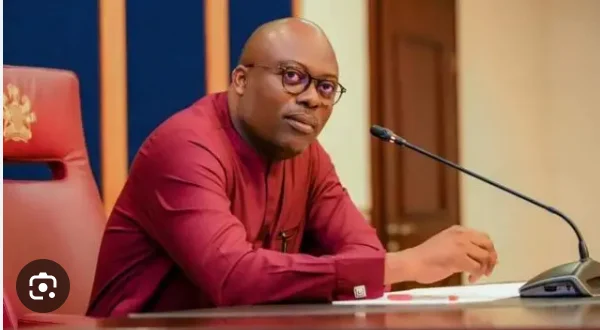
Just three months after Federal Capital Territory Minister Nyesom Wike and his political son, Governor Siminalayi Fubara, reached a peace agreement, Rivers State’s political players are preparing for yet another crisis.

There will be another confrontation between the governor and the members of the Rivers State House of Assembly, led by Speaker Martins Amaewhule and loyal to the FCT Minister.

Recall that in late 2023, just months after the governor took office, a political dispute arose as a result of a fierce struggle between Fubara and Wike over control of the state’s political system.

After the Martins Amaewhule-led state Assembly members entered the conflict in 2024, the confrontation between the two leaders got worse.

Recall that on December 11, 2023, roughly 27 MPs who supported the FCT Minister defected from the Peoples Democratic Party (PDP) to the All Progressives Congress (APC).

However, the defection was not warmly received, and on July 6, 2024, members of the house supported by Fubara declared their seats empty, intensifying the state’s political unrest.

The situation persisted until President Bola Tinubu proclaimed a state of emergency in Rivers on May 18, 2025, suspending Fubara, his deputy, and members of the State House of Assembly for six months.

But when Tinubu met with Fubara, Wike, and Amaewhule at the State House on July 27, 2025, he mediated a settlement between the warriors.

Just three months later, on December 1st, 2025, Amaewhule harshly denounced Governor Fubara’s administration, accusing it of ignoring the state’s public primary and secondary schools. This marked the beginning of a new chapter in the crisis.

Amaewhule was heard stating that the deterioration under government control is intolerable and shameful in a widely shared video.

It is “a sad commentary,” according to Amaewhule, that public schools in the oil-rich state have gotten so bad that students are learning without teachers, vandals have taken over school property, and one teacher is required to teach two courses at once.

16 lawmakers abandon Fubara’s PDP

On Friday, December 5, Amaewhule and fifteen other assembly members defected from Fubara’s PDP to the ruling All Progressives Congress, indicating the start of yet another crisis in the state.

Deputy Speaker Dumle Maol (Gokana), Major Jack (Akuku-Toru), Linda Stewart (Okrika), Franklin Nwabochi (Ogba/Egbema/Ndoni), Azeru Opara (Port Harcourt 3), Smart Adoki (Port Harcourt 2), Enemi George (Asari-Toru 2), and Solomon Wami (Port Harcourt 1) are among the fifteen legislators.

These include Arnold Dennis (Ogu/Bolo), Peter Abbey (Degema), Aforji (Eleme), Tekena Wellington (Asari-Toru 1), Looloo Opuende (Akuku-Toru 2), Chimezie Nwankwo (Etche), and Ofiks Kabang (Andoni).

Assembly-related queries The postponement of Fubara’s commissioner presentation

The assembly confronted the governor on Friday for postponing the submission of a list of commissioner-nominees for screening, which was another indication of a new crisis.

Recall that in September 2025, when the House met for the first time after the emergency rule was suspended, the Assembly asked the governor to send a list of commissioner nominations in order to guarantee efficient state government.

According to the Supreme Court’s verdict, Fubara had previously fired all commissioners chosen during the height of the political crisis because they had not been vetted by the Assembly, which is recognized by the constitution.

But the governor’s inability to send the house a new list of commissioner-nominees has led to yet another confrontation.

Rivers residents don’t need this right now, according to ADC Chairman

The state does not currently require another wave of crises, according to Leader Sampson, Chairman of the African Democratic Congress (ADC), Rivers State branch.

In an interview, Sampson cautioned the assembly members and all stakeholders involved in the developing situation not to put the lives of Rivers people in danger for personal gain.

“Obviously, the state does not need this at this time,” he stated. Following the resolution of their previous problems and the lifting of the state of emergency, we anticipated that the legislative and executive branches of government would work together to advance the state.

But what we observe is what we predicted earlier. We were aware of their self-serving motivation for achieving peace at that time.

“We are unable to even call that one peace agreement.” Certain people’s interests led to the agreement of terms.

As soon as Amaewhule chastised the governor, we were certain that trouble was brewing. When they discussed schools, they were merely searching for a way to pin the governor. They had already decided what they intended to do.

“Everyone is free to engage in politics, but not at the expense of the Rivers people.”

Austin Okai: “They have left Fubara behind.”

In response, Austin Okai, a prominent member of the Peoples Democratic Party (PDP), questioned why the governor was left out of the party in spite of the reconciliation.

Some of the governor’s followers have also deserted him, according to Okai, who called Fubara “back to his vomit.”

“Despite reconciliation, Wike’s train moved to the APC without carrying him,” he stated.

“Those who stood by him have also deserted him since he returned to his own vomit, leaving him lonely.”

‘Replicate Benin Might Against Terrorism’ — Adeyanju Tells President Tinubu

0

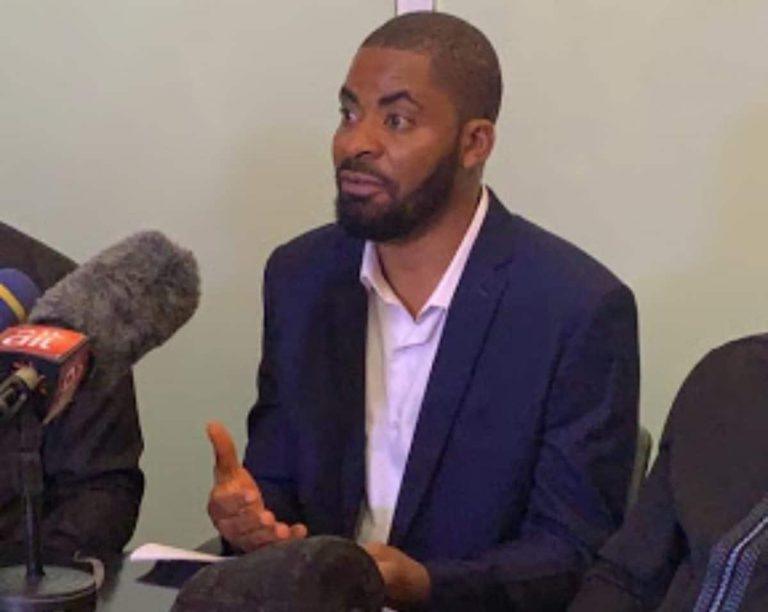
Deji Adeyanju, a human rights attorney and activist, has called on President Bola Ahmed Tinubu to fight terrorism and insecurity in Nigeria by using the same forceful military action that prevented the recent coup attempt in the Republic of Benin.

According to the newspaper, Adeyanju made this request in a statement on Monday, thanking President Tinubu’s leadership and the Nigerian Armed Forces’ prompt response in preserving democracy in the neighboring West African nation.

Adeyanju declared, “As a Nigerian who values democracy and recognizes the perils of military rule, this is a truly proud moment for me.”

He called Nigeria’s response, which included synchronized ground tactics and Air Force fighter jets, a daring and admirable action that demonstrated the country’s ability to protect democratic ideals outside its boundaries.

He continued, “Let this serve as a clear signal to everyone who seeks to subvert democracy in the Sahel that their days are numbered.”

Adeyanju praised the international assistance but cautioned that if Nigeria does not take significant action to address its domestic security issues, the victory in Benin would be meaningless.

The activist emphasized, “So that Nigeria can truly lead by example, the same might displayed in Benin should be applied with even greater resolve to crush the terrorist groups operating within our borders.”

According to Adeyanju, Nigeria’s leadership in the Economic Community of West African States (ECOWAS) and its position as a regional force must result in significant security for its own people.

“Only when people at home feel safe, secure, and protected from insurgents and armed groups is leadership at the regional level valuable,” he declared.

His remarks are made against the backdrop of recurrent terrorist attacks and banditry in Nigeria’s North-East, North-West, and North-Central regions, despite ongoing military assaults.

President Tinubu was urged by Adeyanju to tackle domestic security with the same urgency and gravity as the Benin intervention.

$20,000 Cash Exchange: HEDA Petitions EFCC Against Fayose and Obasanjo

0

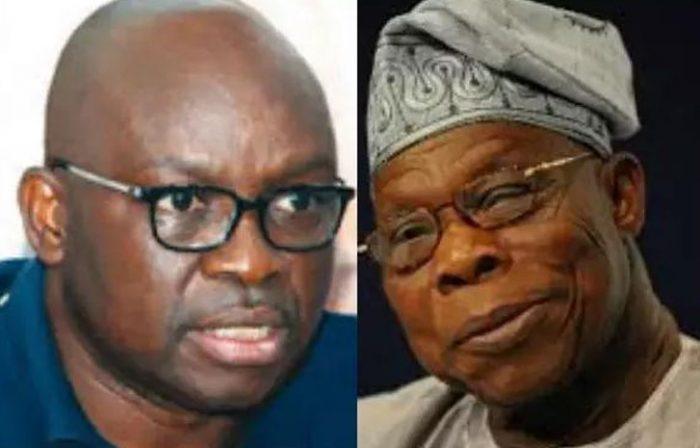
The Economic and Financial Crimes Commission (EFCC) has been asked by the Human and Environmental Development Agenda Resource Centre (HEDA) to look into a suspected money-laundering transaction involving former president Olusegun Obasanjo and former Ekiti State governor Ayodele Fayose.

HEDA cited a media article from November 25, 2025, in which Fayose acknowledged paying Obasanjo $20,000 in cash as logistical support for attending his 65th birthday celebration in Lagos, in the petition filed by its Chairman, Olanrewaju Suraju. In response, Obasanjo acknowledged in public that he had returned the $1,000 payment.

The group claimed that both men’s admissions violated the Money Laundering (Prevention and Prohibition) Act, 2022, which requires bigger amounts to be sent through financial institutions and caps individual cash transactions at ₦5 million.

Section 19 of the Act stipulates penalties for such unlawful activities, according to HEDA.

According to Suraju, Fayose and Obasanjo’s remarks were unmistakable confessions of an illegal financial transaction that was carried out well above the permitted cash barrier.

In order to preserve the integrity of Nigeria’s anti-money-laundering system, he encouraged the EFCC to look into and prosecute the incident immediately.

The organization warned that ignoring the episode would erode public trust in anti-money-laundering authorities and jeopardize current attempts to stop the dollarization of the economy.

It used Mr. Precious Uzondu’s recent conviction for foreign exchange transactions as proof of the EFCC’s renewed commitment to upholding the law.

HEDA asked the Commission to take the issue seriously and reiterated its commitment to fostering accountability.

Kwankwaso: “The Federal Government Is Struggling to Contain Nigeria’s Worsening Insecurity”

0

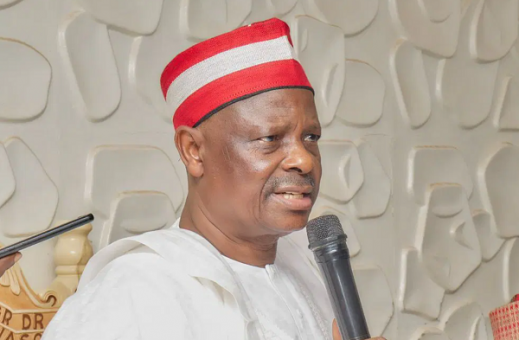
Rabiu Musa Kwankwaso, the former governor of Kano State, has voiced serious worries about Nigeria’s present insecurity issues.

According to reports, Kwankwaso bemoaned that the federal government seemed overburdened and unable to adequately address the nation’s insecurity issues in a personally signed statement posted on his 𝕏 account on Monday.

He claims that state governments’ support of the use of vigilante security groups exposes the federal government’s incapacity.

However, he bemoaned the fact that the vigilante groups lack adequate training and that their use is promoting the spread of light guns and small arms throughout the nation.

“I am deeply concerned about the situation of our national affairs in light of the recent happenings in our country.

“Having worked in the system for many years, I am aware that the Federal Government, working with state and local governments and other crucial partners, has the major responsibility for addressing Nigeria’s growing insecurity.

Unfortunately, it seems that the federal government is overburdened. Its implicit support for state governments setting up and using vigilante security groups with little to no formal training is clear evidence of this. Despite its good intentions, this strategy has unintentionally contributed to the unchecked spread of small guns and light weapons throughout the nation.

The worst part is that people have started to take advantage of this by organizing militias, as some political forces are doing. The precarious peace in our nation is further threatened by such conduct, Kwankwaso wrote.

The former minister of defense went on to express worries about instances of hate speech, harassment, and intimidation on social media motivated by religious and ethnic prejudice, as well as the ethnic profiling of some individuals in other parts of the nation.

He urged the federal government to act quickly to resolve the issues before they became unmanageable.

The growing trend of ethnic and regional profiling of Nigerians within their own nation is equally concerning. Unsettling stories of people being arbitrarily targeted, harassed, detained, and in some cases tortured in other parts of the country have surfaced recently, especially from one region of the country. This is made worse by the rise in hate speech, intimidation, and harassment on social media, which is frequently motivated by religious and ethnic jingoism. The cohesiveness and unity of the country are seriously threatened by these developments.

“To stop these risky trends before they get out of control, the federal government must move quickly and forcefully.

As the Chairman of the Committee on the Control of Small armaments and Light Weapons and a former Minister of Defense, Kwankwaso continued, “I find the current ease with which arms are circulating across the country deeply alarming and unacceptable.”

Nonetheless, he expressed faith in General Christoper Musa (rtd), who was just nominated as Nigeria’s Minister of Defense, to stabilize the situation and turn the tide in the nation’s favor.

Lastly, I would like to extend my heartfelt congratulations to General Christopher Gwabin Musa on his merited appointment as Minister of Defense. The former presidential candidate said, “I am certain that, with the required political will and support, he possesses the competence and experience to make a significant difference in restoring security and stability to our nation.”

Hon. Philip Agbese’s Rising Influence Sparks Nationwide Momentum Ahead of 2027 Elections

0

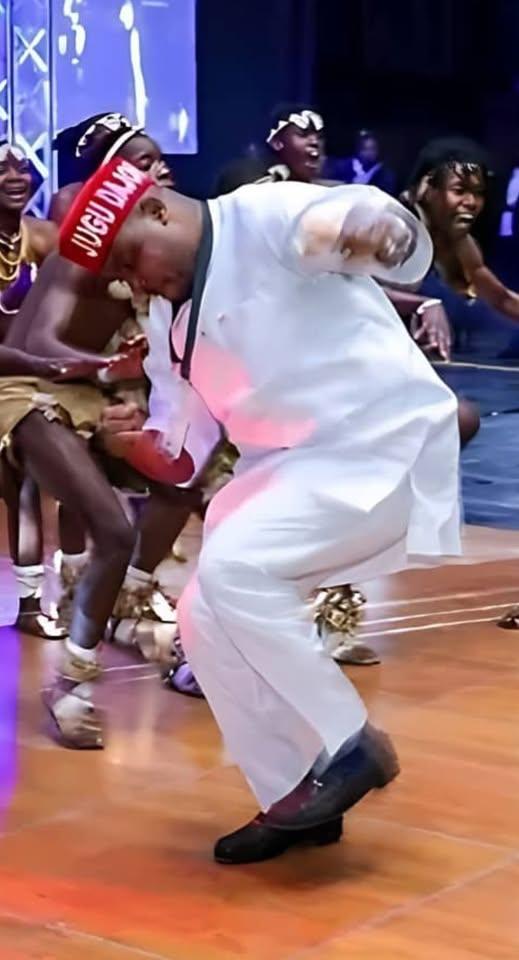
The political momentum surrounding Hon. Philip Agbese, widely known by his popular moniker Okanga, continues to gain remarkable strength as Nigerians increasingly recognize his exceptional leadership qualities and growing national relevance. From earning the admiration of Zulu cultural performers in South Africa to delivering bold and impactful interventions in the Nigerian Parliament, Hon. Agbese has repeatedly demonstrated why many believe he is destined for greater leadership roles.

During a recent visit to South Africa, Hon. Agbese was warmly received by Zulu dancers who applauded his charisma, openness, and cultural connection. His ability to engage meaningfully with people across borders showcased the diplomatic strength and global appeal that many Nigerians say the country urgently needs.

Within the Nigerian Parliament, Hon. Agbese has consistently stood out as one of the most vocal and courageous legislators of his time. His passionate speeches, fearless advocacy, and unrelenting defense of public interest have earned him admiration across political divides. Whether addressing issues of security, community development, youth empowerment, or national cohesion, his voice has remained strong, steady, and impactful.

Political observers note that Hon. Philip Agbese represents a refreshing brand of leadership—energetic, relatable, visionary, and grounded in service. His record of community engagement and constituency-driven initiatives has further solidified his reputation as a leader whose actions match his words.

As Nigeria slowly approaches the 2027 general elections, the nationwide call for a leader with his character and competence continues to grow louder. Supporters across states insist that his leadership has been tested and trusted, and that the country needs his kind of courage and clarity now more than ever.

Across communities, political gatherings, and online platforms, one message is echoing powerfully:

“Okanga Again!!”

Army Halts Officers’ Retirement as Security Crisis Deepens

0

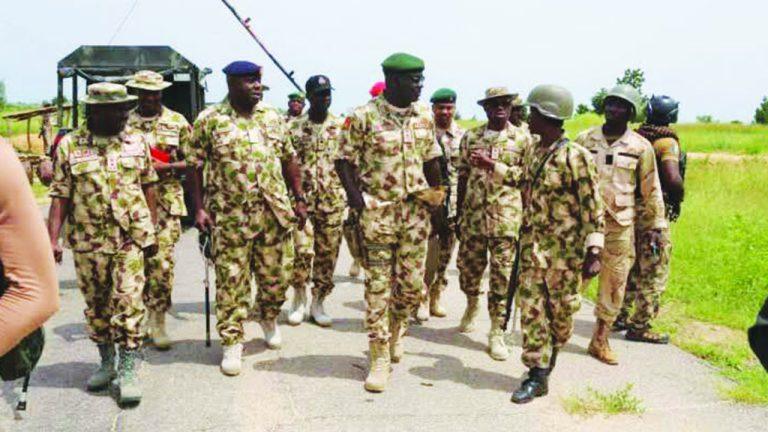
Following President Bola Tinubu’s declaration of a national security emergency, the Nigerian Army has stated that all statutory and voluntary retirements for specific categories of officers will be suspended.

With almost 600 mass kidnapping cases reported in November alone, the action is a reaction to the nation’s growing insecurity. Among the notable events were the abduction of more than 300 students in Niger State, 38 worshippers in Kwara State, and 25 students in Kebbi State.

President Tinubu declared a national security emergency on November 26 in response to these crimes, ordering the military, police, and intelligence services to greatly increase recruiting and deploy thousands of additional troops in order to counter the growing number of kidnappings and acts of terrorism.

The decision to halt retirements for impacted officers was detailed in an internal memo dated December 3 and signed by Maj. Gen. E. I. Okoro on behalf of the Chief of Army Staff.

As the Armed Forces step up efforts to address the escalating security issue, the directive emphasized the necessity of keeping experienced people to sustain operational capacity.

Referencing the Harmonised Terms and Conditions of Service Officers (HTACOS) 2024, the memo stated that although officers are typically expected to retire upon reaching their age limit, completing 35 years of service, or following repeated promotion or conversion failures, extensions of service are allowed under Paragraph 3.10(e) in the interest of the military’s operational needs.

“A commissioned officer’s military service comprises a period of uninterrupted service in the AFN from the date of enlistment or commissioning to the date of retirement,” the document stated in part. The terms outlined in the HTACOS Officers 2024 define the duration of service. These include meeting age restrictions on different ranks, serving for a maximum of 35 years, and meeting additional requirements listed in Paragraphs 11.02(d) and 17.15, among other current regulations.

“Chapter 3.10(e) of HTACOS Officers 2024 permits officers to extend their service in the interest of the service, despite these limitations.

On November 26, the President and Commander-in-Chief proclaimed a national security emergency, requiring the AFN and other security agencies to be expanded. In keeping with this, it has become necessary to temporarily halt all statutory and voluntary retirements from the Nigerian Army with immediate effect in order to quickly increase manpower.

The circular states that officers who have failed promotion exams three times, passed promotion boards three times, reached the age limit for their ranks, failed conversion boards three times, and completed 35 years of service are all subject to a temporary suspension.

Affected officers may request to serve over their regular retirement dates, according to the Army.

“Officers in these categories should proceed with the standard retirement process if they are not interested in extending their service. According to the document, officers who want an extension should be aware that they will not be able to advance in their careers through career courses, promotion, NA sponsorship, self-sponsored courses, secondment, or extra-regimental postings.

It stated that the policy will be revised as the security situation improved and instructed all commanders to control morale and distribute the directive.

Ex-Generals and Veterans React to Retirement Suspension
In an interview with Punch, Awwal Abdullahi, Secretary-General of the Military Veterans Federation of Nigeria, described it as a positive step.

“I firmly support it,” he declared. In addition to being insecure, these policemen receive taxpayer funding for their training, yet due to appointments, many are retiring early.

When service heads are appointed, junior officers are asked to leave; however, if their junior is selected, these officers can be transferred to the defense headquarters, where they will directly report to the chief of defense staff.

Additionally, it is a waste of money to retire these trained officers because you appointed their junior because the majority of them have more experience than the junior ones. Thus, I believe that delaying retirement is the best course of action.

Additionally, retired Brigadier General Peter Aro stated that keeping experienced staff would help stabilize command structures during ongoing operations and that the policy was a legitimate short-term emergency reaction.

The Army must improve welfare and offer additional financial incentives, he said, even though the extension’s voluntary character was praiseworthy.

“Retaining seasoned officers and soldiers will help stabilize command, preserve operational experience, and prevent leadership gaps given the scale of insecurity and the shortage of experienced personnel,” Aro said. That aspect of the policy is praiseworthy as officers are required to demonstrate voluntary interest.

However, there must be appropriate welfare and financial incentives because they will not be able to advance in their careers or receive promotions. A higher wage and benefit package based on seniority and the extra years they must serve should be offered to those who have used up all of their opportunities for advancement, age restrictions, or service years. Many might turn down the offer in the absence of such rewards.

In addition, he urged the military to eliminate the “silent dichotomy” between regular officers and short-service entrants and advocated for aggressive recruitment, expedited training, better welfare, and reforms to solve manpower shortages.

Brigadier General Bashir Adewinbi (retd.), another retired commander, supported the suspension as well, characterizing it as a sensible measure in a crucial security scenario.

He said that continuing to serve the country after a typical retirement should be viewed as a pleasure and a chance to do so.

This system is well-structured. “I am confident that the leadership will make any necessary changes to the terms and conditions of service,” he stated.

Adewinbi insisted that the current institutions would minimize confusion, dismissing worries that officers who failed promotion exams could find it difficult to serve under junior commanders.

The policy was also applauded by retired Brigadier General George Emdin, who urged the military to abandon the custom of retiring commanders when their classmates become service heads, claiming that this approach deprives the military of important knowledge.

He was against keeping cops who consistently failed promotion tests, nevertheless.

He continued, “The work is dangerous; their welfare should be top-notch.”

Senate Clears Air: No Petitions Submitted Against Ambassadorial Nominees Yet

0

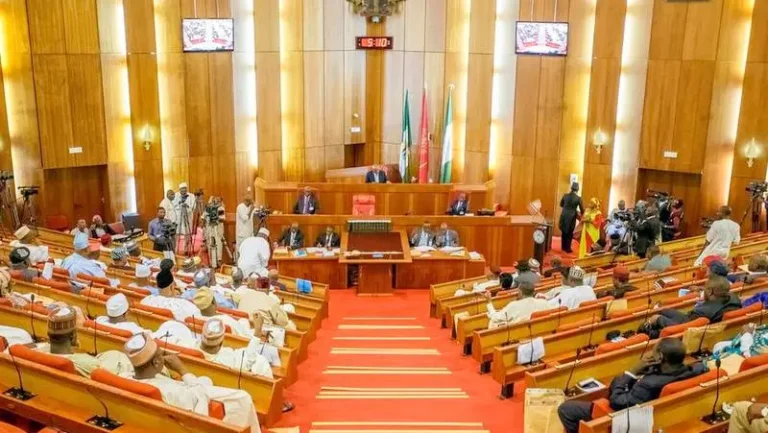
The Senate has made it clear that it has not yet received any official petitions against the most recent list of ambassadorial nominees.

While there have been public complaints about the nominees, Senate spokesperson Yemi Adaramodu clarified in an interview with Sunday Punch that the Senate can only take action on written petitions that are received through the appropriate channels.

He mentioned that the Senate Committee on Foreign Affairs has been tasked with reviewing the screening procedure and providing a report within a week.

We have not yet received a petition opposing any nomination. I only read the list on Thursday. We anticipate that the committee would forward any petition to the Senate, Adaramodu stated.

Adaramodu underlined that the nominees’ screening by the committee is merely the initial stage of the procedure. The entire Senate will have the chance to interrogate each nominee following the committee’s review before making a final decision.

He went on to say that the Senate still has the authority to reject any nominee who, in light of the committee’s conclusions, is judged unsuited for the position.

“The committee will present its report to plenary following the screening, and the entire Senate will then review the report.” The screening of nominees is not final at the committee level. He clarified that the Senate, the larger chamber, has the authority to accept, reject, or change the committee’s conclusions.

Adaramodu reaffirmed that the Senate would take immediate action in response to any legitimate accusations or petitions made against any nominee.

“Upholding, rejecting, or sustaining the committee on foreign affairs’ report is the responsibility of the committee of the whole, led by the Senate President as chairman,” he said.