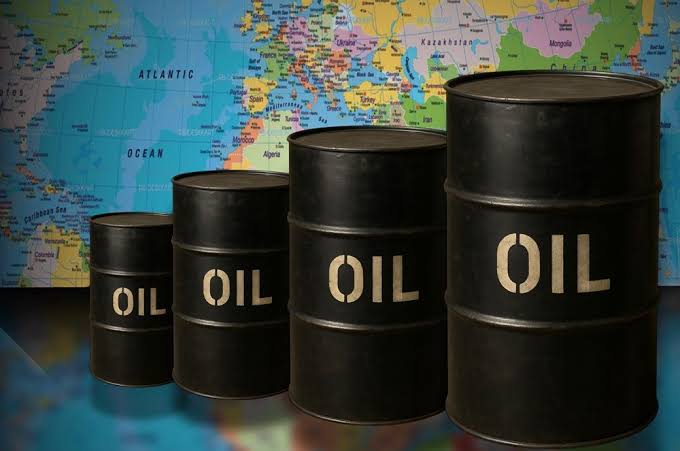
Nigeria’s struggling revenue profile is set for a rise as Brent crude yesterday, rose above $100 a barrel for the first time in nearly two months, hitting $100.69 over escalating attacks on commercial shipping in the Red Sea deepen concerns that the Middle East supply crisis is spreading beyond the Strait of Hormuz.
The 2026 federal budget of Nigeria is based on an oil price benchmark of $64.85 per barrel and targeted crude oil production of 1.84 million barrels per day.
The latest crude oil price increase is an increase of $36.42 per barrel above the projected oil price benchmark of $64.85.
Front-month Brent for September delivery was trading at $100.69 a barrel by mid-morning Thursday, up more than seven per cent on the day after touching an intraday high of $101.01. WTI was also sharply higher. The entire Brent forward curve moved higher as traders priced in a greater risk of prolonged supply disruptions.
The latest leg higher follows claims by the Houthis that the group attacked two Saudi oil tankers in the Bab el-Mandeb Strait, after declaring a naval blockade of Saudi exports earlier this week. Several ships are reported to have changed course or delayed their transit through the chokepoint, threatening the export route. Saudi Arabia has relied on to avoid disruptions in the Strait of Hormuz.”
Read Also: NCC, REA Collaborate On Mini-Grid Initiative To Enhance Rural Connectivity
The move is further escalation for a market that had spent weeks betting geopolitical risk would ease. Brent crude has climbed about 20 per cent in around two weeks as repeated attacks on commercial shipping, renewed fighting involving Iran and escalating export disruptions have steadily eroded expectations of a swift return to normal oil flows.
The rally is not just about fears around Hormuz anymore. Kazakhstan has started cutting oil production following drone attacks that stopped tanker loadings at the Caspian Pipeline Consortium terminal on the Black Sea. Indian state refiners have stopped loading Iraqi crude due to risks to shipping through Hormuz. Months of Ukrainian drone strikes on refineries continue to limit Russian fuel exports.
And so are the physical markets. Futures are tightening. Governments around the world have already released hundreds of millions of barrels from strategic reserves since the Middle East conflict began, commercial stocks have fallen sharply and China has slashed imports by drawing on stockpiles built up before the war. Those buffers are slowly disappearing.
The market is back in territory many analysts believed had been avoided with Brent’s return to triple digits after the U.S.-Iran memorandum of understanding briefly reopened hopes for a normalization of Middle East exports. But those expectations have quickly unravelled as the conflict has widened from Hormuz to the Red Sea, putting two of the world’s most important oil shipping routes under simultaneous threat.