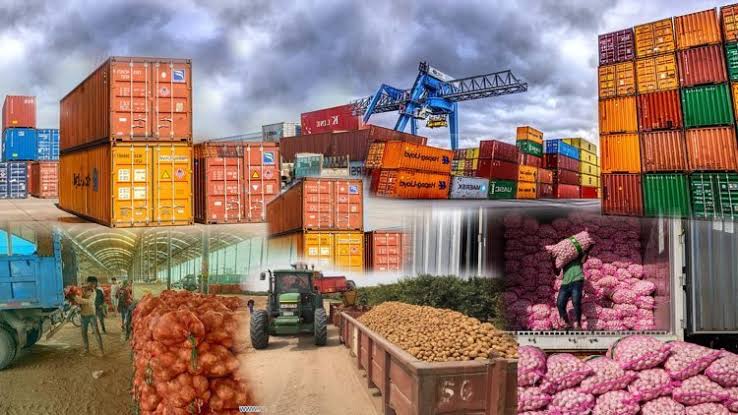
More than 100 days after China introduced zero-tariff treatment for 53 African countries with diplomatic ties, African exports to China are expanding, while businesses across the continent are increasingly moving toward processing, packaging and higher-value production.
Since May 1, African products including avocados, apples, oranges, blueberries, wine, coffee and chili have gained greater access to the Chinese market.
Chinese customs data shows imports from Africa reached 193.8 billion yuan (28.72 billion U.S. dollars) in May and June, representing a 23.5 percent year-on-year increase.
Imports of avocados, apples and oranges rose by 130 percent, 89.6 percent and 27.9 percent respectively.
The first shipment benefiting from the policy was 24 tonnes of South African apples that entered China through Shenzhen Bay Port on May 1. Since then, products from Kenya, Zimbabwe and other African countries have increasingly appeared on Chinese supermarket shelves.
South African wine exporters have also reported renewed interest from Chinese buyers. Steffi Layer of Diemersdal Wine Estate said, “what we have seen is that importers that had imported wines from South Africa have decided to revisit the category and have shown interest again.”
She added that upcoming shipments would “absolutely” benefit from the policy because “the pricing will be more competitive than before.”
China has also expanded market access through quarantine arrangements and trade facilitation measures, allowing products such as African coffee, cashew nuts, dry chilies and wild aquatic products to enter the Chinese market more easily.
For Zimbabwe, the policy helped facilitate its first-ever blueberry shipment to China. ZimTrade CEO Allan Majuru said, “Access to China opens room for increased production, stronger cold-chain infrastructure, better packaging, more certification capacity and expanded employment along the value chain.”
Industrial Upgrade
The policy is also encouraging African producers to move beyond exporting raw materials.
In Rwanda, Fisher Global shifted from exporting dried chili to supplying higher-value pickled chili products.
General Manager Herman Uwizeyimana said, “The zero-tariff treatment has breathed new life into our chili business,” while noting that new Chinese buyers were showing interest in the company’s products.
He added, “This new venture has opened up broader markets for Rwandan chili exports and has set higher standards for our company’s product selection and quality.”
Robert Rukundo of the Horticulture Exporters Association of Rwanda said, “For Rwandan exporters, especially small and medium-sized enterprises, this (zero-tariff treatment) creates a more competitive business environment where price is no longer as significant a barrier as before.”
African coffee producers are experiencing similar opportunities. Ethiopian company Awo Coffee sends about 90 percent of its roasted products to China, while Ethiopia’s coffee industry expects China’s growing demand for specialty coffee to make the country one of its biggest export destinations.
Experts argue that the policy’s success should not be judged solely by export volumes. Paul Frimpong of the Africa-China Center for Policy and Advisory said, “The real impact (of China’s zero-tariff treatment) should not be measured only by the volume of exports during the first 100 days. We should also look at whether African businesses are improving their quality standards, packaging, certification and production capacity.”
He further stressed the importance of local processing, saying, “For Ghana, this is a major opportunity because we should not continue exporting mainly raw cocoa beans, raw cashew nuts, and other unprocessed products. We need to process, package, and brand more of these goods locally before exporting them. That will allow us to retain more value and create more jobs at home.”
African Union Chairperson and Burundian President Evariste Ndayishimiye similarly described the opportunity as one that could deliver “higher incomes for our products, the creation of sustainable jobs for our youth, and, above all, the development of local processing so that added value remains on the African continent.”
The policy is being presented as part of a broader China-Africa economic partnership focused on trade, industrialisation and modernisation.
Meanwhile, China’s exports of electromechanical products to Africa reached 534.11 billion yuan (79 billion dollars) in the first half of 2026, up 28.8 percent year-on-year. Around 75 percent of China’s exports to Africa consist of capital and intermediate goods that support industrial and agricultural development.
Charles Onunaiju of Nigeria’s Center for China Studies said, “What China offers Africa is not simply aid. It offers Africa an opportunity for transformation through production, industrialisation and trade.”
With expanding market access, growing African exports and increased emphasis on local processing, China’s zero-tariff policy could deepen economic ties while helping African economies capture more value from their resources and production.