The Nigerian government has scheduled an emergency meeting on Wednesday in response to a planned nationwide protest slated for August 1, 2024.
This is according to a circular signed by the Permanent Secretary of the Cabinet Affairs Office, Richard Pheelangwah, dated July 23, 2024, titled, ‘Planned Nationwide Protest.’
It read, “I am directed to invite you to attend a meeting with the Secretary to the Government of the Federation on the above subject slated as follows: July 24, 2024, Time: 10 am prompt, Venue: Office of the Secretary to the Government of the Federation Conference Room.”
The meeting comes after President Bola Ahmed Tinubu through the Minister of Information, Mohammed Idris pleaded with Nigerians to halt the planned protest.
In an interview with state house correspondents on Tuesday, the Minister said Tinubu’s administration needed more time to execute people-oriented programs.
“On the issue of the planned protest, Mr President does not see any need for that. He asked them to shelve that plan and he has asked them to await the government’s response to all their pleas,” he said.
Meanwhile, the planned protest comes amid the spiraling hardship in Nigeria as core inflation and food inflation increased to 34.19 percent and 40.87 respectively.
The implication has continued to impact on prices of commodities as the purchasing power of Nigerians shrinks.
Nigerians had insisted on the protest despite the recent approval of the N70,000 minimum wage and its passage on Tuesday by the Nigerian Senate.
The protest was inspired by the month-long protest in Kenya which saw citizens demanding the reversal of the Finance Act and other anti-policies by the Kenyan Government.
August 1 Protest: Nigerian govt holds emergency meeting with Ministers
August 1 Protest: Nigerian govt holds emergency meeting with Ministers
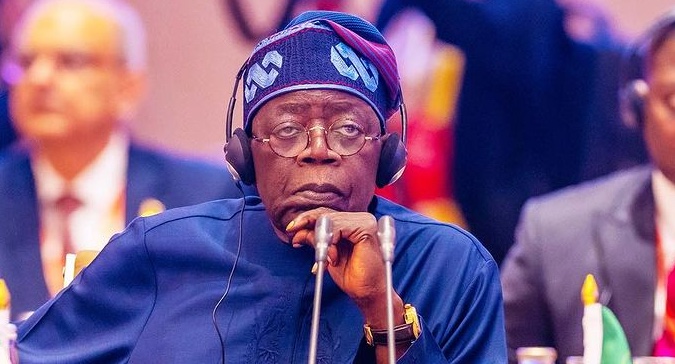
Hardship: Monitor palliatives sent to states – PR expert, Oyawale begs Tinubu

A public relations expert, Otunba Olufemi Oyawale, has emphasized the need for the palliatives, especially the trucks of rice sent out to states, to be monitored by President Bola Tinubu.
He also said that a transparent and accountable government would ward off allegations of poor performance by citizens.
Oyawale stated this while presenting a lecture titled, “The Future of Public Relations in a Changing World: Journey in the Nigerian Federal Civil Service,” at an event organised by the Head of Service of the Federation to commemorate the International Public Relations Day, 2024, in Abuja on Tuesday.
Dr. Folasade Yemi-Esan, Head of Civil Service of the Federation, became a fellow of the Nigerian Institute of Public Relations, NIPR, on July 23, 2024.
Oyawale said, “The President and the Federal Executive Council should put down their feet and ensure that LGA money is paid to them. It’s very very crucial.
“Talking about palliatives, I think the government should do more than just sending out trucks of rice. The palliatives need to be monitored.
“If you don’t monitor it, anything can happen to them. You know what Nigeria is. Some people may just sit on it and just give out a few bags.
“The President shouldn’t let that happen. Whatever that is sent out should be monitored because there’s poverty in the land. I pray that poverty will not kill us. All those in position to do so should explain what the government is doing.”
Speaking further, the Public Relations expert added, “Although government can function successfully to a certain extent without telling the public what it is doing or plans to do, experience shows that an ‘open’ government wards off rumour mongering, lack of understanding and accusations of inactivity by the public.”
Hardship: Monitor palliatives sent to states – PR expert, Oyawale begs Tinubu
Task force arrests 40 roadside traders


The Lagos State Task Force on Environment and Special Offences Enforcement Unit has arrested 40 persons for allegedly trading on the street at night and causing heavy traffic in Ikeja.
The agency’s spokesperson, Gbadeyan Abdulraheem, confirmed the arrests to the News Agency of Nigeria on Tuesday.
In a statement sent to The According, Abdulraheem also noted that the suspects had been operating illegal night street trading and restaurants at Alade Avenue, Orishe and Johnson Streets, all off Obafemi Awolowo Way in Ikeja.
“They converted streets to mini-markets and restaurants, thereby causing serious human/vehicular traffic obstructions and serious environmental pollution along those routes and adjoining streets,” he said.
The spokesperson said the two-day night raid led by the agency’s Chairman, CSP Adetayo Akerele, was carried out when the traders erected makeshift shops and placed barricades on parts of the road, causing traffic impediments.
Abdulraheem noted that the suspects also flouted the state’s laid-down environmental laws through indiscriminate disposal of waste and solid materials into the gutters in the area.
He said, “The raid will be a continuous exercise as a step made in the interest of the citizenry who have longed for solutions to the menace of street trading.
“Some of these locations serve as a haven for suspected criminals and they enjoy the proceeds of their criminal activities there.
“The flooding experienced in some parts of the state is also a result of improper disposal of waste that ends up clogging the drainage channels.
“They also sell drugs indiscriminately there, which is counter-productive to the society,” he added.
The spokesperson appealed to other recalcitrant street traders and vendors to relocate their stores to designated outlets designed for trading and vacate the streets and inner roads.
Expose infrastructure vandals, LASG urges residents
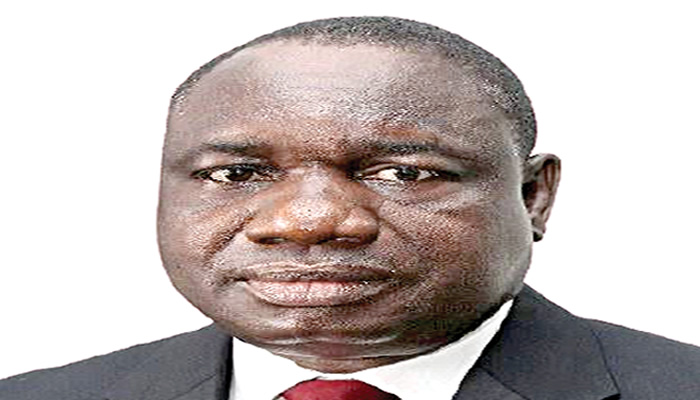

The Lagos State Government on Tuesday called on residents to report any act of suspected vandalism of roads, bridges and other infrastructure in the state.
The News Agency of Nigeria reports that the state’s Commissioner for Information and Strategy, Gbenga Omotosho, made the call during a tour of the Odo Iya Alaro Bridge in the Kosofe Local Government Area of the state.
“Every time we fix bridges, they vandalise it; people are not taking responsibility for whatever the government has done to make life easy for motorists.
“So, I would like to appeal to residents that if you see something, say something. It’s all about you, it is for you to be able to be comfortable while driving, to get to wherever you are going faster.
“So all of the people vandalising the bolts and joints, the law will come after them; when you see anybody trying to destroy here or wherever, please talk.
“As good citizens, you can call for the arrest of such individuals. We understand the pain that the people of these areas are going through. As soon as it is fixed, the pain will ease. It is just temporary,” he said.
Omotosho explained that the tour was part of the state’s policy to monitor and ensure bridge maintenance and management as well as ensure global Quality Assurance and Quality Control.
Earlier, the Special Adviser to Governor Babajide Sanwo-Olu on Infrastructure, Olufemi Daramola, appealed to residents of the area to exercise patience on the rehabilitation work on the bridge.
Daramola described the Sanwo-Olu-led administration as a “responsive government.”
“The Lagos State Government will continue its routine maintenance works on pedestrian and vehicular bridges in the state. There are several bridges where the expansion joints are bad and need to be replaced to avoid further deterioration.
“I urge all residents and road users to support the contractors on site to ensure timely delivery of the maintenance works,” he said.
OPS projects worsening crisis as MPC hikes interest rate again
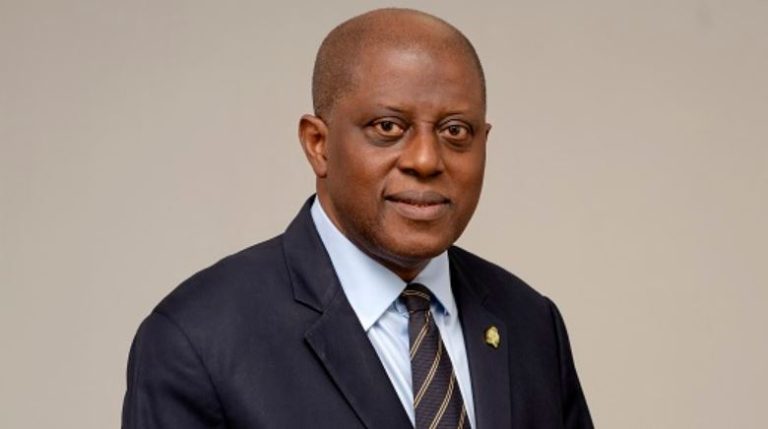

The Organised Private Sector has declared that the hike in the Monetary Policy Rate of the Central Bank of Nigeria would raise the cost of borrowing from banks, worsen hardship, and increase the cost of production in Nigeria.
On Tuesday, the CBN raised the MPR, otherwise called the interest rate, by 50 basis points to 26.75 per cent from 26.25 per cent to combat inflation.
The decision was made at the 296th Monetary Policy Committee meeting held on July 22 and 23, 2024.
CBN Governor, Olayemi Cardoso, explained that the committee was mindful of the effects of rising prices of items on households and businesses and expressed the bank’s resolve to take necessary measures to bring inflation under control.
He noted that despite the June 2024 uptick in headline inflation, prices are expected to moderate in the near term.
The governor attributed the persistence of food inflation to the prevailing insecurity in food-producing areas and high transportation costs.
He emphasised the need to address these challenges to ensure sustainable food supply and moderate food prices.
“In its consideration, the committee noted the persistence of food inflation which continues to undermine price stability. It was observed that while monetary policy has been moderated, aggregate demand and rising food and energy costs continue to exert upward pressure on price development.
“The prevailing insecurity in food-producing areas and the high cost of transportation of park countries are also contributing to this trend. Members were therefore not oblivious to the urgent benefit of addressing these challenges as it will offer a sustainable solution to the persistent pressure of food prices.
“Also noted in this consideration is the increasing activities of middle names who often finance small border farmers, aggregate hard and move farm produce across the border to live in countries,” Cardoso stated.
The CBN boss pointed out that the country has been recording increased inflows, adding that diaspora returns and capital importation had improved.
“For example, if exchange rates have converged, limiting the arbitrage opportunities is very important. Inflows have increased from $37.93bn between January and May of 2024 to $38.8bn. And net inflows, more importantly actually, grew by 73.4 per cent in May 2024 compared to May 2023.
“So that’s very good news. And something I speak about all the time on the issue of diaspora returns and I’m very pleased to say that at the end of June, this has gone up to $2.34bn in comparison to $1.58bn from the corresponding period last year. Capital importation began between January and June at $2.92bn relative to $1.77bn from the corresponding period last year.”
The MPC also retained the cash reserve ratio of Deposit Money Banks at 45 per cent and merchant banks at 14 per cent, as well as the liquidity ratio at 30 per cent.
Nigeria’s headline inflation rose marginally to 34.19 per cent in June 2024 from 33.95 per cent in May 2024, driven by the continued rise in food and core inflation.
The CBN forecast that the domestic economy will grow by 3.38 per cent in 2024, while the International Monetary Fund projected growth at 3.1 per cent in 2024.
The MPC therefore resolved to sustain collaboration with the fiscal authority to ensure that inflation pressure is subdued. In addition, the committee expressed optimism about the recent stop-gap measures by the Federal Government to bridge the food supply deficit.
OPS kicks
But the Organised Private Sector expressed worry over the hike in interest rate by the apex bank.
The National Vice President of the Nigerian Association of Small-Scale Industrialists, Segun Kuti-George, said the increase would pose greater difficulties. He said this is because the cost of loans, on which many businesses depend, will go up.
He said, “This will increase the cost of production, which will impact profit negatively if absorbed or lead to an increase in prices of the goods if passed on to the consumers.
“I think the CBN needs to be more innovative in their approach and stop depending on interest rate adjustments alone.”
Reacting to the development, the National President of the Nigerian Association of Chambers of Commerce, Industry, Mines and Agriculture, Dele Oye, said the decision to tighten monetary policy, though driven by CBN’s intent to curb inflation and stabilise the economy, the approach presents several significant ramifications for businesses, the broader economy, and social stability.
Highlighting the implications of the increment, Oye listed them as increased borrowing costs, inflationary pressures and financial strain on businesses.
Speaking on the alternative approaches to inflation control the CBN and the Federal Government of Nigeria may consider, Oye advised that addressing inflation requires a nuanced approach that balances monetary policy with other economic strategies to encourage growth and stability.
He highlighted, “Structural reforms aimed at improving supply chain efficiency can help mitigate inflationary pressures. Investments in infrastructure, transportation and logistics can reduce the cost of goods and services, thereby controlling inflation without the need to raise interest rates.
“Nigeria’s economy is significantly influenced by its agricultural sector. Policies that support agricultural productivity through subsidies, improved access to financing and technological advancements can stabilize food prices, a major driver of inflation in Nigeria.
“Furthermore, the volatility of the naira has been a persistent issue. Implementing measures to stabilize the exchange rate, such as using part of the current foreign reserves to intervene in the currency market to bring the naira’s exchange rate to under N1000/$ can help.”
On his part, the Director-General of the Nigeria Employers’ Consultative Association, Mr Adewale-Smatt Oyerinde, said, “The upward adjustment of the policy rate will lead to further increase in business lending rate by the commercial banks, which is about 30 per cent at the moment.”
According to Oyerinde, the implication is that it becomes more difficult for businesses to maintain existing investments and almost impossible for significant new investments to take place.
The NECA DG emphasied that once investment declines, capacity utilisation, volume of activity, employment and profit would be affected negatively.
Oyerinde stated that the persistent use of MPR, which is standing 34.2 per cent to moderate inflation, might yield limited results so long as the huge depreciation in naira value that has shrunk business activities in the real sector remains unchecked.
Oyerinde, therefore urged the CBN to prioritise an exchange rate management procedure that would address the huge erosion in the naira.
The NECA boss also emphasised the need for a strong and deepened collaboration between monetary and fiscal policies in the management process of the economy.
“The importance of addressing the multifaceted challenges confronting businesses cannot be overstated, even as we brace up to the implementation of the new national minimum wage,” he added.
Mohbad’s family conducts fresh autopsy, awaits result
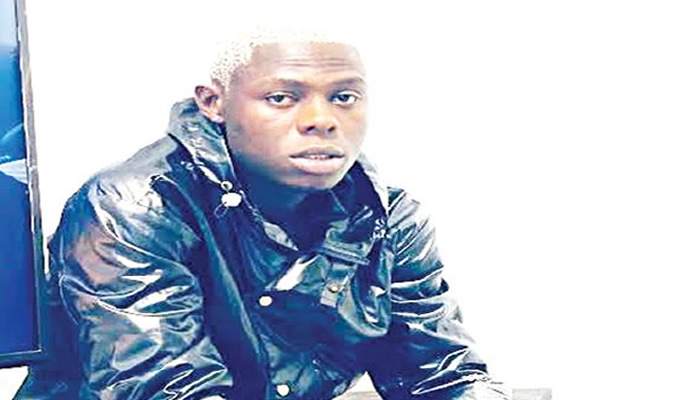

The family of the late singer, Ilerioluwa Aloba aka Mohbad, has conducted a fresh autopsy seeking to determine the cause of his death.
According Metro reported that the Magistrate of the Coroner Court sitting in the Ikorodu area of Lagos State, T.A. Shotobi, on June 26, granted an order to the father of the deceased, Mr. Joseph Aloba, to engage a licensed and certified pathologist for a completely independent autopsy on the late singer.
The court also ordered that the applicant, Aloba, should bear all costs associated with the examination, evaluation, and autopsy.
A member of the family’s legal team, Monisola Odumosu, in a statement on Tuesday, said the autopsy was conducted on Friday, July 19 and Saturday, July 20.
Odumosu noted that the family would proceed to carry out toxicology and histology tests on the necessary samples already obtained if the post-mortem procedure failed to reveal the cause of death.
“The second autopsy as requested by the Aloba family and ordered by the Magistrate of the Coroner Court, Ms. T.A. Shotobi, was conducted on Friday, July 19 and Saturday, July 20, 2024. This autopsy is a two-part exercise, with the first part now completed.
“If the cause of death cannot be determined from this initial examination, the second part will proceed, involving a toxicology and histology test on the necessary samples already obtained,” the statement read in part.
The legal team further disclosed that the procedure was witnessed by Mohbad’s father and two separate pathologists appointed by him and Mohbad’s wife, Wunmi.
“This comprehensive procedure, conducted last Friday, was witnessed only by Mr. Joseph Aloba, the forensic pathologist appointed by Mr. Joseph Aloba and his team, legal representatives of both Mr. Joseph Aloba and a pathologist appointed by Wunmi Aloba to observe the procedure,” the statement added.
Mohbad died at the age of 27, on September 12, 2023, with circumstances surrounding his death sparking controversies on social media.
Being a former record label signee of Marlian Music owned by Naira Marley, Mohbad left the label in February 2022. The Lagos State Police Command had on September 18, 2023, inaugurated a 13-man special investigation team to probe the singer’s death.
His death also led to the arrest of Naira Marley and controversial Lagos socialite, Balogun Eletu, also known as Sam Larry, amongst others.
The singer’s body was on September 21, 2023, exhumed for autopsy to unravel the cause of his death.
However, a pathologist, while testifying before the Coroner’s Court on May 15, revealed that an autopsy couldn’t determine Mohbad’s cause of death due to the decomposition of his body.
Following the disclosure, According Metro exclusively reported that the US-based lab refuted the claim by the Lagos State Government that the toxicology test was conducted at its facility.
The revelation was in response to inquiries made by our correspondent, who embarked on a fact-finding mission to ascertain the musician’s cause of death.
Responding to According Metro’s inquiry on May 17, the Client Services Associate, Forensics Division, NMS Labs, Esther Dede, stated, “Unfortunately, we do not have a case for that patient.”
Crime rate dropping, internal security improving, says IG
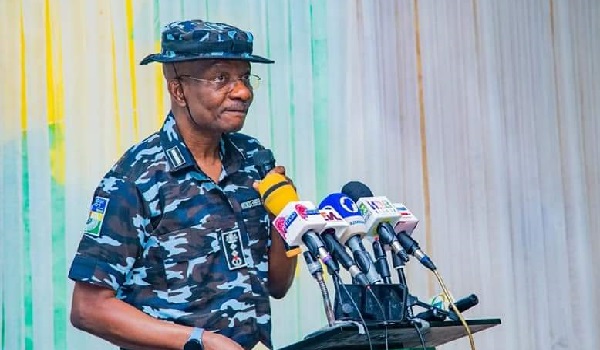

The Inspector General of Police, Kayode Egbetokun, on Tuesday, said there was a decline in crime rates across the country in the past few months due to the strategies deployed by the police.
Specifically, he noted that major crimes dropped to 416 in the last one month, compared to 734 in May and 530 in June.
Egbetokun, who spoke during a meeting with Commissioners of Police in Abuja on Tuesday, commended personnel of the Force for their passion and commitment to the execution of his strategies.
He said, “It is gratifying to note that the strategies deployed and duly executed by our officers and their undiluted passion and commitment have yielded significant results across the length and breadth of our nation. Undoubtedly, the results achieved by our men and officers within the past months have accentuated the stability of the internal security order of the country. This is clearly evident by the steady decline in crime rates over the past few months.
“A review of the monthly major crimes returns table revealed a significantly positive outlook. A drop in the major crimes reported in the last month, which stood at 416, compared with 734 and 530 for May and June, respectively.”
Egbetokun added that in the fight against criminal activities in the last month, the police arrested a total of 1,284 individuals nationwide.
He said, “In addition, we recorded remarkable successes in the fight against criminalities in the last month, manifesting in the arrest of a total of 1,284 suspects nationwide, and the recovery of 284 firearms, 6,702 ammunition rounds, 107 vehicles, and we rescued 97 kidnapped victims.”
The IG also said the special task force on petroleum had arrested some suspects and recovered exhibits from them.
He said, “We have taken steps to reorganise and reposition the IGP Special Task Force on Petroleum and Illegal Corporate to enhance their operations as part of efforts towards combating the menace of oil theft in Nigeria. Meanwhile, the task force recently recorded touching incidents of interceptions of suspected stolen goods and arrests of the perpetrators, as well as seizure of exhibits.
“Most of the cases are already in courts for timely dispensation of justice, and others still undergo investigation. It is imperative for me to mention here that the achievements recorded are the outcome of cooperation and collaboration with members of the public and other security agencies. They are also testaments to your dedication and professionalism.”
In defence of free speech
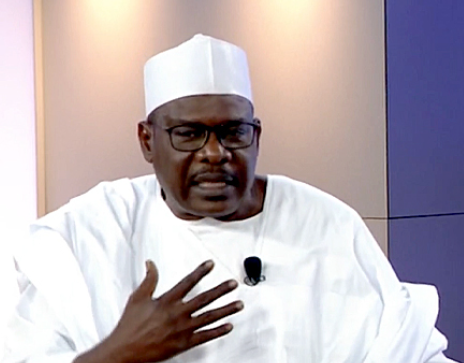

THE removal of Ali Ndume as the Chief Whip of the Senate marks a troubling escalation in the systematic suppression of dissent and free speech. Ndume (Borno South, APC), known for his vocal criticism of President Bola Tinubu’s administration, was removed from his position on July 17.
His ousting was precipitated by his public remarks criticising Tinubu’s leadership and calling attention to the administration’s failings, particularly its handling of the economy. In response, the All Progressives Congress demanded Ndume’s resignation from the party, labelling his comments as “propaganda” and “unbecoming of a member of the APC caucus.”
The swift replacement of Ndume with Tahir Monguno as the CW and the assignment of Ndume to chair the Senate Committee on Tourism underscore the punitive nature of this move.
Ndume did not lie. There is hunger in the land, and the President seems too detached from the people.
In a democratic society, free speech and dissent are not just fundamental rights but are crucial to the health and progress of a country.
The response to Ndume’s ousting has been loud. Labour leaders, activists, and ordinary Nigerians have all condemned the action as a blatant attempt to stifle free speech. They argue that silencing critics, especially those within the government, sets a dangerous precedent. It sends a clear message that dissent is not tolerated, which can have a chilling effect on other lawmakers and the public.
Under Tinubu, the National Assembly, led by Godswill Akpabio (Senate) and Tajudeen Abbas (House of Representatives), has brazenly subjugated itself to the executive, charged with being a ‘rubber stamp’ parliament.
Together, the arms of government have shown a troubling pattern of repressing free speech.
In March, the Senate summarily suspended Abdul Ningi (Bauchi Central, PDP) for three months after an interview. Ningi alleged that the 2024 budget was padded with N3.7 trillion for projects without location. Instead of defending itself, the Senate clamped down on Ningi who alleged that the executive paid some ranking senators N500 million each for constituency projects. He was recalled after 77 days.
Journalists, activists, and even ordinary citizens have faced harassment, intimidation, and arrest for expressing dissenting views. The government has often used law enforcement agencies to suppress opposition and silence critics.
Furthermore, the administration has been accused of leveraging law enforcement to stifle protests and demonstrations.
The implications of these actions extend far beyond the corridors of power in Abuja. The suppression of free speech and political dissent threatens the very fabric of democracy. It discourages open debate and critical scrutiny. When elected representatives are punished for speaking out, it sends a chilling message to all Nigerians.
This, in turn, can result in poor governance, corruption, and a gross disconnect between the government and the governed.
This offers further proof that Nigeria’s democracy is unstable. In the 2024 Fragile States Index, the Fund for Peace ranks Nigeria 15th out of 180 countries with a score of 96.6. Norway ranks first with 12.7.
Therefore, the Tinubu administration and the NASS must recommit to upholding democratic values, including the right to free speech and dissent. They should cease the subtle attempts to silence critics. Criticism provides valuable feedback and helps the government improve its policies and governance.
Civil society organisations and the media have a crucial role in holding the government accountable and ensuring that the voices of the people are heard.
Nigerians’ collective responsibility is to defend the principle of free speech and ensure that the country remains a beacon of democracy in Africa. The government must realise that dissent is not a threat but a vital component of a healthy democracy. Only by embracing and respecting diverse opinions can Nigeria truly thrive.
Poor regulation fuelling building collapse – AHCN President
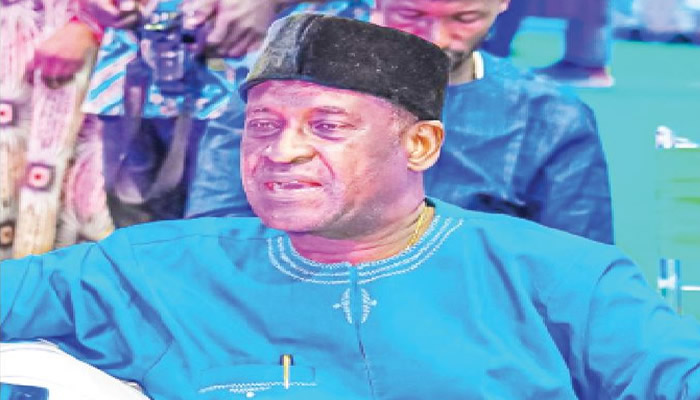

The Association of Housing Corporations of Nigeria’s President, Eno Obongha, speaks on industry issues with JOSEPHINE OGUNDEJI, including the nation’s persistent building collapse
How would you access Nigeria’s housing sector?
There is a housing deficit gap in Nigeria, which is very controversial. Some people are saying that many houses are available and are not occupied, so by and large there is a gap, but I think more is on affordability. There are houses, but many of them are not taken because people cannot afford them.
What is the way forward for bridging this affordability gap?
The Federal Mortgage Bank was set up to facilitate the ownership of housing in Nigeria, and that is why the National Housing Fund was established. But what has happened is that very many people have not been captured in that National Housing Fund net, though the funds are not adequate for that purpose. I have seen some of the efforts that have been made by the current government, particularly by the Minister of Housing, Ahmed Dangiwa.
Dangiwa was a former managing director of FMBN, which is the apex bank for the provision of housing in the country. The combination of his experience as the managing director of FMBN, and now being in the driving seat as the Minister of Housing is of immense advantage. And I think some of the steps he has taken are encouraging. So, we need to encourage him; it is not a day’s job. So, all hands must be on deck to reduce the housing gap.
There have been numerous reports of buildings collapsing and leading to the loss of lives in different parts of the country. What do you think is to blame for these tragedies?
First and foremost is the lack of proper regulatory policies and the implementation of such policies. Somebody can go to the town planning office and get approval to build a bungalow, and by the time you get there, you discover that instead of a bungalow, the person has built a two-storey building. In addition, somebody can again get approval to build a three-storey building, and by the time you go there, you see that he has built a six-storey building. This is because there is no proper regulation. Furthermore, in our market today, the building materials are not standard. So, there are fake materials in the market and there are no proper supervisions, nor are supervisions thorough, and supervisors may cut corners.
People should take responsibility; contracts are being given to people anyhow. It should be ensured that those who are involved in storey building are properly certified. The supervision and regulation are very poor because people cut corners.
Nigeria currently has a housing deficit of about 28 million units. What has been the primary factor behind this deficit and how can it be bridged?
If you go to Abuja, you will find so many unoccupied housing estates, hence, there is the question of both availability and affordability, and this is why I said the topic of the housing gap in the country is controversial. There are unoccupied houses and we are saying we have a housing gap. So if you aggregate the houses that have been built and are unoccupied, you will realise that those houses are big housing projects going to the tune of millions. Hence, people cannot afford them. There should be a way for affordable houses to be available to the common man. Also, Dangiwa came up with the rent-to-own scheme, which is a beautiful angle introduced, and his appointment is one of the best decisions that has happened to Nigeria.
With the growing Nigerian housing deficits and high interest rates, accessing loans from mortgage institutions is not an easy task for real estate investors. What is the way forward for real estate investors?
FMBN charges in one digit between six per cent and nine per cent over a long period. However, the funds available to FMBN are inadequate because so many people who would have contributed are not captured and are not paying. Some deductions are made and are not remitted to FMBN, and the law of FMBN is obsolete. The NHF was established in 1992, which is not a good one, because there are legal obstacles.
How effective has the National Housing Fund been in providing affordable housing loans to low- and medium-income earners?
The FMBN has tried within its means. There is no state in the federation where the FMBN has not established homes, and there are different loan products offered by the FMBN in every state.
How can mortgage schemes be made more accessible in Nigeria?
There is a need for advocacy and there is a need to increase the financing capacity of the Federal Mortgage Bank of Nigeria because housing is a basic necessity of life, just like clothes. So, it should be well subsidised and the FBMN should be given some funding in addition to the other sources it has so that more people will access it. People should plan to leverage more of the mortgage system in the country. People want to be proud, and many wait until they have up to N15m to buy a fine house. This is not correct. Instead, you should consider a mortgage that may take a long time, perhaps 15 years, to finish paying off. Start with a one-bedroom home. As your situation changes, such as getting married or having children, you can upgrade to a larger home. This gradual progression is more practical than accumulating a large sum to buy a house outright.
The high cost of a mortgage has been the bane of real estate development in Nigeria for both those developing for private use and those developing for commercial purposes. How can mortgage schemes be made more accessible in Nigeria?
Everything has increased. A bag of rice that was about N30,000 is now about N70,000 and cement that was about N3,500 is now about N8,000 to N9,000. So, it will affect everything. Those who were able to access it before might not be able to access it again. Sometimes the pain could come on, but as time goes on, there will be a way out. Another thing is that we should not all depend on conventional building materials. We should also embrace local building materials because local building materials would make houses a bit cheaper. So, we should embrace local building materials to bridge the affordability gap. There are improved local building materials, but what we have is an ego problem. All we need is a functional house, and the price would be lower.
How can the Nigerian building industry use technologies and innovations to improve building safety and prevent collapse incidents?
If you go to Abuja, you will find an institution like the Nigerian Building and Road Research Institute, which has advanced machinery and new technologies. There are technologies from South Africa that are highly advanced, as well as other effective technologies from foreign countries that are well-protected and do not require adaptation. Rather than solely relying on these foreign technologies, the Nigerian Building and Road Research Institute has commendably utilised some of them to construct houses. It is a gradual process, but these technologies are being progressively embraced. This is why I emphasise the need for advocacy. We should also encourage the establishment of skills acquisition centres, where these new technologies can be introduced and adopted by our people.
What international best practices can Nigeria adopt to improve building safety and prevent collapse incidents?
Whenever a house collapses, a panel of inquiry is constituted to investigate the incident. This panel makes numerous recommendations. However, making recommendations is one thing, and implementing them is another. My suggestion is that the government should take these recommendations seriously, enact appropriate laws, and ensure their implementation.
Furthermore, there should be accountability. People should take responsibility for their actions. If an engineer designs a house and it collapses, their professional certification should be subject to sanction by the relevant professional body. There should be fines and other penalties.
It is not enough to simply design a house. If an engineer designs a building to be five stories tall and it ends up being eight stories, it shows a serious breach. The responsible parties should be held accountable. The owner and the contractor should be sanctioned if the construction deviates from the approved design. The design must match the final construction, especially for multi-story buildings.
What are the potential long-term consequences of an unchecked rental increase and escalating building material costs on the homeownership rate in the country?
The issue here is one of demand and supply. Over the years, demand for housing has been higher than supply. However, with initiatives like the Renewed Hope project and other efforts, many houses are being built, contributing significantly to supply. As more houses are added to the market, the laws of demand and supply will eventually balance out, leading to a decrease in housing prices. This will make homes more accessible to many people.
Instead of leaving these houses vacant, which attracts animals and rodents, it is important to ensure they are occupied. I do not want to mention states, but I have seen states where up to 400 houses have been built but remain unoccupied. States are building, the Federal Government is building, and private individuals are building. There is a national housing policy; states are domesticating their own, and the local government is keying into it. So, when all those steps are combined, you will see that there will be progress in this direction.
How can the government and regulatory bodies be held accountable for enforcing building codes and standards to prevent building collapse incidents?
The willpower should be there for sanctions and the implementation of those sanctions.
How can the government and regulatory bodies be held accountable for enforcing building codes and standards to prevent building collapse incidents?
When a building collapses, it brings pain, agony, and distress, as seen in recent incidents like the one in Jos. A building collapse is a significant loss, affecting not only the owner but also the victims. Often, workers may lose their lives. The impact is profound, and there is a need for empathy. Anger alone is not enough; the victims need support. For instance, in Jos, the governor’s wife visited the hospital to see affected families, sometimes covering medical bills. People can lose their children, parents, or other loved ones, making it a heartbreaking event. Such tragedies could have been avoided if proper measures were taken initially.
This underscores the need for government intervention, which does not always require new laws. Immediate, compassionate responses are crucial. Additionally, it is not only the government’s responsibility; other people should sympathise with and support those affected to help mitigate the impact of such calamities.
Oshonaike “drained” campaigning in Paris
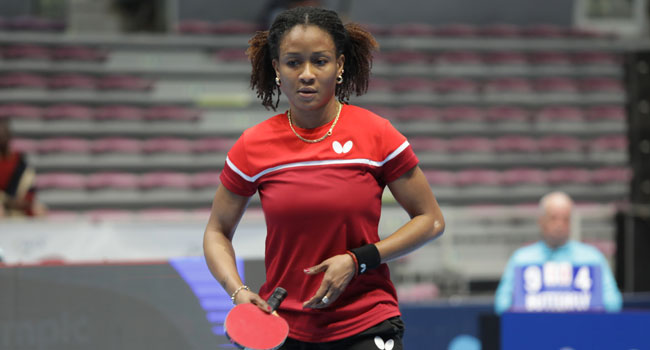

Nigerian women’s table tennis icon Olufunke Oshonaike reveals being fagged in Paris, canvassing for votes ahead of the International Olympic Committee Athletes’ Commission election to be conducted during the 2024 Olympic Games, The According reports.
The 50-year-old seven-time Olympian let out her frustration on Instagram, adding that the feeling of making her eighth Olympic appearance and the prospect of being the voice of the Olympic athletes keep her going.
“I am a naturally strong woman, but I am feeling tired, exhausted, and drained by the situation around me. But I am happy to be making my 8th Olympic appearance. Campaigning to be the voice of the Olympic athletes has not been easy, but I believe that what’s worth doing is worth doing well. I hope it will be worth it, and I hope I will smile at last. It’s another challenge in my life,” she stated alongside several pictures of her heavily involved in the assignment in Paris on Tuesday.
Oshonaike, who competed in the women’s singles at the 2020 Summer Olympics, her seventh time, having previously qualified and participated in Atlanta 1996, Sydney 2000, Athens 2004, Beijing 2008, London 2012, and Rio 2016, recently announced her decision to contest a position in the 10C as one of athletes’ representatives. She gave the hint on the same social media platform, calling on all Olympians all over the world to vote for her.
“Yes, I will be at the Paris 2024 Olympics. It’s going to be my 8th Olympic Games, but not as a playing athlete, but a step higher and another big challenge. I am very happy and excited to have qualified to be one of the IOC AC election candidates. It’s really a big privilege. I will be happy to be a voice representing all the Olympians all over the world. To all the Olympians all over the world, vote for Olufunke Oshonaike. I speak the language of Olympians,” she wrote.
The IOC Athletes’ Commission comprises 15 members who represent athletes within the Olympic Movement and support them to succeed in their sporting and non-sporting careers.
Oshonaike holds the record as the first female athlete to participate in seven editions of the Olympic Games, having represented Nigeria at Atlanta 1996, Sydney 2000, Athens 2004, Beijing 2008, London 2012, Rio 2016, and 2020.