Special Adviser to Governor Lucky Aiyedatiwa of Ondo State on Inter-Party Affairs, Barrister Fadeshola Ojamomi has declared that the planned protest billed for August 1 may likely have negative effect on the forthcoming gubernatorial election in the state.
Ojamomi made this declaration in a letter addressed to the National Chairman of Inter-Party Advisory Council, Alhaji Yusuf Dantalle.
Ojamomi in the letter which was also sent to IPAC Chairman in the state, Prince Adesanya Olaoluwa, advised members of political parties in the state not to participate in the protest.
He noted that participation of IPAC members and members of political parties in the state in the protest will affect the forthcoming gubernatorial election in the state.
Ojamomi in the letter made available to TVN on Wednesday, said that the protest has a potential to affect the peaceful atmosphere in the state.
Parts of the letter read, “I am writing to convey my grave concern regarding the planned nationwide protest and to request that the Inter-Party Advisory Council (IPAC) urgently advise all political parties in Ondo State to boycott this event.
“As we approach the Governorship election in November 2024, it is paramount that we maintain peace and stability in our state. Its therefore imperative that all the registered 17 Political Parties in the state should sponsor or take part in anything that will drag the state backward.
“Suffice to say, with the Governorship election just a few months away, it is critical that we preserve a peaceful and orderly environment. The planned protest has the potential to incite violence and civil unrest, which could significantly disrupt the electoral process slated for the 16th of November 2024. All the Political parties in the state must focus on fostering a calm and stable atmosphere conducive enough till the slated date of the election in a bid to have a free and fair elections.
“Also, the economic ramifications of large-scale protests can be severe. As Ondo State works towards economic recovery and growth through credible intervention programmes of the Governor Lucky Orimisan Aiyedatiwa led administration, it is essential to avoid actions that could disrupt business activities and economic stability. Political parties should consider the long-term economic health of our state and refrain from participating in actions that could lead to economic hardship for our residents.
“In the wake of ongoing public health concerns, particularly related to airborne diseases and Cholera as its outbreak has recently been confirmed in states in the southwest, large gatherings can pose significant health risks. The safety and well-being of our citizens should remain at top priority. Engaging in mass protests at this juncture could lead to a resurgence of infections, placing an undue burden on our healthcare system and endangering lives.”
Ondo: Aiyedatiwa’s aide urges political party members to shun protest
Ondo: Aiyedatiwa’s aide urges political party members to shun protest

Justice Ajumogobia’s daughter killed in Lagos
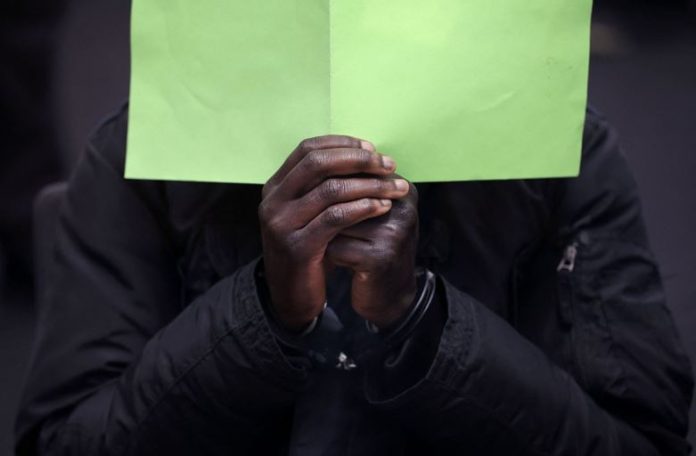

Aribemchukwu, the daughter of Justice Rita Ofili-Ajumogobia, has been killed.
The deceased, popularly called Chuchu, was reportedly killed in her Parkview Estate residence in the Ikoyi area of Lagos State on Wednesday morning.
A family source who craved anonymity because of the current state of the family said she was killed last night, and her body was discovered this morning outside the gate of her residence.
“It would appear that new household staff might have been responsible and tried to stage as if she was outside when it happened.
“There are signs of an attempt to clean up blood inside the house and in the compound. This was indeed the handiwork, and we observe that they were newly employed less than a month, and she was alone in the house with them.
“We all need to be super careful. Especially with new hire,” he added.
Confirming the murder to According Online in a telephone conversation on Wednesday, the state command’s spokesperson, SP Benjamin Hundeyin, said the body has been recovered, and three suspects have been arrested in connection to her death.
Hundeyin stressed that the three people arrested in connection to the murder of Aribemchukwu were her domestic staff.
“Our men have arrested three people in connection to the murder of the daughter of Justice Ajumogobia at her residence in Parkview Estate. One of them is a driver, and the other two are maids.
“We are investigating and will further inform the public on our outcome,” he said.
Until her death, the late Aribemchukwu was a doctor and had recently married.
All rights reserved. This material, and other digital content on this website, may not be reproduced, published, broadcast, rewritten or redistributed in whole or in part without prior express written permission from According.
Contact: [email protected]
Adamawa group backs protest, indicts govt, privileged individuals
A group, Adamawa Likeminds, has moved against the trend in the state by backing the planned nationwide protest.
Many groups as well as the dominant political parties and the state government, had, within the past days, distanced themselves from the protest.
However, Adamawa Likeminds, at a press conference on Wednesday in Yola, said the protest is long overdue because the government and people in privileged positions have failed the masses.
Leader of the group, Danladi Jonah, a youth activist, said, “To those calling for no peaceful protest, how many of you spoke to power on the current situation in the country before now? How many of you have rendered a helping hand out of your abundance to your neighbours or your community?”
He said because the masses have endured their suffering quietly, things kept going from bad to worse.
According to him, “Rising insecurity, high cost of living, bad governance, low income, high price of petroleum products, high electricity tariff, high unemployment rate, bad economic policies, etc, have forced we the law-abiding citizens to show our grievances to the government through peaceful protest.”
Jonah said the Federal Government headed by President Bola Tinubu has not shown resolve to tackle the problems, adding, “The government palliative measures are not working. Just on Monday (July 29), Adamawa State commissioner for information said they were yet to receive the rice promised by the federal government. How do they want the citizens to survive?”
He however called for peace during and after the protest, stressing, “We want to use this medium to call on the citizens to peacefully express themselves while matching on the streets of Adamawa state. Avoid provocations and be law abiding before, during and after the peaceful protest.
“We are calling on the security agencies to adequately provide security for the protesters as well as safely guard lives and properties, especially government assets during the protest.”
Adamawa group backs protest, indicts govt, privileged individuals
How Onyeka Onwenu spent her last moment — Obi
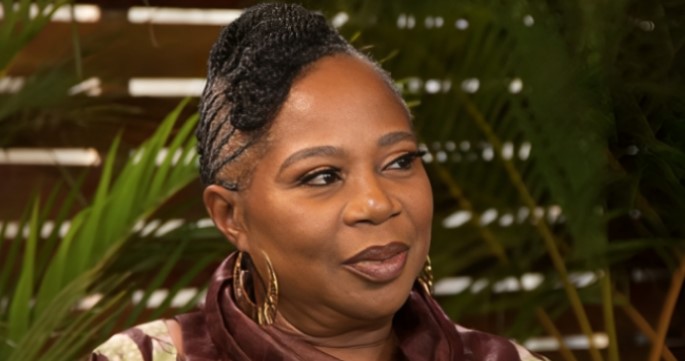

A former Anambra State Governor, Peter Obi, has narrated how the late music icon, Onyeka Onwenu, spent her last moment.
Obi, who said he was at the event where the late singer performed her last, explained that Onwenu took water after her performance before she collapsed.
According to him, it was a beautiful performance, but little did we know it would be her final bow.
Obi, who was the Labour Party’s presidential candidate during the last general elections, while mourning the late singer on his X account on Wednesday, said, “Yesterday provided a very devastating moment for me as I witnessed a tragic event that will forever be etched in my memory. I was present at the event where the iconic song star, Onyeka Onwenu, performed a couple of her songs ending up with her famous song, ‘One Love Keep Us Together’.
“It was a beautiful performance, but little did we know it would be her final bow. Just about a few minutes after her performance, she sat down and drank some water and immediately collapsed, and was rushed to the hospital.
“I followed her to the hospital. I watched in pain as the doctors and medical staff fought tirelessly and battled to save her life, doing everything possible to bring her back to life but eventually came out with the sad news that she was gone.
“Despite their valiant efforts, she sadly passed away after over two hours of intense struggle. My heart goes out to her children and family, friends, and loved ones during this difficult time. May we find the strength and courage to bear this irreparable loss.”
According to Obi, Onwenu was a national treasure, a shining star who inspired generations with her music, activism, and strong dedication to the arts.
He described her passing as a tremendous loss for the entire nation, saying she would be deeply missed.
He said, “I want to thank everyone who together with us accompanied her to the hospital yesterday. Special thanks to Mr. and Mrs John Momoh, Mr and Mrs Okonkwo, and Mr Okpara, who were with her during her last moments. Governor Alex Otti joined us also and Mr. Femi Ajayi who equally returned to the hospital this morning when we had to finalized everything about her passing. May her soul rest in peace and may her legacy continue to inspire and unite us all.
“My condolences to her family, the entertainment industry, and the nation at large. May we find solace in the memories we shared with her and the impact she had on our lives.”
Ex-high court judge, Ajumogobia’s daughter murdered in Lagos residence
Aribemchukwu, the daughter of a former judge of the Federal High Court, Rita Ofili-Ajumogobia, has been murdered.
The deceased, popularly called Chuchu, was reportedly killed in her Parkview Estate residence in the Ikoyi area of Lagos State on Wednesday morning.
A family source who craved anonymity because of the current state of the family said she was killed last night, and her body was discovered this morning outside the gate of her residence.
“It would appear that new household staff might have been responsible and tried to stage as if she was outside when it happened.
“There are signs of an attempt to clean up blood inside the house and in the compound. This was indeed the handiwork, and we observe that they were newly employed less than a month, and she was alone in the house with them.
“We all need to be super careful. Especially with new hire,” he added.
Confirming the murder to According Online in a telephone conversation on Wednesday, the state command’s spokesperson, SP Benjamin Hundeyin, said the body has been recovered, and three suspects have been arrested in connection to her death.
Hundeyin stressed that the three people arrested in connection to the murder of Aribemchukwu were her domestic staff.
“Our men have arrested three people in connection to the murder of the daughter of Justice Ajumogobia at her residence in Parkview Estate. One of them is a driver, and the other two are maids.
“We are investigating and will further inform the public on our outcome,” he said.
Until her death, the late Aribemchukwu was a doctor and had recently married.
All rights reserved. This material, and other digital content on this website, may not be reproduced, published, broadcast, rewritten or redistributed in whole or in part without prior express written permission from According.
Contact: [email protected]
US Embassy in Nigeria changes visa service provider


The United States Embassy in Nigeria has announced that its operation in its Abuja and Lagos consulates will be handled by a new visa services provider, starting August 26, 2024.
The decision was announced on the official website and verified social media pages of the American embassy.
The U.S. embassy revealed that Nigerian applicants who had already booked an appointment date would no longer have access to the U.S. travel website from August 16, however, adequate provisions are being made for the existing and prospective applicants as it migrates to a new service provider.
Applicants whose interviews are scheduled between August 16 and August 26, 2024 “will no longer have access to your ustraveldocs.com account after August 16, 2024…” READ MORE
All rights reserved. This material, and other digital content on this website, may not be reproduced, published, broadcast, rewritten or redistributed in whole or in part without prior express written permission from According.
Contact: [email protected]
Nigerians can now earn up-to 20% returns by investing in treasury bills, fixed income, commodities and real estate. Managing investments is best on this app. start now
Food prices are going up, but smart Nigerians are making millions from trading foods and commodities on this app. Start here
PROFITABLE FOREX, BITCOIN, AND BINARY TRADER
Do you require the services of a tested, trusted, and experienced trader who can help you trade your online Forex, Bitcoin, and Binary accounts for a minimum 10-20% weekly profit? and who can also help you pass your Prop Firm challenge. For details, visit www.standfx.org or contact via WhatsApp: +2348030797998
Benin Airport attack: EDO PDP Campaign Council demands thorough investigation

Two weeks after the Benin airport attack by suspected political thugs, the Peoples Democratic Party, PDP, Governorship Campaign Council in Edo State, has urged the Inspector General of Police, Kayode Egbetokun, to ensure an unbiased and thorough investigation on the incident.
TVN reports that on July 18, 2024, suspected thugs attacked Senator Monday Okpebholo, the All Progressives Congress, APC, governorship candidate, and the reinstated deputy governor of Edo State, Philip Shaibu, at the airport on arrival from Abuja.
The attack resulted to the killing of a Police Inspector, Akor Anuh, attached to the APC governorship candidate, who is also the incumbent senator representing Edo Central.
The Director General of Asue/Ogie Management Campaign Committee, Matthew lduoriyekemwen, at a press briefing in Benin City on Wednesday, demanded a thorough investigation of the attack.
lduoriyekemwen, who berated Police l for alleged intimidation and harassment of members of the PDP, called on the IGP to use his good offices to cause an unbiased and thorough investigation of the party’s petitions and complaints concerning the incident.
He titled the press briefing, “A Clarion call on the Inspector General of Police to stop the indiscriminate harassments, intimidation and unlawful arrest of members of PDP in Edo State by the Nigeria Police at the behest of the All Progressives Congress’.
The PDP Campaign Council that some members of the APC who were allegedly involved in the mayhem are walking free.
According to him, APC are boasting to high heavens that President Bola Ahmed Tinubu had promised to gift Edo State to them, not withstanding the desire of Edo people to vote for their preferred candidate as governor.
“The Campaign Council urged the Inspector General of Police to maintain the high integrity that is associated with his office.
“We also admonished the IGP to note that the Police is for all Nigerians, and not an extension of the APC,” he said.
Recall, that the Commissioner of Police in the State, Funsho Adegboye said the case has been transferred to Force Headquarters in Abuja.
“The case has been transfered to Abuja. Whatever observations or comments anybody has should be directed to Abuja,” he said.
Benin Airport attack: EDO PDP Campaign Council demands thorough investigation
Techniques and Success at Vera Clinic
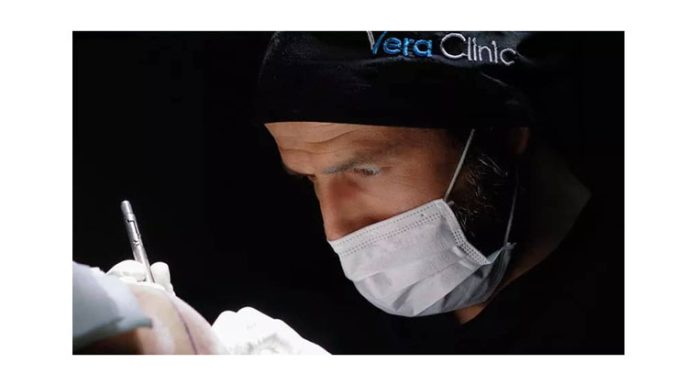

1. Understanding Hair Transplants
History and Evolution
Hair transplant has come a long way since its early days. Initially developed to combat male pattern baldness, the field has seen significant advancements over the years. Early methods were often invasive and resulted in unnatural-looking results. However, today’s techniques are highly refined, providing natural and lasting solutions for hair loss.
Modern Applications for Men and Women
Best hair transplant in Turkey procedures are designed to address hair loss issues for both men and women. These techniques cater to various causes of hair loss, including genetic predisposition, hormonal changes, and medical conditions, ensuring effective treatment for a broad range of patients.
Technological and Procedural Advancements
Advancements in technology and medical procedures have made hair transplant more efficient and minimally invasive. Innovations such as Follicular Unit Extraction (FUE), Sapphire FUE, Direct Hair Implantation (DHI), and stem cell therapy have revolutionized the field, offering patients natural-looking results with shorter recovery times.
2. Success Rates at Vera Clinic
Overview of Vera Clinic’s Reputation
Vera Clinic is widely recognized as one of the top Istanbul hair transplant providers. Known for its high success rates and patient satisfaction, the clinic has earned a reputation for excellence in hair restoration.
Patient Testimonials and Success Stories
Numerous patient testimonials highlight the dramatic transformations achieved at Vera Clinic. These success stories are a testament to the clinic’s expertise and commitment to delivering exceptional results.
Factors Contributing to High Success Rates
Several factors contribute to Vera Clinic’s high success rates. These include the use of advanced techniques, the skill and experience of the medical team, personalized treatment plans, and comprehensive post-operative care.
3. Popular Hair Transplant Procedures
3.1 Follicular Unit Extraction (FUE)
Description and Process
Follicular Unit Extraction (FUE) involves extracting individual hair follicles from the donor area and implanting them into the recipient area. This meticulous process ensures minimal scarring and a natural-looking outcome.
Key Benefits
FUE is minimally invasive, leaving no stitches or linear scars. The technique allows for careful placement of hair follicles, ensuring a natural growth pattern and quick recovery.
3.2 Sapphire FUE
Innovations with Sapphire Blades
Sapphire FUE is an advanced variation of the traditional FUE method. It utilizes sapphire blades instead of steel ones, allowing for more precise incisions.
Enhanced Benefits
Sapphire blades create smaller, more precise incisions, reducing tissue damage and inflammation. This method also allows for higher density implantation, resulting in fuller and more natural-looking hair.
3.3 Direct Hair Implantation (DHI)
Process and Precision
Direct Hair Implantation (DHI) takes FUE a step further by using a specialized tool called the Choi pen. This tool enables the direct implantation of hair follicles, enhancing the precision of the procedure.
Advantages Over Other Methods
The Choi pen allows for accurate placement of each follicle, minimizing the time they spend outside the body and improving their survival rate. The result is a more natural and aesthetically pleasing outcome.
3.4 Stem Cell Therapy
Emerging Trends
Stem cell therapy represents the future of the best hair transplant in Turkey. Researchers are exploring its potential to stimulate hair growth and improve the effectiveness of hair restoration procedures.
Potential Benefits
Stem cell therapy aims to regenerate and repair damaged hair follicles, offering a non-invasive alternative to traditional methods. This innovative approach promises long-term, sustainable hair growth solutions.
4. Expectations and Care Post-Transplant
Immediate Post-Operative Care
Proper care immediately after the transplant is crucial for the success of the procedure. Patients should follow the clinic’s guidelines to ensure optimal healing and hair growth.
Long-Term Care and Maintenance
Long-term care involves maintaining scalp hygiene and following any additional instructions provided by the medical team. Regular check-ups can help monitor progress and address any concerns.
Realistic Expectations for Patients
Patients should have realistic expectations regarding the results of their IStanbul hair transplant. While modern techniques provide natural-looking outcomes, the final results may take several months to become fully apparent.
5. Why Choose Vera Clinic?
Experienced and Skilled Medical Team
Vera Clinic boasts a team of highly experienced and skilled doctors who specialize in the best hair transplant in Turkey. Their expertise ensures that each patient receives the best possible care and results.
Cutting-Edge Techniques and Technology
The clinic utilizes the latest techniques and technology in Istanbul hair transplant, ensuring that patients benefit from the most advanced and effective procedures available.
Comprehensive Patient Support and Follow-Up
Vera Clinic offers comprehensive patient support and follow-up care, ensuring that patients receive the necessary guidance and assistance throughout their hair restoration journey.
Unique Benefits and Guarantees Provided by Vera Clinic
Vera Clinic provides unique benefits and guarantees, including a high success rate, 12-month guarantee, and personalized treatment plans, making it a top choice for individuals seeking hair restoration.
Why FG hasn’t announced centres for sale of rice
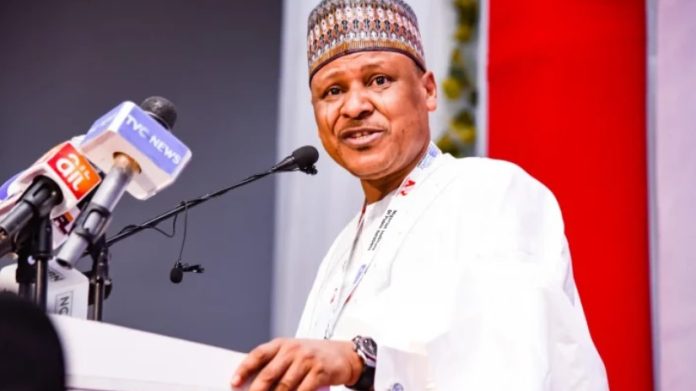

The Minister of Information and National Orientation, Mohammed Idris, has said that although the bags of rice to be sold by the Federal Government for N40,000 were available, sale centres cannot be announced for fear of being hijacked and hoarded by “people who have money”.
The minister stated this while fielding questions from journalists, following a press briefing at the Radio House in Abuja, on Wednesday.
Recall that the Federal Government through the minister on Monday, said it had created centres across the country where Nigerians could purchase 50kg bags of rice for N40,000.
Idris said the initiative was one of several initiatives by the Tinubu administration, to ease living conditions for citizens.
However, speaking on Wednesday, the minister said the bags were in the process of being distributed to states.
He added that the locations of the sale centres across the country could not be announced for security reasons, and to ensure that those for whom the intervention was intended would get the rice.
“It’s in the process of distribution to the various states.
“Sometimes, it is difficult to mention the routes and the time for security reasons.
“But the rice is already available, it is going to be sold at N40,000.
“The rice is already available, I can confirm that it is going to be sold at various points around the country.
“Care is being taken so that it would not be hijacked by people who have money. If we put it out there, they would go there and hoard it; those for whom this rice is intended will not now get the rice”, he said.
Earlier, Idris enumerated efforts by the Tinubu-led administration, including the recently signed National Education Loan Fund, which he said was targeted at two million students and had already received 120,000 applications, as well as the FG’s N110bn Nigerian Youth Investment Fund which he said would run for the next two years.
Opposition lawmakers stage walkout as Reps vote to raise ‘Ways and Means’ borrowing

Some opposition lawmakers in the House of Representatives staged a walkout from the Green Chamber on Wednesday over the increment of the controversial Central Bank of Nigeria ways and means lending to the Federal Government.
The protest happened during the debate on the amendment of Section 38 of the CBN Act to increase the borrowing level from 5 per cent to 10 per cent.
The lawmakers want the threshold to be reduced from the current 5 per cent to 2 per cent.
It would be recalled that former President Muhammadu Buhari was criticized for taking over N23 trillion from the CBN under the Ways and Means policy, which threw the country into debt crisis.
During the debate, Kingsley Chinda, the Minority Leader, said instead of increasing the threshold, it should be decreased.
However, two members of the ruling All Progressives Congress, APC, Ayokunle Isiaka and Ahmed Wase, moved that the threshold should be kept at 10 per cent.
Wase later moved an amendment and it was adopted by the House following a voice vote.
Angered by the voice vote, some lawmakers staged a walkout in protest.
Opposition lawmakers stage walkout as Reps vote to raise ‘Ways and Means’ borrowing
