Socio-Economic Rights and Accountability Project (SERAP) has sent an urgent appeal to Rt Hon Patricia Scotland QC, Secretary-General of the Commonwealth, urging her to “apply the Commonwealth Charter to hold the Nigerian authorities to account over reports of attacks on journalists covering the #EndHunger protests and peaceful protesters in some parts of the country.”
SERAP urged Ms Scotland to “apply the Commonwealth Charter to press the Nigerian authorities to promptly, thoroughly, impartially, independently, transparently and effectively investigate reports of attacks on journalists covering the protests’ in Nigeria and on peaceful protesters.”
SERAP also urged Ms Scotland to “press the Nigerian authorities to publish the outcome of any investigation and to hold suspected perpetrators to account and ensure access to justice and effective remedies for the affected journalists and peaceful protesters for any violations of domestic law and international standards.”
SERAP urged Ms Scotland to “press the Nigerian authorities to uphold the rights of journalists to monitor and report on protests and ensure their safety, as well as ensure that journalists are not detained, threatened, attacked or restricted when covering noteworthy events of interest to the public, such as protests.”
In the Urgent Appeal dated 3 August 2024 and signed by SERAP deputy director Kolawole Oluwadare, the organisation said: “The targeting of journalists with lethal or less-lethal force for doing their work is prohibited under the Nigerian Constitution and international human rights law and contrary to best law enforcement standards.”
SERAP said, “Those violating such standards must be subject to accountability and disciplinary processes. The Commonwealth should take a clear stand to ensure accountability of institutions, media freedom and peaceful assembly in Nigeria.”
The Urgent Appeal, copied to Mr António Guterres, Secretary-General of the United Nations; and Mr Volker Türk, UN High Commissioner for Human Rights, read in part: “The Nigerian authorities over the years have repeatedly demonstrated that it is not committed to protecting human rights.
“Respect for Commonwealth values is essential for citizens to trust Commonwealth institutions. The Commonwealth ought to take a strong stand for protection of human rights and media freedom in Nigeria, principles which are fundamental to the Commonwealth’s integrity, functioning and effectiveness of its institutions.
“Nigerian authorities have the legal obligations to protect journalists reporting the news, including covering protests. Nigerian authorities also have an obligation to investigate and punish any violation that occurs within the framework of a public demonstration including attacks on the press.
READ ALSO:SERAP writes Tinubu over N729bn suit against ex-Minister of Humanitarian Affairs, Umar-Farouk
“The Commonwealth Charter and declarations recognise media freedom and the inalienable right of individuals to participate in democratic processes, in particular through peaceful exercise of their rights to freedom of expression and assembly, access to information, and media freedom, which apply both offline and online.
“Any peaceful protesters and journalists detained solely because of their exercise of the right to peaceful assembly and covering the protests should be immediately and unconditionally released.
“Law enforcement officers should only resort to force in ‘exceptional’ circumstances. Any use of force must only be the minimum amount necessary, targeted at specific individuals, and proportionate to the threat posed.
“The restrictions on the use of force including against journalists covering protests are even more important when security agents use lethal force such as firearms.
“The Nigerian Constitution 1999 [as amended] and human rights treaties including the International Covenant on Civil and Political Rights and the African Charter on Human and Peoples’ Rights contain language protecting the rights to freedom of expression and access to information.
“Nigerian authorities have the obligation to consistently promote a culture of accountability for law enforcement officials during protests. Any use of force must be investigated to determine whether the force was necessary and proportionate.
“Nigerian authorities have an obligation to investigate effectively, impartially and in a timely manner any allegation or reasonable suspicion of unlawful use of force or other violations by law enforcement officials in the context of protests.
“The presence of journalists in protests promotes transparency and accountability and can deter the commission of such violations and abuses. To assume such a role, journalists have the right to observe, and by extension monitor, protests and to record reactions to protests by officials or other actors.
“Journalists play an essential watchdog role covering protests. Nigerian security agents have the duty to ensure the safety of journalists who are covering protests and to guarantee the right of the public to seek and receive information about these social mobilisations.
“Nigerian authorities must afford journalists the highest degree of protection in order for them to perform their work freely. This obligation includes both the duty to avoid the use or threat of force against journalists and to protect journalists against third party violence.
“The confiscation, seizure, and/or destruction of notes and visual or audio recording equipment of journalists without due process should be prohibited and punished.
“Even if an assembly is declared unlawful or is dispersed, that does not terminate the right of journalists to monitor protests. Nigerian authorities have a legal obligation to adequately compensate journalists for any damaged equipment.
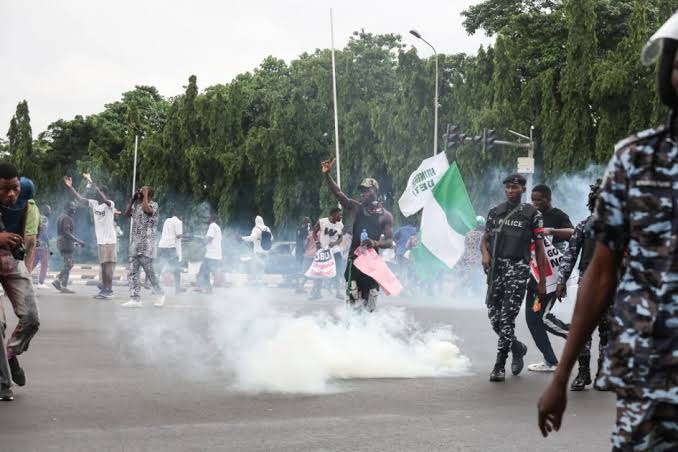
“According to our information, security agents attacked journalists and some peaceful protesters in Abuja and other parts of the country. Security agents reportedly tear gassed and shot at journalists and peaceful protesters, chasing and shooting at fleeing journalists.”
“According to reports, bullets pierced a Premium Times reporter’s car conveying journalists out of the location at three different locations in Abuja. Journalists inside the car shot by security agents are those of The PUNCH, The Cable, Premium Times, and Peoples Gazette.”
“Also, a commuter vehicle’s glass was reportedly shattered with bullets. These journalists visibly identified themselves as press. Security agents also reportedly arrested a freelance journalist, Ayoola Babalola and some peaceful protesters in Abuja, the Federal Capital Territory, on Saturday.”
“Over 50 journalists have been reportedly arrested simply for covering the protests.” Journalist Abdulqudus Ogundapo reportedly said he was scared for his safety when caught in the gunfire.”
“On Thursday, some law enforcement officials reportedly abducted and carted away the camera and phones of The PUNCH photojournalist, Kayode Jaiyeola. On Friday in the Federal Capital Territory, police officers reportedly fired teargas at journalists covering the protest at the Berger roundabout.”
“In Borno State, nine Radio Ndarason Internationale staff members were reportedly arrested by security officials in Maiduguri as they were covering the protests.”
The post SERAP asks Commonwealth to sanction Nigeria over attacks on journalists, protesters appeared first on Latest Nigeria News | Top Stories from TVN.
SERAP asks Commonwealth to sanction Nigeria over attacks on journalists, protesters
Revocation of C of O in Nigeria: How landowners can protect their assets

In Nigeria, land ownership is a complex and often contentious issue. For many Nigerians, owning land is not just about having a place to call home or run a business; it’s a significant investment and a symbol of financial security. However, the security of land ownership can be threatened by the government’s power to revoke Certificates of Occupancy (C of O). This article explains the intricacies of C of O revocation in Nigeria, exploring the laws that govern land use, reasons for revocation, and most importantly, how landowners can protect their valuable assets.
What does C of O mean?
A Certificate of Occupancy, commonly referred to as C of O, is a crucial document in Nigerian land ownership. It is an official certification issued by the state government, granting the right of occupancy to a piece of land to an individual, group, or organization. The C of O serves as the highest form of title document for land in Nigeria, providing legal proof of ownership and the right to use the land for a specified purpose and duration.
The C of O contains essential details such as the name of the property owner, the location and size of the land, the purpose for which the land can be used, and the terms and conditions of occupancy. This document is particularly important because, under Nigerian law, all land is technically owned by the government, with individuals and entities granted rights of occupancy.
Laws Governing Land Use in Nigeria
The primary legislation governing land use in Nigeria is the Land Use Act of 1978. This Act vests all land in each state of the federation in the governor of that state.
The Act aims to:
1. Streamline land ownership and reduce conflicts over land.
2. Make land more readily available for development.
3. Eliminate speculation in land values.
Under the Land Use Act, the governor has the power to grant statutory rights of occupancy for all urban land, while local governments can grant customary rights of occupancy for rural land. The Act also provides for the issuance of Certificates of Occupancy as evidence of these rights.
Other relevant laws include:
1. The Nigerian Urban and Regional Planning Act of 1992, which governs physical planning and development control.
2. Various state laws on land use and property rights.
3. Customary laws, which still play a significant role in land matters in many parts of Nigeria.
Reasons for the Revocation of C of O
While a C of O is a powerful document, it is not absolute. The government, through the state governor, has the power to revoke a C of O under certain circumstances. Common reasons for revocation include:
1. Overriding Public Interest: This is the most frequently cited reason for C of O revocation. If the government needs the land for public use, such as building infrastructure or public facilities, it can revoke existing C of Os.
2. Breach of Terms: If the landowner violates the terms and conditions stipulated in the C of O, such as using the land for a purpose different from what was approved, the government can revoke the certificate.
3. Non-payment of Ground Rent: Failure to pay the annual ground rent as stipulated in the C of O can lead to revocation.
4. Fraudulent Acquisition: If it’s discovered that the C of O was obtained through fraudulent means, it can be revoked.
5. Environmental Concerns: If the use of the land poses significant environmental risks or violates environmental regulations, the C of O may be revoked.
6. National Security: In rare cases, C of Os may be revoked for reasons of national security.
7. Abandonment: If the land is left unused or undeveloped for an extended period, especially in urban areas, the government may revoke the C of O.
How to Avoid Getting Your C of O Revoked
While the government’s power to revoke C of Os is substantial, landowners are not entirely helpless. Here are several strategies to protect your land assets:
1. Comply with C of O Terms: Strictly adhere to the purpose for which the land was granted. If you need to change land use, apply for proper approval before proceeding.
2. Pay Ground Rent Promptly: Ensure that you pay your annual ground rent on time. Set up reminders or automatic payments if possible.
3. Develop Your Land: If you’ve been granted land for development, make efforts to develop it within a reasonable timeframe. This reduces the risk of revocation due to abandonment.
READ ALSO;10 advantages of buying off-plan property in Nigeria
4. Stay Informed: Keep abreast of government policies and urban development plans in your area. This can help you anticipate potential issues and take proactive measures.
5. Maintain Proper Documentation: Keep all documents related to your land ownership safe and easily accessible. This includes survey plans, receipts of payments, and correspondence with relevant authorities.
6. Engage with Local Authorities: Maintain a good relationship with local planning authorities. This can help you stay informed about potential changes that might affect your property.
7. Seek Legal Counsel: If you receive any notice regarding your land, consult with a lawyer experienced in land matters immediately. They can help you understand your rights and the best course of action.
8. Join Property Owners’ Associations: These groups can provide valuable information and collective bargaining power when dealing with government policies affecting land ownership.
9. Environmental Compliance: Ensure that your use of the land complies with environmental regulations to avoid revocation on environmental grounds.
10. Due Diligence: Before purchasing land or accepting a C of O, conduct thorough due diligence to ensure there are no existing issues that could lead to future revocation.
Conclusion
The revocation of Certificates of Occupancy in Nigeria is a serious concern for landowners. While the government’s power in this regard is significant, it’s not absolute. By understanding the laws governing land use, the reasons for C of O revocation, and taking proactive steps to protect their assets, landowners can significantly reduce the risk of losing their valuable property.
Remember, land ownership in Nigeria comes with both rights and responsibilities. By fulfilling your obligations as a landowner, staying informed about relevant laws and policies, and seeking professional advice when needed, you can better secure your land assets against the threat of C of O revocation.
Ultimately, protecting your land requires vigilance, compliance with laws and regulations, and a proactive approach to land management. With these strategies in place, you can enjoy the benefits of land ownership in Nigeria with greater peace of mind.
By Dennis Isong
The post Revocation of C of O in Nigeria: How landowners can protect their assets appeared first on Latest Nigeria News | Top Stories from TVN.
Protests to resume Oct 1 if demands are unmet — Lawyer
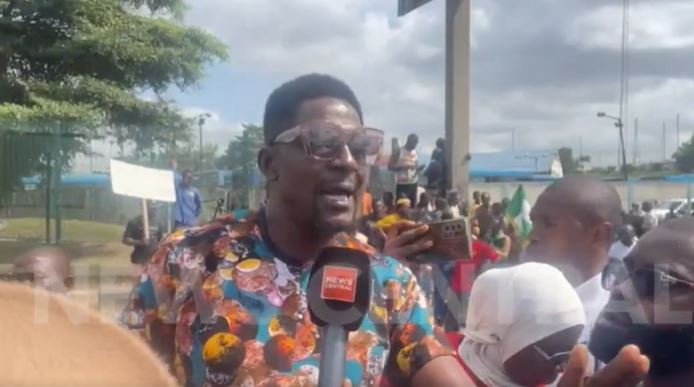

A legal practitioner, identified simply as JP, has stated that the #EndBadGovernanceInNigeria protests will resume on the next Independence Day, 1 October 2024, if President Bola Tinubu fails to address the demands of the protesters.
He said this on Sunday while speaking to journalists at the Gani Fawehinmi Freedom Park in the Ojota area of Lagos State.
In a video shared by News Central TV and seen by our correspondent on X.com, the lawyer said, “The president has spoken and we should listen to the president first and see what action the president is going to take.
“If the president says he is going to reduce the fuel pump price, he will tell us. If he says the price of foodstuffs will reduce, he will tell us; but not us trying to…
“Since the president has spoken this morning, let us wait. When it is 1 October and he has not implemented what he said he was going to do, we will carry out the protests again.”
The lawyer also warned that he would sue any police officer who molests him.
At 7 am on Sunday, President Bola Tinubu, in a nationwide address to address the rising tension amid the #EndBadGovernanceInNigeria protests, called for dialogue and an immediate end to the nationwide protests that have rocked the nation since Thursday.
Tinubu said his administration is ready to listen to and address the concerns of protesters, affirming that he has heard their calls “loud and clear.”
“I hereby enjoin protesters and the organisers to suspend any further protest and create room for dialogue, which I have always acceded to at the slightest opportunity,” he noted.
All rights reserved. This material, and other digital content on this website, may not be reproduced, published, broadcast, rewritten or redistributed in whole or in part without prior express written permission from According.
Contact: [email protected]
It’s time to probe ourselves as northerners, after blaming other regions – Shehu Sani
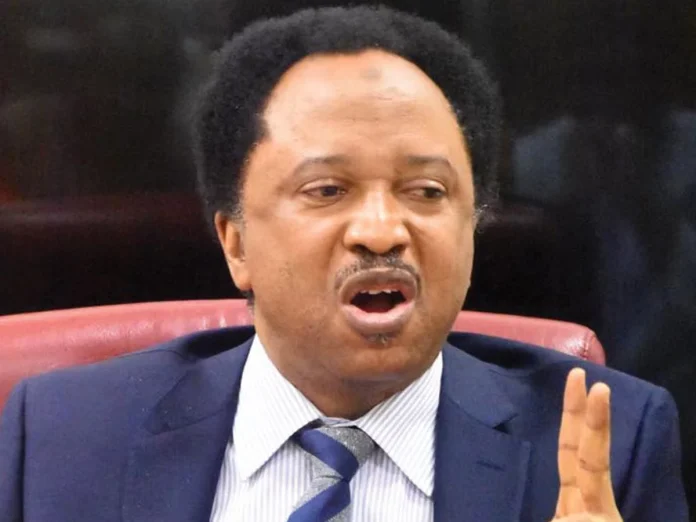
Former Senator representing Kaduna North Senatorial District, Shehu Sani, has said it’s time for northerners to look at themselves instead of blaming other regions.
Sani, who wrote on his verified Facebook page on Sunday, lamented that most public schools are free, yet our young ones still don’t want to go to school.
He said, “Many of us don’t want our spouses to work or use their skills or talents to earn a living or contribute to the family. When we die, we leave them as helpless widows at the mercy of a hostile society.
“Most young people don’t want to serve as apprentices in workshops or retail outlets because they lack the heart and patience to serve.
“Many parents in rural areas hand over their children to a religious teacher in the city, who depends on the children to beg or steal in order to feed himself and his family. For ethnic, religious, and sectional reasons, we have protected, defended, praised, and refused to hold accountable all our kinsmen who led the country at every wasted opportunity for five decades.
“The bandits and terrorists who kill and kidnap our people, deny our farmers access to their farms, and prevent our children from going to school are not from any foreign country or from the south; they come from our homes and families up north. We worship with them in the same mosque. We used to live together as one region in peace, brotherhood, and love, but then we divided and began to hate ourselves along religious lines.
“We don’t vote for people who will serve us; we vote for those who will provide us with spaghetti and grains. We concoct and spread all sorts of religiously inclined conspiracies to deny our children free health immunization against diseases, resulting in hundreds of thousands of blind, lame, crippled, and deaf children who grow up as victims of polio, glaucoma, or leprosy, begging in northern and southern cities. Many of our women and girls don’t have a business capital of 100k but own an iPhone worth N1.5m. They don’t have capital of 100k but can ‘struggle’ to meet up with a wedding asoebi of 500k.
“We deny most of our girls the right to go beyond secondary school due to negative perceptions about higher education. We don’t want our female children to wear uniforms. Whenever recruitment portals for the Army, Police, Customs, Immigration, and Civil Defence open, we don’t want our female wards to apply.
“When our children graduate from universities, especially public universities, most of the parents who attend to celebrate and appreciate their children are from the southern regions. Most of our industries and factories in Kano, Kaduna, and Jos have since closed down when our kinsmen were in power. Our farmers in rural areas are still farming with hoes throughout the period our kinsmen were in power. The groundnut and cotton pyramids disappeared long ago when our kinsmen were at the helm.
“All the spare parts, building materials, and pharmaceutical stores in the north are private businesses owned by people from other regions who were not backed, funded, or supported by any government. When our kinsmen were in power, we attributed our poverty and insecurity to God and to our sins; when our kinsmen are out of power, we attribute our sufferings to the King.
“The FCT is in the north. Can anyone explain why people from the region couldn’t dominate the private businesses in the FCT, Suleja, and Mararaba? Who should be blamed for this?
“God gave us the largest land mass, the largest number of people, most of the rivers, and resources and livestock, and gave us power for the most part of our history. Which of the favours of our Lord can we deny? The North; eighty percent of our problems are ourselves and not anyone ‘outside of ourselves.’”
It’s time to probe ourselves as northerners, after blaming other regions – Shehu Sani
Favour Ofili bags 200 metres semi-final qualification


Nigeria’s Favour Ofili has qualified for the women’s 200 metres semi-final at the Paris 2024 Olympics.
Ofili stormed to a season’s best of 22.24 seconds to win heat 6 of the event.
She booked her place in the semi-finals ahead of Great Britain’s Dina Asher-Smith and Gambia’s Gina Bass-Bittaye.
The 21-year-old Ofili was denied participation in the 100-metre race at the ongoing Olympics in Paris due to administrative failures by the Athletics Federation of Nigeria and the Nigerian Olympic Committee.
She expressed her frustration in a series of tweets on Tuesday, where she questioned both organisations and called for accountability from those responsible for her lost opportunity.
Her post read, “It is with great regret that I have just been told I will not be competing in the 100 metres at this Olympic Games. I qualified, but those with the AFN and NOC failed to enter me. I have worked for four years to earn this opportunity. For what?”
However, Nigeria’s Sports Minister, John Enoh, in his reaction, said he would probe the exclusion of Nigerian athlete Favour Ofili from the 100m women’s event.
“I have been duly informed that some other countries have similar issues, and these aforementioned bodies do not want to open a floodgate that would become difficult to manage. However, I am not concerned about other countries. My interest is with my own country Nigeria and who is responsible for the non-listing of Favour Ofili.
“Furthermore, I have been briefed that World Athletics submitted that when the final list was published in July, AFN should have called its attention to the omission of Favour Ofili’s name. This still doesn’t address the issue. At what point did her name drop out of the 100m race? Who’s responsible for this? What’s the motivation behind this?
What’s the trail of communication from AFN to NOC and to IOC and/or World Athletics?” he inquired.
Nationwide protest: N200bn consumer credit will make life easier for Nigerians – Tinubu
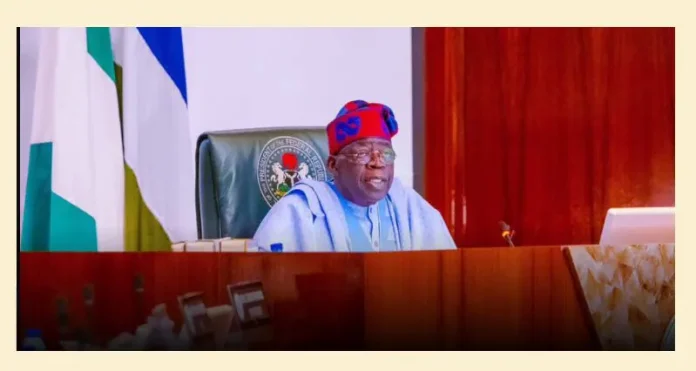
President Bola Tinubu has said the N200 billion Consumer Credit Corporation established by his administration would make life easier for millions of households.
Tinubu said this in a national broadcast on Sunday addressing the ongoing nationwide protest.
He said the aim of the scheme was to help Nigerians acquire essential products without immediate cash payments.
This, he said, would consequently reduce corruption and eliminate cash and opaque transactions.
“This week, I ordered the release of an additional N50 billion each for NELFUND—the student loan scheme—and the Credit Corporation from the proceeds of crime recovered by the EFCC.
“Additionally, we have secured 620 million dollars under the Digital and Creative Enterprises (IDiCE)—a programme to empower our young people, creating millions of IT and technical jobs that will make them globally competitive.
“These programmes include the 3 Million Technical Talents scheme. Unfortunately, one of the digital centres was vandalised during the protests in Kano. What a shame!” he said.
In addition, he said the government had introduced the Skill-Up Artisans Programme (SUPA), the Nigerian Youth Academy (NIYA), and the National Youth Talent Export Programme (NATEP).
He also said more than N570 billion had been released to the 36 states to expand livelihood support for their citizens, while 600,000 nano-businesses had benefited from nano-grants.
He stated that an additional 400,000 nano-businesses were expected to benefit from the programme.
“Furthermore, 75,000 beneficiaries have been processed to receive our N1 million Micro and Small Business single-digit interest loans starting this month.
“We have also built 10 MSME hubs within the past year, created 240,000 jobs through them, and five more hubs are in progress, which will be ready by October this year,” he said.
According to Tinubu, payments of N1 billion each are also being made to large manufacturers under single-digit loans to boost manufacturing output and stimulate growth.
Nationwide protest: N200bn consumer credit will make life easier for Nigerians – Tinubu
EndBadGovernance protest: Jigawa government relaxes curfew
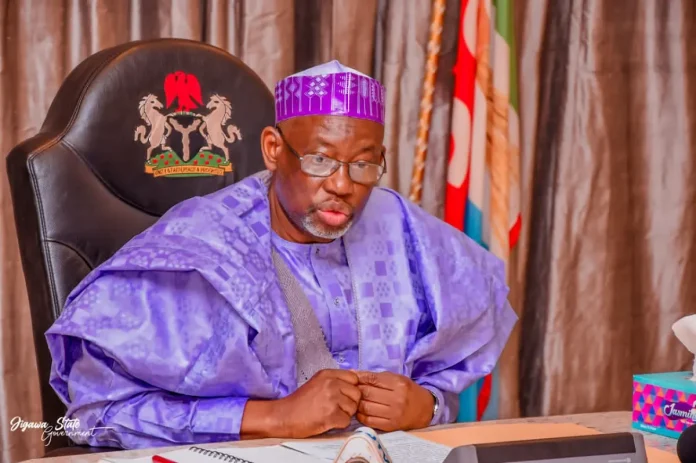
The Jigawa State Government has announced a relaxation of the curfew in eight local government areas.
This was contained in a statement signed by the state Commissioner of Information, Honorable Sagir Musa Ahmed, and issued to TVN on Saturday.
The statement noted that the state government has also lifted the curfew in 19 other LGAs following a review of the current security situation in the area.
According to the statement, “The State Joint Security Committee, chaired by Governor Malam Umar Namadi, made the decision after reviewing reports from security agencies across the state.”
The curfew for Babura, Birnin Kudu, Dutse, Gumel, Hadejia, Kazaure, Kiyawa, and Roni will now be from 6 p.m. to 5 a.m., pending further improvement in the security situation.
The committee commended the residents of the 19 LGAs where the curfew was lifted for their patriotism and respect for authorities.
Governor Malam Umar Namadi expressed gratitude to the people of Jigawa State for their patience and understanding during the trial period and appealed for continued support and prayers for peace and stability in the state and Nigeria.
EndBadGovernance protest: Jigawa government relaxes curfew
Killing of 8 in Imo: CP Danjuma visits area, vows to nab culprits
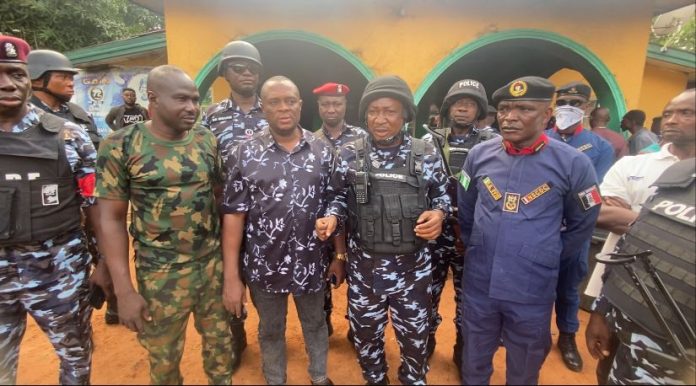
Following the gruesome murder of eight individuals in Umucheke Okwe Community, Onuimo LGA, Imo State, by yet-to-be-identified assailants, the State Commissioner of Police, CP Aboki Danjuma, has visited the area for an on-the-spot assessment of the tragic incident.
Danjuma was accopained by the Sole Administrator of the LGA, Dr. Emeka Obi, and a representative of the Commander 34 Artillery Brigade, Obinze, Major A.I. Maikarifi.
The State Police Commissioner, together with other security officials, extended their condolences to the families of the victims and the entire community.
They assured them that security agencies in the state are working in synergy to apprehend those responsible for the heinous act and ensure they face the full wrath of the law.
According to a release issued by the Command Spokesperson, ASP Henry Okoye, the entourage also included the Commandant of the Nigeria Security and Civil Defense Corps (NSCDC), Mathew Ovye, among others.
The attack occurred on Saturday in Umucheke Okwe of the Council Area.
A community member, who requested anonymity, revealed that the assailants struck while the victims were in a meeting at the residence of the Town Union President General.
The attackers began shooting sporadically, killing the President General and other village heads.
The motive behind the killings remains unclear. The source stated, “Nobody can ascertain the reason for the attack, and there is growing apprehension in the community.”
Killing of 8 in Imo: CP Danjuma visits area, vows to nab culprits
Fulfil your promises on youth empowerment, group urges Akpabio, Ogbuku
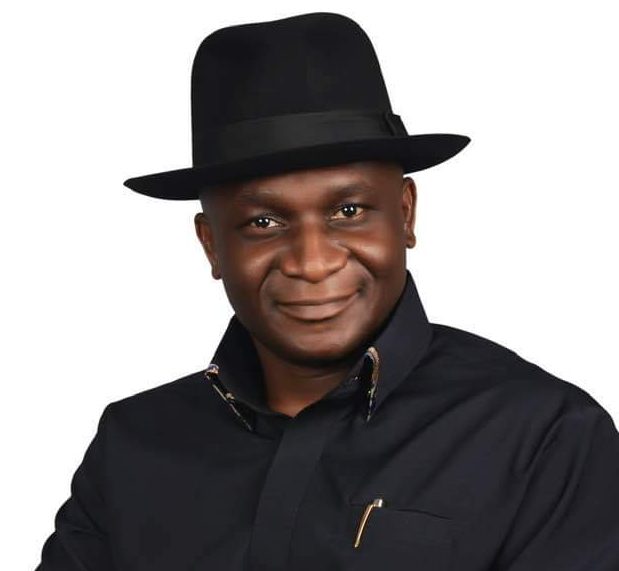
The Niger Delta Youth Movement has urged Senate President Godswill Akpabio and the Managing Director of the Niger Delta Development Commission, Dr Samuel Ogbuku, to expedite action on their promises of empowering the youth of the region.

The Senate President and the NDDC MD had promised holistic youth empowerment during the recently concluded Niger Delta Youth Conference held in Port Harcourt, Rivers State.
In a statement on Saturday by its National President, Ekene Frank, in Uyo, Akwa Ibom State, the group expressed appreciation for the Senate President’s fatherly disposition towards the region.
He urged him to act swiftly on his promises.
“I sincerely thank the Senate President, Senator Godswill Akpabio, for his fatherly disposition towards the region. His harmonious relationship with the youth of the region was evident at the recent Ethnic Nationalities Youth Conference organised by the Niger Delta Development Commission.
“While thanking the Senate President and the Samuel Ogbuku-led management of the NDDC for their pledge of holistic youth empowerment at the recently concluded Niger Delta Ethnic Nationalities Youth Conference, we urge that action be expedited,” the statement said.
Regarding the ongoing nationwide hunger protest, Frank commended the youth of the region for refusing to join the protest against the President Tinubu-led administration. He explained that the Niger Delta youth shunned the protest because they have seen verifiable indices of commitment by the administration toward addressing the economic hardship in the country.
The statement read, “The National Executive Council of the Niger Delta Youth Movement appreciates the youth of the Niger Delta region for refusing to join the protest against President Bola Ahmed Tinubu. While not feigning ignorance of the economic challenges in Nigeria, we have seen verifiable indices of commitment towards reducing these challenges in the short term and gradual revamping of our economy in the long run.
“There are also strong and concrete demonstrations of good governance within the nine states of our region through deliberate programmes that are impacting citizens in rural areas.”
Frank also appreciated President Tinubu for his concern for the Niger Delta region, noting that it is under the present administration that the South-East Development Commission was signed into law.
“Under President Tinubu, the South East Development Commission was signed into law – something that should have been done immediately after the Nigerian civil war,” the statement added.
NDDC chief lauds ex-Delta gov James Ibori at 66
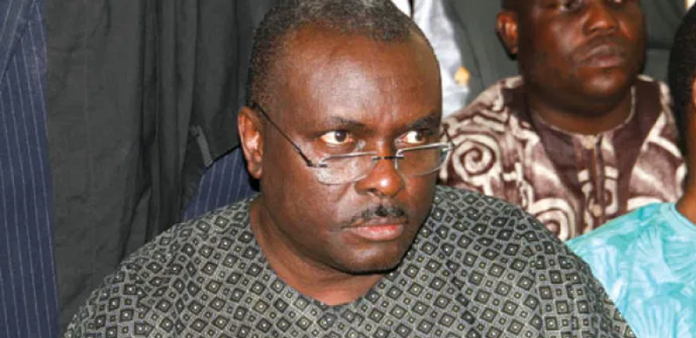

Delta State representative on the Board of the Niger Delta Development Commission, Monday Igbuya, has praised the exceptional leadership and vision of former Governor of Delta State, James Ibori, as he celebrates his 66th birthday.
Igbuya, a former Speaker of the Delta State House of Assembly, celebrated what he described as the outstanding accomplishments of Ibori at 66, noting that the former governor has touched many lives with his compassionate disposition.
This was detailed in a press statement issued by Igbuya, copies of which were made available to journalists in Warri on Sunday.
Igbuya noted in the statement that “Chief Ibori laid the groundwork upon which the infrastructural and economic development of Delta State is anchored by successive administrations in the state.”
The statement partly reads, “It is with great honour and heartfelt joy that I extend my warmest congratulations to Chief James Onanefe Ibori, an eminent political leader in Delta State and a cherished son of the Urhobo nation, on the occasion of his 66th birthday.
“Today, we celebrate not only his remarkable journey through life but also the profound impact he has had on our state and its people.
“As a former Governor of Delta State, Chief Ibori’s legacy continues to inspire and guide the leaders of today and tomorrow. During his tenure as Governor from 29 May 1999 to 29 May 2007, Chief Ibori demonstrated exceptional leadership and vision.
“His administration was marked by a commitment to infrastructure development, education, and economic empowerment. Under his guidance, Delta State witnessed unprecedented growth and development, setting a standard for governance that has become a benchmark for successive administrations. His dedication to improving the lives of Deltans is a testament to his unwavering commitment to public service,” he said.
According to him, Ibori’s tenure as governor was a period of transformation for Delta State, characterised by strategic investments in key sectors that catalysed progress and enhanced the quality of life for the people.
“His visionary policies laid the groundwork for infrastructural development, improved healthcare, and educational advancements, all of which have had lasting positive effects on our state.
“As we celebrate his contributions, we are reminded of the importance of visionary leadership in fostering sustainable development.
“Beyond his achievements in governance, Chief Ibori has remained a pivotal figure in the sociopolitical landscape of Delta State and Nigeria as a whole.
“His advocacy for the rights and welfare of the Urhobo people, as well as his efforts in promoting peace and unity among diverse ethnic groups, have earned him the admiration and respect of many,” the statement added.
He noted that Ibori’s influence extends beyond the borders of Delta State, reflecting his dedication to national development and unity.
“Today, as we honour Chief Ibori on his 66th birthday, we acknowledge his enduring legacy and the indelible mark he has left on our state and nation.
“His journey serves as an inspiration to current and future generations of leaders, emphasising the importance of resilience, dedication, and a genuine desire to uplift the lives of others. Chief Ibori’s story is a testament to the transformative power of leadership driven by vision and compassion.
“As we celebrate this significant milestone in Chief Ibori’s life, we also look to the future with optimism and hope,” the statement concluded.
