Home Blog Page 60

Nigerians Still Await Proof — Abati Challenges Official 15% Inflation Figure

0

Dr. Reuben Abati, a seasoned journalist and former presidential assistant, has voiced doubts about Nigeria’s reported inflation decline, arguing that it hasn’t yet resulted in a significant reduction in the cost of living for Nigerians.

Speaking on Friday’s Morning Show on Arise Television, Abati questioned the validity of the National Bureau of Statistics’ (NBS) December inflation rate of 15.15 percent, speculating that it was impacted by modifications to the rebasing technique.

He claims that although authorities and foreign partners like the International Monetary Fund (IMF) have claimed that the new inflation measurement would provide Nigerians with real benefits, such results have not yet been observed.

Even though the NBS has reported successive drops in inflation, Abati pointed out that everyday costs, especially food prices, have not been affected.

The delay has been too long, he said, adding that a meaningful indication of change would be a discernible decrease in food prices. He noted that economists frequently contend that inflation data takes time to alter living conditions.

“This inflation thing, which they say is now 15.15% as of December, is based on some sort of, you know, creativity,” Abati stated. The rebasing mechanism has allegedly been modified.

“Now, this rebasing, this new methodology, will translate into tangible benefits in terms of the cost of living for Nigerians,” the IMF resident representative said.

The Bureau of Statistics reports that inflation has been declining steadily. The evidence’s impact on living expenses has not yet been observed.

The experts in the field, the economists, say, “Okay, it takes time. It’s taking much too long for us to notice the impact. We think this CPI is having an impact when food inflation decreases. I believe the Manufacturers Association is also rather worried about this.

Atiku’s Son Joins APC: Party Calls Move a Generational Statement

0

The choice of Abubakar Atiku Abubakar, son of former Vice President Atiku Abubakar, to join the All Progressives Congress (APC) has been described as a “generational statement” by the APC’s Lagos State Chapter.

The party said that the decision to reject the African Democratic Congress (ADC) speaks louder than any political retort or news conference in a statement released by its spokesperson, Seye Oladejo.

The APC claims that Atiku’s son’s decision highlights more serious issues with leadership, conviction, and trust.

According to the Lagos APC, Atiku Abubakar’s lengthy history of switching parties—from the Peoples Democratic Party (PDP) to the Action Congress (AC), back to the PDP, and now the ADC—has increased popular skepticism regarding his political orientation and ideological coherence.

The APC went on to characterize the defection as an endorsement of its governance record and President Bola Ahmed Tinubu’s Renewed Hope Agenda, adding that the action shows increased trust in the leadership and policy direction of the ruling party.

The Lagos APC welcomed Abubakar Atiku Abubakar into its ranks and declared that the period of “political tourism and ambition without ideology” is gradually coming to an end, urging Nigerians to interpret the move as a sign of shifting political trends.

The party came to the conclusion that in order for leadership to be credible on a national level, it must first inspire confidence at home. It maintains that Nigerians are increasingly using this test wisely.

Alaafin Breaks Silence: Refutes Makinde’s Statement on Obas’ Council Leadership

0

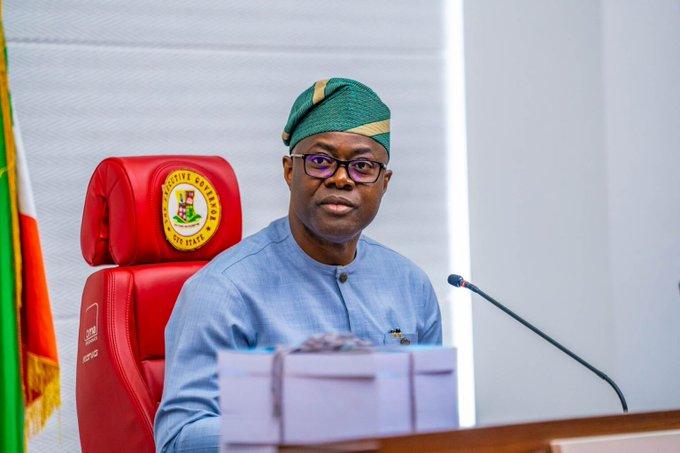
The allegations made by Oyo State Governor Seyi Makinde that he conferred with the Alaafin, the Olubadan of Ibadanland, and the Soun of Ogbomoso over the rotation of the chairperson of the Oyo State Council of Obas and Chiefs have been refuted by the Alaafin of Oyo’s Palace.

The palace insisted that no such meeting ever took place in a statement dated January 15, 2026, calling the governor’s assertion false.

Bode Durojaiye, the Director of Media and Publicity of the Alaafin, signed the statement.

The palace claims that the Alaafin, Oba Engineer Abimbola Akeem Owoade I, never discussed the issue with the governor or the other traditional leaders.

Additionally, it denied rumors that the Alaafin was in favor of a rotating chairmanship.

“The Alaafin did not meet with the governor and did not support the council’s rotational leadership,” the statement stated.

The palace went on to say that the Oyo Council of Elders’ document, which represents the viewpoint of all Oyo stakeholders, had previously formally informed the state government of the Alaafin’s position.

It stressed that the document continues to represent the Alaafin and Oyo community’s official stance on the State Council of Obas and Chiefs’ leadership structure.

Defence Minister Reveals Why Bodies of Terrorists Killed by Trump’s Airstrikes Were Never Found

0

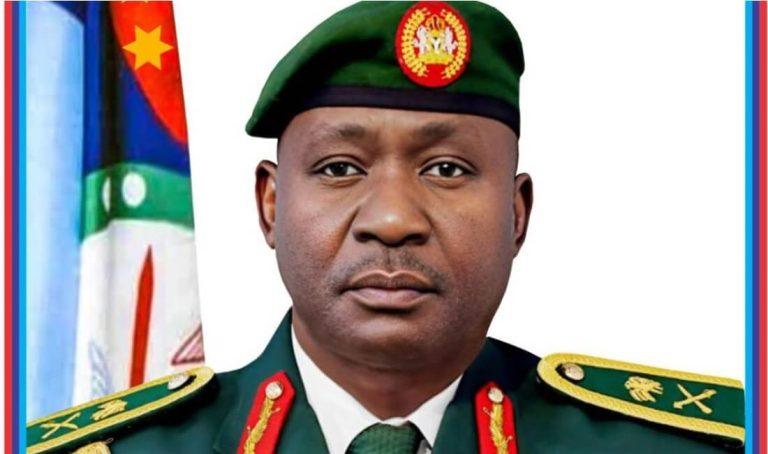
The nature of the weapons used in the recent US airstrikes in Nigeria, according to Minister of Defense Gen. Christopher Musa (Rtd), made it impossible to recover the physical remains of terrorists who had been neutralized.

According to reports, Musa said that the terrorists were eliminated using cutting-edge weapons, such as Tomahawk missiles, which left no trace in an interview on Arise Television’s Prime Time show on Thursday.

“They wouldn’t know, because the way they were neutralized, you wouldn’t see anything,” he stated. The Tomahawks are a new type of weapon.

The defense chief said that such results were a part of military strategy when questioned about allegations that some Tomahawk missiles failed to explode.

“That is all part of the tactics,” he said. You trick your adversary in a conflict attack. They are all a part of it.

Musa claims that Nigerian security forces were simultaneously launching coordinated attacks on other locations while the US operation was in progress.

He told Nigerians that more successes would come, adding that the activities have produced results.

“At least Nigerians are seeing the results, and they will see more things coming up,” he stated.

As we speak, numerous other places were being neutralized by the Nigerian Army, Navy, and Air Force. In actuality, a lot has been accomplished since January.

World Bank Projects Nigeria’s Economy to Grow by 4.4% Between 2026 and 2027

0

Nigeria’s economic growth prediction for 2027 has been kept at 4.4% by the World Bank, indicating continued optimism about the medium-term prospects of the nation despite persistent structural issues.

According to the World Bank’s most recent Global Economic Prospects, this is consistent with the forecast that was previously released in its Nigeria Development Update (NDU) in October 2025.

Remember that, according to the most recent report from the National Bureau of Statistics (NBS), Nigeria’s GDP increased by 3.46% year over year in real terms during the third quarter of 2024.

Nigeria’s growth prediction for 2026 was also raised by the Bretton Woods Institution to 4.4% from 3.7% in its June 2025 Global Economic Prospects report, indicating better macroeconomic conditions.

Nigeria’s GDP is predicted by the World Bank to grow at a rate of 4.4% in 2026 and 2027, which is the fastest growth rate in more than ten years.

The report states that a recovery in agricultural production, steady development in the services sector, and a slight acceleration of non-oil industrial activities will be the main drivers of this increase.

“Nigeria’s growth is expected to accelerate to 4.4% in both 2026 and 2027—the fastest pace in over a decade,” the bank stated.

The Bank further stated that throughout the predicted period, enhanced agricultural productivity and ongoing service expansion will continue to be the fundamental pillars sustaining economic performance.

According to the World Bank, continued economic reforms—especially in the tax system—along with cautious monetary policy are anticipated to boost macroeconomic stability and stimulate economic development.

“It is anticipated that prudent monetary policy and economic reforms, including those pertaining to the tax system, will continue to support activity.”

The Bank stated that these policy actions should “improve investor sentiment and reduce inflation further.” The World Bank stated that increased oil production is anticipated to counteract declining global oil prices this year, boosting fiscal income and bolstering the external balance.

The ongoing focus on non-oil growth emphasizes how Nigeria’s efforts to diversify its economy and lessen its reliance on crude oil exports are gradually having an impact.

Over time, increased agricultural productivity and a more robust services sector might help stabilize prices, increase employment, and expand the government’s tax base.

The World Bank’s forecast gives investors and policymakers some assurance that, despite the nation’s ongoing economic weaknesses, recent reforms may start to produce noticeable dividends.

Additionally, the World Bank predicted that Sub-Saharan Africa’s GDP will accelerate to 4.3% in 2026 because to regional economic reforms, robust domestic investment, and declining inflation.

The Bank anticipates that the global economy will continue to be robust, with growth moderating somewhat to 2.6% in 2026 before increasing to 2.7% in 2027—an increase from its June prediction.

Even while geopolitical and climate-related risks are still high, the improving global picture is a result of declining inflation, stabilizing financial conditions, and stronger-than-expected performance in a number of emerging and developing economies.

Dele Momodu Warns: Nigeria Must Be Rescued from Dictatorship Ahead of 2027

0

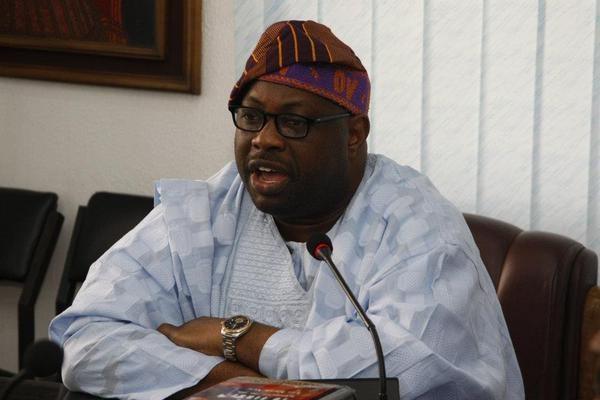
Dele Momodu, a prominent member of the African Democratic Congress (ADC), has emphasized the importance of saving Nigeria from a one-man dictatorship.

Momodu made this request on Thursday while participating as a guest in an interview on Channels Television’s “The Morning Brief.”

He was talking about Nigeria’s upcoming general elections in 2027.

“I’m glad there are some morally upright people in our country who don’t care about making quick money in politics.

“I would support President Bola Tinubu if I wanted to make money in politics. I’ll be leading the way, but that’s not the problem.

“We must prevent a one-man dictatorship in Nigeria.” It’s like bringing a patient to the hospital, so Nigeria has to get better.

“The physicians ensure that the patient is saved.” Once you’re well, they can reset whatever went wrong, and you can start discussing developmental projects. Politics is like that, he said.

Dangerous Precedent’: Katsina Under Fire for Releasing 70 Suspected Bandits

0

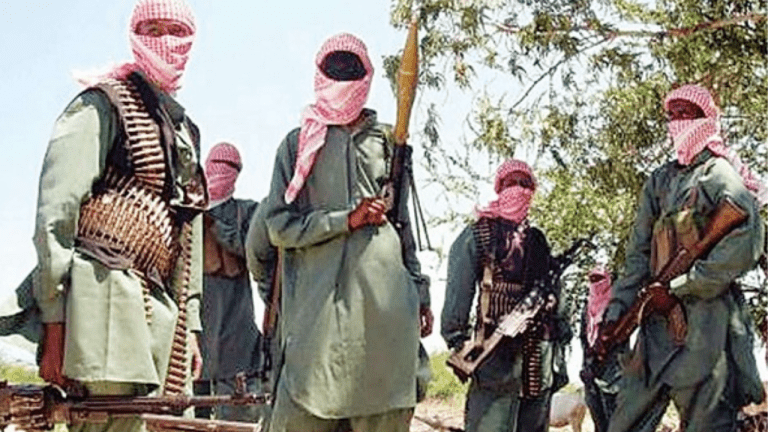
The Katsina State Government’s proposal to ease the release of seventy defendants who are on trial for alleged banditry has been widely criticized nationwide.

The administration allegedly asked the Administration of Criminal Justice Monitoring Committee, or ACJMC, to assist in the suspects’ release in an official letter dated January 2 and stamped “SECRET.”

Citing Section 371(2) of the Administration of Criminal Justice Law of Katsina, 2021, the document, purportedly written to the state’s Chief Judge, described the action as a requirement for maintaining peace agreements made between armed groups and frontline local government units.

Legal professionals, civil society organizations, victims’ families, and members of the public have expressed concern over the instruction, claiming that releasing people suspected of major crimes compromises the rule of law and deprives victims of justice.

Opponents caution that rather than discouraging criminal networks, such measures may strengthen them.

The Network for Justice’s Abdullahi Kofar Sauri called the idea “a dangerous precedent” and urged the government to think about justice and compensation for the families of the victims rather than releasing suspects.

Yahuza Getso, a security specialist, warned that the action “lacks sincerity” and would erode public confidence in government security tactics.

Nasir Muazu, the state Commissioner for Internal Security and Home Affairs, defended the program by telling DCL Hausa that the release was a component of attempts to combine community-driven peace deals with “repentant bandits” in a number of local government districts.

In places like Safana, Kurfi, Sabuwa, Faskari, Danmusa, Bakori, Musawa, Matazu, and Dutsinma, where kidnapped people were set free, he claimed the deals had already brought about a fair amount of peace.

According to Muazu, the action is in line with international best practices for dispute resolution.

Similar choices made by the Nigerian government were reportedly unsuccessful since terrorists and bandits who had previously enjoyed liberties quickly returned to the trenches.

Bakatsine, a crisis journalist and security analyst, said via his X handle that releasing jailed bandits without holding them accountable could strengthen criminal networks.

He penned,

Numerous settlements in the LGAs of Malumfashi, Faskari, Kafur, Dandume, Funtua, Matazu, Dutsin-Ma, Musawa, and Kankara have been repeatedly attacked since December 2025.

“Entire communities have been robbed for cattle and valuables, farmers have been shot in their fields, villages have been made to pay millions in levies, and civilians have been slaughtered.

The misleading impression that banditry has ended is created by the fact that many of these incidents receive little to no national attention. Not at all. The violence has just taken on a new shape.

Peace deals frequently show desperation rather than true assent, according to locals and experts.

They caution that a “peace” that permits kidnappings, murders, and unlawful levies is essentially a criminal law passed off as reconciliation.

Legal experts predict that the issue may soon be subject to court review as the debate heats up in traditional and social media. Stakeholders want to know whether due process was followed and whether public safety is being jeopardized in the name of peace.

Rising Rates Deepen Credit Gap as Banks Tighten Lending

0

Even if broader liquidity indicators and external buffers are strengthening, Nigeria’s private sector credit landscape is beginning to show symptoms of strain due to the Central Bank of Nigeria’s (CBN) extended tight monetary policy.

A system trapped between macroeconomic stabilization and the pressing need to release growth-supporting credit is shown by recent CBN statistics, laying the groundwork for a potentially significant change in 2026.

The CBN reports that in November 2025, private sector credit extended (PSCE) increased slightly by 0.3 percent month over month to N74.6 trillion.

While the slight increase points to some resilience, the overall picture is less encouraging: PSCE fell by 2% year over year, highlighting the dampening effect of high interest rates and tight liquidity circumstances on borrowing and investment.

The CBN’s aggressive policy approach, which was used to control inflation, stabilize the naira, and rebuild trust in the macroeconomic system, is primarily responsible for this moderation.

The cost of financing has increased due to higher policy rates and stricter liquidity requirements, forcing banks to be more selective when creating credit and causing companies to postpone expansion plans.

A Wide-Ranging Credit System Under Stress

Crucially, the PSCE data includes lending from deposit money banks (DMBs) as well as the whole banking and credit ecosystem in Nigeria. It consists of microfinance banks, non-interest banks, and state-owned development finance institutions like the Bank of India. Nevertheless, DMBs continue to have a strong position, accounting for over 69% of all private sector loans.

On the other hand, a narrower lens presents a somewhat different picture. As of the end of June 2025, total lending by deposit money banks was N58.2 trillion, according to data from the CBN’s Quarterly Statistical Bulletin (QSB) for the second quarter of 2025. This represents a moderate 4 percent gain year over year.

There appears to be a difference of almost N16.5 trillion between this figure and the overall PSCE total.

While timing discrepancies between datasets may account for some of this discrepancy, analysts point out that a sizable amount represents credit provided by non-DMB organizations, such as development banks, microfinance lenders, and other specialized players, whose role has subtly grown as traditional banks exercise caution.

This changing makeup indicates that although the banking system is still liquid, policy restrictions, worries about asset quality, and the need to protect capital in a volatile operating environment have limited risk appetite, particularly among big commercial lenders.

Credit Lags, Liquidity Increases

Ironically, strong expansion in important monetary aggregates is occurring concurrently with the downturn in private sector credit. Both the narrow money supply (M2) and the broad money supply (M3) increased by 13% annually to roughly N122.9 trillion and N123.0 trillion, respectively, indicating sufficient liquidity in the system.

The increase in net foreign assets, which increased by 115% year over year to N37.4 trillion, is even more remarkable.

Due to robust diaspora remittances and robust foreign portfolio inflows after foreign currency market reforms, Nigeria’s external cash situation has significantly improved, as evidenced by this fast expansion.

This tendency is further demonstrated by Nigeria’s external reserves, which increased by $4.6 billion annually to $45.5 billion in full 2025.

The CBN is now better equipped to handle external shocks, support the naira, and keep foreign investors confident thanks to the reserve build-up.

However, transmission to private sector credit has been subdued despite these favorable liquidity signals, which serves as a warning that lending is not guaranteed by liquidity alone. Credit expansion is still largely determined by price stability, risk perception, and policy clarity.

Government Credit Conveys a Different Message

The picture of credit extended to the government is not entirely clear. Lending to the public sector fell precipitously by 33% year over year as a result of initiatives to stop deficit monetization and lessen the crowding-out of private borrowers. However, government credit increased by 6% to N26.4 trillion on a monthly basis, indicating sporadic funding need in the face of budgetary constraints.

Many people view the yearly decrease in government borrowing from the domestic banking system as a beneficial structural change. It makes room for more private sector lending, at least in principle, by reducing competition for bank funds. However, because of current monetary constraint and cautious bank behavior, the gains have not yet fully materialized in practice.

Companies Are Squeezed

The consequences are real for traders, manufacturers, and service providers. High lending rates have limited working capital funding, tightened margins, and postponed capital expenditures, especially for small and medium-sized businesses.

Internal cash flows and alternative financing sources, such as development finance organizations and unofficial credit markets, are becoming more and more important to many businesses.

Economists contend that if macroeconomic stability is maintained, the long-term benefits could be substantial even while the short-term suffering is real.

A healthier credit cycle would eventually result from lower risk premiums, a more stable currency rate, and stronger external buffers.

2026: A Credit Turning Point?

Anticipations for a less restrictive domestic policy environment in 2026 are growing. Improving business conditions and a lower inflation outlook will probably allow the CBN to reassess its position, possibly loosening policy rates and liquidity restrictions.

In particular, deposit money banks, which are anticipated to emerge from the ongoing recapitalization process with stronger balance sheets and increased risk-bearing capacity, could release pent-up demand for credit as a result of this change.

Banks with adequate capital are better able to fund large-scale projects, offer longer-term loans, and increase credit penetration in important economic sectors.

According to analysts, private sector credit growth might significantly resume in 2026, supporting output expansion, job creation, and a wider economic recovery, if monetary easing is carefully timed and anchored on protracted deflation.

Stability and Growth in Balance

In the end, the most recent figures emphasize the challenging balancing act Nigeria’s monetary authorities must perform in order to maintain macroeconomic stability without restricting the credit required to spur growth.

The slowdown in private sector credit serves as a reminder that stabilization has a price, but it also shows that the groundwork for a longer-lasting expansion is being established.

The challenge will be to make sure that Nigeria’s increasing liquidity, improved external position, and higher banks capital transfer into real-economy lending as inflation pressures subside and confidence recovers.

The greatest economy in Africa may start a new, more sustainable loan cycle in 2026 if that transmission mechanism works.
Buratai Raises Alarm: Police Weakness Forces Soldiers onto Streets

0

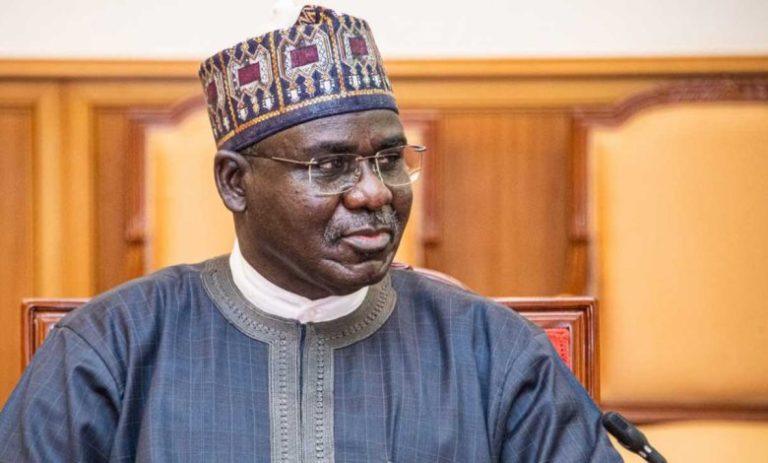
Lt. Gen. Tukur Buratai (retd.), a former chief of army staff, has cautioned that the expansion of the Nigerian Police Force and other civilian security organizations is being hampered by the military’ pervasiveness throughout the country’s 36 states.
According to reports, military forces are presently supporting internal security operations throughout Nigeria, including the Federal Capital Territory.

However, Buratai contended that the development was undermining the Nigeria Police Force’s capabilities on Monday while giving the keynote speech at the 2026 Armed Forces Celebration and Remembrance Day lecture in Abuja.

According to Buratai, “the widespread use of the Armed Forces of Nigeria in internal security provides immediate stability, but it also perpetuates a cycle of dependency that weakens civil police capacity and strains defense resources.”

He claims that the scenario has led to a hazardous imbalance where the Armed Forces are less prepared for conventional threats, the military is overstretched, and defense budgets are diverted to regular policing responsibilities.

According to Buratai, the Armed Forces of Nigeria’s main duties under the constitution are to defend the country from foreign attack, maintain territorial integrity, put down uprisings, and support civil authorities as needed.

But he emphasized that the police and state security agencies should be at the vanguard of an intelligence-driven, civilian-led approach to internal security.

“The state intelligence services and the police should essentially be in charge of civil and intelligence-driven internal security,” he stated.

He cautioned that the military’s primary duty of protecting the nation from outside dangers cannot be permanently replaced by tasks related to development and internal security.

According to Buratai, “the Armed Forces of Nigeria remain a vital force for national development and stability, but its expanded internal role must not compromise its core mandate or weaken civilian institutions.”

In order to maintain the military’s preparedness for its primary purpose, the former army chief urged for a comprehensive, time-bound, and conditions-based disengagement strategy that would progressively transfer internal security responsibilities to civilian authorities.

Imo Politics Shake-Up: Ihedioha Leaves PDP for ADC

0

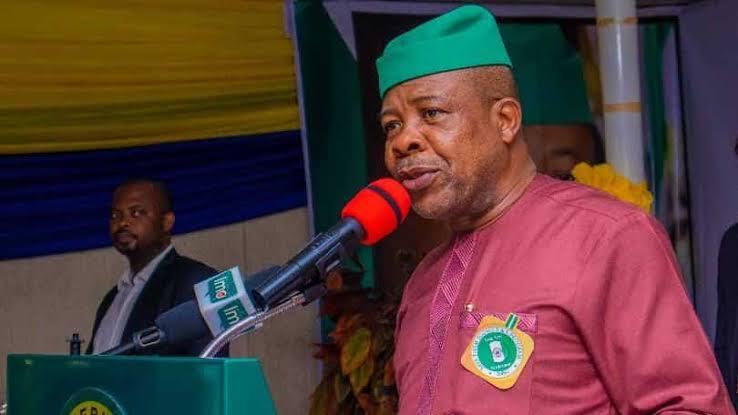
Emeka Ihedioha, a former governor of Imo State, officially joined the African Democratic Congress (ADC) after leaving the Peoples Democratic Party (PDP).
Ihedioha reportedly finished his registration on Monday, January 12, 2026, at Mbutu Ward in Imo State’s Aboh-Mbaise Local Government Area. There, he received the party’s membership card with number 001.

The former governor received the membership card from Chief Alex Ahamuefula, the Ward Chairman, while Prince Obinna Opara, the Ward Secretary, handled registration.

Speaking soon after registering, Ihedioha stated that the ADC’s values of accountability, transparency, and public service were the foundation of his thoughtful decision to join the party.

He claims that both Nigeria and Imo State need leadership that puts the public interest and responsive governance first.

“Listening, serving, and prioritizing the common good over individual interests is what our people desire in a leader. I firmly believe that the ADC offers a reliable framework for achieving these objectives,” he declared.

The former governor continued by saying that his decision to register at the ward level demonstrated his dedication to inclusive participation and grassroots politics.

Aboh-Mbaise Local Government Area Chairman Hon. Jonathan Egbule and Mbutu Mayor Evangelist Dr. Obi Nwaigwe were among the community leaders, stakeholders, and leaders of the party who attended the registration ceremony.

The party’s National Vice Chairman (South-East), Sir Bon Unachukwu; Deputy Diaspora Coordinator, Maigari Bello Kasimu; and Coordinator of the Nigerian Former Legislators Forum, Uko Nkole, were among the national representatives of the ADC in attendance.

Ihedioha’s admission to the ADC, according to Unachukwu, significantly raised the party’s profile both nationally and in the South-East.

“A former governor and seasoned public servant whose entry will strengthen the party’s appeal is welcomed by the ADC,” he declared.

Members of the State Executive Committee were escorted to receive Ihedioha and observe the registration by Prof. James Okoroma, the Imo State Chairman of the ADC.

On behalf of the party, Okoroma welcomed him and stated that the former governor’s choice had reinforced the ADC’s commitment to internal democracy and grassroots mobilization in Imo State.