Home Blog Page 587

Nigeria not ready to stop fuel importation, analysts warn

0

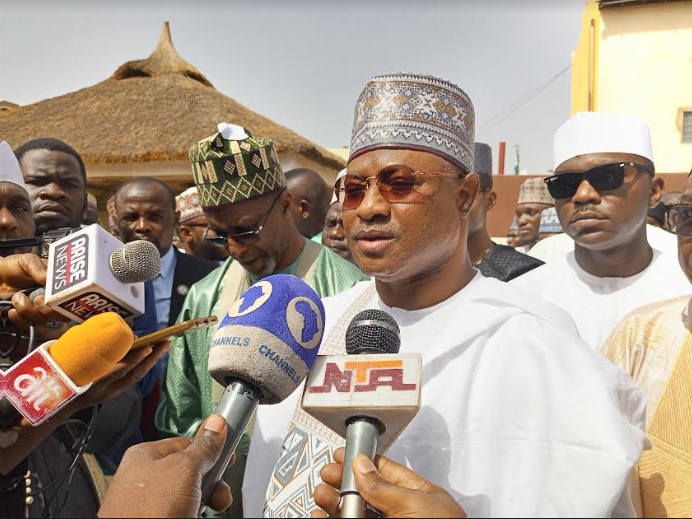
Some experts in the oil and gas sector have said Nigeria was not ripe to stop the importation of refined petroleum products, asking the Nigerian Midstream and Downstream Petroleum Regulatory Authority not to bow to pressure.

The experts stated this in the wake of allegations by the NMDPRA Chief Executive, Farouk Ahmed, that the Dangote refinery wanted him to stop issuing licences for the importation of fuel.

Ahmed held that he did not grant the request to avoid monopoly and ensure energy security in the country.

The comment from the regulator appeared to have irked Nigerians, many of whom called for his removal.

Speaking with our correspondent, an energy consultant, Henry Adigun, condemned the NMDPRA for making comments about the Dangote refinery in public.

He held that most of the things said by Ahmed were true, but they sought not to be made public.

According to Adigun, Nigeria should only stop fuel importation when at least three to four refineries are working in the country.

“We cannot stop the importation of fuel now until we have about three to four functioning refineries. We cannot have our energy security in the hands of one person, that’s what the NMDPRA chief executive was trying to say, but it shouldn’t have been a discussion for the press,” Adigun stated.

He added that the government should also consider other investors in the midstream, who may be affected by the sudden stoppage of importation.

The expert noted that depot owners were protected by the Petroleum Industry Act to import fuel, saying that right cannot be taken away from them by a fiat.

According to Adigun, those importing fuel at the moment naturally patronise the Dangote refinery when the price is better than going outside the country to import fuel.

Contrary to speculations, Adigun maintained that it was not feasible that the Dangote refinery would crash the pump price.

He argued that the cost of crude, whether supplied locally or in naira, would be priced according to the international benchmark.

He disclosed that the landing cost of petrol is now around N1,100, which has a lot to do with the cost of production.

However, Adigun said that could only happen if the Nigerian National Petroleum Company Limited and Dangote have an agreement to sell at a fixed price without recourse to the international benchmark and the fluctuating foreign exchange rate.

Another energy industry expert, Dr Taiwo Ogunleye, said petroleum has remained an important part of the world’s energy mix and the global economy and a cornerstone of the modern energy system, helping to drive the global economy.

He posited that Section 317(8) of the PIA provides that the NMDPRA should apply the backward integration policy to encourage investment in local refining in the downstream petroleum sector.

Similarly, Section 317(9) of the PIA empowers the regulator to assign import licences to companies with active local refining licences or proven track records of international crude oil and petroleum products trading for product shortfalls.

Those powers, he said, should not be hijacked from the regulator under any guise.

The expert noted that import volume allocation should be based on criteria set by the NMDPRA based on refining output in the preceding quarter, share of active wholesale customers, competitive pricing, and prudent supply, storage, and distribution track records, according to Section 317(10) of the PIA.

“The imported petroleum products must conform to Afri-5 Specification (50 ppm sulfur) as per the ECOWAS declaration on adoption of the Afri-Fuels Roadmap or as prescribed by regulation,” he stated.

However, according to the Publicity Secretary of the Crude Oil Refiners Association of Nigeria, Eche Idoko, the government must put a stop to importation as early as possible.

Idoko said local refiners could supply the fuel needed for local consumption if the government fulfils its promise to supply crude to local refineries in the local currency.

How anxiety over hunger protest triggered FG’s emergency policies

0

Given how the hunger protest has played out in different locations across the country, IMOLEAYO OYEDEYI examines the Federal Government’s failed attempt to stop the mass demonstration through a series of emergency policies

Nigerians are angry, and their apparent fury was demonstrated across the country on Thursday when they hit different cities to protest against the prevailing economic hardship plaguing them under the current Renewed Hope administration of President Bola Tinubu.

Despite frantic efforts, threats, and a series of court orders from the Nigerian Police, the military, and the Federal Government to force them into confined demonstrations, the angry protesters thronged major streets in key states of the federation to register their displeasure, displaying placards with various inscriptions such as #EndBadGovernance, #TinubuMustGo, etc.

They demanded an end to bad governance in the country and the reversal of some of the defining policies of Tinubu’s government, which include the removal of the fuel subsidy and the floating of the naira.

In an apparent displeasure with the socio-economic state of the country, the protesters chanted various solidarity songs, defying spirited efforts from the police to silence them through the firing of teargas canisters.

The protests had begun peacefully but later took a violent turn in some cities as confrontations intensified between the police and the irate throng.

Amid the ensuing violence, no fewer than 17 persons reportedly lost their lives in Kano, Niger, Borno, Kaduna, Jigawa states, and Abuja during the #EndBadGovernance mass demonstrations.

One person was shot dead in Abuja and Kano, two were killed in Jigawa; six others were reportedly gunned down by security forces in Niger, while four died in Borno and three in Kaduna.

The protests paralysed economic activities in most states of the country as businesses, banks, shopping plazas, and some markets were shut on Thursday over the fear of mass looting and carnage, which later enveloped the demonstrations, especially in some northern states.

According to observers, flashes of growing mass discontent had hit the country days before the protest, sending jitters down the spines of the Federal Government. Amid the development, the state governors and ministers held various emergency meetings to prevent the August 1 showdown, but all to no avail.

Like the 2012 #OccupyNigeria protests and the 2020 #EndSARS demonstration, during which the pushback against government insensitivity and profligacy resounded breathtakingly across the country and even among Nigerians in the Diaspora, many observers believe that the August 1 protest was another avenue for the Nigerian youths to peacefully and collectively register their anger and displeasure with the misery enveloping the country under the present administration.

As initially predicted, the protest snowballed into heavy violence, arson, and carnage. Though the All Progressives Congress had accused the opposition parties of instigating the protest to undermine the Renewed Hope administration, the Nigerian Labour Congress faulted the position.

The NLC said Nigerians wouldn’t have considered hitting the streets in August with placards displaying anti-government hashtags if the current administration had not renewed their dejection and depression with a series of badly implemented economic policies that have toughened the ease of doing business in the country and consistently spiked both food and general inflation.

“The truth is that millions of Nigerians are angry about the state of the national economy. A situation where most Nigerian families are forced to eat one miserable meal a day and eating from the dustbin is now seen as luxury beckons for serious intervention by the government,” says the NLC President, Joe Ajaero.

In a press statement issued on Monday, the NLC president cited recent statistics to underscore the scale of the current crisis. He quoted the National Bureau of Statistics, which said approximately 133 million Nigerians live below extreme poverty lines.

Meanwhile, the International Rescue Committee also reported that in the first three quarters of 2024, about 32 million Nigerians had been exposed to acute hunger.

With this, Ajaero said, “It is, therefore, condescending and dismissive to describe the daily brutish ordeal that Nigerians are going through as a sponsored political dissent.”

He said every Nigerian had the constitutional right to express their grievances, saying, “During these very difficult times, the right of Nigerians to complain must be fully respected.”

The labour leader further urged a conciliatory approach from the government. He said, “These are dire times. Nigerians are angry. The times require the government to ‘jaw-jaw’ and not ‘war-war’ with Nigerians. The truth is that you cannot smack a child and at the same time ask the child not to cry. A stitch in time may still save nine.”

Even though the United Nations Department of Safety and Security had expressed worries that the planned protests could be hijacked by groups with ulterior motives and turned into a violent adventure, former Vice President Atiku Abubakar threw his weight behind the mass action, declaring it constitutional.

President Tinubu, however, issued a mass appeal, assuring that his administration was already working to address the grievances of the seething masses. And truly, the President carried out some emergency measures to appease the displeased youths.


Less than 48 hours to the planned mass action, Tinubu created centres across the country where Nigerians can purchase a 50kg bag of rice for N40,000.

He also directed the Nigerian National Petroleum Company Limited to sell crude to the Dangote Refinery and other upcoming refineries in naira.

Although the President had earlier announced that he might stop the importation of import duties on food and essential commodities, he later suspended import duties to cushion the effect of the inflationary trend in Nigeria. However, on Monday, he removed the duties on food importation.

The Federal Government also unveiled the Youth Internship Scheme initiated by the NDDC for 10,000 youths of the Niger Delta region and approved N50,000 monthly stipends for them.

This was just as the Nigerian Communications Commission directed telecommunications operators to immediately restore all blocked phone lines due to the non-linkage of National Identification Numbers to SIM cards.

President Tinubu also on Monday signed the new Minimum Wage Act into law. However, the catalogue of emergency directives failed to deter the protesters.

But despite the moves from the Federal Government, the question on the lips of some observers is whether most of those in the corridors of power in the current administration have the moral standing to caution the masses against an anti-government demonstration, despite being the driving forces that triggered the 2012 #OccupyNigeria protests against the Goodluck Jonathan administration for removing the fuel subsidy.

This was just as some other political watchers felt the protest was ill-timed because it is still early to start crucifying the present administration for the current state of the country, which they largely blamed on the brazen and clueless economic mismanagement exhibited by its predecessor.

Speaking with Sunday According, a constitutional lawyer, Dr Tunji Abayomi, said even though the youths had the right to protest, the demonstration must be done with caution, so as not to violate the conditions that underpin their legal freedom to protest.

“They (the government) have a right to say people should not protest. But a protest is evidence of discomfort. But that doesn’t stop the people from protesting. So, what I am saying is: the government has a right as a matter of self-preservation to ask people not to protest.

“It is like the husband asking the wife not to fight. Even if the husband has done something wrong, it is normal and that’s why he can ask the wife not to fight. Likewise, the government can ask the citizens not to protest. It is within the nexus of self-preservation.

“But if the people have a case, they can protest. However, I think what the government should do is to guide the protest in a way that is not turned into an abuse. This is because freedom to protest is a conditional right. It is not absolute. So, it is important for the youths not to violate the conditions,” Abayomi stated.

He noted, “Every government will obviously be worried because of the energy of the youths and their limited tendencies for reflection, control, and soberness. We all saw what happened in Kenya. But having said that, the solution to Nigeria’s problems is not protest.

“When a protest occurs, especially when it becomes uncontrolled, it worsens the situation of any country. Come to think of it, what will be the essence of the protest? It is that we are unhappy, discontented, and dissatisfied. But these are all well-known facts.

“Even the President has said that he knows the pains of the people. So, what will then be the essence of the protest? Will it be to repeat the obvious? And then, those youths with genuine agitation also need to be careful, lest it is perceived as recklessness. I say this because we currently have a situation where political figures in the opposition are backing the protests.”

However, a public interest lawyer, Inibehe Effiong, said the protest was long overdue because the government had been depleting scarce public resources on irrelevant and extravagant expenditures.

“The protest is long overdue. Nigerians are experiencing excruciating economic hardship. At the same time, the government is depleting scarce public resources to fund the extravagant lifestyle of the President and other people in government. The prices of basic commodities have gone up exponentially.

“We have not seen any major efforts towards institutional reforms. Corruption is still rife. Nepotism is also now fully entrenched. So, there are 1,001 reasons Nigerians should protest, but to say that there have to be clearly defined demands before people can protest is just misguided,” Effiong stated.

In a similar vein, another lawyer, Festus Ogun, told Sunday According that the protest was very consequential and symptomatic of the bad governance and insensitivity of the current administration to the people’s plights.

“Protest is a constitutional right that is guaranteed under Sections 39, 40, and 41 of the constitution. You cannot beat a child and expect that the child will not cry. The people of Nigeria have been cheated and oppressed for too long. So, the protest is only a consequence of bad governance and leadership that we experience on a daily basis. It is simply consequential. For every action, there must be consequences,” the lawyer said.

As Abayomi stated, the government will likely not back down on its resolve to see an end to the protest. Amid the rising calls from the government quarters, only time will tell whether the organisers of the protest will bow to the rising pressure anytime soon.

Chukwueze flying in Milan pre-season

0

Nigeria striker Samuel Chukwueze is sending heads turning with consistent top-draw displays for AC Milan in their build up to the 2024/25 season, According Sports Extra reports.

The club shelled out €20m plus up to a further €8m in add-ons to secure the winger from Villarreal, where he had scored 13 goals and provided 11 assists in 50 competitive games. Great things were expected of the Nigeria international at San Siro, but he barely made a blip in his debut Italian campaign, scoring once and rendering two assists in 12 starts of 24 Serie A appearances.

Along with being slowly settled in and the absolute explosion of Christian Pulisic, playing on the right wing, Chukwueze also had injury problems and missed large chunks of the season on international duty at the Africa Cup of Nations in Ivory Coast. He hardly ever played a full 90 minutes in the Milan jersey, either used as a late substitute when his teammates were flagging or pushed into the starting XI during an injury crisis. Just as he started to make an impact with his only goal in March and two assists, another injury struck and ended his term early.

The 27-year-old is proving to be a decent investment for the club, making promising flashes of what he could do and what he has shown so far in their pre-season explain why the club invested that much in him.

The pace that made him famous is finally back now that he’s fully fit; the cut inside from the right flank to shoot or cross with the left foot makes him a little more unpredictable than Pulisic in that role. It also means he could feasibly play as a trequartista in a more central position, or even a false 9.

The U17 World Cup winner provided two assists in a 3-2 win over Manchester City and scored the only goal to beat Real Madrid too. His confidence is sky high, and it shows, as at last he is taking opponents on and beating them.

He is getting a clean slate now and seems ready to hit the ground running, generating more excitement than many of the new signings. The stage is set, and 2024-25 can be truly the campaign for Chukwueze to make his mark in the Milan jersey.

All rights reserved. This material, and other digital content on this website, may not be reproduced, published, broadcast, rewritten or redistributed in whole or in part without prior express written permission from According.

Contact: [email protected]

What protesting Nigerians want to hear from Tinubu

0

In a flash, I saw a stone flying towards me from an irate youth I believed to be a thug. It missed my windscreen by a few inches. Then another stone flew right at my window, but I heard the thud at the rear of the vehicle.

Although I narrowly escaped being stoned like my Biblical ancestor, that split-second incident told me all I needed to know about the nationwide protest that began on August 1. It had been hijacked too early, at least in my location.

As I approached Abuja’s Central Business District, I expected to see only placards, banners, leaves, the Nigerian flag and megaphone-wielding youths. I did for a while until I spotted a strange mob wielding stones and machetes.

“These ones are not protesting; they came to cause trouble,” I muttered, pumping the accelerator to get away. Nigerian youths embarked on a peaceful protest tagged #EndBagGovernanceInNigeria to vent their frustration over the rising cost of living.

However, what started as a peaceful demonstration in several states quickly degenerated into chaos from day one after hoodlums took over the scene. Footages emerged from various states showing business owners screaming as their shops were looted.

Government facilities were torched and looted as security personnel clashed with mobs on the streets of Kano, Jigawa, Yobe, Niger and Katsina, among others, killing no fewer than 15 people. Some states have since imposed curfews.

A video that remains fresh in my mind is that of a young man who climbed the top of the metal pole of a traffic light like a palm wine tapper and kept striking at it with a cutlass. He hopes to sell that piece of metal as scrap. It’ll earn him a few bucks. But with the traffic light gone, many people may die from needless road accidents, if not replaced.

Internet connectivity also took a hit due to vandalism of telecommunications infrastructure, such as internet cables, says the Association of Licensed Telecommunications Companies of Nigeria.

Although the protests have remained largely peaceful in many southern states, no one can tell if they will remain so as the “days of rage” continue. Besides, the hijack from day one now puts even peaceful protesters in danger. This is why the President must not repeat the mistake of his predecessor who remained in his sanctuary during the #EndSars protest and waited too long to speak to the people.

When he eventually did, young Nigerians only heard the musings of an absentee father who was lightyears apart from the day-to-day of his children. They heard, “See? I’ve done so much for you, you ungrateful kids.” And they thought, “What has Trader-Moni got to do with this.”

The Founder of Stanbic IBTC and Chairman of ANAP Foundation, Atedo Peterside, described it this way, “The president’s speech has one problem and it’s a problem of those who speak only once in a long time because they know they won’t speak again for some time, so there’s the temptation to throw in many things in the speech.

Generally, when you go to console someone over the loss of people, you cannot in the same breath be discussing trader-moni and other things like that, those can come later.” As expected, the speech forced “Japa” to the top of the Twitter (now X) trend table that evening as many skilled Nigerians found their final sign to leave the country.

So, when President Tinubu speaks, as I hope he does soon, he must do so knowing that his address should have a bigger purpose than dousing a 10-day protest. His speech must not simply enumerate all his social investment programmes in the past 14 months. That’ll be like trying to teach a sinking man how to swim.

He must show empathy and mean it. He must assure youths that he is ready to deal with middlemen who, reports say, are sabotaging his efforts at the centre. He must also explain why his long-awaited CNG vehicles have not left the factory for months. In any case, he must show young Nigerians that talking to them is not below him. They elected him into office, and they will remain his primary constituency as he leads Africa’s youngest nation (in terms of youth demography).

On Thursday and Friday, the Presidential Villa remained eerily quiet. Thursday saw only the Minister of the Federal Capital Territory, Mr Nyesom Wike, visiting President Bola Tinubu at his office. At 04:00 pm that day, Wike was spotted alighting from an SUV and was ushered into the President’s Office. Though the topic of their discussion was not made public, the protests were most likely on the front burner.

Outside of the Villa, the FCT minister said the Federal Government was open to talks with the protesters.

“I want you to continue with that peace[ful] process because he who makes peace will, at the end of the day, enjoy the dividends of peace. I want to commend you and urge you to still talk to our people, that we are still ready to talk to them, have a dialogue with them and iron out the grey areas. We’ll also brief them on certain things they do not know so that they will be well informed to make informed decisions,” Wike told four newly coronated Chiefs as he assumed the posture of a Nelson Mandela. We can only hope that the protests remain peaceful and the Nigerians are appeased enough to return to improved conditions.

An ode to Onyeka Onwenu

Last Tuesday, Nigeria lost her Queen of Songs, Ms Onyeka Onwenu. My fondest memory of the late singer was her part in the 1999 movie, Conspiracy, where she repeatedly sang ‘You and I.’

Onwenu lived her life doing what she loved the most. When she exited the earth, she did so after giving joy to many guests at the birthday party of the CEO of Emzor Pharmaceuticals, Mrs Stella Okoli, where she performed on Tuesday night.

In mourning her, the President condoled with the entertainment industry, the Imo State Government, and her numerous fans. He prayed for the repose of Onwenu’s soul and that “she finds a place yonder where the music never fades and where there is ‘Dancing in the Sun.”

She will live on in her immortal masterpieces.

Rescuing Nigeria’s healthcare system

0

THERE is no gainsaying that the state of the healthcare offered by Nigeria is plagued by a profound crisis. Indeed, the fresh alarm by the Nigerian Medical Association, Kwara branch, over the critical shortage of medical doctors in the state overaccentuates the crisis millions of citizens grapple with.

The government, corporate bodies, and other stakeholders need to remediate the rot in the health sector, create the right environment for health workers, and adopt modern forms of medical care that are not limited by space and time.

Ahead of the 2024 Annual General Meeting and Scientific Conference of the NMA, the outgoing chairman of the association, Ola Ahmed, lamented, “A lot of our colleagues have been lost to brain drain in the name of ‘japa.’ This has affected the delivery of services to the populace.”

In local parlance, “japa” refers to the increasing trend of Nigerian professionals, including doctors, migrating abroad for better opportunities – a disturbing trend catalysed by economic hardship, insecurity, and inadequate medical infrastructure.

Consequently, with a population exceeding 3.6 million, Kwara State is serviced by only 650 medical doctors, resulting in a doctor-to-patient ratio of approximately 1:5,538, a situation the NMA describes as a significant healthcare crisis.

Ahmed emphasised that these challenges are prevalent in Kwara State and reflect a broader national issue impacting the healthcare sector. Unfortunately, he is right.

A recent article by a former editor and Editorial Board Chairman of ThisDay Newspapers, Yusuph Olaniyonu, further lends credence to the peculiar challenges confronting the country’s health sector. After going under the knife nine times and enduring a series of health complications, Olaniyonu eventually resorted to seeking medical treatment in Egypt, where he was properly diagnosed and adequately taken care of.

He stated, “Even before I travelled to Egypt, I realised that so much is wrong with our medical system, for which I nearly paid with my life. But my experience in the Egyptian hospitals and the Egyptian doctors made me realise this even more.”

He added, “The Egyptian hospital was replete with stories of Nigerians who go there to correct a surgical operation that had been performed in Nigeria, some from the glamorous hospitals in Abuja where they charge exorbitantly.

“At the government hospital where I was almost killed, a night’s stay in the ICU costs N150,000. I doubt that many hotels charge that much for a standard room.”

In India, a top choice country for medical tourists from Nigeria, medical procedures and surgeries usually cost a fraction of what they would in developed countries like the United States or the United Kingdom.

According to the Global Health Trip, this affordability makes India an attractive option for patients without insurance or those seeking quality treatment at a lower cost.

At an event in June, the Chief Consultant Orthopaedics Surgeon and Chief Medical Director of Alliance Hospital, Abuja, Christopher Otabor, recalled that Nigerians spend an estimated $1bn yearly on medical care abroad for conditions that can be effectively treated within their country.

He noted, “It is not possible to achieve zero health tourism, but we can reduce it drastically because there are so many reasons why people travel abroad for healthcare. Factors encouraging medical tourism are in two folds: The push and the pull factors. The push factors include healthcare infrastructure, equipment, power, road, and effective internet services.”

Sadly, with the sky-high inflation and low salaries which have become the hallmark of the healthcare system across the country, thousands of doctors and nurses are leaving Nigeria every year for better opportunities abroad.

Between 15,000 and 16,000 doctors have departed in the past five years, according to the country’s Minister of Health, Ali Pate.

In 2020, the WHO placed Nigeria on its red list of states facing a serious shortage of doctors and nurses.

In July, the President of the NMA, Bala Audu, revealed that the doctor-patient ratio in Nigeria is now approximately 1,000 per cent below the WHO’s recommended standard.

This brain drain in the health sector has severely depleted the country’s healthcare manpower, leaving a dwindling number of healthcare providers to cater to an increasing population under more challenging conditions.

This lamentable reality leaves most citizens trapped within the jaws of an overstretched system, lack of access to quality healthcare, and strangulating prices of lifesaving medicines and medical tools.

Frighteningly, Africa’s most populous country has 55,000 doctors for a population of 220 million. Almost 5,000 doctors moved to Britain between 2015 and 2021, according to the Development Research Centre. Other countries targeted for migration by Nigerian health workers are Canada, the US, Scandinavia, and Middle East countries like Saudi Arabia.

Tellingly, this mass exodus of health professionals has resulted in an excessive workload for those who remain, and who are striving hard to maintain quality healthcare standards.

In a bid to limit the brain drain, a lawmaker, Ganiyu Johnson, proposed a bill in 2023 that would require medical graduates to work for five years in Nigeria before obtaining a full licence to practise.

The bill, though yet to be passed by the parliament, has been heavily criticised by doctors’ associations. It has failed to tackle the inadequate equipment, worsening insecurity, poor working conditions, and subpar salary structures that continue to drive Nigeria’s best healthcare professionals abroad.

While the situation may be worsening, it can be mitigated if immediate measures are taken to improve the well-being of health workers, provide a better working environment, and implement housing schemes for doctors.

Beyond improving their take-home package, which is crucial, the federal and state governments should ensure that healthcare providers have access to quality healthcare and education for their children and provide other incentives that will make the sector more attractive for them to stay.

There is a need for improving healthcare facilities and provision of a conducive operating environment by the government. For Nigeria to retain its best hands in the medical profession, there is a vital need for increased investment in healthcare infrastructure and enhancing the capacity of health workers.

The government and relevant stakeholders also need to support research, encourage the use of telemedicine, and boost the local production of medicines.

The Federal Government should sustain its new policy to double the number of intakes into medicine-related courses in tertiary institutions. Medical professionals assigned to rural areas should get high compensation packages to attract more hands.

Organisers seek N4bn donation as protest enters Day 4

0

As the nationwide protest enters its fourth day, some of the organisers and supporters of the demonstration have set up pages to raise over N4bn through GoFundMe, a popular online crowdfunding platform.

Checks by Sunday According show that as of Saturday evening, a total of N4.1bn had been benchmarked to be donated through accounts created by three GoFundMe users.

While each of the fundraisers on GoFundMe has their donations protected, Sunday According noted that funds had been entering into the accounts, as revealed by the green colour indication on the targets.

A fundraiser, ‘Nigerians in the United States of America and Canada’ as of the time our correspondent monitored it indicated a goal sum of N40,898,750 ($25,000). According to the site, the organiser is located in the state of Washington, US, indicating that the donations would help provide necessary resources for protesters, including medical supplies, transportation, and other essentials.

Rallying for support, the organiser wrote, “Dear friends and supporters, The #EndBadGovernance protest in Nigeria took place today, with citizens bravely standing up against corruption and poor governance. As the movement continues, there are dedicated individuals who will be rallying again tomorrow to demand the change their country needs.

“We urgently need your support to sustain this critical movement. Donations will help provide necessary resources for the protestors, including medical supplies, transportation, and other essentials.

“Your contribution will play a vital role in ensuring that their voices are heard and that they can continue their fight for justice and good governance. We call on Nigerians across North America to show solidarity and support this cause.”

Another GoFundMe fundraiser, ‘Nigeria EO’ indicated a goal sum of N20,950,777.31 (£10,000), which it seeks to have donated by supporters.

“We are raising funds to provide the protesters with much-needed supplies and assistance on the ground. Your donations will help cover the costs of bottled water, snacks, and other refreshments for the protesters, first aid kits and medical supplies in case of injuries, and transportation for volunteers to help organise and support the demonstrations, the organiser wrote.

The third GoFundMe organiser, ‘Endbad Governance’, declared a goal sum of N4,613,379,000 ($2,820,000).

Meanwhile, citizens have raised N1.8m for a protester, Ogwu Chijioke, who admitted he had been struggling to support his son’s ambition to become a programmer.

Chijioke, who participated in the demonstrations on August 1, shared his story with Channels Television at the Lekki Toll Gate.

In the interview, Chijioke lamented that despite his son’s talent in programming, he was unable to afford necessary resources like data and tuition fees.

The interview went viral on Saturday, drawing widespread sympathy and support on social media.

An X (formerly Twitter) influencer, Morris Monye, moved by Chijioke’s story, launched a crowdfunding campaign by providing the protester’s bank account for supporters to raise N1.8m.

Sharing a private message received from Chijioke on X on Friday, Monye noted that the donation target was reached within 24 hours.

Disu gets key role in US sports body

0

Former Nigeria defender Tajudeen Disu has been appointed as liaison officer for the Nigerian Sports and Cultural Organisation, headquartered in Newark, New Jersey, USA.

The roles the former Abiola Babes and Leventis United player is expected to play for the non-profit, non-political, and non-ethnic organisation entity effective April 1, 2024, include fostering strong relationships between the organisation and relevant stakeholders, facilitating communication and collaboration among athletes, coaches, and cultural representatives, and promoting Nigerian sports and cultural events locally and internationally.

Reacting to his appointment, which is one of several in recent years, Disu said he appreciated the gesture, which he termed another call to service, adding that his resolve to give back to the society that made him remains unwavering.

He said, “I am happy to you that I have been appointed as the liaison officer of a US-based Nigerian sports and cultural organization.” I am indeed grateful for this gesture, which is another opportunity to add value to sports development in Nigeria.

“I always want to do more each time I remember how I started in the street to become a national team player, especially as a member of the first Nigeria World Cup team to the 1983 World Youth Championship finals in Mexico, added Disu, whose benevolence extended to helping over 15 Nigerian players gain scholarships with various American universities in the late 80s and early 90s while he was studying Agricultural Economics at Alabama A&M University.

Disu has held several key positions in Nigerian football, including being recently appointed the technical director of the Lagos State Football Association.

FG hasn’t fulfilled CNG buses conversion promise – NURTW

0

The National Union of Road Transport Workers stated that the Federal Government has not fulfilled its promise to help transporters convert their buses to CNG, to minimise the effects of the removal of petrol subsidy on May 29, 2023.

NURTW spokesperson, Segun Falade, told The According on Friday, “It was going to be in phases. 1,000 buses was supposed to be available first. Then we made the outcry that the number of CNG buses was too small for the country. We advocated for 10,000 buses.

“So, instead of waiting for the conversion process to be completed, we ordered 5,000 buses. As we speak now, there are 5,000 buses available on the ground to be shared. But most of them are still being kept at the conversion facilities.”

President Bola Tinubu, during his inaugural speech as the 16th President of Nigeria on May 29, 2023, in Abuja, announced an end to petrol subsidy regime.

“Subsidy is gone!” Tinubu exclaimed.

The pronouncement caused petrol prices to skyrocket from an average of N238.11 per litre before May 29, 2023, to an average of N750/liter, according to the National Bureau of Statistics.

In October 2023, the President introduced the Presidential CNG Initiative to promote safer, more affordable, and eco-friendly energy solutions. The initiative plans to roll out 5,500 CNG buses and tricycles, 100 electric buses, and over 20,000 CNG conversion kits.

Falade expressed frustration over the incomplete consignment process, noting, “The consignment from the conversion facilities has been done, but not wholeheartedly the way we expected it. We are just waiting for activations. So, we are expecting the rest to be distributed. We are expecting others to be launched.”

According to him, the plan was initially scheduled to be completed by May 29, but unforeseen issues have caused delays.

“We had some issues along the line, so we are awaiting distribution, especially with a lot of issues coming out from this protest. I believe the government is not taking it lightly,” Falade explained.

Recall that the Presidency in April 2024 said it was ready to launch about 2,700 CNG-powered buses and tricycles before May 29 when President Bola Tinubu turned one year in office.

In a statement signed by the Special Adviser to the President on Information and Strategy, Mr Bayo Onanuga, titled ‘Presidential CNG initiative set for rollout,” it read, “From the end of May, Nigeria will take some baby steps to join such nations that already have large fleets of CNG vehicles.

“All is now ready for delivery of the first set of critical assets for deployment and launch of the CNG initiative ahead of the first anniversary of the Tinubu administration on May 29.

“About 2,500 of the tricycles will be ready before May 29, 2024…working towards delivering 200 units before the first anniversary of the Tinubu administration.”

Surgery patients face tortous delays as Japa syndrome strangles healthcare

0

Japa syndrome compounded by the shutting down of hospitals over a hike in electricity tariff is taking its toll on sick Nigerians requiring surgery as they wait for months in excruciating pain before having the life-saving procedure done.  SODIQ OJUROUNGBE reports

For 44-year-old Chioma Okoro, the pain in her lower abdomen had become a constant companion, making everyday tasks feel like climbing a mountain. Simple things like playing with her children or cooking dinner for her family became frustrating.

Okoro has always been the rock of her household but is now limited by excruciating pain.

Life became unbearable for the mother of three after she was diagnosed with a hernia—a painful condition where an organ or tissue bulges through an abnormal opening.

Accompanied by her husband, Okoro was at Lagos State University Teaching Hospital in Ikeja, to complain about her excruciating pain when our correspondent approached them on one Wednesday afternoon.

Initially hesitant to speak, the husband eventually spoke after several minutes of persuasion. He revealed their ongoing struggle to secure surgery for his wife, a battle that had persisted for over six months.

The husband lamented that despite being told by doctors that surgery was the only solution, his wife remained trapped on a never-ending waiting list, with her condition deteriorating with each passing day.

“When we came here in February this year, the doctors informed us that surgery was the only viable option. They explained that they would monitor her condition for possible complications using an approach called ‘watchful waiting.’

“They also said we would be added to the waiting list of people who want to do surgery. Despite my wife’s pleas about the severe pain she was experiencing, the only response we received was that we would be given a date for the operation.

“Our scheduled surgery was supposed to be in August, but as the date approached, we decided to come to the hospital today to express our concerns and to seek immediate attention. The pain had become increasingly unbearable, and we were desperate for any form of relief or intervention. But they insist we have to wait till next month,” he explained.

Speaking further on how the present condition of his wife has affected their home, the husband added, “The strain of waiting had taken a toll not just on Chioma’s health, but on our family’s emotional and financial well-being.”

“I have been forced to cut back on work to provide support, leading to mounting bills and increasing anxiety about our future. Our children, once lively and full of joy, now sensed the heaviness in our home and worried about their mother’s deteriorating condition.

“My financial resources were dwindling, and with each passing day, the hope of a timely resolution seemed to slip further away,” he expressed in sadness.

Okoro is not alone in this situation, findings by According Healthwise revealed that many patients face similar agonising waits before having their surgeries done.

For many, the wait becomes a daily battle against despair, as their health continues to deteriorate with each passing day.

Further findings by our correspondent revealed that the country is currently grappling with a severe shortage of surgeons, operating theatres, and medical equipment, leaving hundreds of patients like Okoro on long waiting lists.

During visits to different hospitals including the Lagos University Teaching Hospital, Idi-Araba; the National Orthopaedic Hospital, Igbogbi, and LASUTH, it was discovered that patients are stuck in limbo, their lives on hold as they wait for their turn on the surgery list.

Our correspondent gathered that a complex web of factors, including a severe brain drain that has seen hundreds of medical professionals leave for opportunities abroad and a chronic lack of investment in healthcare infrastructure, led to patients enduring months-long waits for surgical care.

Findings by According Healthwise revealed a critical shortage of surgeons relative to the high volume of patients requiring surgery. As a result, individuals are often left waiting for months, and in some cases, years, for life-saving operations.

It was observed that the few available surgeons are often overworked and underpaid, leading to burnout and decreased morale.

Our correspondent also observed that most hospitals in the country are struggling with a shortage of surgical theatres, which are often overwhelmed as surgeons from various specialities have to share these limited spaces.

Further findings show that this overuse of available theatres contributes to a significant backlog of cases, worsening the delays for patients requiring critical surgeries.

However, when According Healthwise shared its observation with the Chief Medical Director of LASUTH, Prof. Adetokunbo Fabamwo, he claimed many patients do not keep to their appointment schedule.

The CMD explained that the cause of waiting time in LASUTH is not necessarily a result of the Japa syndrome but that patients’ workloads are more than the capacity of health personnel on the ground because of the confidence patients have in hospital services.

According Healthwise investigation revealed that the exodus of doctors from Nigeria has increased the workload of those still in government services.

The devastating impact

Some of the patients’ relatives who spoke with According Healthwise shared how their family members were forced to wait for months for elective surgeries like hernia repairs, cataract surgeries, joint replacements, and gallbladder removals, among others.

They lamented that the waitlist for these surgeries stretches on for months, with some patients waiting up to a year or more for a chance to receive treatment.

Lekan Olawale claimed that the University College Hospital in Ibadan, Oyo State, contributed to the death of his mother, Esther Olawale.

He insisted that if his mother, who was battling breast cancer, had not been placed on the lengthy waiting list—one that extended for several months, she might still be alive today.

“If my mother had not been forced to wait on that interminable list, she could have received timely treatment that might have prevented her condition from deteriorating.

“She was in urgent need of care, and the delays she faced were not only frustrating but potentially fatal. The waiting period denied her the opportunity to receive necessary treatments that could have extended her life and improved her quality of care”, Olawale expressed.

 “She was a fighter, and she deserved better. The system’s failure to prioritise urgent cases like hers is devastating. I can’t help but feel that her death could have been avoided if the hospital had acted sooner,” he insisted.

A relative of another patient identified as Emmanuel said his younger brother, Solomon has been waiting for hip replacement surgery for over a year, unable to walk or work due to a debilitating hip condition.

Emmanuel added, “My brother Solomon has been waiting for a hip replacement surgery for over five months now. He is unable to walk or work because of his debilitating hip condition. Every day is a struggle for him; the pain has become a regular thing, and it’s affecting his ability to support his family and live a normal life.

“He was once very active and worked tirelessly to provide for his family, but now he is bedridden. Despite numerous visits to the hospital, he is still on the waiting list with no end in sight. It is heartbreaking to watch him suffer, knowing that a simple surgery could change his life, but the system can’t keep up with the demand.

“The wait for surgery has not only impacted Solomon’s physical health but also his mental and emotional well-being. He is becoming increasingly frustrated and disheartened.

“The waiting has taken a toll on his spirit. We’re desperate for any form of assistance or intervention that could expedite his treatment.”

“I’ve been on the waiting list for one month now, and I am still waiting for my turn to come,” 29-year-old Michael Agbo, who needs surgery to repair a damaged meniscus in his knee told our correspondent during a visit to the Orthopaedic hospital at Igbobi.

“I’ve come to the hospital countless times, and each time, they tell me to come back next week. It’s like they’re playing with my life.

Michael, a father of two, said he has been living with the pain for over a year now, declaring, “It’s affecting my work, my family, my entire life. I  want to get the surgery done so I can go back to normal.”

Michael lamented that his knee problem has made it difficult for him to walk or stand for long periods, adding that he had to rely on painkillers to manage the pain.

He explained that he tried to get help from private hospitals, but the costs were too high.

“I’ve been quoted millions of naira for the surgery, which I simply can’t afford. I am stuck, waiting for a chance to get treated.

“I am tired of living like this. I want to get the surgery done so I can play with my kids again, so I can go back to work without feeling like I am going to collapse,” he concluded..

Leading experts in Nigeria’s health sector say it will be impossible to have sufficient personnel to effectively meet the country’s increasing healthcare needs with the current burden of brain drain.

One doctor to 8,000 patients

Speaking with our correspondent, a past President of the Nigerian Medical Association, Professor Mike Ogirima, said the massive migration of Nigerian health workers to foreign countries, mostly in search of greener pastures, had taken its toll on the few doctors left in the system.

He said Nigeria has a worrisome ratio of one doctor to 8,000 patients, which is against the World Health Organisation recommendation of one doctor to 600 patients.

He described the doctor-to-patient ratio in Nigeria as horrible.

Ogirima, who is also the Provost, College of Health Sciences, Federal University Lokoja, Kogi State, said for now, the country only produces an average of 3000 doctors annually, lamenting that Nigeria was faced with a huge doctors deficit.

He said, “If we are producing 3000 annually, the gap for doctors is about 280,000. So we need about 10 years to catch up at the rate with which we are producing doctors.  If we now add other health workers, we need to double that rate.

“The gap of doctors we need in this country with our population is up to 300,000 now. We need about 10 years to catch up and we can’t wait for 10 years to catch up.

“Currently, Nigeria has a doctor-to-population ratio of one doctor to 8,000 population, instead of one doctor to 600 people as recommended by the WHO. That is why when you go to the hospital, the doctors you meet there are tired.”

Patients seeking dangerous alternatives

Findings by According Healthwise show that the long waiting list for surgeries in Nigerian hospitals has led to a surge in people seeking alternative solutions.

Desperate patients are now turning to quacks and traditional healers, who promise quick fixes and cheap solutions.

It was further learned that these quacks often have little medical training, and they prey on vulnerable patients who are desperate for relief. They use unproven methods and untested remedies and worsen the patient’s condition.

In some cases, patients have suffered severe complications, including infections, organ damage, and even death.

A paediatric surgeon, Prof. Aminu Muhammad said he had seen several poorly performed surgery cases by unlicensed practitioners or quacks.

“Patients who cannot wait any longer for their scheduled surgeries might seek out anyone who offers a solution. This includes individuals who operate outside the formal medical system and may not adhere to established standards of care.

“We’ve seen cases where patients, in their desperation, have undergone procedures that were poorly performed or entirely inappropriate. These situations often result in severe complications that could have been avoided with proper medical care.”

The professor stressed that the growing demand for surgeries, coupled with the insufficient number of qualified surgeons, creates a fertile ground for these dangerous practices.

High cost of surgery

Our correspondent also discovered that the long waiting list for surgeries has led to a surge in costs, making it even more difficult for people with little income to access healthcare.

According Healthwise investigation also observed that as patients wait for months to have the procedure done, they are forced to pay for repeated consultations, tests, and medications. These costs add up, making surgery increasingly unaffordable for many patients.

Adding to persistent japa syndrome is the closure of private hospitals owing to a hike in electricity tariffs.

The National President of the Association of Nigerian Private Medical Practitioners, Dr Kay Adesola, recently revealed that no fewer than 500 private hospitals have shut down in the last 12 months due to their inability to meet operational costs.

A registered nurse, Olamide Thomas, told our correspondent that private hospitals, which offer quicker access to surgery, are pricing their services out of reach for the poor.

Thomas, who is also an activist, revealed that a single surgery can cost millions of naira, a sum that is unimaginable for most Nigerians.

According to her, the cost of surgery is becoming a barrier to healthcare, with the poor being disproportionately affected. Those who cannot afford to pay are forced to wait even longer, which worsens their condition.

She added, “The Nigerian government’s failure to invest in the healthcare system has led to a shortage of surgeons, anesthesiologists, and other medical professionals. This shortage has driven up costs, making surgery even more expensive.

“The lack of health insurance coverage for most Nigerians means that patients must pay out-of-pocket for surgery. This is a significant burden, especially for those living on meagre incomes.

“As surgery becomes more expensive and unavailable, it is becoming a luxury only the wealthy can afford. The poor are being left behind, forced to rely on quacks or traditional healers who offer cheaper but often dangerous solutions.

“The situation is a clear example of health inequity, where access to healthcare is determined by wealth rather than need. It is a violation of the fundamental human right to health.

“The Nigerian government must take action to address the root causes of this crisis. Investing in the healthcare system, increasing access to health insurance, and regulating costs are essential to making surgery affordable.

“Until then, the poor will continue to suffer, forced to wait for surgery that is increasingly out of reach. It is a ticking time bomb, waiting to explode into a full-blown healthcare crisis.”

Exodus of surgeons worsens shortage

Also, findings by According Healthwise showed that the migration of surgeons has significantly worsened the shortage of medical professionals in many countries, particularly Nigeria.

This growing trend, often referred to as brain drain, is driven by a variety of factors, including poor working conditions, inadequate remuneration, and a lack of professional development opportunities

Some of the surgeons who spoke with our correspondent lamented that their colleagues left the country for better prospects abroad, explaining that the strain on the remaining healthcare system intensifies, leading to longer waiting times, reduced access to care, and increased pressure on the few remaining professionals.

They said this exodus of skilled practitioners created a significant gap in the availability of specialised medical services, leaving a skeletal workforce to handle an ever-increasing patient load.

Surgeons react

Continuing, Ogirima revealed that he had been forced to take on surgeries meant for junior consultants due to a shortage of skilled doctors.

The surgeon expressed concern about the current state of the healthcare system, lamenting that he now finds himself doing procedures he last did 20 years ago.

He said, “There are grades of surgeons, the chief surgeons; those who have paid off the price in the system, people who have been practising surgery for the past 20 years or more, and I put myself in that category.

“I work as an honorary consultant in the Department of Orthopaedic Surgery, Federal Teaching Hospital of Lokoja. There are surgeries that the junior consultants should be doing, but here we are. The surgeries I have done maybe 20 years ago as a younger consultant, you find me as a chief consultant now being called to come and do the surgery. And we can’t refuse it, because if we don’t do it, nobody will do it. And the patient will suffer.

“I met five surgeons on the ground when I joined the department as an honorary consultant two years ago. When I arrived in Lokoja, one of the surgeons got a job in Saudi Arabia, and we were left with four. Three months later, the second one left. So, we are still four with two surgeons in two teams.”

Ogirima further said, “As a professor of orthopaedic surgery, I am supposed to have at least two other consultants working with me. Each of us should have nothing less than one registrar and at least two junior resident doctors. In my team, we are two, and there is only one senior registrar with no registrar. So, the picture is similar as long as we practise in Nigeria.

“There is a serious shortage, and something drastic has to happen. Drastic in the sense that some specialists are looking for placement as consultants in federal hospitals. The spaces are there but the bureaucracy to get them appointed is too long.”

Only three paediatric surgeons for six states

Also speaking further on his experience at the Aminu Kano Teaching Hospital, Muhammad said the centre cares for patients from about five to six states seeking children’s surgery.

The don added that the waiting list for elective surgeries extends over a year with only three paediatric surgeons and two operating tables per week.

He noted, “Last Monday alone, we saw 106 patients, two-thirds of patients waiting for surgery.

“As a children’s surgeon working in the northwest in Kano, almost the neighbouring states except Kaduna, do not have paediatric surgeons.

“If you look at the population of children, which is about, let’s say in Nigeria, almost close to 50 per cent are children below the age of 16. Children surgeons in Nigeria are not up to 150 now. And this is what will serve this total population for children’s surgical needs.

“This is one of the reasons why it will take you a longer time to cover. And then, the patients keep coming weekly and you are adding anyone who comes on the next available operation list booking. So, that is what builds on to lead to this waiting period.”

The Professor of Paediatric Surgery at Bayero University maintained that surgeons were a scarce commodity, and several factors influenced the timing of surgeries.

He further said the shortage of surgeons had led to a severe backlog in elective surgeries.

“We have patients booked for surgeries as far as 2026 due to the overwhelming demand and an insufficient number of surgeons.

“This backlog is partly a result of the migration of specialists, which has left many hospitals struggling to keep up with the growing list of patients needing care,” he explained.

An orthopaedic surgeon and former National President of the Nigerian Association of Resident Doctors, Dr Emeka Orji, stressed that the migration crisis in the health sector was a result of ongoing systemic issues, including poor remuneration and working conditions.

“The government has not taken appropriate steps to address the root causes of brain drain,” he asserted.

One registrar, five orthopaedic consultants in FMC, Umuhai

Narrating his personal experience, Orji who works at the Federal Medical Centre in Umuahia, Abia State, said the centre has only one registrar for five orthopaedic consultants.

He noted that this shortage not only affects the quality of care but also extends waiting times for surgeries.

The former NARD leader lamented that the surgical field was faced with a crisis, characterised by severe shortages of qualified professionals and increasing patient wait times.

The crisis, according to the physician, stems from a persistent mass exodus of healthcare professionals to other countries.

He explained, “It is expected that when you have this form of acute and ongoing depletion of doctor strength, with the consequent worsening of the doctor to patient ratio, that is going to lead to a lot of things, including waiting lists, increase in waiting hours in the clinic.

“If you come to a standard clinic where you are supposed to have five doctors seeing a certain number of patients and you now have one doctor there, it will mean that the patients will have to wait longer before it gets to their turn to see their doctor.

“And sometimes they wait for the whole day without getting to their turn and they return home. The other sad aspect of it is in emergency sessions, which is also affected when you’re supposed to have a certain number of accident and emergency doctors and you have just one, the person will not be able to grapple with the influx of critically injured or critically ill patients to take care of them.

“This is also leading to death and permanent disability. So, it’s a serious problem and we are not seeing any end in sight because no appropriate step has been taken to address the root cause.

“I don’t need to be a former president to know what is happening. I am also a practising surgeon, so, I am also facing it.”

“In my department, for example, we currently have only one registrar. We currently do not have any senior registrar. And we have five consultants.

“And the way a teaching hospital centre clinical organogram is arranged is that you are supposed to have two senior registrars attached to one consultant, and a minimum of three registrars attached to one consultant.

“So, in a department where you have five orthopaedic surgeons who are consultants, you need at least ten senior registrars attached to one consultant and 15 registrars. But it is unfortunate we only have one registrar who is not even senior”, he said.

Way forward

On how to address the problem, the surgeons suggested that increasing the number of operating theatres and improving infrastructure could help alleviate the backlog.

They advocated for better support and incentives for surgeons, adding that, “Improving the working conditions and remuneration for medical professionals could help retain talent and ensure that more surgeries are performed.”

The physicians stressed that the combination of increased infrastructure, improved working conditions, and innovative scheduling solutions could provide much-needed relief for Nigeria’s overwhelmed surgical system.

“Introducing additional services during off-peak hours, such as weekends or nights, could help reduce waiting times.

“Patients who can afford to pay a little more could receive expedited care, which would, in turn, reduce the burden on the standard waiting list,” they suggested.

The surgeons also appealed to the authorities to address the shortage by employing more doctors and lifting the employment embargo.

While emphasising the need for training and retraining to keep up with global standards, the surgeons encouraged the government to sponsor training opportunities and conferences.

Why Nigerians with chronic diseases should not participate in protest – Physicians

0

Public health experts have said it is dangerous for Nigerians with chronic health conditions to participate in the ongoing hunger protests in the country due to potential health risks.

The advisory became necessary amid a wave of nationwide demonstrations that have seen increasing participation among the populace.

According Healthwise reports that the nationwide protest has erupted across the country, as citizens express their frustration over the prevailing economic hardship.

Nigerians began the #EndbadgovernanceinNigeria protest on August 1, 2024, to draw the attention of the government to the plight being faced by the masses.

Our correspondent who monitored the protest in parts of Lagos, observed that protesters defied an order obtained from a court, confining them to some areas, and took to the streets, roads, and Gani Fawehinmi Freedom Park, in Lagos, to express their grievances.

Speaking exclusively with According Healthwise, the medical experts noted that protests, characterised by intense physical exertion and emotional stress, could severely impact individuals with cardiovascular diseases, respiratory and mental conditions, and people with Sickle Cell Disease or mobility impairment.

They urged people with pre-existing health issues to find alternative ways to support causes they care about.

A Consultant Public Health Physician at the University of Ilorin Teaching Hospital, Kwara State, Dr Mojirola Fasik, cautioned about the health risks associated with participating in protests, particularly for individuals with chronic health conditions.

Fasik stated that individuals with cardiovascular diseases, such as heart disease and hypertension, are at higher risk due to the physical effort and emotional stress involved in protests.

She explained that those with respiratory issues, including asthma and chronic obstructive pulmonary disease, may face worsening symptoms from exposure to dust, smoke, and tear gas.

The physician added that immunocompromised individuals, such as those undergoing chemotherapy or living with HIV and AIDS, are more vulnerable to infections in crowded and unsanitary environments.

According to her, people with mental health conditions like anxiety disorders and PTSD could experience severe symptoms due to the chaotic nature of protests.

She said, “Several health conditions can make it risky for certain individuals to participate in protests or crowded events. Conditions like heart disease, hypertension, and arrhythmias can be worsened by physical stress, heat, or emotional stress of the protest.

“Asthma, chronic obstructive pulmonary disease (COPD), and other lung diseases can be worsened by tear gas, smoke, dust, or physical exertion.

“Individuals undergoing chemotherapy, those with HIV/AIDS, or those on any other immunosuppressive medications and also those with severe malnutrition are at higher risk for infections, especially in crowded and unsanitary conditions.

“Anxiety disorders, Post-traumatic Stress Disorder , or panic disorders can be triggered by the chaotic and stressful environment of a protest.

“Individuals with Sickle Cell Disease can also be affected by exposure to heat, physical exertion and the stressful environment. And individuals with arthritis, multiple sclerosis, some sickle cell disease patients with Avascular Necrosis of the head of the femur or other conditions that affect mobility may find it difficult to move quickly or avoid dangerous situations.”

On how protest can worsen heart disease, the public health expert said, “Chronic health issues such as heart conditions or respiratory problems can impact one’s ability to participate in protests by making physical demands like standing for long periods or navigating through crowded areas challenging. The stress of these environments can exacerbate symptoms, leading to fatigue, shortness of breath, increased heart rate, and other health complications.

“Due to a lack of physical stamina, conditions like heart disease or COPD can limit endurance, making it difficult to march or stand for long periods. Also, because of their increased vulnerability to environmental hazards, people with respiratory issues are more susceptible to dust, tear gas or smoke inhalation. The health conditions like hypertension or anxiety get worsened by elevated stress levels.

“Also, other chronic health issues, especially those with arthritis or other musculoskeletal conditions, may struggle with prolonged standing or walking, limiting their mobility.”

When asked about risks associated with standing for too long, the physician stated that prolonged standing and navigating through crowded areas could lead to complications such as dizziness, heat stress, and worsened joint pain for individuals with arthritis or mobility impairments.

She also advised pregnant women and young children against participating in protests due to the risks of heat exposure and potential injuries.

For those with chronic conditions who choose to participate, Fasik recommended careful planning, including staying on the edges of the protest, carrying necessary medications, and using mobility aids.

She also suggested that protests should include designated rest areas, first aid stations, and accessible routes to ensure safety.

For individuals unable to attend protests physically, she advised engaging in alternative forms of activism, such as digital campaigns, advocacy, and fundraising, to support social movements while prioritising health and safety.

Corroborating her, a public health physician at the Federal Medical Centre, Abeokuta, Ogun State, Dr Dare Olorunfemi explained that the physical demonstration associated with protests, such as standing for long periods and exposure to environmental elements, could significantly impact those with respiratory or cardiovascular conditions.

He added that the high-stress environment of demonstrations, coupled with the potential for confrontation or violence, can lead to anxiety and increase stress levels.

The physician also warned that exposure to dust, smoke, and tear gas commonly found at protests can trigger acute health episodes and worsen symptoms.

“For individuals with chronic illnesses, even moderate physical activity can lead to serious complications. Protests often involve unpredictable scenarios that can increase stress and physical strain, which can be dangerous.

“For individuals with mental health conditions, such as PTSD or severe anxiety disorders, the chaotic nature of protests can be overwhelming and detrimental to their well-being,” he stated.

He urged people to prioritise health and safety by planning participation carefully, “utilising necessary medical supplies and seeking alternative ways to support social movements, such as digital activism and advocacy.

“There are many ways to advocate for change that do not involve physical risk. Online campaigns, letter-writing, and community organising are all effective methods of engagement that can ensure individuals with chronic conditions remain safe while still making an impact,” he concluded.

Also speaking, a leading Professor of Community Medicine and Public Health at the University of Port Harcourt, Rivers State, Best Ordinioha urged individuals with chronic conditions to carefully consider the risks associated with participation in protest.

The Don highlighted the significant health concerns that could impact those with cardiovascular and respiratory issues during demonstrations.

According to him, chronic health conditions such as hypertension, heart disease, and asthma can worsen the physical demands and environmental stressors found in protest settings.

He noted that prolonged exertion and emotional stress during protests place considerable strain on the heart and lungs, potentially leading to severe complications or even sudden death in vulnerable individuals.

The physician said conditions such as heart disease, hypertension, diabetes, and asthma are particularly susceptible to worsening under protest conditions.

To safely participate in protests, he advised individuals with disabilities or chronic health conditions to prioritise their health.

The professor also suggested engaging in traditional and social media activism as an alternative, allowing individuals to contribute to social movements without compromising their well-being.

“Mostly cardio-respiratory diseases like hypertension, heart disease, bronchitis and allergic diseases like asthma are affected by the protest.

“The exertions put a lot of stress on the fragile lungs and heart, which can malfunction leading to the sudden death of the person

“Standing for long can result in fainting attacks as blood pools in the legs, resulting in short supply to the brain

“Crowded areas are known for their poor air quality, which can trigger asthmatic attack, and respiratory distress due to lowered oxygen in the air.”

When asked how people with disabilities or chronic health conditions can fulfill their desire to participate in protests, the professor stated, “They should engage in traditional and social media activism, providing the intellectual power for the protest.