Zero Tolerance Day – YNCSD promotes active participation of young people in the elimination of FGM/C in Nigeria
By Nnamdi Eseme
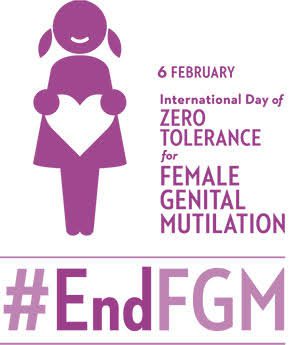
As the world commemorates the Zero Tolerance Day, the Youth Network for Community and Sustainable Development (YNCSD) joins the rest of the world to restate it’s committed to engaging young people as change makers to support the elimination of Female Genital Mutilation/Cutting in Nigeria. The engagement of young people is vital in discussions as the issue borders on key global concerns such as human rights, gender based violence and young people’s sexual and reproductive health.
What is FGM/C?
Female genital mutilation consists of the (partial or complete) removal of the external female genitalia, and the infliction of other injuries to the female genitalia for no medical reasons. There are several variations, including partial or complete removal of the clitoris, of the labia minora and majora, the narrowing of the vaginal opening by joining the two sides of the wound, leaving only a small opening for urine and menstrual fluids, and any other non-medical injury such as scraping, incising, pricking or burning. Female genital mutilation causes pain, infection, problems with sexual intercourse, problems with urination, problems with childbirth, and death.
Reports indicate that an estimated 19 million women in Nigeria have undergone FGM/C and 200 million women worldwide. A European Union forecast on the practice of FGM across 25 countries states that if the practice continues at the current pace, 68 million girls will be cut between 2015 and 2030 in 25 countries where FGM is routinely practiced and data available.
February 6 was unanimously adopted at the International Conference on Zero Tolerance to FGM organized by IAC from February 4 to 6, 2003 in Addis Ababa, Ethiopia. Further, the UN Resolution A/RES/67/146 on FGM ”Intensifying global efforts to end FGM” adopted on 20 December 2012, confirmed February 6 as the International Tolerance Zero Day to FGM.
What does YNCSD do to address the issue?
YNCSD tackles FGM through robust advocacy and community engagement programmes in practicing communities. Our projects have applied innovative approaches such as social and behavioural change communications, engagement of non-SRHR allied professionals and community-based anti-FGM champions, led by young people to learn, unlearn and relearn harmful social norms. Furthermore, creating dialogue sessions with communities using an approach is open and non-judgmental have proven to lead to positive attitudinal shifts in communities where we have worked in. Our efforts also improved access to support for survivors and capacity building of practitioners.
Sharing knowledge through advocacy and communications
Estimates show that there may be as many as 200 million victims of female genital mutilation (FGM) worldwide, including at least 19 million in Nigeria. YNCSD continues to conduct research and disseminate findings (resources can be found on our website) to members of the public about the potential harm associated with the practice. In 2017, under our TSON I project funded by Amplify Change, we focused on transforming social norms through advocacy and communications across 4 states in Nigeria. The project saw the engagement of the Circumcissers Association of Nigeria as well as Religious leaders as key influencers to end the practice. In 2018, in partnership with Orchid Project and with support from Amplify Change, we conducted a Knowledge Sharing Workshop for organisations working on ending FGM/C in Nigeria. The Knowledge Sharing Workshop is based upon the ‘six elements for the abandonment of FGC’ developed by UNICEF using academic theory and lessons learned from such field experiences as Tostan in Senegal. These six key elements can contribute to transforming the social convention of cutting girls and encourage rapid and mass abandonment of the practice. An underlying theme is application and the workshop concluded with how learning may be adopted and used within the activities of participating organizations. Deliverables of the workshop included:
• To promote the concept of non-judgemental open dialogue in advocacy and community mobilisation targeted at addressing social norms underpinning female genital mutilation/cutting.
• To share knowledge on best practices and create safe spaces for survivors to tell their stories and be at the forefront in speaking against the practice of FGM/C I their communities.
• To develop the capacity of organisations working on FGM/C in communications and knowledge sharing.
Scaling up advocacy
Prevention of FGM is essential and largely depends on the existence of policies guiding behavior and practices. Just recently, we launched the TSON II project which will focus transforming social norms that underpin the continued practice of FGM/C in 4 states in Nigeria. To achieve this; the project will work closely with traditional rulers and influential religious leaders, young people and the traditional cutters themselves to change norms, attitudes and expectations at the community level towards ending FGM/C. The Project will work with Ministries of Education across the four states to advocate for the inclusion of FGM/C into state education curriculum. For states where this has already been included, advocacy efforts will be targeted at implementation of the curriculum as well as building capacity of school teachers on the subject matter.
What happens next?
The Youth Network for Community and Sustainable Development will continue to work with partner, key linkages and stakeholders to ensure the abandonment of female genital mutilation. We are also setting up a social media interactive site where we can share best practices, ask and address questions and disseminate findings based on research conducted. We also commit to working with boys and men via awareness raising campaigns and promoting the dissemination and interpretation of the Violence Against Persons Prohibitions (VAPP) Act 2015 to key agencies and CBOs.
Eseme is Senior Technical Adviser, YNCSD
Boko Haram: Coalition salutes military for repelling multiple attacks in Adamawa, Yobe, Benue
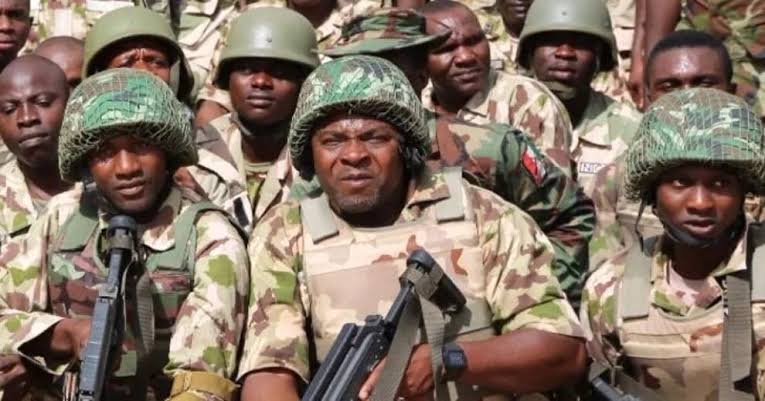
The Coalition Against Terrorism and Extremism (CATE) has saluted the Nigerian Army for averting what it described as ‘Black Monday’ by successfully repelling multiple terror attacks in several parts of the country.
Recall that the gallant Nigerian troops had overpowered and decimated some terrorists in Adamawa, Yobe and Benue States yesterday.
CATE in a statement through its Presidenct, Gabriel Onoja, lauded the Nigerian Army and the entire military for the dedication, commitment and the sense of sacrifice that inspired them to take down the terrorists while putting others in flight with varying degrees of bullet wounds.
His statement reads below.
These locations include Shuwa town in Madagali Local Government Area of Adamawa State, where Boko Haram terrorists where given a taste of the powers of a sovereign state and in Kanama, Yunusari Local Government Area of Yobe state, where an invasion by Boko Haram rather left several of the terrorists dead when troops intercepted them. In Tomatar community in Guma Local Government Area of Benue, three militant herdsmen were gunned down by the Army after they tried to stage a surprise attack on the community.These multiple attacks happening on the same day indicated that they were meant to plunge the nation into a sense of grief and insecurity even as the General Elections are a matter of days away.
The attacks call to mind the series of alarms that have been raised by different stakeholders that there are people that have commissioned and paid terrorists to carry out such attacks so that Nigeria’s democracy can be aborted and an interim government illegally put in place.
The Army has averted what was apparently planned to be a Black Monday of sorrow and terror on account of the number of Nigerians that would have been massacred had these terrorists not stopped in their track. This success recorded by the Army is a demonstration of the positive results that can be had when citizens trust the military enough to collaborate with them and provide vital information.
The successful thwarting of the terrorists in all the instances has affirmed that the decision the Chief of Army Staff, Lieutenant General Tukur Buratai, to launch Operation Python Dance nationwide was the right call for which he should be commended. It has turned out to be a proactive approach to the nation’s security challenges since it is now apparent that there are really those that are embittered that the country is on the way to having peaceful elections, which has made them even more desperate to destroy Nigeria’s democracy.
We also praise the troops that brought down these terrorists. The troops have remained committed to Nigeria and obedient to the military leadership even when disgruntled politicians have tried all manners of gimmicks to manipulate them into allowing terrorists gain the upper hand in the days preceding the elections. Nigerians cannot thank them enough for the valour they have shown in dealing the common enemy, which politicised terrorism.
However, it is apparent that there will be more of these kinds of attacks spread over wide geographical areas. This is because the sponsors of these attacks will adapt the “whack-a-mole” strategy, in which they will randomly chose to launch attacks in different geographical locations that are spatially incongruous in a bid to wear down the Army and to make it impossible for troops to deploy to all such locations at short notice. The desperation of those that want Nigeria to fail is such.
We therefore urge that the Army increases its collaboration with other agencies to improve on intelligence gathering with a view to nabbing some of the brains behind these attacks at the planning stage before they have time to cause their desired carnage in any part of the country. This must be closely followed by ensuring that anyone found to be complicit in planning or financing attacks against Nigeria is made to face the law without delay to serve as deterrence to others with similar plans.
Buratai: A study in warfare

By David Onmeje
The story of the Nigerian Army is such that invokes memories of exploits, especially in the Sub Saharan Africa. In times past, the Nigerian Army won countless laurels in its operations so much to the envy of other nations. At a point, the Nigerian Army was adjudged one of the best professional armies in the world.
Nigerians were indeed proud of the Nigerian Army, and it became a thing of pride for one to be enlisted as either an officer or a soldier in the Nigerian Army. This euphoria continued until the advent of democracy in Nigeria in 1999. And that era saw to the gradual and steady decline in the operational effectiveness of the Nigerian Army for some strange reasons.
We didn’t notice the decline until we were confronted with the Boko Haram challenge from 2009. So much that the Nigerian Army has lost its footing on the threats posed by evolving warfare such as cyber warfare, insurgency, terrorism, nuclear warfare and other forms of unconventional wars. It was so apparent that the Nigerian Army was still leaving on past glory. And this gave rise to the casualties it suffered during the early stages of the Boko Haram crisis.
The Nigerian Army was at its lowest ebb. The morale of the fighting troops was at an astonishing low. And Boko Haram continued to gain grounds so much so that over 16 local government areas in North East Nigeria fell under the control of the Boko Haram terrorists. Other parts of the country too were not safe including the federal capital territory that witnessed scores of Boko Haram attacks. This was as recent as 2015. It was such a bad tale to recount in the annals of Nigeria and the Nigerian Army.
But all of that has changed for the better as we are now witnesses to the return of the Nigerian Army to the path of glory in the past three years. In my opinion, there is no way one can talk about the return of the operational effectiveness of the Nigerian Army without mentioning two people. One is the president and commander-in-chief of the Armed Forces, Muhammadu Buhari and also the dynamic Chief of Army Staff, Lt. Gen. Tukur Yusufu Buratai.
How the Nigerian Army has achieved total peace for Nigeria is still what observers and researchers are still battling to unravel despite the security threats posed by the Boko Haram terrorists and other militant groups such as the Islamic Movement in Nigeria (IMN), the Niger Delta Avengers, the Indigenous People of Biafra (IPOB). This is mainly on the heels of the fact that before the coming of the administration of President Muhammadu Buhari, the Nigerian Army was a shadow of its self. In truth, we had a Nigerian Army that was just some kilometres away before its final disintegration. But not anymore.
I am of the opinion that God truly loves this country. If not for the intervention that saw the coming of the administration of President Muhammadu Buhari and the subsequent appointment of a dexterous general as the Chief of Army Staff, I wonder what would have been left of Nigeria with the ferocity with which the Boko Haram terrorist carried on. The terrorists and other militant groups would have overrun Nigeria.
That the Nigerian Army under the leadership of Lt. Gen Tukur Buratai was able to turn the tide against the enemies of the country is indeed an indication of capacity and strategic intelligence. I stand to be corrected. For the Nigerian Army to carry out operations simultaneously across the country and was still able to maintain peace is an indication that the Nigerian Army has been repositioned for operational effectiveness by none other than Lt. Gen Tukur Buratai. Little wonder the avalanche of awards that have come his way? Worthy of mention is the award of the Brazilian Military Order of Merit Award, which is the highest military honour awarded to military officers that have distinguished themselves in various military endeavours.
The likes of Lt. Gen Tukur Buratai should be a topic of research for military historians on how he was able to take the deplorable Nigerian Army to an effective operational force in a record three years. In my opinion, the topic of the research should read “Army Leadership in Nigeria and operational effectiveness: a case study of Lt. Gen. Tukur Buratai.”
In so doing, other upcoming officers and commanders would have something to chew on when the lot falls on them. In truth, this is what is obtainable in western climes ass it is done to the likes of General David Petraeus. It is indeed a record feat for Nigeria to have turned the tide against the Boko Haram terrorist. And it explains why the war exploits of Lt. Gen Tukur Buratai should be subject to a robust academic pursuit.
One of the landmarks of the operations of the Nigeria Army in North East Nigeria is the creation of the Special Strike Force that has continued to lead the onslaught against Boko Haram terrorists in North East Nigeria. In my opinion, the establishment of the Strike Force was the game changer and in conformity with the famous quote by General David Petraeus that says “Life is a competitive endeavour. And there’s nothing more competitive, obviously, than combat.”
And I could not agree less. It takes a whole lot of thinking outside the box when fighting an unconventional war. You must be prepared to assess the psychological state of the terrorist to be able to formulate an effective counter-strategy. This much I have noticed was deployed by the Nigeria Army in the fight against Boko Haram terrorists and other militant groups in Nigerian from 2015 to date. And with the present state of the Nigerian Army, it is just a matter of time for the remnants of Boko Haram terrorists to be wiped completely. Need I say more? Lt. Gen. Tukur Buratai is indeed a study in warfare.
Onmeje is a media strategist based in the United Kingdom.
Boko Haram: Amnesty International lied on Rann attack as CSOs laud military over peace in north-east
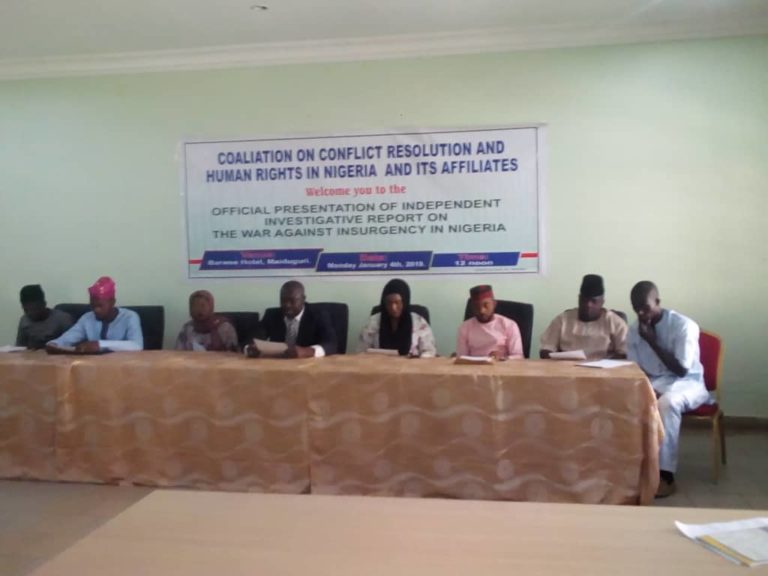
The Coalition on Conflict Resolution and Human Rights in Nigeria has described as false recent report in the media credited to Amnesty International that over 60 persons were killed in Rann area of Borno State by members of the Boko Haram insurgents.
Amnesty International had in a statement claimed that at least 60 people were killed following the 28 January devastating Boko Haram attack on Rann, a border town in Borno state, northeast Nigeria.
However, the human rights group said its investigative tour of the theatre didn’t only reveal that Amnesty International lied on its claim, it also showed that INEC’s decision to conduct elections in all the polling units across the north-east was well placed with the realities on ground.
The coalition made this known in a preliminary report presented on Monday in Maiduguri, the Borno State capital.
The report signed by its President/Convener, Gabriel Oche, said it was high time the Nigerian government began the process of expelling organizations such as Amnesty International from the country for its notoriety.
The full report reads in full.
The current news making the rounds on Boko Haram attacks in Rann, Damaturu road and other parts of the North East necessitated the Coalition on Conflict Resolution and Human Rights in Nigeria to activate a team of researchers to undertake an assessment tour of the above mentioned areas with a view to leaving the realm of speculation and to put things in proper perspective.
The operations of the Boko Haram terrorists in North East Nigeria have been the subject of debate across various platforms in Nigeria. While it has been stated in numerous forums that Boko Haram has been degraded, some organizations have countered the argument indicating that Boko Haram has instead intensified its operations against the Nigeria state.
The Nigerian military, on the other hand, has been in the vanguard of engaging the terrorist and this has resulted in casualties on both sides. This much has been evident in ensuring that peace is restored to North East Nigeria and the safe return of Internally Displaced Persons (IDPs) to their homes and communities.
From previous reports on the activities of the Nigerian military in North East Nigeria, it has been revealed that the since 2015 the Nigerian military gained grounds and recovered many territories that were once under the control of Boko Haram terrorists and it has continually engaged the Boko Haram terrorist who has resorted to using Nigeria’s neighbours (Chad, Niger, and Cameroon) as retreat areas whenever they come under heavy bombardment from the Nigeria military .
The Boko Haram Terrorist have also set up training camps along the fringes and use such location to launch attacks in communities in Nigeria and after that retreat to these countries. This is despite the memorandum of understanding signed between Nigeria and the francophone countries towards forming an alliance to combat terrorism in Sub Saharan Africa.
There also have been established cases of external support towards the Boko Haram terrorist, especially with the affiliation of the Islamic State of West African Province (ISWAP) and other terrorist’s networks in the world.
Consequently, this report looks critically at the claims made by the Nigeria Army towards degrading the Boko Haram Terrorists and also the counterclaims made by some organizations such as Amnesty International and others.
It has been widely speculated by Amnesty International (AI) that Boko Haram launched a deadly attack in Rann, Borno State that saw to the death of over 60 people. It also stated that the Boko Haram terrorist have been terrorizing travellers on the Damaturu Road, as well as other parts of North East Nigeria, therefore puncturing the claims by the Nigerian Army that the Boko Haram terrorists have been degraded.
Amnesty International has engaged the Nigerian Military with accusations of human rights violations and their inability to protect the people of North East Nigeria from Boko Haram terrorist that has led to a wanton loss of lives and properties. It also alluded that there have been constant Boko Haram attacks in Rann and other parts of North East Nigeria in recent times that have seen the Nigerian military lose grip of its core responsibilities and with a dampened morale as a result of heavy casualties it has suffered in the battlefield.
The group of researchers deployed for on the spot assessment of the various claims as postulated by Amnesty International came up with the verdict that the bulk of the position of Amnesty International is not an accurate reflection of the issues on the ground.
The Rann Attacks was amplified and misrepresented to the general public by Amnesty International. It was also gathered that Amnesty International acted in a manner that suggested that it has foreknowledge of the activities of Boko Haram as in the case of Rann and the speed with which it went to press was suspect.
Some residents of the area that were interviewed shared the same sentiment on the possibility of Amnesty International working in cahoots with either some foreign interests or with the Boko Haram terrorists themselves. It was therefore concluded that the hype around the Rann Attack is mischievous and misleading.
The team of researcher also carried out extensive investigations on the claims that Damaturu and Maiduguri to ascertain the veracity of the claims that the area has been under constant attacks. It was realized that the claims are mostly false and based on rumours and assumptions. The proponents of the claims did not bother to verify their claims before making it public knowledge.
From the reports gathered from locals and other credible sources, the Nigerian military has been able to maintain a firm grip of the security of most communities in North East Nigeria. This is contrary to claims in the public space that some communities in North East Nigeria were under the control of Boko Haram Terrorists.
Again, it is misleading and not the exact representation of the situation on the ground. As a fact, the special force battalion has been able to sustain a high level of morale amongst the troops which have reflected positively in their various operations in the North East.
The activities of some non-governmental organizations such as Amnesty International have been misleading to members of the general public. Some NGOs have carried on their actions in such a manner that connotes espionage. They hide under cover of NGO to ask questions and demand for sensitive information especially on the operational strategies of the military.
It was also discovered that some of the NGOs have in their employ French-speaking staff from some francophone countries. This trend has further heightened the suspicion that some of the NGO s operating in North East Nigeria might be working against Nigeria’s interest.
Our researcher was able to uncover some details about some senior staffers in some of the NGOs that might suggest why they have been ferocious in their criticism of the operations of the Nigerian military in North East Nigeria.
For example, Awwal Rafsanjani who chairs the affairs of Amnesty International in Nigeria is a member of the Islamic Movement in Nigeria (IMN). He has been known for his affiliations with the IMN since his university days in Bayero University Kano. It, therefore, would not be out of place to conclude that Amnesty International would indeed show bias in its reportage of the activities of the Nigerian military in North East Nigeria.
The researchers also identified another example in Isah Sanusi, the public relations officer of Amnesty International. Isah Sanusi is a former staff BBC Hausa and also a member of the Islamic Movement in Nigeria and who is known to have promoted hate speeches, religious bigotry, and intolerance.
The research team concluded that Amnesty International and other organizations such as Transparency International (TI) and Civil Society Legislative Centre (CISLAC) carries on with an agenda that defeats objectivism in all ramification and with a penchant for spreading falsehood and half-truths to the general public.
There is relative peace in all the communities that were visited by the team of researchers at random cutting across the states and therefore corroborates the position of the Independent National Electoral Commissions’ position that elections can now take place in all the communities.
The efforts of the military are entirely laudable.
The relevant authorities must warn the populace on the dangers posed by some identified NGOs in North East Nigeria
The relevant authorities must begin a security audit of all the international NGOs operating in North East Nigeria.
The relevant authorities must begin the process of expelling organizations such as Amnesty International from Nigeria for its notoriety.
The relevant authorities must make it mandatory for all NGOs in North East Nigeria to submit a weekly report of its activities in North East Nigeria to the Nigerian Military for vetting and approval before making public.
The relevant authorities must peg the number of NGOs that can operate in North East Nigeria in a bid to curb espionage activities.
Nigerians should be m
ore concerned about humanitarian issues and lack of infrastructure in the locality.
Cancer control: The task before the next president of Nigeria
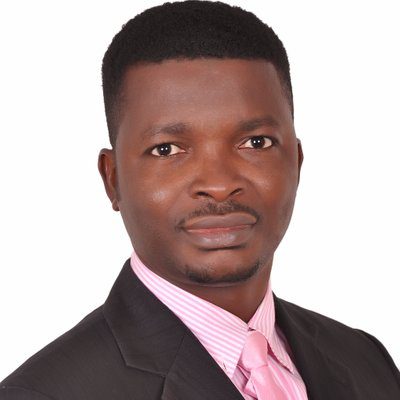
By Dr Laz Ude Eze
Last year, I met Mgborie (not real name), a 27 year old lawyer battling breast cancer and soliciting for funding support. The cancer was already in a late stage (Stage 4) and she was scheduled for surgery and radiotherapy having completed chemotherapy. She was the first child with six siblings all of whom were in school and had lost both parents. The family looked forward to her graduation to enable her secure a job and support the training of her younger ones. Four years earlier, she found a lump in her breast and went to a hospital where it was surgically removed. The lump reappeared 2 years later and was found to be cancerous. She battled the disease with hope of survival and lost the battle last year. If she was not living in Nigeria, she would have probably won the battle and still be alive. “Why”, you may ask, please find out in the subsequent paragraphs of this article.
Cancer is a disease which abnormal cells of the body divide uncontrollably and destroys the body tissue or organ. It may affect virtually every part of the body except the hair and nails. It is treatable and curable especially when detected early. According to the latest estimates by the International Agency for Research on Cancer (IARC), the global burden of cancer rose to 18.1 million new cases and 9.6 million deaths in 2018. In Nigeria, more than 100,000 cases are diagnosed annually and over 90% of them die from the disease, thereby putting us in an ignominious position of being the country with the highest number of cancer deaths globally.
In fact, Nigeria is plagued by a triple whammy – a high burden of communicable diseases, a rising burden of non-communicable diseases and persistently high incidence of road traffic injuries. The health system is very weak and unable to meet most of the health needs of the citizens. The funding for the health sector has remained very poor and continuously decreasing especially in the past six years. Yet, the rising burden of diseases is an indication for a substantial and sustainable increase in public funding for health care.
Each year on 4 February, the global community commemorates the World Cancer Day to enable every one of us across the world to show support to people fighting cancer, raise our collective voice against the disease, take personal action and press our governments to do more on cancer control. This year’s is not an exception as government and civil society organisations have lined up activities to commemorate the day. Coincidentally, Nigerians will be going to the polls to elect a new set of leaders at the national and sub-national levels. It provides an opportunity for citizens to elect candidates with demonstrable commitment to prioritise health and improve access to qualitative screening, diagnosis and treatment of cancer in Nigeria.
The essential ingredients required for cancer control are cancer awareness and early detection with prompt and effective treatment. To improve knowledge and understanding of cancer prevention practices, consistent public awareness must be created using multiple mass media platforms and inter-personal communication models. To prevent cancer, healthy diets, regular exercise and HPV & HBV vaccination must be promoted and made available and accessible to everyone who needs it.
To detect cancer early, there must be a screening program for common cancers like breast, cervical, prostate and colon cancer. For this to be successful there must be citizens’ awareness and education, available of a well-motivated skilled manpower and equipment and equitable distribution of both across the country. When cancer is detected, immediate commencement of qualitative treatment is required. For treatment to be qualitative, it must be done by a team of experts including oncologists, nutritionists, radiologists, clinical psychologists, etc; in a timely manner using well-maintained modern equipment and facilities. Do we have all these in Nigeria? Your guess is as good as mine.
Please permit me to quickly summarise the experience of most cancer patients in Nigeria. They usually present in late stages (more than 80%). The diagnostic tests are usually invasive and sometimes take months, delays caused by overcrowding of facilities, inability to pay for the tests or health workers strike. After confirmation of cancer diagnosis, the patient may go into the denial stage with utterances like “I reject it! It is not my portion!!” Many family members or friends would recommend a religious treatment centre for divine healing; others may recommend traditional medicine while a few may opt for orthodox medicine. While some who opted for miraculous or trado-medical healing may succeed, majority of them end up in hospitals in critical conditions.
More so, many of the people who went for the orthodox treatment option usually have gory tales arising from inability to pay out-of-pocket, long waiting time in health facilities, poor counseling services, rude behaviours of some care providers and frequent treatment interruptions caused by unavailability of some chemotherapy drugs, lack of or frequent breakdown of CT scan and radiotherapy machines, and health workers strike. The available treatment facilities are grossly inadequate. For example, the Pink Oak Cancer Trust paid for radiotherapy at the National Hospital Abuja for a cancer patient in November 2018 but she’s yet to be commenced on treatment due to a long queue of patients. There were only two functional radiotherapy centers in Nigeria in January 2019; more than 200 is needed for our population. Lobbying for treatment is at its peak. A patient told me she was going to the hospital every day by 7.00am and sometimes waited till 1.00am of the subsequent day in order to get treatment. “Horrific”, you may say but it’s only a tip of the iceberg.
Do you now realize why Mgborie died? Hers was a case of mismanagement. Had the doctor that removed her breast lump in 2014 done biopsy, the cancer might have been detected, treated and cured. When the lump recurred in 2016, the cancer had already spread to other parts of the body, prognosis poorer and a chance of survival was minimal.
How do we solve this problem? The approach to health care in Nigeria must shift from management of diseases to management of health. This is where the next set of political leaders has a big role to play. All levels of governance have a critical role to play in cancer control. The local government should be responsible for awareness creation and health education in communities. The state and federal government should work collaboratively to ensure availability and access to cancer screening services, well-motivated skilled manpower, chemotherapy drugs, equipment and maintenance of same and sustainable financing for cancer care.
According to Nigeria’s National Cancer Control Plan (2018-2022), an estimated sum of N97.3 billion is required to implement the plan. The next President must lead this effort by investing substantial public funds in cancer control and inspiring states and local government areas to do same. The office of the president is the most powerful office in the country and should be used to save the lives of the predominantly productive population that is being cut short by cancer. The next president should strengthen the six building blocks of the health system and create an enabling environment for a humongous private sector investment in health care including cancer control. Private sector investment can be encouraged through offer of tax incentives, loan facilities with low interest rates, health insurance coverage for cancer prevention and treatment services, and availability of uninterrupted power supply in such facilities. The governors should also replicate same in their respective states. Can the next President and Governors say this, “I am and I will” implement the above recommendations? In the efforts to beat cancer, everyone has a responsibility. I am and I will continue to play my part, what about you?
Dr Laz is a public health management expert, Producer of TalkHealth9ja and the Executive Director of the Pink Oak Cancer Trust – Nigeria’s 1st Cancer Treatment Fund. You may contact him throughlaz.eze@pinkoak.org. He tweets as@donlaz4u.
FEWACCI President, NACCIMA Vice President, Ex-Minister, others congratulate Prince Kayode on emergence as PACCI Vice President
By Lubem Gena
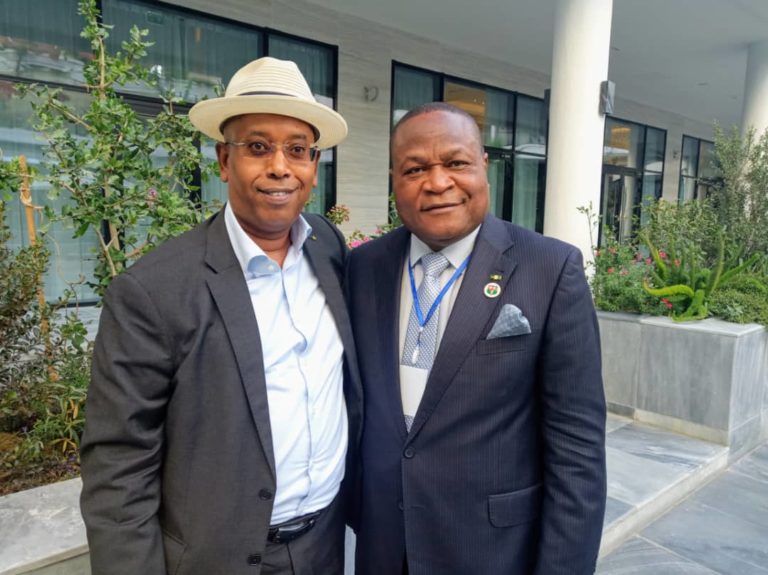
Congratulatory messages have continued to pour into the Abuja Chamber of Commerce and Industry (ACCI), since Chamber Telegraph broke out the emergence of its President, Prince Adetokunbo Kayode, CON., SAN emerged as the Vice President of the Pan African Chamber of Commerce and Industry (PACCI).
In her message the President of the Federation of West African Chambers of Commerce and Industry (FEWACCI), Iyalode Alaba Lawson last night underscored the sterling qualities of Prince Kayode which have earned the top notch job in Organised Private Sector (OPS) continental organisation.
The FEWACCI President emphasised that Prince Kayode’s dedication and thorough commitment to the development of the economy of Nigeria, West Africa and his untiring efforts in harnessing the potentials of African countries as well as creating forum to discuss issues of common concern are all outstanding.
“Congratulations to our dear Prince Adetokunbo Kayode for this great elevation. As a Council Member, you succeeded in bringing the Nigerian Association of Chambers of Commerce, Industry, Mines and Agriculture (NACCIMA) into the limelight of Chambers Movement in the continent of Africa.
“You are NACCIMA pride indeed a right peg in the right hole so far this new role is concerned. It is indeed a big season of harvest of promotions in NACCIMA.
This is because Jehovah is in control of our committed members that have passion for our noble association.
“I deeply congratulate on this new job and I am of the unshaken confidence that you will succeed and to the glory of not just Nigeria or ECOWAS member states but for the entire African continent”, Iyalode Lawson stated.
They all described Prince Kayode as the man with the ideas needed to elevate economy of the continent from the OPS perspective in which internal development and production will be stimulated.
Also, the Publisher of Chamber Telegraph who is also the Vice President in ACCI and Provost of the Business Entrepreneurial Skills and Technology (BEST) Centre, Prof. Adesoji Adesugba said, he received the news with a conviction that Prince Kayode will surpass the expectation of his office.
“I have worked closely with Prince Kayode for over two decades. He is a workaholic, a go-getter, committed player in the chamber movement. A man with ideas that are not only aimed at improving the way and manner Chamber activities are conducted but also deeply involved in mentoring the younger ones to imbibe the spirit of entrepreneurship.
“PACCI will grow in leap and bounds. He will introduce and inject a new dynamism, creativity and ingenuity in its operations. I am overwhelmed with joy over this election”, Adesugba said.
Meanwhile, Otunba Dele Oye, a close confidant of Prince Kayode in his message also wished him well in his new role.
Others, that sent in there congratulatory messages include elated members of the Abuja Chamber of Commerce and Industry amongst who is the Second Deputy President Chief Emeka Obegolu who said Prince Kayode will take PACCI to the next level also prayed God to grant him more wisdom, direction and energy to steer the affairs of PACCI.
“Congratulations Mr President. Well deserved recognition for your hard work sir. They said the reward for hard work is more work. May God give you the strength and wisdom to execute the office. Ameen” Dr. Aliyu Idi Hong, a former cabinet Minister in Nigeria and ACCI Honorary Council member said.
Amongst other NACCIMA officials who congratulated Prince Kayode are the First Deputy National President, Hajia Saratu Aliyu, Alhaji Sanusi Maijama, Chief Charles Okeke and Nabil Saleh, the President of Port Harcourt Chamber of Commerce and Industry.
Adetokunbo Kayode is a corporate lawyer, tax expert and international arbitrator.
He is a Senior Advocate Of Nigeria (SAN), and a Life Bencher, respectively, the highest rank and the highest honor a practicing lawyer may attain in Nigeria.
He is a Fellow of the Chartered Institute of Arbitration, UK; Fellow of the Chartered Institute of Mediators and Conciliators of Nigeria; and Chartered Institute of Taxation of Nigeria.
He studied law at the University of Lagos, Strategic Leadership at the Oxford and Cambridge Universities, Strategy and Public Communications at the World Bank/ Annenberg Program of the University of Southern California, as well as Strategic Negotiations training at the Harvard University.
He has served the Government of Nigeria as Cabinet minister in four different positions: Culture and Tourism; Labour, Employment; Federal Attorney General and Hon Minister of Justice and as Minister of Defence.
He chairs the Peace and Security Committee of the Pan African Lawyers Union, Dar es Allam, Tanzania.
Kayode has business interests in legal and tax consultancy, agriculture, electric power and mining.
He is on the board of the National Associations of Chambers of Commerce, Industry Mines and Agriculture of Nigeria, Nigerian Chamber of Mines, Nigeria Association of Investment Promotion Agencies.
He Chairs the Boards of the Gemological Institute of Nigeria, Gems Miners and Marketers Association of Nigeria as well as the Board of Trustees of the National Association of Small Scale Industrialists responsible for SMEs development in Nigeria, as well as the Nigeria Private Sector Alliance.
He also represents the NACCIMA/Nigeria Organised Private Sector (OPS) on international trade and Chamber matters.
He holds the Nigeria National Honors of the Commander of the Order of the Niger (CON) well as the Distinguished Service Order (DSO) of the Republic of Liberia.
Currently, he serves as the President, Abuja Chamber of Commerce and Industry, Nigeria.
The Pan African Chamber of Commerce and Industry (PACCI) is an independent, non-profit and non-partisan organization established in 2009 to serve Africa’s business by promoting for public policies that will foster continental economic integration, competitiveness, and sustainable growth.
PACCI offers its constituents a wide range of services including advocacy for the creation of the African Economic Community, capacity building, and business networking.
With more than 50 national chambers of commerce acting as its local focal point, PACCI is the largest business association in Africa, and the continent’s most influential.
Its strength lies not just in the numbers but in dedicated commitment to increase the prosperity of Africa by promoting and encouraging the growth of existing businesses and the establishment of new businesses.
ACCI President Commiserates with the family of late Oloyede
By Lubem Gena
The President of Abuja Chamber of Commerce and Industry (ACCI), Prince Adetokunbo Kayode, CON., SAN has received the news of the death of the Chamber’s Honorary Council Member, Dr. Olawale Oloyede with rude shock.
In a condolence message which he personally signed, Prince Kayode described the late Oloyede, a retired Deputy Comptroller General of Prisons as an upright man who worked with integrity as well as impacted significantly on the current developmental strides of the Chamber.
“I received the news of the untimely death of Dr. Oloyede with utmost shock judging from the gruesome circumstances which he died.
“I particularly want to express, on behalf of myself, the Exco, Council, Management and staff of our chamber, our deepest sympathy over this loss.
“We passionately remember Dr. Oloyede for his work on drug abuse and rehabilitation of affected Nigerian youths as well as his altruistic work for the benefits of retired paramilitary service men.
“While I wish his family, ACCI, circle of friends and his well wishers, the fortitude to bear the irreparable loss, I am sure he is resting in the bosom of the Lord as he led an exemplary life worthy of emulation”, Prince Kayode emphasised.
Dr. Oloyede was killed by the bullets of suspected kidnappers yesterday, Friday, 1st February, 2019 along Lokoja-Okene road on his way to Lagos from Abuja.
Before his death, Dr. Olawale Oloyede, a Retired Deputy Controller General of the Nigeria Prison Service was the President of the National Association of Retired Paramilitary Officers (NARPO).
He was also a member of the Faculty Board of the Abuja Chamber of Commerce and Industry (ACCI) BEST Centre.
1,000 Interfaith Clerics to hold Grand Rally for Buhari’s Reelection
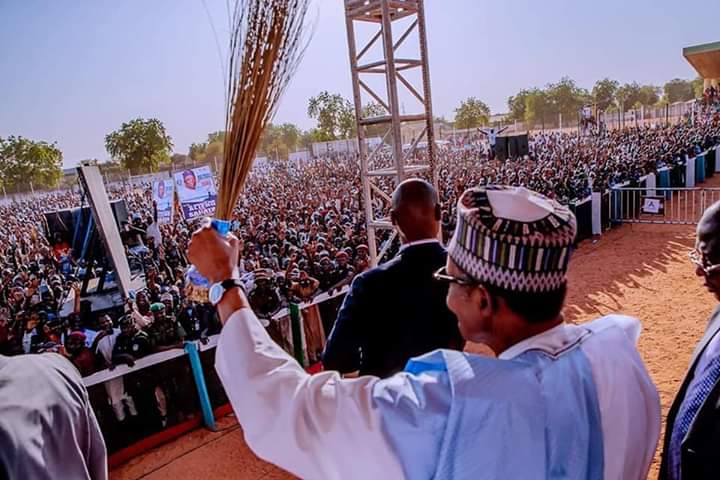
The National Inter-faith and Religious Organizations for Peace (NIFROP) is set to hold a grand rally of 1,000 clerics and faithfuls for the reelection of President Muhammadu Buhari in the 2019 general elections. This was contained in a statement issued by the group in Jos recently.
It stated that since the completion of a forty days’ inter-faith fasting and prayers as part of preparations for the commencement of the 2019 general elections it was revealed that President Muhammadu Buhari is God’s choice to lead the country for the next four years.
“Recall that at the end of this forty days of fasting and prayers, God emphatically revealed the choice was for the re-election of President Muhammadu Buhari. It was revealed to people of faith that President Buhari is the choice of God because of the specific assignment that was given to him. His is the assignment to end the years of locust that had made Nigeria a laughing stock among nations before his ordained first term.”
“Our faith teaches us to back prayers with good deeds and actions. What has been revealed to us after prayers about the re-elections of President Buhari must now be backed up by actions. We have resolved to between now and the election speak truth to power in a manner that is more vocal than we have ever done in the past.”
The group averred that it would scale up activities to ensure that that which has been said about President Buhari’s election will come to pass. “As the first step, we shall be holding a Grand Rally for President Buhari’s re-election, is the choice of God for the land. We are doing this to ensure that Nigerians do not sin against God by ignorantly voting against the choice ordained to take the country to a higher level.”
The statement further stated that the Grand Rally would take place in Abuja on 7 February 2019 as divinely revealed during the forty days’ prayers and fasting.
“Eight is perfection. It symbolizes material abundance and economic success. Others might have misused such opportunity to do good things for Nigeria before, but one truly ordained by God shall make the initial four years of plowing and sowing to yield great harvests in the latter years.”
“Those with an evil intention for Nigeria have seen the glory that is soon to descend on the country once President Buhari has been re-elected. They have resorted to lies, intimidation, and violence to confuse the electorate from doing God’s will, which is to vote for President Buhari. Their intention for doing this is not just because they want to win and gain power at all cost. They are trying to turn Nigerians against President Buhari so that God will be displeased with the country and visit wrath upon us.”
NIFROP also stated that the essence of the Grand Rally is to enlighten voters to this uncommon combination of danger and opportunity.
“We are in danger if we contravene God’s order to re-elect President Buhari while we have a great opportunity to be blessed and thrive as a people when we do God’s will and re-elect him as our leader. This is the message we are taking to Nigerians on the streets during the Grand Rally. Those who cannot make it to Abuja to be part of the rally can hold mini-versions in their respective cities and towns.”
It would be recalled that NIPFROP assembled over 1000 clerics from various faiths to a forty days’ prayers and fasting for President Muhammadu Buhari and the general wellbeing of the country at large.