Home Blog Page 2256

North- East IDPs and the efforts of NE

0


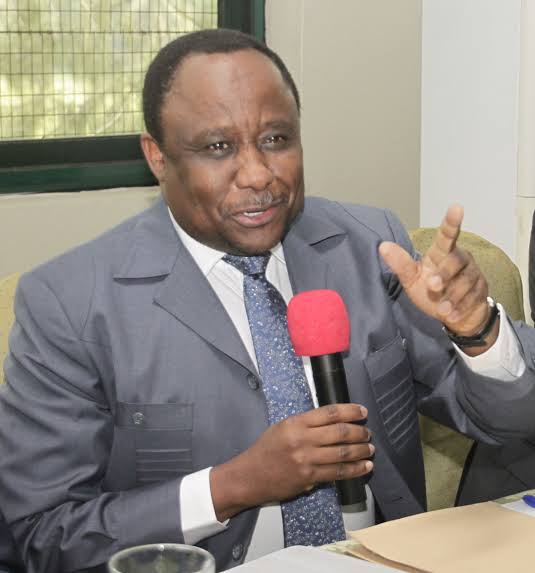
By Philip Agbese

Since the creation of the North East Development Commission, a lot has happened in North-East Nigeria. So much, so that critical stakeholders have attested to. The North East Development Commission, as we all know, is an interventionist agency. However, the case of the NEDC has somewhat proven different from other interventionist agencies in the country.
There has been a consistent drive towards achieving its core mandate in rebuilding North East Nigeria that had suffered phenomenal destruction since 2009 when the Boko Haram group began its violent campaign against Nigeria.
Consequently, this piece is a critical examination of the activities of the NEDC and its impact on the lives of the people in North-East Nigeria. As a first, the choice of administrators is worthy of mention. I dare say that the managing director hit the ground running with a clear idea of what is needed to be done to bring about normalcy in the region.
In my opinion, he struck gold when he made transparency and accountability his watchword. I dare say that in my many years of research on post-conflict societies, the case of North-East Nigeria stands tall in the sense that the commitment of the government towards addressing the challenges that came about as a result of the Boko Haram insurgency is topnotch.
It would thus be stale news to say that normalcy has returned to North-East Nigeria. It would also be stale news to say that the various interventions of the NEDC have had a profound impact on the lives of people in North-East Nigeria.
The case of the NEDC is indeed a testament that nothing is impossible in Nigeria with exemplary leadership. And this much the leadership of the NEDC led by Mohammed Goni Alkali has displayed since its inception. The NEDC has redefined what an interventionist agency should represent; it has set lofty records, and paramount, it has never ceased to put smiles on the faces of the people of North-East Nigeria.
I must say that the success of the NEDC is not magic or luck but rather a function of strategic planning and implementation of programmes with a direct impact on the people. For instance, the NEDC has executed 224 developmental projects in 112 Local government areas across the six North-East states under the Rapid Response Intervention (RRI), as part of the comprehensive master plan to holistically rebuild the region based on the recommendations and demands of the states in the areas of education, health, social infrastructure, agriculture and WASH.
According to the managing director of the NEDC, the projects were part of the early recovery actions plans by the Commission to return simple infrastructure which included, public and institutional structure, boreholes and culvert that were ravaged by the insurgency to function again. And the impact has been phenomenal.
It is also instructive to state that the NEDC has earmarked N6 billion to replenish the 10 per cent annual grants on scholarship for students in the region. Under this arrangement, the beneficiaries include; 5 000 bachelor’s degree, 336 Masters and 54 Doctorate Degree candidates. The funds would also be used for skills and acquisition training and provision of starter packs to 5 000 Information Communication Technology (ICT) skills, 5000 women and youths on entrepreneurship, and 2000 other vocational skills in each of the 1,028 wards in the Northeast. This is indeed brilliant and an indication that the infrastructural and economic development of North-East Nigeria is well on course.
For some of us that are conversant with the level of destruction in North-East Nigeria, we cannot but be appreciative of the efforts of the leadership drive of the NEDC towards achieving its core mandate. And it is succinct to state that the NEDC has surpassed expectations, and it behoves on stakeholders to extend support to the leadership of the NEDC towards achieving its overall mandate.
Another area that I must not fail to mention is how the NEDC has responded to the needs of the IDPs in the region. For example, the NEDC is reaching out to IDP during Ramadan fasting by ensuring that their needs are met and not being denied the opportunity to participate in this religious exercise.
The NEDC has been proactively involved in the distribution of food items to IDPs during the fasting period. As a fact, the impact of this initiative has been tremendous. It has given the IDPs a sense of belonging to that effect and the best of times in the Ramadan period. This is aside other numerous interventions that have indeed touched lives and given the people hope that certainly there is light at the end of the tunnel.
I must not fail to add that all of these would not have been possible without the display of commitment by President Muhammadu Buhari towards ensuring that normalcy returns to North-East Nigeria. This much he exhibited with the choice of people appointed to lead the drive towards achieving the mandate of the NEDC. And I am glad that the leadership of the NEDC have been alive to their responsibilities.
The Mohammed Goni Alkali led management have put the interest of the people at heart. They have displayed an unalloyed commitment that speaks volume of service to humanity. I dare say that anyone conversant with the operations of the NEDC would readily attest to the fact that the NEDC can be regarded as a gift to the people of North-East Nigeria.
It has been alive to its responsibilities and set standards worthy of emulation by other interventionist agencies in the country. I dare say that should those saddled with the responsibility of implementing government policies imbibe the approach of the NEDC management, Nigeria would experience sustainable growth and development.
At this point, I would like to commend the managing director of the NEDC for this rare display of sound leadership that has translated the hopes and aspirations of the people of North-East Nigeria into tangible realities. His work ethics is infectious. His passion is unrivalled. His commitment to fulfilling the mandate of the NEDC is also noteworthy.
I dare say that should those in leadership positions imbibe such disposition; we would be sure of life been meaningful for all and sundry. However, I must not fail to add that it is not yet Uhuru as there is still work to be done. Consequently, this is my charge to the leadership of the NEDC; do not rest on your oars as the mandate of the NEDC is not a one-off event; instead, it is a continuum.
They must strive for an improvement in their operations, which is necessary given the enormity of the task at hand. In these circumstances, I doff my hat for the management of the NEDC. It is indeed an example of what purposeful leadership entails.

Agbese is a human rights activist and wrote this piece from the United Kingdom.
North- East IDPs and the efforts of NEDC

By Philip Agbese

Since the creation of the North East Development Commission, a lot has happened in North-East Nigeria. So much, so that critical stakeholders have attested to. The North East Development Commission, as we all know, is an interventionist agency. However, the case of the NEDC has somewhat proven different from other interventionist agencies in the country.
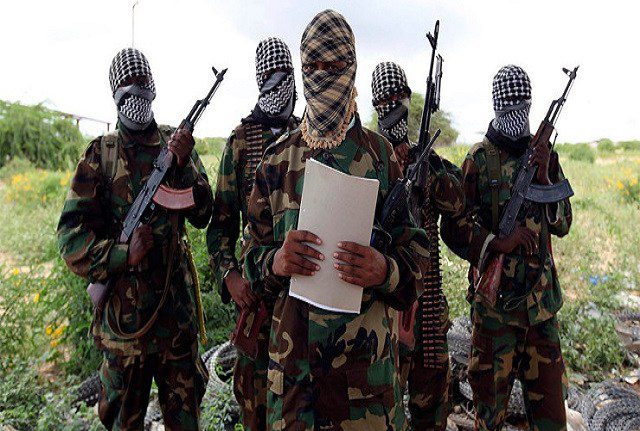
There has been a consistent drive towards achieving its core mandate in rebuilding North East Nigeria that had suffered phenomenal destruction since 2009 when the Boko Haram group began its violent campaign against Nigeria.
Consequently, this piece is a critical examination of the activities of the NEDC and its impact on the lives of the people in North-East Nigeria. As a first, the choice of administrators is worthy of mention. I dare say that the managing director hit the ground running with a clear idea of what is needed to be done to bring about normalcy in the region.
In my opinion, he struck gold when he made transparency and accountability his watchword. I dare say that in my many years of research on post-conflict societies, the case of North-East Nigeria stands tall in the sense that the commitment of the government towards addressing the challenges that came about as a result of the Boko Haram insurgency is topnotch.
It would thus be stale news to say that normalcy has returned to North-East Nigeria. It would also be stale news to say that the various interventions of the NEDC have had a profound impact on the lives of people in North-East Nigeria.
The case of the NEDC is indeed a testament that nothing is impossible in Nigeria with exemplary leadership. And this much the leadership of the NEDC led by Mohammed Goni Alkali has displayed since its inception. The NEDC has redefined what an interventionist agency should represent; it has set lofty records, and paramount, it has never ceased to put smiles on the faces of the people of North-East Nigeria.
I must say that the success of the NEDC is not magic or luck but rather a function of strategic planning and implementation of programmes with a direct impact on the people. For instance, the NEDC has executed 224 developmental projects in 112 Local government areas across the six North-East states under the Rapid Response Intervention (RRI), as part of the comprehensive master plan to holistically rebuild the region based on the recommendations and demands of the states in the areas of education, health, social infrastructure, agriculture and WASH.
According to the managing director of the NEDC, the projects were part of the early recovery actions plans by the Commission to return simple infrastructure which included, public and institutional structure, boreholes and culvert that were ravaged by the insurgency to function again. And the impact has been phenomenal.
It is also instructive to state that the NEDC has earmarked N6 billion to replenish the 10 per cent annual grants on scholarship for students in the region. Under this arrangement, the beneficiaries include; 5 000 bachelor’s degree, 336 Masters and 54 Doctorate Degree candidates. The funds would also be used for skills and acquisition training and provision of starter packs to 5 000 Information Communication Technology (ICT) skills, 5000 women and youths on entrepreneurship, and 2000 other vocational skills in each of the 1,028 wards in the Northeast. This is indeed brilliant and an indication that the infrastructural and economic development of North-East Nigeria is well on course.
For some of us that are conversant with the level of destruction in North-East Nigeria, we cannot but be appreciative of the efforts of the leadership drive of the NEDC towards achieving its core mandate. And it is succinct to state that the NEDC has surpassed expectations, and it behoves on stakeholders to extend support to the leadership of the NEDC towards achieving its overall mandate.
Another area that I must not fail to mention is how the NEDC has responded to the needs of the IDPs in the region. For example, the NEDC is reaching out to IDP during Ramadan fasting by ensuring that their needs are met and not being denied the opportunity to participate in this religious exercise.
The NEDC has been proactively involved in the distribution of food items to IDPs during the fasting period. As a fact, the impact of this initiative has been tremendous. It has given the IDPs a sense of belonging to that effect and the best of times in the Ramadan period. This is aside other numerous interventions that have indeed touched lives and given the people hope that certainly there is light at the end of the tunnel.
I must not fail to add that all of these would not have been possible without the display of commitment by President Muhammadu Buhari towards ensuring that normalcy returns to North-East Nigeria. This much he exhibited with the choice of people appointed to lead the drive towards achieving the mandate of the NEDC. And I am glad that the leadership of the NEDC have been alive to their responsibilities.
The Mohammed Goni Alkali led management have put the interest of the people at heart. They have displayed an unalloyed commitment that speaks volume of service to humanity. I dare say that anyone conversant with the operations of the NEDC would readily attest to the fact that the NEDC can be regarded as a gift to the people of North-East Nigeria.
It has been alive to its responsibilities and set standards worthy of emulation by other interventionist agencies in the country. I dare say that should those saddled with the responsibility of implementing government policies imbibe the approach of the NEDC management, Nigeria would experience sustainable growth and development.
At this point, I would like to commend the managing director of the NEDC for this rare display of sound leadership that has translated the hopes and aspirations of the people of North-East Nigeria into tangible realities. His work ethics is infectious. His passion is unrivalled. His commitment to fulfilling the mandate of the NEDC is also noteworthy.
I dare say that should those in leadership positions imbibe such disposition; we would be sure of life been meaningful for all and sundry. However, I must not fail to add that it is not yet Uhuru as there is still work to be done. Consequently, this is my charge to the leadership of the NEDC; do not rest on your oars as the mandate of the NEDC is not a one-off event; instead, it is a continuum.
They must strive for an improvement in their operations, which is necessary given the enormity of the task at hand. In these circumstances, I doff my hat for the management of the NEDC. It is indeed an example of what purposeful leadership entails.

Agbese is a human rights activist and wrote this piece from the United Kingdom.

Boko Haram takes control of IGP’s hometown Geidam, kills scores

0

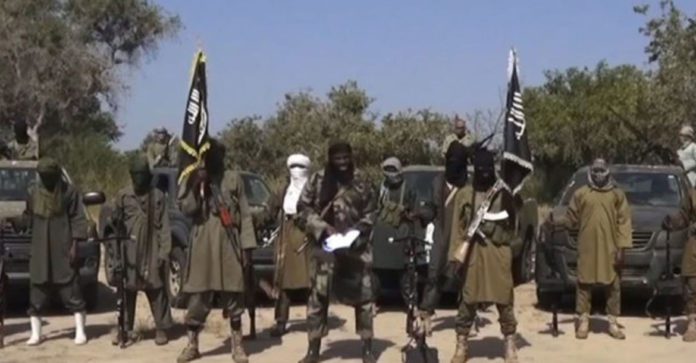
Suspected armed members of dreaded Boko Haram sect which invaded Geidam Local Government Area (LGA) of Yobe state on Friday have killed eight people, with several others sustained gunshot injuries.

This is even as the insurgents are still holding ground and disguised as residents hoisting their flags while dropping leaflets for residents.

No photo description available.

The gunmen also razed down several residential houses, public structures and shops.

The insurgents invaded the town with several gun trucks at about 5pm.

Geidam is the home town of the immediate past Governor, now Senator Ibrahim Gaidam.

The town is about 200km from Damaturu, the Yobe State capital and one of the border towns between Nigeria and Niger Republic. It also shares a boundary with Borno State from the north.

The town has been attacked by Boko Haram several times leading to loss of lives and property.

Confirming the killings and destruction on Saturday, Executive Chairman of Geidam, Hon Ali Kolo told our Correspondent that the armed insurgents killed eight Persons with destruction of properties worth millions of naira.

“Based on the information at my disposal, Boko Haram have so far killed eight Persons, with several others sustained various degree of  injuries.

“The insurgents have also razed down many residential and public structures, even as thousands of my people have fled into the Bush for safety.

“I had tried and make contact with the military Commander in Gaidam, but there is no concrete evidence as to whether the attack have been repelled as insinuated.

“Right now I am in Damaturu for an official engagement, and had planned to return back today (Saturday) but to no avail, as the town is under Boko Haram control”. Kolo stated.

Police kill notorious IPOB commander, recover arms in Imo

0

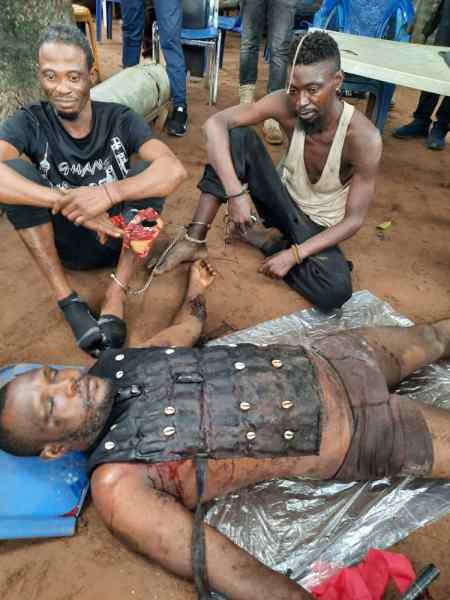
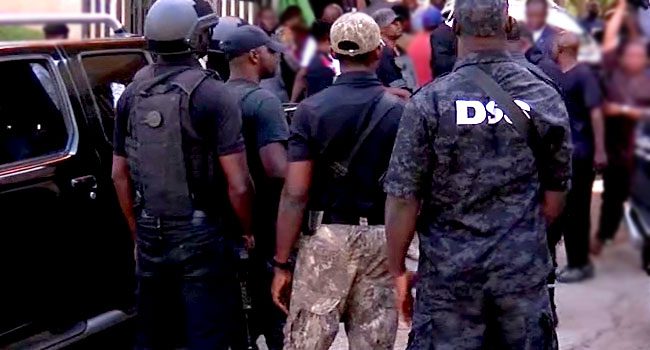
Operatives of the Nigeria Police Force and their counterparts from the Nigerian Army and DSS in a joint operation, in the early hours of today 24th April, 2021 stormed the operational headquarters of Insurgents (IPOB Militias) in Awomama Village Oru East LGA of Imo State.

The Insurgents are responsible for the attack on the Imo State Police Headquarters and the headquarters of the Nigerian Correctional Service on 5th April, 2021. They have also carried out series of calculated, violent attacks on security personnel and formations in the south east and south south of the country.

As the security forces approached the base of the insurgents, they came under rapid fire from the group. In a bold and clinical response, the joint security forces fought back gallantly.

The Forces eventually neutralized the overall commander of the insurgents in the Southeast popularly known as Ikonso Commander and six (6) other armed fighters of the insurgent group. Commander Ikonso is known as the Vice President designate as well as the coordinator of all the militia operations of the group.

He was the mastermind and coordinator of the attack on the Imo Police Headquarters and several other attacks on security and military personnel and facilities.

The operation is part of deliberate effort by the Police and other security forces to quel the activities of insurgents in Imo State and other States of the South East and South South region of the country.

After the fierce gun battle, the security team recovered the remains of Ikonso Commander and the six (6) of his fighters. Several sophisticated weapons including six(6) AK47 rifles, hundreds of ammunition of different caliber and lots of charms including bullet Proof charms were recovered from the insurgents.

At the time of filing this report, three policemen and one army officer are receiving treatment having sustained serious bullet injuries during exchange of gunfire with the insurgents.


Human Trafficking: NAPTIP, Army collaborate to boost capacity

0

The National Agency for the Prohibition of Trafficking in Persons (NAPTIP) has sought the collaboration of the Nigerian Army to boost its capacity in the fight against human trafficking.

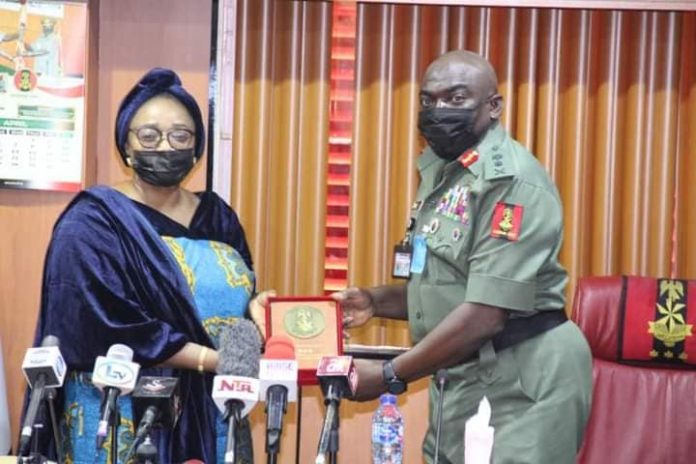
NAPTIP Director General of the agency Mrs Imaan Sulaiman-Ibrahim, made the request when she paid a visit to the Chief of Army Staff Lieutenant General Ibrahim Attahiru at the Army Headquarters in Abuja.

Sulaiman-Ibrahim said that the partnership would be in the areas of training of NAPTIP personnel in relevant tactical areas, joint actions and logistics, among others, to enable it to wage more war against traffickers.

She said that the partnership was necessary especially now that the rate of insecurity in the country was on the high side, adding that human trafficking was not left out in the security challenges.

According to her, human trafficking has become a huge security problem to the global community including Nigeria and if we do not properly harness our efforts in fighting it, we will not be able to deal with the problem adequately.

She said that Nigeria, which had always been a champion in Africa in the fight against human trafficking, must do everything possible to win the war.

Sulaiman-Ibrahim stressed the need for the armed forces and other law enforcement agencies to see human trafficking as a big national security problem just like illicit drugs and proliferation of arms.

The Army chief in his remarks assured NAPTIP of Nigerian Army’s continuous support and cooperation to achieve the objective.

NAPTIP arrests 2 suspected traffickers, rescues 8 underaged children in Kano

0

The National Agency for the Prohibition of Trafficking in Persons says it has received eight rescued underaged children and arrested two suspected human traffickers in Kano State.

NAPTIP North West Zonal Commander, Abdullahi Babale, made the disclosure while briefing newsmen in Kano on Friday.

He said the rescued victims were between the ages of three months and 10 years, comprising of four males and four females.

Babale added that the two suspects were the victims’ biological mothers.

According to him, on April 22, the Niger Consulate in Kano alerted NAPTIP that they rescued eight victims of human trafficking and two female suspected traffickers.

He explained that the victims and suspects were from Saminaka in Lere Local Government Area of Kaduna State heading to Algeria for begging and exploitative labour.

The commander explained that some unscrupulous Nigerians now take children to Niger Republic so as to get assistance from the International Organization for Migration.

Babale said: “Based on intelligence report some people hire children and take them to Niger because the International Organization for Migration (IOM) in Niger, when they see people stranded, accommodate, feed and give them money.

“Counsel and rehabilitate them in 45 days after which they will be deported back to Nigeria.

“Investigation is ongoing, and when concluded the suspects will be charged to court.”

Babale enjoined parents to take adequate care of their wards and called for collaborative efforts with the general public and various stakeholders to eradicate the menace of human trafficking.

One of the suspects, who is the mother of three of the victims, told NAN that she was going to Algeria to seek for job.

“This is my first time, I don’t pray even my enemy to embark on this kind of journey seeking for greener pasture, we have suffered.”

War against Boko Haram and the network of snitches

0

By Chidi Omeje

For the Nigerian troops engaged in the protracted war against Boko Haram terrorism in the north east, the greatest challenge in the task is not the brutality and savagery of the terrorists or their confirmed links with global terror network. It is not even their touted fighting skill or purported ‘invincibility’; the real obstacle standing between the troops and the total and final obliteration of Boko Hama/ISWAP terrorists is the nefarious activities of local network of informants in most part of the epicenter of the crisis.

As a matter of fact, the amount of damage done to the counter-insurgency and counter-terrorism operations of the Nigerian military in the north east by local Boko Haram collaborators who snitch on troops movements and positions, is unquantifiable. The sickening irony of victims taking sides with their tormentors to wage battle against their helpers, as typified by the recurring incidence of sabotage against troops, is as confounding as it is provocative. For how is it conceivable that the same people whom the troops are out in the harm’s way to protect are the ones constituting utmost risk to them?

It is certainly an uphill task deconstructing the thought-process of a snitch but what is obvious is that he has a loathsome dual personality. Snitches are deceptive, sly and illusive; the motive and reasons for their actions vacillates from the strange to the ridiculous. However, it is noteworthy that in some cases, past injustices, highhandedness and untold socioeconomic deprivations wrought by bad governance and horrible politics are often the underlying factors that predispose the mindset of snitching – may be as a way of getting back at the system. In effect, it takes a lot for a normal, rational thinking person to blatantly carry out subversive actions that clearly hinder the war efforts of his own nation and imperil his own life for whatever incentive or compulsion.

Related to the despicable act of sabotage by snitching is the equally reprehensive act of sabotage by gaslighting – the manipulative tactics in which someone secretly undermines another person (or group or a cause) and then turns around to gloat and blame them. Disgruntled politicians, conflict merchants and fifth columnists are culprits here and they often ply their unpatriotic trade using the instrumentality of the media. This is the story of unpatriotic Nigerians who have formed a network of blabbermouths and detractors to work against the efforts and sacrifice of the gallant Nigerian military engaged in war of attrition with the Boko Haram/ISWAP terrorists in the north east.

As the linchpin in the war on terror and the one on ground, the Nigerian Army has borne the most brunt of the destructive and obstructive activities of snitches. Day after day in its media update, Nigerians are alerted by the Army on how its troops’ movements and positions are snitched on by locals resulting in most times serious setbacks in operations and fatalities on the part of troops. As a matter of fact, Nigerian Army has lost scores of troops and equipment owing to the handiwork of these informants, and they are not relenting.

For instance, on April 19, 2021, credible human intelligence (HUMINT) revealed that ISWAP terrorists have massively deployed its informants in newly resettled communities in Borno and Yobe states to aid attacks on towns and Military Bases. The informants, according to sources, are disguised as IDPs to spy on the troops for future coordination of attacks. Sources also revealed that the activities of informants had played out well in Damasak, Dikwa, Marte and Mafa. Within the past few months, these towns had recorded mass resettlement of displaced families by the Borno stage government, most of who do not undergo proper checks and profiling.

Another source familiar with the activities of the informants told of how some months ago, the insurgents deployed some well-trained women, mostly to the town of Monguno as agents to keep vigil on activities of troops. These women would be in the IDPs camp, but would also be conducting SWOT analysis on the troops and report back to the terrorist for coordination and attack on the town.

The report continued that in Damasak, informants were deployed among newly returned displaced families from Niger Republic who are living in the IDPs camp of GSS, Damasak while others were located within the town and were given recharge cards to monitor and communicate all activities of troops to the adversaries. It was also revealed that more than 60% of people resident in the town of Gajiram are sympathizers and informants of terrorists and are aiding ambush and other attacks against troops by terrorists.

In Gaidam, Yobe State, it was learnt that terrorist sympathizers and informants are buying houses and living big within the communities but local residents who are aware of their activities are scared of exposing them. Those informants, it was revealed, were responsible for most attacks along the Gaidam-Tarmuwa-Babangida road, and their attacks are mainly targeted at troops’ logistics supply through Gaidam to other parts of the Lake Chad axis.

From the above accounts which are actually recent developments, it is apparent that the network of informants in the north east is growing in complexity and sophistication, and that it has become a booming business enterprise for the unscrupulous locals and their recruiters. With the escalation of this odious enterprise, it is no brainer understanding why the terrorists remain formidable and why their attacks on troops have become frequent. The urgent need to crack and dismantle this devious network of informants cannot be overstated and the responsibility is not that of the military alone. This is where the intervention of political leaders in the zone is critically and urgently needed.

Governors of Borno and Yobe States and of course, the Senators and House of Reps members from those areas must pay more than a passing interest to this very dangerous development. Taking media spaces to pillory the efforts of the military as a way of remaining relevant or popular is no longer tenable. What is needed now is a concerted effort by the political leaders to reign in on the wayward locals who are betraying our troops to desist from such very unpatriotic and evil enterprise. Time to dismantle the network of snitches is now!

*Chidi Omeje is the Editor-in-Chief of Nigeria Security Digest

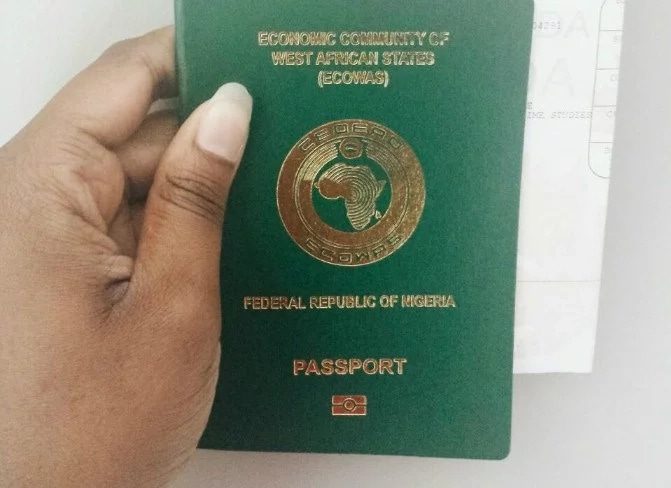
No applicant will be made to pay any illegitimate fees for passport applications

0

The federal government says the passport application processing time by the Nigeria Immigration Service (NIS) will currently take six weeks.

Rauf Aregebesola, minister of interior, stated this is to ensure a smooth, clear operation, as well as”accord individual dignity to applicants and fulfil citizenship integrity in line with the mandate of this ministry”.

According to a statement by Towoju Raphael, senior information officer at the ministry of interior, Aregbesola stated it is now imperative to review the ministry’s operations and rejig its system so as to offer excellent services to customers.

“A timeline will be fixed for every application i.e., a collection date. This is six months, comparable to that which obtains in other nations,” Aregbesola said.

“This is to permit enough time to investigate and validate personal information supplied by the applicants.

“What we are driving at is your reassurance that comes from the assurance of certainty. Whether there are conditions that will produce the date change, it will be communicated to the applicant one week prior to the collection date.

“Applicants will have no basis for further communicating with officers, other than to complete their application process and leave the venue. The date for the group of the passports or any challenge to the application will be conveyed to them. The technology for the efficient functioning of the system has been obtained and will be deployed.”

The minister added that the NIS will publish a listing of the backlog of programs that are ready, which have yet to be gathered by the owners.

Read Also:  Nigeria has been rated as number 1 importer of commercial services in Africa by WTO

“They will be required to visit the state orders to collect them,” he added.

Aregbesola also said efforts are on to embed security operatives both”seen and unseen” in all passport offices.

“We’ve had several challenges in the past, including lack of booklets, touting, racketeering, inflating the price tag, passports being issued to ineligible persons, amongst others,” he explained.

“They’ll wear body. Those caught will be managed according to this law.”

The minister stated an ombudsman will also be made for members of the public to receive reports and complaints on officers trying to deviate from prescribed guidelines and subversion of this process.

“Therefore, I’m announcing a zero-tolerance stance to all forms of touting. No candidate is going to be made to pay any illegitimate fees,” he explained.

In March, the national authorities had unveiled the state passport processing centre of the NIS.

The centre, dubbed the”premium passport processing centre”, is expected to appeal to Nigerians seeking to receive their passports within no more than 72 hours.

Breaking: NEC dismisses allegations from the FG published N60 billion to shore up March allocation to States

0

The National Economic Council (NEC) has dismissed allegations by the Federal Government printed N60 billion to shore up March allocation to States.

Edo Governor Godwin Obaseki had accused the Federal Government of fiscal recklessness in printing additional cash to meet up with allocations faulting the current administration’s borrowing pattern.

Minister of Finance, Budget and National Planning, Mrs. Zainab Ahmed, had denied the allegation.

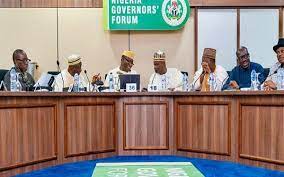
But during its digital assembly Thursday, NEC presided over by Vice President Yemi Osinbajo, having obtained presentations from Minister of Finance, the Central Bank (CBN) Governor Godwin Emefiele and Nigerian Governors’ Forum (NGF), said it had been satisfied with that no money was printed for March allocation.

Read Also:  Gbajabiamila’s aide who shot vendor not our personnel – FCT Police

The assembly was attended by many economists, FCT Minister in Addition to the Ministers of Transportation Rotimi Amaechi; Information and Culture Lai Mohammed; Aviation Senator Hadi Sirika and Water Resources, Suleiman Adamu. The Council expressed satisfaction with clarifications made by the NGF represented by its Chairman, Governor Kayode Fayemi, Ahmed and Emefiele about the alleged printing of N60 billion from the Federal Government.

The Minister and CBN Governor stated the allegation of this printing of money to augment allocation was outright false.

The NGF also supported the decision and NEC confirmed the like the greatest constitutional body tasked with economic affairs in the nation, according to the spokesman of Vice President Laolu Akande.

On safety concerns in parts of the country, the Council unanimously confirmed the unity of Nigeria and said it would adopt the report of the nationwide town hall meeting National Unity and Security held recently in Kaduna.

Details soon…

DSS advises National Assembly of Pantami’s extremist View — former assistant director

0

A former assistant director in the Department of State Services (DSS) Dennis Amachree says the secret police advised the Nigerian government and the National Assembly of the previous extremist viewpoints of the ministry of communications and electronic market, Isa Pantami, prior to his confirmation as a minister in 2019.

Mr Amachree said on Wednesday that the National Assembly went on to affirm Pantami, a Gombe State indigene, as minister due to plenty of factors including national character balancing.

“We’re happy if unbelievers are murdered,” Pantami formerly said as an Islamic scholar and cleric.

He also hailed Osama Bin Laden, who orchestrated the terrorist attacks on United States soil on September 11, 2001, stating the terrorist” is a better Muslim than myself.”

The DSS has advice on all individuals of interest, including that the minister’s previous extremist views were hauled to the Federal Government and the legislature.

“There is not any advice that escapes the DSS, we’ve got it all, all. When I had been working there, we keep a catalogue of anybody of interest that comes up to the limelight in this country,” he said.

“During the vetting process for anybody to be appointed a minister or commissioner or whatever, your title is delivered to the State Security Service (SSS) for vetting. They check your background up to the extent of your grandma. They check your schools up to the extent of your main school. And needless to say, they keep a tab on you offline and online. We receive a lot from open-source intelligence and that I can tell you in Pantami’s situation, we have it.

Read also: DSS detains Gbajabiamila’s security aide for killing newspaper vendor

“But there is a political angle to it. When somebody has been appointed, if the security agencies see there is something wrong with his title, they will send it to the appointing agency. The appointing agency will now decide amongst other factors religious variable, national character balancing variable, or political variable and say that ‘Oh, yes, we understand that this guy has this and that but let’s punish him.’

“So, the governmental decision isn’t accepted by the SSS. Even when you go to the Senate for confirmation, there’s a celebration by party and you can observe there are some political candidates that the opposition party will state this one will not be appointed but since he belongs to this party, they will appoint him. So, these are political and national balancing where they will say there is nobody from this place that has been appointed, so let’s punish him.”

Amachree also claimed the US was collecting information on Pantami.

The cataloguing of people is not automatic, it comes in drips and drops,” he explained.

“Today, people are referring to him and that’s come to the attention of the United States Embassy in Nigeria already. Now, they will do a deeper dive into his background. They will catalogue him and now they will start watching him and if it comes to a very critical level, they’ll put him in a no-fly zone.”

Idriss Deby’s End And Implications For Our National Security

0


By Philip Agbese

Finally, I can see through the clouds clearly that doomsday prophets and cynics have predicted the endless deaths of Nigerians and President Muhammadu Buhari in the frontlines of the Northeast in the battle against Boko Haram insurgents and the Islamic State West Africa Province (ISWAP) terrorists. These publicized predictions are today predicated on the sudden death of Chadian President, Idriss Deby.

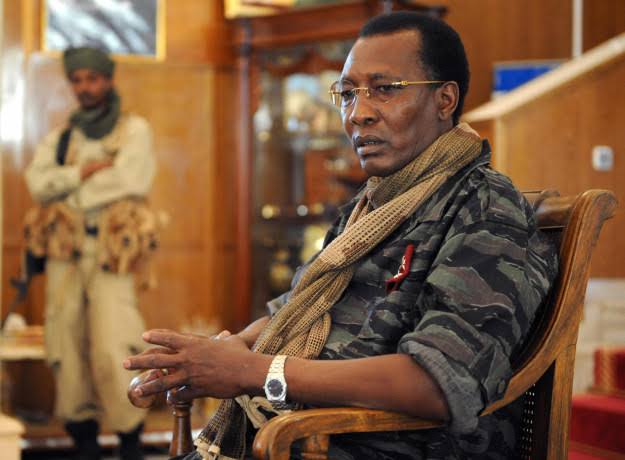
Firstly, I like to condole with the people of the Republic of Chad over the death of their 68-year-old civilian dictator, President Idriss Deby who died in fisticuffs with the “Change and Concord in Chad (FACT), rebels in his country

Unfortunately, the passage of Deby to eternity has activated the weird wisdom and disfigured judgements of some persons on Nigeria’s counter-insurgency operations in the Northeast, which is heavily concentrated in the Lake Chad Basin axis now. Amongst us, those who perpetually and unrepentantly pray fervently every minute that the Buhari Presidency is outshined by insecurities are already spewing irritating inanities or have become carriers of the uncooked news.

A report published by an online news portal and syndicated in other media houses was released to ridicule President Buhari over his anti-insurgency campaigns. The report purportedly sourced from SB Morgen Intelligence, an African-focused research firm, generously predicted Boko Haram’s eventual defeat of Nigeria with the death of Deby. After a peek into the contents, the inconsistency, illogicality and contradictions enfeebled what was best crafted to dwarf President Buhari and the battles of the Nigerian Military against terror sects in the country.

I realized quite laughably that originators of the SB Morgan Intel report, grudgingly admitted the positive impact of the counter-insurgency operations under the Buhari Presidency. But in order to dwarf or diminish anything Buhari or wittingly deny his administration even palpable milestones, the conspirators gave the glory and coronets to the now dead President Deby.

I pondered within and asked rhetorically, that when Boko Haram insurgents completely and tragically crumbled Nigeria before the Buhari Presidency, controlling swathes of Nigerian territories and held over 20,000 Nigerian hostages in secret gulags in the Northeast, was President Deby not the leader of Chad? A man who governed his country for over 30 years before bowing to the power of death? That’s how hollow, senseless and thoughtless most of us sound.

And I never strayed far to understand why a fresh propaganda has sprouted against Nigerians, President Buhari and the Nigerian Military’s efforts in combating terrorism. Those with good retentive memory can still remember that exactly a year ago, Boko Haram terrorists sacked and killed Chadian forces when they launched a seven-hour deadly assault on a Chadian Army Base at Bohoma on March 23,2020. The attack by Boko Haram variously described as the deadliest ever in Chad, killed at least 97 soldiers.

Angered by the massive deaths of his troops in the hands of terrorists, President Deby spotted his military fatigue and led Chadian troops on retaliatory operation codenamed the “Operation Bohoma Anger;” or “Operation Wrath of Bomo,” on March 31st, 2020. The exact spot where the Deby-led Chadian troops’ military offensive on Boko Haram terrorists was at their permanent camp in at Kelkoua bank in Chad’s territory. Reports claimed the operation killed nearly 1,000 Boko Haram members.

Also, multiple Boko Haram bunkers were destroyed, cache of arms seized and a top commander of the sect was equally arrested. But the Chadian soldiers victory against Boko Haram insurgents also came at the great cost of losing another set of 52 Chadian troops while the operations lasted.

All Nigerians knew, the operation took place in Kelkoua bank, a Chadian territory; we also knew that the several Boko Haram bunkers destroyed in the operations were not erected in a day or jiffy. Kelkoua was a Boko Haram Base known to President Deby, the Chadian Government and Military forces for the months and years it was sustained based on an alleged understanding or gentleman agreement between Boko Haram and the now former Chadian leader Deby.

When Nigerian forces chased out Boko Haram factional leader, Abubakar Shekau, routed out the sect’s top commanders and hundreds of militant fighters from the Sambisa forest and eventually, most parts of Borno (except the Lake Chad area) the sect’s camp at Kelkoua bank was their next fortified abode of lodgment. Kelkoua served Boko Haram as ground for the receipt of smuggled weapons, which allegedly transited through Chadian borders and approved by the Chadian Government.

Kelkoua also served as Boko Haram training field for new recruits and an abode for recuperation and replenishment from where they staged out to launch occasional attacks on Nigerian territories. Geographically, Kelkoua bordered only Magumeri on the Nigerian side of the Lake Chad Basin.

And in March 2020 when Boko Haram struck Chadian soldiers at Bohoma, no part of Nigeria was under Boko Haram control because all territories had been reclaimed by the Nigerian Military. The Nigerian Army was only conducting the last phases of clearance operations in the Lake Chad region.

More so, no Chadian troop strayed into Nigerian territory to battle terrorists during the “Operation Wrath of Bomo.” As known to us, it is against international warfare conventions to stray into the territory of another sovereign nation without permission in the guise of fighting a war or chasing a fleeing enemy in the battlefield.

Most of us are aware of these developments, but decided to consciously twist and falsify the narrative with the propagandic claims that it was President Deby’s one-day battle that blighted Boko Haram from Nigeria. And the mischievous propaganda was only designed to belittle the efforts of the Buhari Presidency and the Nigerian Military in fighting Boko Haram and other insurgencies in the country.

But several security analysts have opinionated that the pact President Deby reached with Boko Haram for the years it was sustained before things went sour was to allow smuggled arms and ammunitions pass through Chadian territory unchecked and unmolested into the hands of Boko Haram fighters. And the Kelkoua bank camp was a major repository of these weapons.

In return, Boko Haram also promised President Deby not to attack Chadian communities. It was the spirit and letter of the gentleman agreement. However, hence you cannot trust an armed criminal completely, Boko Haram had occasionally launched assaults on Chadian territories.

The tempo of such attacks exacerbated when Nigerian troops sustained the pressure of attacks on insurgents camps on the Nigerian territory, a development which chased out Boko Haram from Nigerian enclaves and confined them to their safer abodes within Chadian territories, notably Kelkoua. It was in one of insurgents crazy stunts that they invaded the Chadian Military Base at Bohoma and massively killed Chadian soldiers, instigating the anger of former President Deby and the retaliatory operation.

I still recollect vividly, several instances where the former COAS and leader of the counter-insurgency operations in Nigeria, Lt.Gen. TY Buratai (rtd) lamented the devilish activities of transborder criminals as aiding and abetting terrorism in Nigeria. Perhaps, for diplomatic reasons, he shirked from bluntly stating the complicity of Chad in festering Boko Haram terrorism in Nigeria, despite its membership of the five-nation military outfit, the Multi-National Joint Task Force, (MNJTF), comprising Nigeria, Chad, Niger, Cameroun and later, Benin republics, setup to battle terrorism.

Even the malicious and spiteful April 2021, SB Morgan Intel’s report still confessed that “Chadian forces were largely restricted within the country’s borders, with the bulk of the fighting in Lake Chad done by the Nigerian military.”

Therefore, the claims by SB Morgan Intel, insinuating that the death of President Deby has created a “big gap” or that “This opens a brand new challenge” in Nigeria’s anti-insurgency campaigns are apparently, imaginative and infinitely or evidently falsified. Its doom prophetism or instability in Nigeria will also fail like the predictions of other predictors before the authors of the SB Morgan Intel report.

The new Service Chiefs, are walking a familiar terrain and there is no fresh angle of Boko Haram atrocious outing that should be strange to them or take us a country by storm.

Consequently, let me put it bluntly to these foreign purveyors of bloodshed in the country and the destabilization of Nigeria that Idris Deby’s death is rather a blessing in disguise in Nigeria’s war against insurgency. Methinks, with the death of President Deby, the insurgency in the Lake Chad region will substantially reduce because all the support to Boko Haram, including training and weapons restocking have been coming from Chad.

We only hope that President Deby’s successor, son and interim leader of Chad would play the script more honestly and translucently than his late father.

Agbese is a human rights activist and publisher based in London.