Home Blog Page 1991

Let Jonathan be, because the APC has a better presidential candidate in Buhari, the ex-SSA

0

Kawu Sumaila, a former Senior Special Assistant to President Muhammadu Buhari, has said that those endorsing former President Goodluck Jonathan’s candidacy for the 2023 Presidential elections under the ruling All Progressives Congress are doing the party a disservice.

Jonathan had played his role and should be left alone, Kawu, a former three-term member of the House of Representatives, said in a statement on Wednesday, noting that the APC has candidates with better credentials from the southern part of the country.

Pushing for Jonathan to become the APC’s flag-bearer, according to the former federal lawmaker who also served as the President’s Senior Special Assistant on House of Representatives Matters, would mean the party had failed.

Kawu, who referred to Jonathan’s supporters as “enemies within,” said the APC has qualified and credible candidates from the south who can run for the party’s presidential nomination in 2023.

Read Also: Abdulsamad Rabiu, Nigeria’s second wealthiest man, now net worth $7.2 billion

“I don’t believe those pushing for Jonathan to succeed President Muhammadu Buhari under the banner of our great party wish the APC well.” Yes, Jonathan is a reformed democrat deserving of our praise. However, he had played his own part in the PDP. Nobody can take away Jonathan’s credit for conceding defeat as President and peacefully handing over power to the opposition. In fact, he is superior to some of the attendees at our gathering.

“However, as a party, we cannot say Jonathan should come pick our Presidential ticket when we have better candidates.” “That means we’ve failed,” he explained.

Abdulsamad Rabiu, Nigeria’s second wealthiest man, now net worth $7.2 billion

0

BUA Foods Plc, one of Nigerian billionaire industrialist Abdul Samad Rabiu’s closely held businesses, completed the listing of its shares on the Nigerian Exchange on Wednesday, Jan. 5, after receiving regulatory approvals.

Read Also:  COVID-19 kills 27 people in five days – NCDC

As a result of the BUA Foods valuation, Rabiu’s net worth increased by nearly $1.9 billion to $7.2 billion, making him the majority owner of one of Africa’s fastest-growing cement manufacturers, BUA Cement.

His current net worth surpassed Nigerian telecom tycoon Mike Adenuga’s $6.6 billion fortune.

BUA Group, a well-diversified manufacturing conglomerate founded by Rabiu in 1988, owns the consolidated food business. The food-processing company was valued at N720 billion ($1.74 billion) after the listing of 18 billion shares at N40 ($0.0968) each.

BUA Foods’ stock was worth N44 ($0.1065) at press time, a 10-percent increase over its implied price. The market capitalization of the consolidated food business has increased to N792 billion ($1.92 billion) at the current price.

Rabiu’s fortune grew from $5.3 billion to $7.2 billion as a result of the increase in value.

The market value of his 92 percent stake in his cement company, which is valued at $5.3 billion, is factored into his net worth calculation. With the addition of his new business, he has surpassed Mike Adenuga, the founder of Globacom, Nigeria’s third-largest telecom company, as the country’s wealthiest man.

Following the listing of BUA Foods’ shares on the stock exchange, the newly formed company overtook Nestle Nigeria Plc, the Nigerian subsidiary of the Swiss consumer goods behemoth Nestle S.A., as the largest consumer goods company by market capitalization.

BUA Group’s five food businesses, including BUA Sugar Refinery Limited, BUA Oil Mills Limited, IRS Flour, IRS Pasta, and BUA Rice Limited, were spun off nearly a month ago, and the successful listing of its shares comes nearly a month later.

The conglomerate confirmed that combining its food businesses into BUA Foods, a newly consolidated food company, will help it maintain its leadership position in the agribusiness and food-processing sectors.

Read Also:  Another Nigerian allegedly kill in South African police

Rabiu noted that listing the shares would help people understand the true value chain of the business and assist in dealing with Nigeria’s food crisis while speaking about his food business.

“Because many people are unaware of the scope of this business, we decided to combine all of the food businesses into one entity.” People will understand and appreciate the business now that we’ve done that,” he said.

Another Nigerian allegedly kill in South African police

0

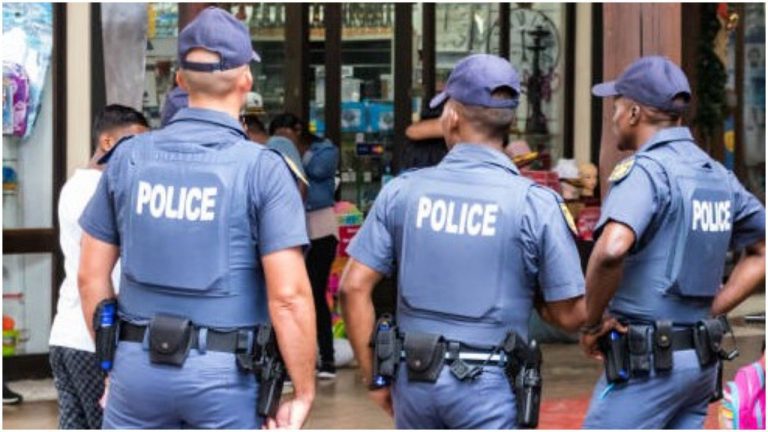
The Nigerian Citizens Association of South Africa (NICASA) has condemned South African police for allegedly killing a Nigerian, Kingsley Ezeh.

Ezeh, who was from Oduma in Enugu’s Aninri Local Government, is survived by his wife and children.

The latest incident occurred after the death in June 2021 of another Nigerian, Stanley Igwe.

Read Also:  FG appears to review the secondary school curriculum

Igwe, from Amandugba village in Imo’s Isu Local Government Area, died in South Africa’s KwaZulu-Natal Province.

Members of the Johannesburg Metropolitan Police Department (JMPD) are taking laws into their own hands, according to NICASA President Benjamin Okoli, who spoke to the News Agency of Nigeria (NAN) on Thursday.

They broke into Ezeh’s Tyre shop late on January 4th, according to Okoli, and allegedly manhandled gim during interrogation.

The body accused the cops of choking the victim after stopping him in an unmarked black BMW vehicle with his brother, who had been arrested earlier at a different location.

The mystery will be solved by a police investigation, according to the president, because Ezeh’s shop is equipped with a CCTV camera.

Read Also:  COVID-19 kills 27 people in five days – NCDC

He quoted the deceased’s brother as saying that security operatives choked him for several minutes before asking him to vomit what they thought he swallowed.

“Two other Nigerians in the area had allegedly accused the same group of Metro Police officers of attacking them using plastic bags to cover their heads only a few months ago, and they were almost killed.”

“Both Nigerians claimed that nothing was found on them during the attack; the police stopped them while driving after searching their cars and finding nothing, and insisted on extorting money from them.”

Okoli claims that when they refused to pay the bribe, the officers assaulted them and nearly killed them with the plastic used to suffocate them. They were also allegedly robbed of their cell phones and cash.

“We’re currently discussing with these two Nigerians how we can link their case to this death as evidence of a pattern of attacks by these Metro Police groups on Nigerians,” says the statement.

Read Also:  Rwandan expels from Burundi after refusing to take Covid Jabs

“When the Metro Police came into his shop, they claimed that the late Ezeh ingested a substance they suspected was narcotic, and that he suffocated from the substance he ingested.”

“Paramedics were dispatched to the shop, where he was pronounced dead on the scene; NICASA leadership kept a close eye on the situation and ensured that protocols for securing evidence were followed,” he added.

Ezeh’s death, according to Nigerians in South Africa, was yet another case of unnecessary and systemic xenophobia.

COVID-19 kills 27 people in five days – NCDC

0

According to the latest epidemiological data from the Nigeria Centre for Disease Control, at least 27 people have died as a result of the COVID-19 pandemic in just five days (NCDC).

According to the report, the death toll increased from 3,031 to 3,058 between January 1 and 5, 2022, bringing the total death toll to 27.

Read Also:  Rwandan expels from Burundi after refusing to take Covid Jabs

A total of 3,063 COVID-19 cases have been reported since the beginning of the year.

The country had 245,404 confirmed cases, 217,247 discharges, and sadly, 3,058 deaths as of January 5, 2021.

While urging Nigerians to get vaccinated against COVID-19, the Federal Government continues to urge citizens to follow all non-pharmaceutical interventions (NPIs), such as regular handwashing with soap under running water, the use of alcohol-based hand sanitizers, proper face mask use, social distancing, and avoiding large gatherings.

Read Also:  COVID-19: U-Report Nigeria rated As Reliable Platform For Sharing Virus Information

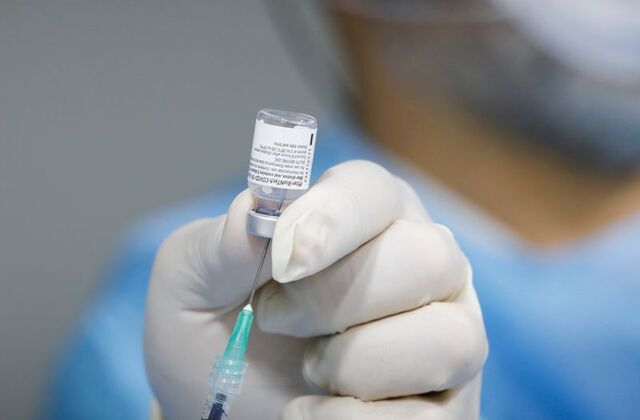
The Pfizer COVID-19 vaccine is now available as first and second doses across the country, according to the National Primary Health Care Development Agency (NPHCDA).

Rwandan expels from Burundi after refusing to take Covid Jabs

0

Burundian authorities pushed out 12 Rwandans, including women and children, after they refused to take the Covid vaccine.

They stayed on the Nyakarama hill in Kirundo province, in northern Burundi, for more than five days.

Read Also:  COVID-19: U-Report Nigeria rated As Reliable Platform For Sharing Virus Information

“They had fled Rwanda’s ongoing mandatory vaccination campaign,” they said.

Albert Hatungimana, the provincial governor, ordered that they be deported to Rwanda.

Authorities in the province repatriated nine more Rwandan nationals to their homeland on Thursday. They’d also gotten away from the mandatory vaccination program.

Read Also:Agriculture: We Must Return to the Land – President Muhammadu Buhari

The governor said in a security meeting on Tuesday that he couldn’t welcome anyone who didn’t ‘adhere to the government’s Covid-19 response program.’

“Everyone had to get vaccinated in order to stay in the country,” he said.

FG appears to review the secondary school curriculum

0

THE FEDERAL GOVERNMENT appears to be planning a review of the Secondary School Curriculum, which was first implemented in 2011.

Stakeholders are concerned that Nigerian secondary school graduates lack the necessary skills to function effectively in society, as artisans and other skilled workers are imported from neighboring countries.

Read Also:  Stop attacking me, concentrate on governance instead, Saraki Informs Kwara Governor

Despite the fact that the Federal Government approved the mandatory inclusion of trade subjects in secondary school curriculum and entrepreneurship education in tertiary education curriculum as part of efforts to close the skill gap, most schools in the country lack competent teachers and instructional materials to effectively handle the 37 trade subjects, according to reports.

Dr Benjamin Abakpa, Executive Secretary of the National Senior Secondary Education Commission (NSSEC), however, stated that his commission was committed to reversing the trend.

He stated that the Federal Government is currently reviewing the curricula used in secondary schools across the country for teaching and learning.

He stated that the Nigerian Educational Research and Development Council (NERDC) has been directed to collaborate with other government agencies to conduct a curriculum review, and that NSSEC is one of the agencies collaborating with NERDC to achieve this goal.

Abakpa was speaking at a three-day sensitization and advocacy program for education stakeholders in Benue State’s North-Central geopolitical zone.

Read Also:  Military Pensions Board will soon clear 24 months of arrears – Chairman

Ismail Junaidu, NERDC’s Executive Secretary, recently confirmed the development when he stated that the current curriculum, which was introduced in 2011, needed to be restructured, realigned, and revised to meet the current global developmental challenge.
“You will agree with me that times have changed, the world has moved on, and new ideas have been created ten years after the introduction of the current SSE curriculum.” New goals have been set, new skills have emerged, and new technologies have been developed as knowledge has progressed.

“The only way we can keep up with these changes and provide opportunities for our children to learn new skills and competencies is to revise the curriculum and provide them with the necessary learning experiences.”

According to him, the council’s goal is to create a curriculum that “will also enable us to create the future that we desire as a people,” not just one that meets current needs.

Further, the NSSEC chairman stated that the commission had been charged with overhauling the senior secondary education system in order to meet the global minimum standard, and that it had devised realistic strategies to achieve this goal.

“The NSSEC vision statement focuses on providing quality knowledge grounded in life skills for global competitiveness to our senior secondary school students.”

“The NSSEC is also charged with assisting senior secondary schools in providing a well-balanced education system that produces well-rounded, confident, intelligent, and responsible youths who are ready to contribute meaningfully to national development,” he said.

“The Act establishing NSSEC prescribes national minimum standards for secondary education throughout Nigeria, manages the national secondary education fund, and other matters associated with it,” Abakpa explained.

Read Also:  FG imposes 6% tax on digital services, non-resident companies

He stated that one of the steps being taken to address the issue of half-baked graduates from the system is to partner with NERDC to provide a well-reviewed and balanced curriculum that will stimulate quality learning while encouraging students to meet academic challenges using critical thinking skills.

As part of efforts to address the challenge of the skills gap in secondary education, Abakpa also requested World Bank assistance in the area of skill enhancement for Senior Secondary School teachers in the various 37 trade subjects.

He expressed confidence that the strategies being implemented would go a long way toward addressing some of the challenges that senior secondary education faces.

He also sought the support of all stakeholders to work with NSSEC to restore the lost glory of senior secondary education to its former glory.

“The Commission is tasked, among other things, with setting minimum standards and ensuring that secondary education meets the needs of the country as well as global competitiveness,” he said.

According to Abakpa, the commission is launching a nationwide campaign of public awareness and advocacy to engage all stakeholders in the project.

Read Also:Agriculture: We Must Return to the Land – President Muhammadu Buhari

He also stated that the commission was working to create an accurate database for all senior secondary schools in the country so that it could properly plan for them.

In his remarks, Benson Abounu, the deputy governor of Benue State, praised the Federal Government for reviving the law that established NSSEC and charged the commission to provide services to all and not be selective in its work.

He urged NSSEC’s leadership to ensure that the organization’s mandate of repositioning senior secondary education is carried out.

FG imposes 6% tax on digital services, non-resident companies

0

The federal government announced yesterday that, as provided in the 2021 Finance Act, offshore companies providing digital services to local customers in Nigeria will be subject to a 6% tax on turnover.

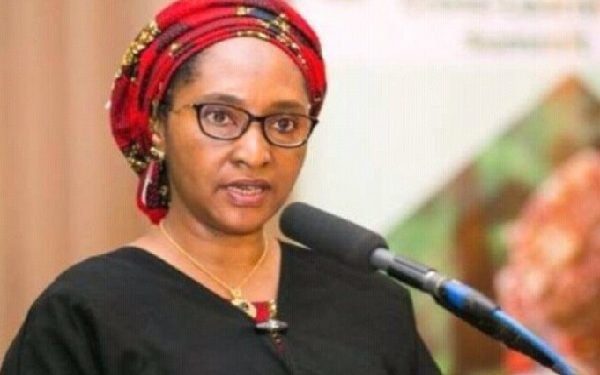
Mrs. Zainab Ahmed, the Minister of Finance, Budget, and National Planning, revealed this during a public presentation and breakdown of the 2022 budget in Abuja.

Ahmed also revealed that as of November 2021, the government had surpassed all independent revenue collections from 2017 to date, which she claimed reflected the success of the government’s revenue-growth initiatives.

Read also: Osun State Gov Gifts Cars to Workers, claims they are brains behind success

“We have now surpassed the 1 trillion mark in independent revenue collection for the first time (N1.104tn collected as of November against a budget target of 973.41bn).” “Analysts have always thought our projections were unrealistic, but we’ve always insisted on the opportunities to grow FGN’s independent revenues,” she explained.

She went on to say that the tax on digital services applies to apps, high-frequency trading, electronic data storage, and online advertising, and that “this is introducing a fair and reasonable turnover tax.”

The new policy is outlined in Section 30 of the Finance Act, which amends Sections 10, 31, and 14 of the Finance Act regarding VAT obligations for non-resident digital businesses.

“Section 30 of the Finance Act, which amends sections 10, 31, and 14 of the VAT Act, is in relation to VAT obligations for non-resident digital companies, and the mechanism that will be used is to restrict VAT obligations primarily to digital non-resident companies that supply individuals in Nigeria who cannot self-account for VAT,” Ahmed explained.

“As a result, if you go to Amazon, we expect Amazon to tack on a VAT charge to whatever transaction you’re making.” As an example, I’ll use Amazon. We’ll be working with Amazon to become a registered tax agent with the FIRS.

“As a result, Amazon will now collect this payment and remit it to FIRS, as per global best practices; we have been missing out on this revenue stream.”

The new law, according to her, applies to foreign companies that provide digital services such as apps, high-frequency trading, electronic data storage, online, and advertising, among other things.

Read also: Jonathan’s consultations to run for president in 2023 have triggered mixed reactions

Non-resident companies are now required to pay tax at a rate of 6% on their turnover, according to Section 4 of the Finance Act, she said.

The minister, who stated that the government wanted to modernize taxes for its digital economy and improve compliance, stated that digital non-resident companies would not need to be registered locally, but would instead have an agreement with the Federal Inland Revenue Service (FIRS) to collect and remit taxes in order to reduce compliance burdens.

She also revealed that the federal government has imposed a N10 per litre excise duty on all non-alcoholic, carbonated, and sweetened beverages sold in Nigeria.

The beverage tax, according to the minister, was included in the Finance Act, which was signed into law by President Muhammadu Buhari on December 31, 2021, along with the 2022 Appropriation Bill.

The new sugar tax, according to the minister, was implemented to increase excise duties and revenues for health-related and other critical expenditures in line with the budget priorities for 2022.

According to her, the goal was to discourage excessive sugar consumption in beverages, which contributed to diabetes, obesity, and other diseases, as well as raise excise duties and revenues for the health sector, as part of the Finance Act.

She also stated that the Act included a provision that would strengthen the FIRS mandate as the primary tax collection agency while collaborating with other law enforcement Ministries, Departments, and Agencies (MDAs).

Read Also:   Air Force announces the appointment of new branch chiefs, commanding officers

Ahmed also expressed the federal government’s readiness to conduct the national population and housing census, which was last conducted in Nigeria over 15 years ago.

In November of last year, Ahmed announced that the national population census had been approved for N178.09 billion in the 2022 budget.

The minister stated that the necessary budgetary allocations had been made and that all machinery had been put in place to carry out the exercise, but that the National Population Commission (NPC) was in charge of drawing up a timetable.

Due to the implementation of the 2020 Finance Act, Ahmed also revealed that Nigeria’s independent revenue surpassed N1 trillion in 2021.

According to the Petroleum Industry Act, all petroleum products must be deregulated, according to the minister.

As a result, she stated that a subsidy was provided up until June, after which full deregulation will take effect.

The minister stated that the subsidy would be provided until June to allow for the completion of ongoing consultations with various stakeholders, including organized labor.

Zainab said that a committee set up by the government to devise measures to cushion the impact of the subsidy removal on Nigerians, particularly the vulnerable, would make recommendations on how to proceed.

President Muhammadu Buhari signed the N17.13 trillion 2022 Appropriation Bill into law on December 31, 2021, after presenting the proposal to the National Assembly on October 7, 2021.

On the same day, the president signed the 2021 budget bill into law.

The spending plan was increased by N735.8 billion from the proposed N16.391 trillion to N17.126 trillion by the two chambers. They also increased the oil benchmark from the executive’s proposed $57 per barrel to $62.

Read Also:  Emefiele: Extensive Structural Reform Required To accelerate economic growth

Oil production was set at 1.88 million barrels per day, the exchange rate at N410.15 to the dollar, GDP at 4.2 percent, and inflation at 13% by the National Assembly.

Mr. Muhammad Nami, Executive Chairman of the Federal Inland Revenue Service (FIRS), revealed in his presentation that the service collected N6.4 trillion in taxes last year.

Mr. Mele Kyari, the Group Managing Director of the Nigerian National Petroleum Corporation (NNPC), said in his virtual presentation that the country now produces 1.74 million barrels of crude oil per day.

However, he claimed that the country’s security situation had reduced the figures to 1.5 million barrels about three months ago before the recent improvement.

“We came down to 1.5 million barrels per day three months ago because of security issues, and we are responding to it,” he said.

“As of today, production has increased to 1.74 million barrels per day, and ongoing security interventions are underway.”

“We expect to reach 1.8 million barrels per day within the month and exceed the limit within the year,” says the official.

BUDGET PERFORMANCE IN 2021

The Minister revealed in a presentation that the federal government’s aggregate revenue as of November 2021 was N5.51 trillion, or 74% of its fiscal year target.

The federal government received N970.3 billion in oil revenues (representing a 53 percent performance of the prorated sum in the 2021 budget), while the federal government received N1.62 trillion in non-oil tax revenues (118.8 percent over and above the target).

Furthermore, collections of Companies Income Tax (CIT) and Value Added Tax (VAT) totaled N718.58 billion and N360.56 billion, respectively, representing 115 percent and 165 percent of the prorata targets for the period. Customs collections in 2021 totaled N542.11 billion (104 percent of the target), while other revenues totaled N2.8 trillion, with the federal government’s independent revenues totaling N1.1 trillion and GOEs’ retained revenues totaling N1.20 trillion.

Read Also:  IHU: New vaccine-resistant COVID-19 variant was discovered in France, linked to Cameroon

On the expenditure side, she revealed that N12.56 trillion (or 94.1%) of the N13.57 trillion prorata budget had been spent. The GOEs’ expenditure estimates were included in this performance, but Project-tied Loans were not.

N4.20 trillion was spent on debt service, while N3.02 trillion was spent on personnel costs, including pensions.

The federal government had spent N3.40 trillion on capital projects as of November 2021. Of this, N2.98 trillion was set aside for capital expenditure by Ministries, Departments, and Agencies (MDAs), N369.9 billion was set aside for multilateral/bilateral Project-tied loans, and N49.52 billion was set aside for capital expenditure by the Government of the Federation (GOF).

BUDGET KEY ASSUMPTIONS AND ESTIMATES FOR 2022

The 2022 budget, according to Zainab, aims to maintain the government’s reflationary policies from the 2020 and 2021 budgets, which, she claims, helped the economy get back on track to recovery and growth.

“The policies/strategies contained in the 2022–2024 Medium Term Expenditure Framework and Fiscal Strategy Paper (MTEF/FSP) were taken into account when preparing the 2022 Budget.”

“The Budget was prepared using the Zero-Based Budgeting (ZBB) method and in accordance with the government’s development priorities as outlined in the National Development Plan (NDP) 2021-2025.” The core objectives of the NDP 2021–2025 guided allocations to MDAs.

“The plan will be funded by the federal government, state governments, and the private sector, with a total investment of N348.1 trillion. “The federal government’s budget for 2022 is the first major public-sector contribution to the plan’s implementation,” she explained.

Although Nigeria’s total production capacity was 2.5 million barrels per day, current (year to date) crude production was about 1.4 million barrels per day (slightly less than the OPEC+ production quota), with an additional 300,000 barrels per day of condensates, totaling about 1.6 million barrels per day.

Read also:  COVID-19: U-Report Nigeria rated As Reliable Platform For Sharing Virus Information

According to the Energy Information Administration (EIA), global oil production will rise to keep up with rising global oil consumption.

In 2022, OPEC crude production is expected to average 28.34 million barrels per day, up from 26.94 million barrels per day in 2021.

“In consultation with NNPC and other stakeholders, we projected our base oil price at $57/bbl in 2022. This was based on the averages of leading institutions’ forecasts, market fundamentals, global economic recovery, government plans, and market sentiments.

“However, the National Assembly raised the proposed oil price benchmark for 2022 from $57 per barrel to $62 per barrel. According to the World Bank, crude oil prices will average $74 per barrel in 2019.

As oil demand grows and reaches pre-pandemic levels in 2022. Brent prices are expected to average $70.05 per barrel in 2022, according to the EIA,” she added.

While commenting on the critical sectoral allocations of the 2022 budget, the minister said the education sector received N1.234 trillion, with the Ministry of Education and its agencies receiving N815.69 billion for recurrent and capital expenditure.

She also stated that the Universal Basic Education Commission (UBEC) will receive N112.29 billion, while the Tertiary Education Trust Fund (TETFUND) will receive N306 billion for infrastructure projects in tertiary institutions.

The health sector received N876.38 billion, or 5.1% of the overall budget. For recurrent and capital expenditures, including hazard allowance, the Ministry of Health and its agencies will receive N770.87 billion.

The defense and security sector ate up 13.4% of the budget, or N2.29 trillion, while infrastructure development took up 8.3% of the budget, or N1.42 trillion, with N462 billion earmarked for social development and poverty reduction programs.

PROJECTIONS FOR THE MACRO ECONOMY

The federal government forecasted a 9.36 percent increase in consumption in 2022, from N136.57 trillion in 2021 to N149.35 trillion in the current fiscal year. Real GDP growth was forecast to be 4.2 percent in 2022, 2.3 percent in 2023 (election year impact), and 3.3 percent in 2024, with nominal GDP rising from N168.60 trillion in 2021 to N184.38 trillion in 2022 and then up to N221.78 trillion in 2024.

Furthermore, given structural issues affecting the cost of doing business, such as high food distribution costs, inflation was expected to be double-digit in the medium term.

“However, the current steady decline is expected to be sustained, with inflation rates falling to 13% in 2022 and 10% in 2024,” the minister added.

WHERE DOES THE MONEY COME FROM?

In her presentation, Ahmed stated that the projected aggregate revenue available to fund the 2022 budget of N10.74 trillion (including GOEs) was 32% higher than the N8.12 trillion projected in 2021.

The government’s revenue was projected to be N9.01 trillion without the GOEs retained revenue.

She revealed that the federal government’s 2022 budget proposal included allocations to TETFUND and the budgets of 63 GOEs in order to promote fiscal transparency, accountability, and comprehensiveness.

Oil-related sources will account for 35% of projected revenues, while non-oil sources will account for the remaining 65%.

Read also: Stop attacking me, concentrate on governance instead, Saraki Informs Kwara Governor

The total federal government expenditure in 2022 (including GOEs and project-tied loans) was projected to be N17.13 trillion, up 18% from the 2021 Budget.

Recurrent (non-debt) spending, on the other hand, was estimated to be N6.91 trillion, accounting for 40% of total expenditure and 20% higher than the 2021 budget.

She also revealed that capital expenditures totaled N5.96 trillion, accounting for 35% of total spending.

This included the capital component of statutory transfers, as well as GOE capital and project-related loan expenditures.

Debt service accounted for 21% of total expenditure and 34% of total revenues, totaling N3.61 trillion.

N270.71 billion was set aside to retire maturing bonds to local contractors and suppliers, accounting for 1.6 percent of total spending.

The provision, according to the minister, is in line with the federal government’s commitment to pay off accumulated arrears of contractual obligations that date back over a decade.

“The overall budget deficit for 2022 is N6.39 trillion. This is equivalent to 3.46 percent of GDP.

Domestic sources: N2.57 trillion; foreign sources: N2.57 trillion; multilateral/bilateral loan drawdowns: N1.16 trillion; and privatization proceeds: N90.7 billion,” she said.

SUSTAINABILITY OF NIGERIA’S DEBT

The federal government’s debt level, according to Ahmed, is still within sustainable limits. Borrowings were primarily for capital expenditure and Human Development, according to her, as defined by Section 41(1)a of the Fiscal Responsibility Act 2007.

“Having lived through two economic downturns, we’ve had to spend our way out of them, which has contributed significantly to the rise in the national debt.” It’s unlikely that we would have recovered as quickly from each of the two recessions if the government hadn’t continued to spend money it didn’t have.

“To make matters worse, the country has been technically at war due to the widespread security threats.” This has necessitated massive spending on security equipment and operations, which has contributed to the fiscal deficit; the defense and security sector accounts for 22% of the budget for 2021.

Read also:   In Gombe, tricycle rider masterminds his own kidnapping, demands N500,000 to settle debt

“Among Africa’s leading economies, Nigeria’s Budget Deficit/GDP (-4.3 percent as of November 2021) and Debt/GDP (30 percent as of September 2021) ratios are the lowest;

“However, among the same African top economies, Nigeria’s debt service/revenue ratio (76 percent as of November 2021) is the highest. This demonstrates that we are facing a revenue challenge rather than a traditional debt sustainability issue.

“These comparator countries’ tax rates and compliance ratios are significantly higher; for example, Nigeria’s VAT rate of 7.5 percent is the lowest in Africa, and less than half of the average rate,” she added.

According to Ahmed, efforts are still being made to address the country’s revenue problems, and cutting spending is not a viable option.

“However, we must continue to rationalize our spending because we cannot afford to waste.” Personnel costs, debt service, and capital expenditures account for 85% of the budget for 2022.

“In the medium term, there is very little room for reduction in any of these.” As a result, the most viable solution to our fiscal problem remains to increase revenues and plug all leaks.

“Our medium-term goal is to increase our revenue-to-GDP ratio from around 8% to around 10%.”

– From 9% in 2015 to 15% in 2025. The debt-to-service-to-revenue ratio will no longer be a critical concern at that level of revenue,” the minister added.

She mentioned improving the tax administration framework, which includes tax filing and payment compliance improvements, as well as evaluating the process and policy effectiveness of fiscal incentives, which include: a look at which industries are eligible for Pioneer Tax Holiday Incentives under the Industrial Development Act

Setting annual ceilings on tax expenditures to better manage their impact on already constrained government revenues and ensuring that MDAs appropriately account for and remit their internally generated revenue, among other things, are all part of the Development Income Tax Relief Act (‘IDITRA’).

“The government will continue to create an enabling environment for the private sector to increase investment and contribute significantly to job creation, economic growth, and the lifting out of poverty of millions of our citizens.” Early passage of the 2022 Budget, which will go into effect on January 1, will go a long way toward achieving the government’s macro-fiscal and sectoral goals.

Read Also:  Agriculture: We Must Return to the Land – President Muhammadu Buhari

“However, revenue remains our main financial challenge right now.” The government remains committed to ensuring that the Strategic Revenue Growth Initiatives are implemented effectively in order to improve revenue collection, expenditure management, and fiscal sustainability.

“Considering the positive global oil market outlook and the continued improvement in our non-oil revenues, we are optimistic about our ability to finance the budget.” To accelerate the pace of our infrastructure development, we will look into possible public-private partnerships, concessions, and climate finance arrangements,” she added.
Agriculture: We Must Return to the Land – President Muhammadu Buhari

0

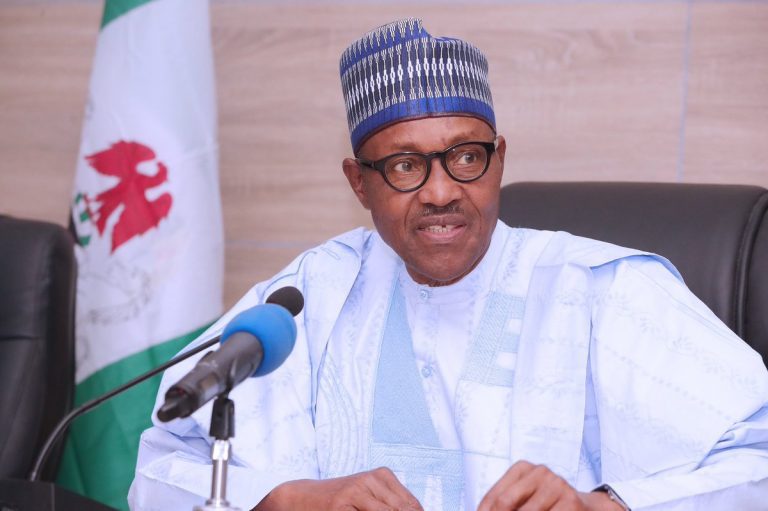
President Muhammadu Buhari has stated that his government will continue to encourage Nigerians to return to the land and cultivate crops.

In an exclusive interview with Channels Television that aired on Wednesday evening, he stated.

“We found out that only 2.5 percent of arable lands are being cultivated, so we have to go back to land,” the President said, adding that “we have made some progress with the closing of the borders with Benin and the Niger Republic, and Nigerians went back to land, we stopped the importation of rice, we are now feeding ourselves, and now we produce and export rice.”

Read also:   In Gombe, tricycle rider masterminds his own kidnapping, demands N500,000 to settle debt

“As a result, we’re going to focus on the remaining time on Agriculture.” We need to buy machines to clear the land and provide fertilisers and seedlings for cultivation to encourage people.”

Policing by the state

On state policing, the President stated that traditional rulers’ role should not be diminished.

“They know who’s who, so we’ll have to go back to that system if we want effective security in the neighborhoods.” Farmers and herders have coexisted in Nigeria for as long as I can remember; let them go and ask the local leadership what went wrong, why the breakdown in communication between the local leadership and herders.

“State policing is not an option; investigate the relationship between local governments and governors; is the third tier of government receiving what it is constitutionally entitled to?”

He promised to flush out criminals wreaking havoc in the country’s northwestern region, declaring that bandits will be treated as terrorists by the government.

“So, I believe the only language they understand – we’ve talked about it extensively with law enforcement agencies, security chiefs, and the Inspector General of Police – is to go after them, the terrorists.”

“We labeled them terrorists, and we’re going to deal with them as such,” President Buhari said in the interview, bemoaning the fact that people of similar cultures would oppose one another.

Read also:  Military Pensions Board will soon clear 24 months of arrears – Chairman

He claims that there have been successes in the fight against banditry in the region, noting that he has met with the heads of security agencies to discuss the issues.

“And I believe there have been improvements in security in those constituencies in the North West and North Central in the last four weeks,” the Nigerian leader added.

Economy

“You have to allow people to make sure that their industries are patronized, you have to stop smuggling, you have to stop developed countries from dumping goods on your country because technology allows them to produce faster, so you have to protect your economy,” the President said of the country’s economy.

“They can produce more with fewer resources, so you have to protect your economy,” he says. “That’s why ECOWAS, and any African organization, has to make sure that we encourage our own industries for employment and security using our own resources.”

Bill to Amend the Electoral Act

President Buhari had refused to sign the bill, citing the bill’s inclusion of the direct primary election system.

Read Also:  Gunmen kidnap two Chinese nationals, kill three Nigerians in Niger

During the interview, he stated that if the National Assembly makes the necessary changes, he will sign the bill.

“All I said was that options should be available.” We must not insist on directness; consensus and indirectness are preferable.”

“Yes, I will!” he said when asked if he would sign if lawmakers made a change in that direction. I’m going to sign.

“There should be options; you can’t tell people what to do and claim to be practicing democracy.” Give them other choices so they can make an informed decision.”

Electricity

The President reaffirmed his commitment to improving Nigerian infrastructure, including electricity.

“I am not because I identify that no country can develop without infrastructure, and infrastructure means road, rail, and power,” the President said when asked if he is satisfied with the country’s capacity for electricity production.

“This government is putting in a lot of effort on the road.” Consider the difference between what happened six months ago and what is happening now between Lagos and Ibadan.

“We’re doing the rail from Lagos to Kano, and we’re doing the road from here to Kaduna to Kano.” So we need to fix the infrastructure first, and then Nigerians will take care of themselves. But what do we expect people to do when the infrastructure isn’t there, when the roads aren’t there, when the rail is practically dead, when there’s no power?”

Education

He urged Nigerian youths to use their education and exposure to better themselves rather than relying on the government.

“I wish they didn’t go to school, work hard, and earn their degrees with the expectation that the government will provide them with jobs.”

Read Also:  Stop attacking me, concentrate on governance instead, Saraki Informs Kwara Governor

“You get educated because an educated person is far superior to an uneducated person in terms of identifying personal issues.” So, education isn’t just about hanging on to the government for jobs, and then believing what the colonialists indoctrinated us to believe: “Have a car, have a house; start working at 8:00 a.m. and finish at 2:00 p.m.”

Real Madrid, Barcelona advanced to the last 16 of the Copa del Rey

0

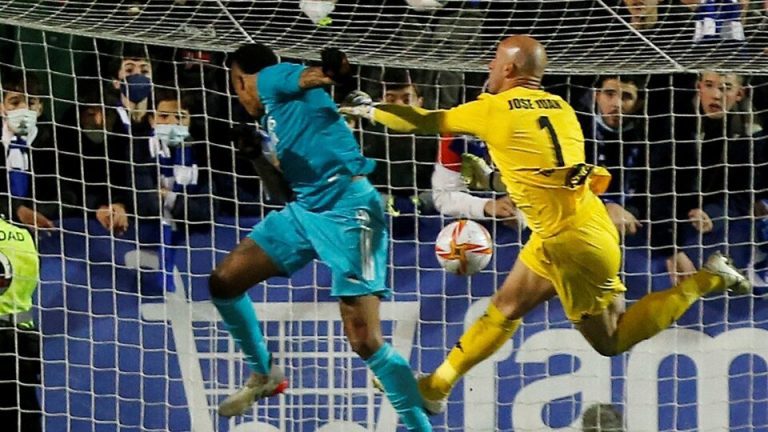
Barcelona came back from a goal down to beat third-tier Linares 2-1 in the Copa del Rey last 16 on Wednesday.

Rivals who are enmity Real Madrid also advanced with a 3-1 win over Alcoyano, a third-division team.

Hugo Diaz’s header put Barcelona behind after 19 minutes, despite veteran Dani Alves’ return to the club.
However, the defending champions came back in the second half to keep their hopes alive, with goals from Ousmane Dembele (63 minutes) and Ferran Jutgla (69 minutes) securing the victory.

Read Also:  Military Pensions Board will soon clear 24 months of arrears – Chairman

Real Madrid defeated Alcoyano, a small club that had knocked them out at the same stage last season, thanks to Eder Militao and a brace from Marco Asensio.

 In Gombe, tricycle rider masterminds his own kidnapping, demands N500,000 to settle debt

0

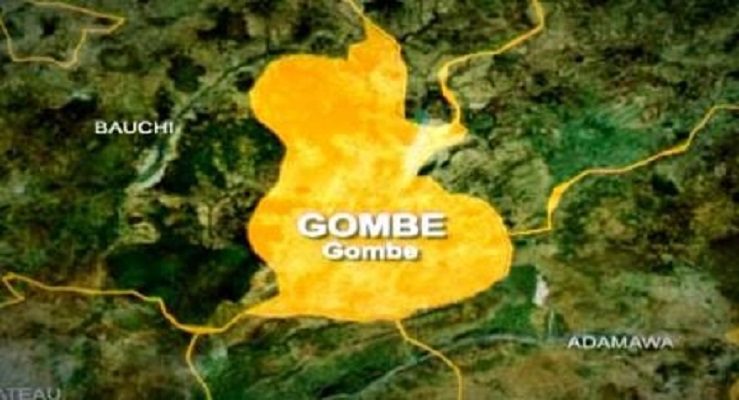
Hallilu Aliyu, 32, has been arrested by the Gombe State Police Command for masterminding his own kidnapping for a ransom of N500,000.

Aliyu and Ahmed Ladan, 42, were said to have been arrested after police officers from the State Intelligence Bureau in Gombe received a complaint.

Read Also:  Nigerian kidnappers are now targeting dual citizens, US warns Travelers

The case involved criminal conspiracy, intimidation, kidnapping, and extortion, according to a statement obtained by our correspondent through the command’s Public Relations Officer, Mary Malum.

“The first suspect, Haliru Aliyu’m’ of Tudun Wada quarters Gombe, was given a tricycle by his sister-in-law after his business collapsed,” Malum said.

Read Also:  Military Pensions Board will soon clear 24 months of arrears – Chairman

“However, without the knowledge of the owner, the said suspect later sold the tricycle for N250,000.”

When the owner demanded the tricycle or money, the suspect did not show up. According to him, on December 30, 2021, the suspect went to his friend’s house, one Ahmed Ladan’m’, where they criminally conspired and faked a kidnap of the said Haliru Aliyu with the intention of extorting the sum of N500,000 from his elder sister, one Zainab Aliyu ‘f’, aged 42yrs of the same address, to enable him to refund the money.”