Home Blog Page 178

Tinubu, Akpabio, 97 Senators Back Creation of Anioma State — Sen. Nwoko

0

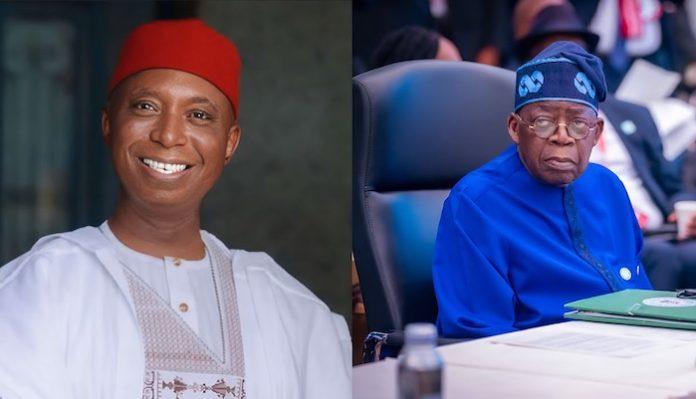
Delta North Senator, Ned Nwoko has said that no fewer than 97 senators and president Bola Tinubu are backing the creation of Anioma State.

Nwoko stated this during the weekend at the Izu Anioma Towns Union event in Abuja, where the first Anioma Cultural Festival (Anioma Day) was unveiled.

According to him, the move has gained significant traction following overwhelming legislative support and regional consensus.

The lawmaker further noted that the bill, which he first introduced two years ago, seeks to carve Anioma from the nine local government areas of Delta North, four in Aniocha, Oshimili, two in Ika, and three in Ndokwa.

Some neighbouring communities, including Igbanke, have also indicated interest in joining the proposed state.
The senator described the current level of support as unprecedented in Nigeria’s state creation history.

“Only one state will be created in Nigeria, and that one state will be Anioma,” he said.

He added that the Senate and House Committees on Constitutional Amendment, which include representatives from every state, have agreed that the South-East should be given a sixth state to achieve regional balance.

He said Anioma remains the strongest and most viable option before the committees, adding that the initiative has received the backing of Senate President Godswill Akpabio and President Tinubu, who has pledged his full support once constitutional requirements are met.

“We have done our homework. A lot of lobbying, contacts, and consultations are ongoing. Nothing is being left undone,” Nwoko stated.

x-Lawmaker Endorses U.S. Military Presence in Nigeria

0

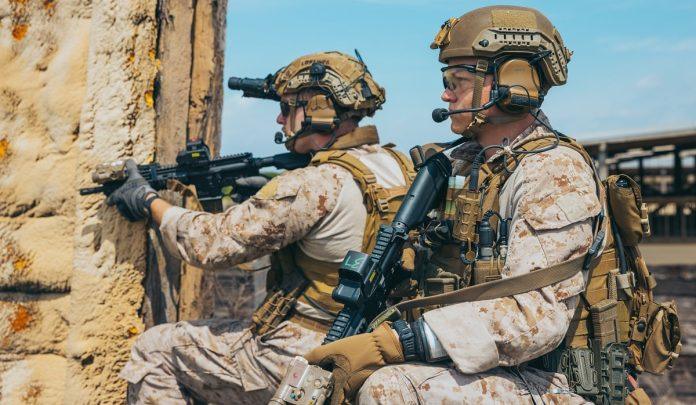
Former member of the House of Representatives, Oghene Egoh, has called on the federal government to strengthen its partnership with the U.S. to address the growing insecurity in the country.

Mr Egoh made the plea in Lagos on Monday.

The former lawmaker, who represented Amuwo-Odofin federal constituency, noted that the persistent killings in Plateau and Benue and other states, which President Donald Trump described as Christian genocide, had now spread to parts of the North-West, where Muslims were also being attacked and killed.

He said the situation underscored the need for urgent collaboration between Nigeria and the United States to curb the menace of terrorism and insurgency.

Mr Egoh noted that the United States serves as a second home to many Nigerians, with nearly half a million citizens residing there, either working or studying.

He recalled that the American government once described Nigerians in the U.S. as one of the most educated ethnic groups, with a high percentage holding first and second degrees.

He expressed confidence that any collaboration between Nigeria and the United States on security matters would yield mutual benefits for both nations.

According to him, any intervention or cooperation from the U.S. government will help restore peace and stability, benefiting both Christians and Muslims across the country.

”The United States coming to Nigeria is a welcome development, as it will help to provide lasting solutions to insurgency, which affects both Muslims and Christians,” he said.

He, however, urged the American government to diplomatically collaborate with the Nigerian government to solve the issue in the best interest of Nigerians.

Mr Egoh further urged the federal government to prioritise intelligence sharing, military training, and joint operations with international partners to combat insecurity effectively.

He commended President Bola Tinubu for his administration’s commitment and proactive efforts in combating insurgency and other security challenges in the country.

He noted that the issue of insecurity had persisted across successive administrations and had now grown beyond normal control.

He acknowledged that the present administration was making concerted efforts to restore peace and stability across the country, adding that with collaboration with the U.S., banditry, insurgency, and other related security challenges would become things of the past.

”If the United States security team collaborates with Nigeria’s security agencies, banditry, insurgency, and other related security challenges will become things of the past,” Mr Egoh said.

Wednesday Set for Hearing of PDP National Convention Suit

0

An Oyo State High Court sitting in Ibadan has again adjourned the hearing of a motion on notice in a case filed by Folahan Adelabi against the Peoples Democratic Party, PDP, its Acting National Chairman, and others, till Wednesday.

Recall that the presiding judge, Justice Ladiran Akintola, last week ruled on an ex parte motion directing the PDP to proceed with its scheduled national convention while adjourning the hearing of the motion on notice till Monday, November 10, 2025.

According to the report, claimant/applicant is seeking a court order restraining the defendants, Acting National Chairman Umar Damagum; Governor of Adamawa State, Ahmadu Fintiri (for himself and members of the National Convention Organising Committee); and the Independent National Electoral Commission (INEC) or their agents, from truncating or frustrating the conduct of the party’s scheduled national convention.

Meanwhile, after listening to the counsel for both parties on Monday, the presiding judge urged them “to file all the processes for the effective take-off of the case.”

Justice Akintola also directed the PDP leadership to adhere strictly to the guidelines, timetable, and schedule of activities earlier released for the convention.

He thereafter adjourned the case till Wednesday to take all pending applications before the court.

Meanwhile, journalists were barred from gaining access to the courtroom to cover the proceedings. Security operatives were strategically positioned at the entrance of the court to prevent them from entering.

Tinubu, Buhari First to Alert US on Christian Genocide in Nigeria — Former SGF Babachir Lawal

0

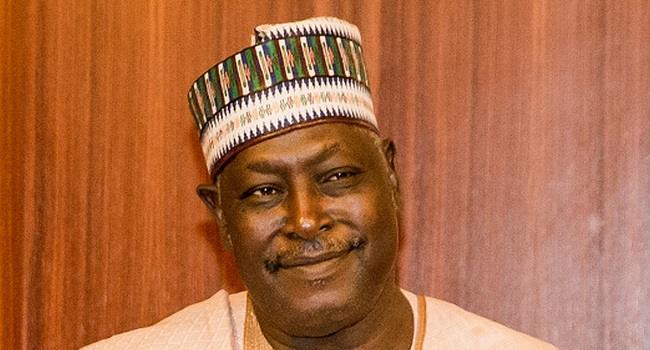
Former Secretary to the Government of the Federation (SGF), Babachir David Lawal, has revealed that President Bola Tinubu, former President Muhammadu Buhari, and other leaders of the All Progressives Congress (APC) were among the first Nigerians to brief the United States government on the alleged killings of Christians during the administration of former President Goodluck Jonathan.

Lawal made the disclosure while speaking on Channels Television’s Politics Today programme on Monday. According to him, a delegation, which included Tinubu, Buhari, and Rotimi Amaechi, reportedly lobbied the US administration, raising global awareness about the security situation in Nigeria.

“Trump might be right, might not be right, but don’t forget, there was a delegation that first went to the United States to tell Obama then that Christians were being slaughtered in Nigeria. It included this man. Which man? The president (Tinubu). That APC delegation. I saw the picture. Buhari was there. Amaechi was there. I think he was the one even sitting close to the president where they went to lobby the Americans that the Goodluck government was carrying out genocide in Nigeria,” Lawal stated.

Irony of Denying Insecurity Under Current Government

Lawal criticized the current administration for denying ongoing security challenges despite previously raising alarm about similar issues under Jonathan’s government.

“So these are the issues that beat your mind. They go there themselves and say it does happen. They come back and when we say it happened, they say, no, it doesn’t happen anymore because we are in government,” he said.

He emphasized that Nigerians are less concerned with political arguments and more focused on personal safety and protection of property.

“Forget about whether there’s genocide or not in Nigeria. The issue is that. Guarantee our security of life and our property. That is it. That’s all we want from government,” Lawal added.

Call for Government to Focus on Security

A vocal critic of the current administration, Lawal urged the government to prioritize tangible security measures rather than defending its record in the media. He stressed that citizens expect protection from violence and insecurity, which should be the primary focus of any responsible government.

Lawal’s revelations have reignited discussions on the Nigerian government’s responsibility to ensure the safety of all citizens, particularly in regions plagued by violent attacks and communal tensions.

Structures Used to Rig Anambra Election – Former SGF Babachir Lawal

0

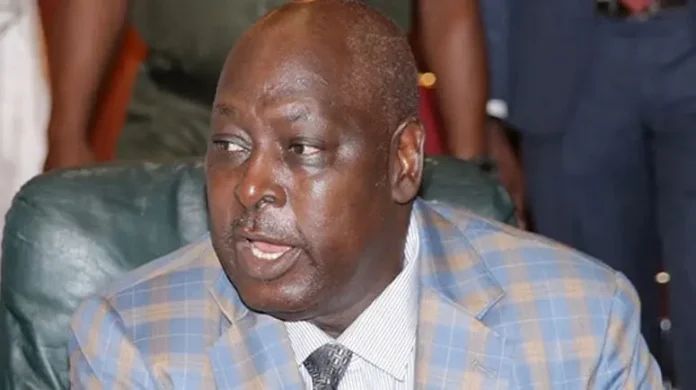
Former Secretary to the Government of the Federation (SGF), Babachir David Lawal, has alleged that the recent Anambra State governorship election was manipulated through well-established political “structures” designed to influence results.

In an interview on Politics Today, a Channels Television programme monitored by DAILY POST on Monday, Lawal stated that such structures are routinely employed to rig elections and protect votes at polling units.

“Structures are used to rig elections; structures are used to defend votes at the polling units,” Lawal said, highlighting the organized nature of electoral manipulation in some Nigerian states.

Soludo Declared Winner Amid Allegations

Lawal’s comments follow the declaration of Prof. Chukwuma Charles Soludo, of the All Progressives Grand Alliance (APGA), as winner of the Anambra governorship election by the Independent National Electoral Commission (INEC).

While the election was conducted peacefully in most areas, observers and opposition parties reported incidents of voter inducement, low turnout, and procedural irregularities, raising questions about the overall integrity of the process.

On Past APC Elections

Asked whether similar “structures” were used by the All Progressives Congress (APC) in past elections, including the 2015 and 2023 general elections, Lawal denied direct involvement.

He emphasized that former President Muhammadu Buhari, under whom he served, consistently advocated for respect for voters’ rights and election integrity:

“Some people probably rigged, but the level at which I was involved in the presidential election, our candidate is such that would not tolerate rigging. Buhari has always told me in every election, ‘Look, SGF, let’s respect Nigerian voters. Let us respect their Permanent Voters Cards (PVCs).’”

The Bigger Picture

Political analysts say Lawal’s remarks reflect a systemic problem in Nigerian elections, where entrenched political structures often serve as mechanisms for manipulation rather than citizen representation.

Experts argue that vote buying, influence over electoral officials, and intimidation remain challenges that must be addressed to ensure free and fair elections. Calls for electoral reforms, including strengthened INEC independence, electronic result transmission, and stringent penalties for offenders, have grown louder.

Lawal’s revelation underscores the urgent need for transparent and accountable electoral processes in Nigeria. Without reform, critics warn that political structures will continue to undermine democracy, leaving voters’ voices unheard.

“The people’s votes must count. Electoral manipulation must end if Nigeria is to strengthen its democracy,” Lawal concluded.

Nigerians to Stop Paying Five Common Bank Charges from January 2026

0

Beginning January 1, 2026, Nigerians will no longer pay several common bank charges as part of the Federal Government’s comprehensive tax reform, which is scheduled to take full effect next year.

The reform, signed into law by President Bola Ahmed Tinubu on June 26, 2025, represents a significant shift in Nigeria’s fiscal and economic framework. It forms part of the government’s broader Tax Reform Agenda, which seeks to stimulate economic growth, reduce the cost of doing business, and enhance transparency in tax administration across federal, state, and local levels.

The legislative package, known collectively as “the Acts,” includes four major laws: the Nigeria Tax Act (NTA), Nigeria Tax Administration Act (NTAA), Nigeria Revenue Service Act (NRSA), and the Joint Revenue Board Act (JRBA). Together, they are expected to modernize Nigeria’s tax system and create a fairer environment for citizens, particularly low-income earners, small businesses, and average taxpayers.

List of Bank Charges to Be Abolished

According to Taiwo Oyedele, Chairman of the Presidential Committee on Fiscal Policy and Tax Reforms, five major banking charges will be scrapped beginning January 2026. Oyedele shared the update in a post via X (formerly Twitter), outlining the charges that will no longer apply to Nigerian bank customers.

These include:

Electronic Money Transfer Levy (EMTL):
The ₦50 levy previously charged on electronic transfers below ₦10,000 will be completely removed.

Stamp Duty on Salary Payments:
All salary-related transactions will now be exempt from stamp duty, offering relief to millions of Nigerian workers.

Stamp Duty on Government Securities or Share Transfers:
Transfers involving government bonds, shares, and other securities will no longer attract stamp duty charges.

Stamp Duty on Stock and Share Documents:
Documents used for transferring stocks and shares will be exempt from stamp duty, reducing costs for investors and capital market operators.

Intra-Bank Transfers:
Self-transfers within the same bank account will no longer attract the ₦50 electronic transfer levy.

A section of the new tax law explicitly states:

“Electronic transfer or electronic receipts of money below ₦10,000 or its equivalent in other currencies, transfers for salary payment, and intra-bank self-transfers are exempted.”

Oyedele explained that these changes were introduced to reduce the financial pressure on Nigerians, encourage digital banking adoption, and foster a cashless economy.

Broader Tax Exemptions Introduced

Beyond the banking sector, the new tax framework provides several Value Added Tax (VAT) exemptions and zero-rated categories to cushion the effect of inflation and improve citizens’ welfare.

The following goods and services are now zero-rated or VAT-exempt, attracting 0% VAT:

Basic food items

Rent payments

Educational and healthcare services

Pharmaceutical products

Agricultural inputs

Disability aids, baby products, and sanitary items

Transportation services

Sales of land and buildings

Electric vehicles

Additionally, small businesses with annual turnover below ₦100 million are exempt from charging VAT, offering significant relief to micro, small, and medium enterprises (MSMEs).

VAT exemptions will also continue to apply to diesel, petrol, solar energy equipment, and humanitarian supplies, which remain suspended or exempt under current government policies.

CBN Banking Charge Guidelines Remain in Effect

Earlier in 2025, the Central Bank of Nigeria (CBN) released a revised Guide to Bank Charges, detailing permissible fees for financial institutions.

Under this guideline:

Cash deposits above ₦500,000 attract a 2% charge for individual accounts.

Cash withdrawals above ₦500,000 attract a 3% charge.

However, these fees will now be reviewed in light of the government’s tax reforms, which aim to simplify financial transactions, eliminate overlapping charges, and promote accountability within the banking system.

Reform Expected to Boost Economic Confidence

Economic analysts believe the new tax regime will enhance confidence in Nigeria’s financial system, particularly among small and medium-scale enterprises (SMEs) that previously struggled under multiple levies and transaction charges.

Mr. Oyedele emphasized that the reform aligns with global best practices in tax and fiscal management, adding that it is designed to create a more inclusive and equitable economic environment.

He noted that the abolition of five major bank charges is a step toward fairness and transparency, ensuring that Nigerians keep more of their income while businesses face fewer obstacles in financial operations.

“The government’s objective,” Oyedele said, “is to strike a balance between effective revenue collection and economic growth, ensuring that taxation supports rather than stifles productivity.”

The Road Ahead

As the reforms take effect in January 2026, the Federal Government has pledged to work closely with banks, financial institutions, and stakeholders to ensure smooth implementation.

Experts say that if properly enforced, these changes could improve financial inclusion, increase disposable income, and strengthen consumer confidence — helping to reposition Nigeria’s economy for sustainable growth in the years ahead.

DAN Urges FG to Declare State of Emergency on Diabetes as Cases Surge Past 11 Million

0

The Diabetes Association of Nigeria (DAN) has called on the Federal Government to declare a state of emergency on diabetes care, citing an alarming surge in the number of Nigerians affected by the disease and the growing death toll linked to poor management and rising treatment costs.

According to the National President of the association, Professor Ejiofor Ugwu, about 11.4 million Nigerians are currently living with diabetes. He, however, warned that the true figure could be significantly higher, as many people remain undiagnosed due to lack of regular screening and weak health monitoring systems across the country.

Ugwu, in a statement to commemorate the 2025 World Diabetes Day, disclosed that only a third of diagnosed patients in Nigeria currently receive adequate treatment. Even among those on medication, only about one-third achieve good control of their blood sugar levels — an indication of how deeply the crisis has penetrated the nation’s healthcare system.

World Diabetes Day, marked annually on November 14, is a global campaign spearheaded by the International Diabetes Federation (IDF) and endorsed by the United Nations to promote awareness, prevention, and improved access to care. This year’s theme, “Diabetes and Well-being,” draws attention to the social and economic challenges faced by diabetic patients, as well as the urgent need to make care affordable and accessible.

A Growing Public Health Concern

Professor Ugwu explained that diabetes mellitus is a chronic metabolic disease caused by persistently high blood sugar levels (hyperglycemia), which can lead to damage of vital organs such as the kidneys, heart, eyes, and nerves. The condition arises from either a deficiency in insulin — a hormone produced by the pancreas — or the body’s inability to use insulin effectively.

He outlined three major types of diabetes:

Type 1 diabetes, which mostly affects children and adolescents;

Type 2 diabetes, which accounts for about 85% of all global cases and predominantly affects adults; and

Gestational diabetes, which occurs during pregnancy and can lead to complications for both mother and child.

Ugwu identified poor dietary habits, physical inactivity, and obesity as major modifiable risk factors, while age and family history remain non-modifiable contributors.

Globally, he revealed that about 589 million people — approximately one in every ten adults — are living with diabetes, and that number continues to rise rapidly. Each year, an estimated 6.7 million deaths are linked to diabetes-related complications, a figure that surpasses the combined death rates of HIV, tuberculosis, and malaria.

Disturbingly, 75% of these deaths occur in low- and middle-income countries, where healthcare systems are underfunded and preventive care is limited. Most victims are below the age of 60.

The Nigerian Reality

In Nigeria, diabetes ranks among the top 10 killer diseases, yet it receives minimal attention compared to infectious diseases. Professor Ugwu described the current situation as an epidemic that has left millions of families struggling with untold hardship, disabilities, and deaths.

He noted that the country’s fragile healthcare infrastructure, shortage of trained medical personnel, and the rising cost of medications — up by over 500% in the past three years — have made effective management nearly impossible for the average citizen.

“The average monthly cost of managing diabetes now ranges between ₦100,000 and ₦120,000,” Ugwu said, adding that many Nigerians can no longer afford consistent treatment. “As a result, patients are turning to prayers and alternative medicine as their only hope for survival, leading to severe complications and premature deaths.”

The DAN President estimated that diabetes kills at least 30,000 Nigerians every year, placing the country among those with the highest diabetes-related mortality rates globally. Yet, he lamented that there is still no national database or survey to accurately determine the prevalence and impact of the disease.

A Call for Urgent Government Intervention

To address the growing crisis, DAN urged the Federal Government to develop and implement a comprehensive National Diabetes Policy and Strategic Plan that will guide prevention, treatment, and data-driven research.

Ugwu called for immediate government subsidies on essential diabetes medications and consumables, as well as full tax waivers on their importation to reduce costs and improve availability.

“The Federal Government should, as a matter of urgency, declare a state of emergency in diabetes care and convene stakeholders to design a workable policy that ensures affordable treatment for all Nigerians,” he said. “This policy should also form part of a broader strategy for non-communicable disease management.”

The endocrinologist further urged the government to revive and expand the Sugar-Sweetened Beverages (SSB) tax, which was discontinued in June 2024, and increase it to ₦200 per litre. He emphasized that revenue generated from the tax should be dedicated to funding diabetes and non-communicable disease prevention initiatives.

“Reviving the SSB tax and raising it from ₦10 to ₦200 per litre will help curb excessive sugar consumption and create a steady funding source for diabetes care,” Ugwu stated.

Policy and Healthcare Reforms Needed

The DAN President also recommended that the National Health Insurance Scheme (NHIS) be expanded, particularly in rural communities, and made more comprehensive and affordable. He called for the inclusion of blood glucose test strips in the NHIS benefits package to encourage regular testing and monitoring among patients.

He further proposed the creation of a National Diabetes Registry, which would serve as a central database for monitoring prevalence, treatment outcomes, and emerging trends. Strengthening primary healthcare centres to manage uncomplicated diabetes cases was also emphasized as a key step in decentralizing care.

“A National Diabetes Registry is long overdue in Nigeria,” Ugwu stressed. “Accurate and reliable data are critical for planning, funding, and improving health outcomes.”

The Way Forward

Professor Ugwu concluded by highlighting the need for an immediate, well-coordinated national survey on non-communicable diseases to provide the data necessary for informed policymaking and sustainable health interventions.

He warned that failure to act urgently could lead to an even greater public health disaster in the coming years.

“Diabetes is silently destroying lives and draining family resources,” he said. “Without decisive government action, the burden will continue to grow, threatening both national productivity and the wellbeing of millions of Nigerians.”

NIQS: Corruption Threatens Sustainability of Nigeria’s Mortgage System

0

Nigeria’s mortgage system is being undermined by pervasive corruption in the housing and financial sectors, making homeownership increasingly unachievable for many individuals, according to a warning from the Nigerian Institute of Quantity Surveyors.

Azeez Ayodabo, the General Secretary of the Nigerian Institute of Quantity Surveyors, has therefore called on the Federal Government to reconsider its mortgage system regulations.

In honor of the Nigerian Institute of Quantity Surveyors’ golden jubilee celebration, he made this announcement during a press conference held at the Lagos Chapter.

“The government should review its policies to make mortgage access more flexible,” he added. The thresholds ought to be modified based on the various income groups. Mortgage loans have to be accessible to people according to their income. For example, a level six or level seven civil servant should not be expected to purchase a three-bedroom maisonette advertised by the government. It is not practical. Bungalows, apartments, terraces, and duplexes should all be included in housing designs so that residents can select what best suits their budget. In this manner, everyone—not just the wealthy—benefits. The dearth of information is another issue. Depending on the applicant’s age and income, the Federal Mortgage Bank of Nigeria offers long-term mortgage windows of up to 30 years, however this information is not commonly accessible. Furthermore, corruption has permeated every aspect of the mortgage market. To obtain loans intended for the general public, many people take advantage of contacts with the government.

Thus, the mortgage system has indeed been undermined by corruption. For example, government housing loan recipients were required to construct and market three-bedroom bungalows for N7.5 million between 2006 and 2009. Even after subscribers began making payments through mortgage deductions from their salaries, many instead misappropriated the funds and failed to deliver the residences. Because of this, the government was forced to discontinue that mechanism and assume direct authority over mortgage applications. Therefore, it is not just the government that is to blame; citizens too have a part to play.

In terms of cost-effectiveness, we believe that hiring quantity surveyors is necessary. One of the most common errors committed nowadays is hiring QSs for a portion of a project merely in order to create the Bill of Quantities, and then excluding them later. Wastage and a lack of cost control result from this. In order to guarantee quality and avoid cutting corners, the QS is essential. For example, if the contractor replaces the required 16 mm reinforcement with a lesser grade, a quantity surveyor on site can detect this through documentation checks and valuation. This establishes responsibility and guarantees the integrity of the project. The quantity surveyor plays an extensive and vital role. Therefore, we implore the public and the government to identify and involve the appropriate specialists in their appropriate roles.

Speaking about the value of quantity surveyors, the chapter chairman, Rilwan Balogun, pointed out that they needed to be more deeply involved, particularly in infrastructure.

progress.

“Too often, their expertise is limited to building projects, while there are enormous opportunities in heavy engineering, civil engineering, oil and gas, and other major infrastructure sectors,” he clarified. The call to action is for increased inclusion since government and private clients can assure economic efficiency, promote transparency, and obtain better value for their money by forming consortiums.

“The Renewed Hope Agenda of the current government aims to reposition the economy, but without the technical and financial discipline that QS consortiums bring, this goal cannot be realized.” Projects like the Lagos–Calabar Coastal Highway are controversial, which emphasizes how crucial early QS engagement is from conception to completion. Consortiums could have prevented problems with exorbitant expenditures and a lack of transparency if they had been involved from the start. The crucial checks and balances that guarantee cost control and accountability are gone when engineers are the only ones who plan, estimate, and carry out the project.

The continuous argument between the Bill of Mechanical and Electrical and the Bill of Quantities also reflects this imbalance. Instead of the BME, which is solely utilized in Nigeria, the BOQ, which is created by a quantity surveyor or cost engineer, is the internationally recognized document. While BMEs frequently lack depth and clarity, a well-prepared BOQ is thorough, transparent, and detailed, detailing every nail, bolt, and reinforcement required for construction. While BME documentation may result in significant differences and waste, the BOQ guarantees accuracy and restricts cost fluctuation to roughly 5%. Therefore, it is important to reiterate that the primary duties of a quantity surveyor are cost estimation, appraisal, and control.

The idea that quantity surveyors play no part in building collapse is incorrect. By outlining material requirements and workmanship standards within the BOQ, QSs really serve a preventative purpose. Regrettably, in order to save money, contractors or clients may get around these requirements by utilizing inferior materials or fewer reinforcements, which ultimately jeopardizes structural integrity. As a result, the government ought to require BOQs to be submitted as part of the construction approval procedures. This would lessen the number of abandoned or subpar buildings by enabling authorities to evaluate both the project’s cost and the developer’s financial ability to carry it out. QSs’ essential role in guaranteeing quality and safety in the built environment is further supported by their membership in the Building Collapse Prevention Guild.

The Deputy Chairman, Femi Falusi, pointed out that the difficulties become more complicated with the development of technology.

“As my chairman correctly noted, with the advancement of technology, many allied professionals now believe they can perform the work of QSs,” he stated. As a result, there has been extensive intrusion into our workspace. Since QS software is now available, some non-QSs try to conduct cost estimating tasks and create bills of quantities using it. As a result, there are now more professionals and outsiders vying for fewer open positions, which has increased competitiveness.

We are pushing for more robust policy measures to address this. We hope to change government policy through programs like the DLA so that all bills of quantities or cost estimates submitted for building approval have to be written and stamped by a qualified quantity surveyor. Enforcing such a policy will assure responsibility and assist prevent professional invasion.

Lastly, we acknowledge that technology is here to stay as we consider the future. It offers chances as well as difficulties. In order to improve their professional competence and stay relevant in this changing business, we at the chapter level continue to push our members to utilize digital technologies, embrace innovation, and upskill.

Tinubu Praised by Lagos APC for Staying Neutral in Anambra Poll

0

President Bola Tinubu has received praise from the All Progressives Congress Lagos State Chapter for upholding Nigeria’s democracy by remaining impartial in the Anambra governorship race on Saturday.

In a statement released on Monday in Lagos, Mr. Seye Oladejo, the party’s spokesperson, offered the praise.

He claims that Tinubu’s position shows his dedication to holding legitimate elections and advancing democracy.

“By promoting transparency and declining to meddle in the electoral process, the President has once again demonstrated that he remains the most credible defender of Nigeria’s democracy,” Oladejo stated.

According to Oladejo, the President’s choice to abstain from meddling in the election strengthened public trust in the electoral process by reaffirming his status as a true democracy.

Additionally, he praised the Independent National Electoral Commission for holding an election that was transparent and credible.

He claims that the way the election was conducted under the new INEC leadership is a daring and invigorating new chapter in Nigeria’s democratic history.

He went on to say that the Anambra election’s results demonstrated the opposition coalition’s disarray and lack of organization.

Oladejo claimed that the election revealed the coalition’s “paper-thin” structure, characterizing it as a collection of “political wanderers and competing egoists.”

He claims that the outcome demonstrates the so-called coalition’s lack of organization, vision, and national appeal.

He declared, “A group should stop dreaming of national victory if it cannot win in its own stronghold.”

Oladejo continued, “The APC will continue to focus on governance and reforms aimed at improving the lives of Nigerians, while the opposition looks for excuses.”

The only political organization with national depth, structure, and discipline, he claimed, was still the ruling party.

“The Anambra election serves as a warning to the opposition that emotional blackmail is no longer an option,” he declared.

After receiving 422,664 votes, INEC announced on Sunday that All Progressives Grand Alliance candidate and current governor Charles Soludo had won the Saturday election.

Nicholas Ukachukwu of the APC, Soludo’s closest opponent, received 99,445 votes.

In a similar vein, John Nwosu of the African Democratic Congress (ADC) received 8,208 votes, while Paul Chukwuma of the Young Progressives Party (YPP) finished third with 37,753 votes.

Jude Ezenwafor of the PDP received 1,401 votes, while George Moghalu of the Labour Party (LP) received 10,576 votes.

Nigeria’s Presidency Showcases Anti-Terror Efforts Amid US Country of Particular Concern Tag

0

Yesterday, the president gave a brief update on the nation’s counterterrorism efforts, including arrests, convictions, and notable drops in terror-related fatalities since 2023.

Following charges of genocide against Christians in Nigeria by US President Donald Trump and the classification of Nigeria as a “Country of Particular Concern” (CPC), the update was tweeted on its verified X handle, @NGRPresident.

Additionally, the US had alluded to potential military action and threatened penalties.

The update coincided with the denunciation by the Nigerian Supreme Council for Islamic Affairs (NSCIA) of the US president’s accusation of genocide against Christian believers and the classification of Nigeria as a country of particular concern as part of an American government plot to destabilize Nigeria.

In a similar vein, the leadership of Muslim Students’ Society of Nigeria (MSSN), Muslim Ummah, and Bauchi State Chapter denounced Trump’s plan to designate Hamas as a terrorist group, calling it unfair and detrimental to the settlement of the Palestinian problem.

The Nigerian government consistently denied the genocide accusation, claiming that terrorism, banditry, and communal violence—rather than religious persecution—are the main causes of the nation’s ten-year security crisis.

The government insisted that people of all religions and geographical locations had died as a result of the security problem, and it persisted in requesting assistance from international allies, particularly the United States, in its continuous efforts to overcome the crippling obstacle.

The statement reiterated President Bola Tinubu’s position that “the security of Nigeria is non-negotiable,” emphasizing that since 2023, increased inter-agency cooperation has resulted in strict measures against terrorists and insurgents.

According to the numbers made public, security services had “vigorously pursued, arrested, eliminated or successfully convicted” radicals connected to some of the deadliest incidents in the nation.

According to the update, since 2024, Nigerian courts have found over 124 terrorists and insurgents guilty, and a number of high-profile suspects, such as Ansaru leaders, those connected to the 2022 Owo Church massacre, and those involved in the Yelwata reprisal killings in Benue, were on trial.

The federal government also outlined a number of counterterrorism initiatives, such as bolstered joint security task forces, improved border patrols with regional allies, ongoing joint operations in high-risk areas, higher compensation for attack victims, and increased intelligence cooperation with foreign partners.

The presidency announced, using quantifiable findings, that as of 2025, terror-related deaths in Nigeria had decreased by 81% from 2015. The improvement was attributed to increased interaction with affected communities and counter-insurgency efforts.

Additionally, it showed that more than 124,000 fighters and their dependents turned themselves in to the authorities, and more than 13,000 terrorists were neutralized in the last year alone.

More than 2.1 million internally displaced people (IDPs) have returned to their communities, and many places are seeing restoration and restored stability, according to the presidential message.

In order to boost reintegration efforts, reconstruct damaged settlements, and facilitate rehabilitation, the government said it also implemented a Resettlement Scheme for Persons Impacted by Conflict.

Nonetheless, the administration persisted in advocating for international cooperation, stressing that international assistance is still essential for breaking up terror networks that operate internationally.

NSCIA: US Pretext to Destabilize Nigeria: Alleged Christian Genocide

The Nigerian Supreme Council for Islamic Affairs (NSCIA) condemned the accusation of genocide against Christians and the designation of Nigeria as a country of particular concern, claiming they are part of an American government plot to destabilize Nigeria. At a press briefing yesterday, NSCIA Secretary General Professor Ishaq Oloyede reaffirmed this stance in response to Trump’s accusations of ongoing genocide against Christians and his threat to authorize the US to strike Nigeria if no meaningful action was made to stop the atrocity.

According to Oloyede, all Nigerians, regardless of their ethnicity or religion, were suffering unimaginably as a result of the country’s complicated and terrible ongoing security issue.

He emphasized that Amnesty International, which conducted a thorough investigation into the country’s insecurity and concluded that there was “no evidence of a religious motivation” to classify it as genocide, has confirmed that many parts of the country are experiencing horrific savagery against Muslims and Christians, Imams, and priests.

“On behalf of the Nigerian Muslim Ummah, the Nigerian Supreme Council for Islamic Affairs (NSCIA), following its Expanded General Purpose Committee (EGPC) meeting earlier today, convenes this conference to condemn the recent threat against the sovereignty of our nation,” said Oloyede.

Since we view the deaths of Muslims as a matter of national security rather than a religious conflict, we have not been drawing attention to them. The world is aware that some unpatriotic and Islamophobic Nigerians wrote a dangerous script, spread it in Western circles, particularly in the US, and attracted the attention of the US government’s top officials, who are mistakenly led to believe that Nigeria is experiencing a “Christian genocide.”

Every right-thinking Nigerian was alarmed when Mr. Donald Trump, the president of the United States, called our nation “disgraced.” This is because an ally who is committed to helping a sovereign nation “completely wipe out the Islamic terrorists who are committing these horrible atrocities” would offer to help and collaborate with the nation rather than using such language to describe a country it aims to partner in wiping out the terrorists.

Although several nations, including China, Saudi Arabia, and Myanmar, have also been named “Countries of Particular Concern,” the current context of “what Nigeria will not like” implies that the plan is a ruse to destabilize our nation. /

“It reaffirmed the findings of the 2022 Armed Conflict Location & Event Data Project (ACLED) report, which concluded that anti-Christian persecution was not the primary cause of violence in Nigeria because Muslims and adherents of other faiths were also severely impacted.”

There was no “Christian genocide” in Nigeria, according to NSCIA. According to Article II of the 1948 United Nations Convention on the Prevention and Punishment of the Crime of Genocide 9 and Article 6 of the Rome Statute 11, the accusation was a crime with a specific “intent to destroy, in whole or in part, a national, ethnical, racial or religious group.”

According to the council, Muslims who disagreed with Islamist Jihadists-ISWAP and Boko Haram were “dissidents and were killing both Muslims and Christians and demolishing Mosques and Churches.”

In addition to supporting the claim made by US Congressman Scott Perry in his testimony that the US Agency for International Development (USAID) was funding the operations of Boko Haram and other terrorist organizations in Nigeria and other countries, NSCIA accused the US of founding Al-Qaeda, which is being portrayed as Islamic.

It argued that unrelenting desertification and climate change, which dried up water sources and ruined pastures in the far-northern Sahelian area, were the true causes of violence in Nigeria.

“This is a desperate southward migration of herders seeking survival, not a ‘Islamist invasion,'” stated Oloyede. Herders are forced to compete directly and frequently violently with sedentary farming groups over limited land and water resources as a result of this climate-driven migration.

Traditional methods of resolving disputes have been undermined, and historic grazing reserves have been lost to growing settlements. This is the focal point of the farmer-herder conflict in Northern Nigeria’s Plateau, Benue, and other middle belt states.

Criminal activity is the second driver. Grinding poverty, widespread youth unemployment, drug misuse, porous borders, and the decades-long spread of small arms and light weapons are all contributing causes to banditry in the North-West, North-East, and South-East. Importantly, it is also fueled by illegal artisanal mining of solid minerals, as academics have pointed out.

Bandits and criminal organizations loot communities and uproot people, leaving an uncontrolled area for their illicit mining activities. There is nothing Islamic about this ruthless, well-organized crime ring for resources. More than 1,200 Muslims have perished in the Zamfara, Katsina, and Sokoto axis at the hands of the same bandits who are motivated by criminality rather than ethnicity or religion.

The United States Department itself claimed that “banditry and other criminality, not animosity between particular religious groups… were the primary drivers” of intercommunal violence in its 2022 Report on International Religious Freedom, according to NSCIA. There is no religious conflict here.

Then, we cannot ignore how Nigerian violence has been made possible over a long period of time by poor government. Research has shown how widespread corruption, a lack of accountability for violations of human rights, and a failure to provide individuals with basic security have all contributed to the development of impunity throughout time.

“Criminals and militias flourish when the state fails to protect anyone.” Some have referred to this as a “massive state failure” rather than a state-sponsored “genocide.”

In order to energize their domestic evangelical base and win votes in Texas and West Virginia, the council accused foreign instigators—particularly some American politicians, such as Senator Ted Cruz and Congressman Riley Moore—of disseminating the false narrative of a mass murder of 50,000–100,000 Christians in Nigeria.

According to NSCIA’s regulatory filings in Washington, D.C., domestic instigators, especially separatist organizations like Biafra Republic Government In-Exile, which it claimed was hatching political/economic, but not religious, agendas by outspending the federal government on lobbyists, aided and abetted the foreign actors.

“And what is their core message?” asked NSCIA. According to the documents, their main goal is to bring up the subject of “Christian killings” on Capitol Hill. This political separatist organization uses religious identity as a weapon to further its objective of dividing and balkanizing Nigeria.

“These million-dollar lobbyists bombard Washington with manipulated footage and fictitious data. They cite 52,000 Christian deaths since 2009—a figure that Open Doors declines to support.

Additionally, as we’ve already mentioned, there is a network of Nigerians both domestically and internationally who have made a significant profit from self-flagellation. These crisis entrepreneurs take use of religious animosity transactions as quick routes to popularity and international renown.

To obtain speaking engagements, financial benefits, or privileged refugee status in the West, they invent or decontextualize allegations of persecution. There is ample proof in the media that certain religious leaders and elites made the bogus claim for nonreligious reasons. Some of them start a fire while feigning to put it out. We denounce these people for lying and doing things that are almost treasonous.

“For this reason, the council is deeply disappointed by the CAN President’s false declaration, which has now demonstrated unequivocally that those spreading the falsehood were, in fact, acting out CAN scripts.”

Muslim Ummah opposes Trump’s Hamas policy and supports Nigeria’s position on the Palestinian issue

Trump’s designation of Hamas as a terrorist organization was denounced by the Muslim Ummah, Bauchi State Chapter, and the leadership of the Muslim Students’ Society of Nigeria (MSSN), who said it was unfair and detrimental to peace in the Palestinian problem.

However, they called for an unconditional ceasefire and the removal of Zionist forces from Gaza, expressing support for the federal government’s advocacy for justice for Palestinians.

The National Islamic Center, Zaria, issued the call in a communiqué following a session on leadership development.

The MSSN, Bauchi Area Unit leadership met over the weekend at Sultan Muhammad Saad Abubakar Hajj Camp in Bauchi.

In addition to denouncing the ongoing banditry and kidnappings, the communiqué, which was signed by Professor Abdullahi Lare Amaoo, Chairman of the Communiqué Drafting Committee, called on stakeholders and security agencies to step up their efforts to counter these threats.

It voiced profound concern about the widespread corruption that permeates society at all levels and urged swift, coordinated action to prevent the country from collapsing.

The Muslim Ummah emphasized that in order to ensure the survival and prosperity of the country, piety (Taqwa) was a crucial leadership quality.

The nation’s widespread poverty and misery were again emphasized in the communiqué, underscoring the pressing need for practical solutions.

In response to security concerns, the Ummah encouraged security agencies and stakeholders to step up their efforts to combat the ongoing kidnappings and banditry.

They called for an unconditional ceasefire and the evacuation of Zionist forces from Gaza, expressing support for the federal government’s struggle for justice for Palestinians.

The goal of the Muslim Ummah was described by Professor Muhammad Babangida Muhammad, National Ameer, who emphasized its role in guaranteeing the people’s spiritual, physical, socioeconomic, and moral advancement.

Dr. Usman Bugaje emphasized the need to strike a balance between obstacles and the skills necessary for efficient management, highlighting the significance of resolving the Ummah’s leadership crisis for stability and healthy growth.

Additionally, the workshop included elections for new state leadership, the establishment of area branches, and the inauguration of their leadership in 20 local government regions.