Home Blog Page 1440

Digital money lenders seek regulatory protection

0
Digital money lenders seek regulatory protection

The Chairman of Money Lenders Association, Gbemi Adelekan, has called for regulatory protection for lenders and borrowers.

Adelekan, who is the chief client officer of Kwikpay Credit, a foremost digital money lending service of over a decade of providing personal and business MSME loans under the Trafalgar Associates Group, said this in a statement.

He said, “Digital lenders need the necessary regulatory protection for both consumers and operators to strengthen the ecosystem. While we commend the tremendous efforts of the government through Federal Competition and Consumer Protection Council in making sure that the rights of consumers of online loans are protected and working assiduously to ensure that illegal and unlicensed loan apps are deleted, we also need appropriate regulations from the government to address the various critical challenges of Digital Money Lenders. “

According to him, while the lending landscape becomes more competitive and more banks are providing online loans, the heart of the matter for most lenders was that they were lending money to people and businesses that would honour loan commitments and repay the loans.

Despite the improvement in credit analysis to enhance the quality of loans granted, in addition to the constant improvement in the use of AI and algorithms by digital lenders, he explained that the spate of increase in bad loans was worrisome.

“It has become imminent that the government should step in to help save the industry and introduce measures to ensure financial stability and enable healthy evolution due the huge potential and contribution to the real sector of the economy,” he said.

All rights reserved. This material, and other digital content on this website, may not be reproduced, published, broadcast, rewritten or redistributed in whole or in part without prior express written permission from According.

Contact: [email protected]

How aging parents of japa Nigerians battle loneliness, anxiety

0
How aging parents of japa Nigerians battle loneliness, anxiety

Travelling abroad for a more convenient lifestyle has become a common practice among middle- and high-income earners in Nigeria, but the practice, while good, could be leaving risky mental marks on aged parents whose children are overseas, writes BABATUNDE TITILOLA

As he dumped his fragile body on the couch in his large sitting room which now feels empty, Dr Olubunmi Sanyaolu sighed heavily with waves of worry spreading across his face.

It has been three days since the 77-year-old last spoke with his son, Bunmi, not because he did not want to, but because a child living 6,600 miles away and in different a time zone can be hard to reach sometimes. This is aside from the sky-high international call charges.

After several attempts to hear from the 27-year-old proved futile, the old man became restless. His mind wandered miles back and forth as though it was searching for a lost treasure.

He mumbled. The days have not been the same since his beloved son, named after him, left for London in September 2023.

“Watching Bunmi grow up is a source of joy for me,” he told Sunday According.

“He has older sisters but I gave him my name because he is my first son. He was running my business after he completed his national youth service but I wanted him to see the other side of the world.

“He did not mount pressure on me to let him leave. When he was younger, he did not have any plans to travel out.

“But lately, he found himself preparing for it. Although he has the resources to stay here in Nigeria, it had been boring, so I felt like I should let him go,” he said.

Sanyaolu told our correspondent that he felt Bunmi would do better abroad despite the consequent feeling of missing his first son.

“The economy is not that good. Kids like him have ideas, so when they are done with school and get out there, they get disappointed.

“I try to speak with him very regularly, a minimum of four times a week. I miss him. He had always been independent and on his own in Lagos before traveling. I miss him but we speak regularly so I don’t miss him too much. Very soon, I will visit him,” he added.

A widow’s tale

It has been weeks since Soka, a community in the capital city of Ibadan, Oyo State, was thrown into mourning when relatives, friends, and well-wishers of the family of Pa Oye trooped in to bid the deceased patriarch farewell as he embarked on the journey to the afterlife.

The final rites, Sunday According gathered, were done with everyone present except two sons of the deceased.

There must have been a reason.

While gathering information about the children of the deceased, a chilling story was unravelled.

76-year-old Pa Oye had five children: three boys and two girls. At the time of his passing, only the youngest daughter and a maid were with him.

Upon his demise, relatives came from far and near to do two things – bury the deceased and divide his properties.

The two eldest sons, our correspondent learnt, were out of the country at the time the relatives moved to share the bounty. This caused even greater grief for the widow, Mama Oye, as her husband’s hard-earned property was being feasted on by relatives.

A resident who identified only as Bose told Sunday According that the woman was helpless in her fight to protect the property.

This, Bose said, made her cry the more.

“Those who can see her say she always talks about her sons who are working abroad. She is always talking to them on the phone but they have not come home,” Bose noted.

Our correspondent could not gain an audience with Mama Oye as it was learnt that the old widow would not see anyone or talk to strangers except close families for one year as their tradition demanded.

However, a middle-aged who identified as a relative of the widow from Sapele, Delta State, said during a phone interview that the sons would return home soon as “they have been able to gather the money for travel”.

The relative, however, refused to further comment on the locations of the sons and other inquiries made by our correspondent.

Everyone thought the death of Pa Oye and the absence of the two eldest sons to take charge of the family and protect their inheritance were enough to keep the widow in a state of deep sorrow.

They were right

According to Migrants & Refugees, an organisation monitoring migration trends, Nigeria faces problems of brain drain, as youths abandon their families in search of a better life in other countries.

The group’s profile on Nigeria read in part, “An Afrobarometer poll from 2018 found that one in three Nigerians wanted to move outside the country, especially younger and more educated males.

“They mainly search for employment opportunities within or outside the continent (some of them would like to move to the Middle East and the USA, and others to go to Europe, America, and Asia).

“The main push factors for Nigerian emigration are the socio-economic conditions in the country, coupled with unemployment rates. Fity-one per cent of Nigerian migrants have tertiary education. Of the 72,000 doctors registered with the Medical and Dental Council of Nigeria, more than half practice outside the country.”

Like Mama Oye like Oluwadamilare

Sixty-year-old Oluwadamilare tried as much as she could to hide her emotions as she spoke to Sunday According about her son who left the country four years ago.

For a mother who had lived all her life with her son, the past four years have been a constant battle with her mind and the reality that her son is over 6,000 miles away.

Oluwadamilare, who initially declined to speak on her son’s relocation eventually told our correspondent that her fondness for her 22- year-old son made it difficult to live an hour without thinking about him.

“It is really hard,” she said.

“I only cope without him here with me by making sure I video-call him as often as I can. It is not easy at all because I have been together with my son for many years and we were already fond of each other.

“But since he left, I miss him a lot and hope to see my son very soon.”

Disturbing as it is, Mama Oye and Mrs Oluwadamilare’s experiences are only a fraction of the emotional stress many Nigerian parents go through immediately after their children leave the country.

Due to the reality that their children are thousands of miles away in strange lands with no parental support, many parents experience lifestyle changes occasioned by the absence of their beloved children.

Sunday According learnt that not only parents experience feelings of loneliness and longing for their children abroad. Youths who are far away from the warmth of their parents go through similar experiences or even worse as they are exposed to new cultures and an uncertain future.

From Oyo to Bahrain

The pressure of leaving Nigeria at 19 to play football in the Kingdom of Bahrain, a Middle East island country situated in the Persian Gulf between Saudi Arabia and Qatar, was heavy on Joshua Abiola who told Sunday According that he not only missed home but also his community in Oyo State.

Abiola, who is now 22, said, “When I was about to leave, my parents were happy and sad at the same time. They were happy because it was good news for everyone and it (football) is what I love doing. But they were also sad because they were going to miss me.

“I was going to miss them too. But I had to leave everything, including my education, just to pursue my career. I really miss home, my parents, friends, and relatives. I miss my community in Oyo.”

Soon after the COVID-19 lockdown was lifted in 2021, Abiola knew he had to leave the country for greener pastures. He was well aware of the popular saying that ‘the grass isn’t greener on the other side but greener where you water it,’ but he knew staying back in Nigeria would reduce the opportunities his career choice offered.

He grew up liking football. As a teen, the sport took a large part of him to the extent that his family had to resign to fate and only hoped he would at least graduate from school.

While in school, Abiola was already searching for chances that could grow his passion for football. When the opportunity presented itself in 2021, the whole family knew it was time for him to leave.

“I was 19 years old when I left Nigeria in 2021. The reason for me leaving was because I wanted to pursue my football career. It was a tough choice but I knew I had to leave. My family knew too. I still miss home,” Abiola told our correspondent during a phone interview.

Culture Shock

Abiola’s feeling of longing is a common symptom of culture shock, a condition that comes with the transition into a new culture.

An international association that promotes and steers employee benefits of companies’ internationally mobile personnel, Previnter, in one of its articles, said moving abroad changed every part of a person while substantial psychological resources were needed to successfully adapt.

The international health advisory firm described culture shock stage as the most delicate stage psychologically.

“It begins around three months after settling in a new country. When expatriates first arrive, they are in the ‘honeymoon’ period, actively settling in and euphoric about their discoveries.

“Once this stage is over, they may feel exhausted, lose confidence in themselves, and start having doubts about the project. Symptoms of anxiety (like sleeping problems, concentration problems, irritability) can appear. These psychological effects can be mild and subside as the person adapts or much more severe, putting the whole project in question.

“Being far away from people you care about, being isolated in a new country, and having difficulty finding appropriate help in your native language can keep people from getting the kind of psychological support they would have access to at home.

“There is also the question of mental representations. Expatriations based on professional grounds are seen as performance-based and highly demanding.”

A Standford University Psychologist, Ian Gotlib, during an interview in 2018, said children needed their parents for their emotional well-being.

“While we do not explicitly study the effects of separating children from their parents in our laboratory, we nevertheless know from decades of research that children, and younger children in particular, depend on and need their parents for their emotional well-being.

“In providing a supportive and nurturing relationship, parents play a critical role in promoting their children’s healthy development. They also protect their children from the psychological consequences of significant stress by buffering them from the effects of traumas and helping them to regulate their emotions,” the professor noted.

Worry about leaving everyone behind

Due to his work schedules and different time zones, Abiola talks to his mother three times a week and the whole family only on weekends.

“The last time I saw everyone was at the airport in 2021 before I left. I hope to go back soon to see them. I miss them a lot,” he added.

A medical radiographer in the United Kingdom, Gholahan Rad, told Sunday According during a phone interview that he would have stayed in Nigeria if the country had a good economy and an enabling environment for his career growth.

Rad said it was not easy settling down in the new country and managing the emotional weight of leaving home and his family. However, the 31-year-old doctor was convinced his relocation to the UK was due to the lack of opportunities for his career in Nigeria.

After hustling for years on the streets of Lagos to make ends meet, Rad finally had enough and decided to put everything behind him even if it meant abandoning his family and friends for a long time.

“I was 29 years old then,” he disclosed.

“I left because I needed to progress in my career and to have a better future for myself and my family. I also left due to the bad economy.

“The government does not value our knowledge and I need to go to a place where they value what I know. I am practicing as a medical radiographer.

“My reaction when I was going to leave the country was kind of normal but just that I knew I was going to miss everyone at home, friends and family.  I miss home but it is what it is.

“I just have to focus on my ambition for a brighter future. Life was not easy when I first came here (to the UK) because it was a new environment with cold weather and no family.

“I only talk to my family three times a week. I really miss them,” he added.

The longing continues

When our correspondent contacted Sanyaolu’s son, he said he found it difficult to connect to people in Nigeria due to his work schedule, an office rule not to pick up or make personal phone calls during work hours, and connectivity issues.

“He (my father) called me (on Tuesday) but I could not pick up because I was working. I do 8-to-8 shifts so I cannot use my phone.

“I am sorry I have not been active here (on WhatsApp). This place is like a bush. I don’t know when this voice note will drop” Bunmi finally told our correspondent in a voice note after three days of trying to contact him.

Back in Ibadan, his 77-year-old father has yet to come to terms with the absence of his son since he left the country about a year ago.

For 23-year-old Kayode Abayomi, his parents initially feared he would not adapt to the climate as he packed his bags to leave Nigeria in April 2023. Behind their peace that everything was well with their son in the United States, the incessant longing for his embrace is an everyday worry.

Most of the parents who spoke to Sunday According admitted that their children migrated to other countries, particularly Europe, due to the poor state of affairs in Nigeria.

They said the idea of sending their children outside the country either for work or to further their passion arose from the harsh reality that the country did not provide the best opportunities.

“My child would have stayed in Nigeria if the country was developed and there was no corruption in the system,” Oluwadamilare told our correspondent.

In a research article published by the United Nations Educational, Scientific and Cultural Organisation in 2021 and updated in 2023, a senior lecturer in the Department of Sociology and Anthropology, Obafemi Awolowo University, Lanre Ikuteyijo, said Nigeria’s economy and the high level of youth unemployment pushed people to seek better opportunities, jobs, and security.

In the paper titled, “Nigerian migrants: Pursuing the dream at any cost,” Ikuteyijo noted that, in 2020, 53.4 per cent of young Nigerians were unemployed.

“These economic realities, coupled with other variables such as political instability, rising waves of conflict – and now, the effects of the COVID-19 pandemic – have led to an increasing number of youth in certain categories leaving Nigeria for other countries perceived to hold greater promise.

“Respondents generally believed that those who had successfully migrated enjoyed a better quality of life,” the lecturer added.

However, checks by Sunday According  that many Nigerians abroad are finding solace in the company of their compatriots work in the area.

Rad told our correspondent that this has helped hima great deal in the United Kingdom.

“I was able to adapt to the whole system and my work environment is full of my medical colleagues from Nigeria which always makes me feel like I am still at home working with my colleagues. I was able to unlearn and relearn much about my profession here,” he said.

While many medical professionals were lucky enough to settle down in the good hands of their Nigerian counterparts overseas, it also shows the level of brain drain Nigeria is experiencing due to the ailing health sector.

The President of the Nigerian Association of Resident Doctors, Dr Dele Abdullahi, during an exclusive interview with According Healthwise in December 2023, revealed that no fewer than 1,417 of its members were planning to leave for the United Kingdom and the United States before the end of 2023.

Attributing the mass exodus to poor working conditions in Nigeria’s health sector, Abdullahi said 900 members of NARD left for Europe between January and September 2023.

Statistics from the World Health Organisation also show that Nigeria currently has a shortage of medical doctors with a physician-to-patient ratio of four doctors to 10,000 patients.

Meanwhile, in the US, the ratio is 26 doctors per 10,000 people, and 28 in the UK.

Troubles in paradise

Despite the joy that comes with having children abroad enjoying better academic or economic lives, experts say aged parents left behind often face the dire aftermaths of their children’s long absence.

A public health expert from the College of Medicine and Allied Health Sciences, Bingham University, Prof Haroun Isa, during an interview with Sunday According, said, depression was a common mental health impact of children’s long absence on aged parents.

He said, “It is not surprising to see parents sending their children abroad to work or further their studies. What many of them fail to recognise is that beyond the euphoria of having children abroad, there is eventual loneliness the parents suffer as a result of it, especially if there are no other people to take the place of those who have travelled.

“There will be mental issues arising from this arrangement, like loneliness. The most common one among aged parents is depression. Depression in the sense that one, they are growing old, and secondly, because there is no companionship.

“When they relieve the experiences of when their children were with them and they look at it in the present context of having their children abroad, there will surface some level of depression.

“Apart from this, the care they ought to get from their children is no longer there, the issues of feeding, clothing, and importantly, companionship, arise.”

The professor further noted that aged parents cannot enjoy the company of others more than they enjoy the companionship of their children as growing old brings certain issues only their children can handle.

“They (parents) are always very happy about it (children living abroad) but as time goes on, they begin to long for the companionship of those children, most especially, when there is no one else at home. There is no way you can enjoy the company of people other than those you are related to.

“There is often no opportunity for aged parents left behind to talk to people around them and deeply relate with them, and share some of the challenges they are facing as they grow old. We should not forget that as one grows old, there are a lot of issues one faces even if the children are around; there are usually some other factors that surround aged parents.

“Even with children that are around, there is always a point of disconnect between the elderly and the children because of age. There are some challenges that age comes with in terms of the mental capacity of those parents.

“So it can be worse when the children are not with the parents to share discussions with them,” he added.

 The expert said one way of preventing old-age loneliness and depression among the elderly was to ensure a child stays at home with them regardless of where the other children live.

He explained, “We need to realise that aged parents need companionship. So whatever the children can do to sustain and bridge that gap, they should do it. It is essential to bring to light what used to succeed in those days. One way to do this is to ensure that the children at home do not leave home at once.

“There was another practice in some settings where the eldest did not leave home while the remaining children did but supported the eldest in taking care of his own family and their parents. In some other settings, it is the last child who is told to stay at home with the parents while the older ones live elsewhere.

“The essence is to sustain that relationship by ensuring everybody does not leave the parents at the same time. They (the children abroad) can also use technology to keep in touch with their aged parents for as much as they can.”

Coping strategies amidst obvious problems

Like Isah, the Executive Director of the Centre on Ageing, Development and Rights of Older Persons, Olayinka Ajomale, told Sunday According that the mental state of aged parents resulting from the absence of their children calls for a huge concern.

The geriatric social worker said while parents may have to send their kids out of the country for further education, the children ended up deserting their parents and country soon after they settled.

Ajomale said, “I have a few of my clients who have been experiencing it for years. It is a big problem. The World Health Organisation has classified it as a mental issue. A new commission has been set up called the WHO Commission on Social Connection.

“The main purpose is to address issues of loneliness and social isolation which have serious impacts on our physical and mental health.

“You cannot be an impediment to the progress of the children. If you think you can afford it, go ahead. For instance, some parents do not have confidence in the Nigerian educational system. But most times, when these children get there (abroad), they rarely come back home, and instead make that new place their home, forgetting their parents.”

Dr Tamuno-opubo Addah, of the Department of Psychology, Olabisi Onabanjo University, told Sunday According that the prolonged absence of children who relocated to another country could pose security concerns for their parents.

The fellow of the College of Academic Mentors, Council for the Development of Social Sciences Research in Africa, said, “Parents may endure persistent concern regarding the safety, well-being, and potential difficulties their children may encounter in a foreign country, particularly when communication is uncommon.

“The lack of physical presence of children can result in emotions of solitude and social seclusion, particularly in societies where the unity of the family holds significant importance in everyday existence.

“This can occur in elderly parents when they experience a long period of not having their children around, along with a lack of social support and engagement. Parents may undergo a deep sensation of loss or emptiness, similar to grief, even while their children are alive, as a result of the prolonged absence.

“Worries regarding the uncertainties that their children may encounter overseas, such as legal, financial, or social difficulties, can be an ongoing cause of stress.”

However, Addah noted that these problems could be managed by making consistent use of phone conversations, video chats, and social media platforms to bridge the emotional gap and reassure parents of their children’s welfare.

“When feasible, it is advisable to arrange visits by the parents to the children’s place of residency or vice versa. Although infrequent, anticipating such visits can offer substantial emotional solace.

“By using these strategies, the psychological welfare of elderly parents can be protected, even when they experience extended periods of separation from their children,” he added.

Ex-Bafana captain wants Okon to choose S’Africa

0
Ex-Bafana captain wants Okon to choose S’Africa

Ex-Bafana Bafana captain, Thulani Hlatshwayo, has urged SuperSport United wonderkid, Ime Okon, to choose South Africa, his country of birth over Nigeria, According Sports Extra reports.

Okon was born in South Africa to a Nigerian father, making him eligible to represent the Super Eagles and the Bafana Bafana.

Though the Johannesburg-born central defender is in his debut Premier Soccer League season, the 20-year-old has become a figure in the SuperSport United defence alongside Siyanda Xulu and Thulani Hlatshwayo with 18 league appearances this season, helping the team to third place on the PSL table.

Okon has yet to publicly declare his international allegiance although Bafana coach Hugo Broos has twice before included him in his preliminary squads.

The young defender recently revealed his openness to represent either nation but the former Bafana captain has explained why he thinks the youngster should pick his country of birth over the three-time African champion.

“I have told him he needs to stay in South Africa because it will be difficult for him to crack the Nigeria national team,” Hlatshwayo was quoted as saying by Goal.

“To be able to crack the Nigerian national team, he needs to play in Europe — but we need him in Bafana Bafana.

“When you look at our centre backs, Mothobi Mvala has injuries, there is also Grant Kekana and Siyanda Xulu — and I read Siyabonga Ngezana had an issue with his travel documents, but I don’t know what is happening there. His father is from Nigeria and mother from South Africa.

“He grew up here, he studied here and coach Gavin Hunt took him from Randburg Football Club. He is South African and he speaks Afrikaans.”

The former Orlando Pirate defender added, “He is a rebel, every time there is AFCON, when Nigeria is playing he is with Nigeria and when South Africa is playing against Nigeria we have a lot of banter in the team,” he continued.

Good employees make good employers — Adebola Akindele

0
Good employees make good employers — Adebola Akindele

The Chief Executive Officer of Courtville Business Solutions, Adebola Akindele, speaks to OGHENOVO EGODO-MICHAEL about his career and other issues

What inspired you to pursue a business career?

I would not say it is a career; I would just say it is business. I have been an employee in different sectors and industries over the years. In 2004, I had risen to the level of General Manager in the banking industry, and the important thing was for me to utilise investments when it was hard, not only in training but in the network built over time, in coming out to do things as an entrepreneur; and that is what happened.

In 2004, I set up Courteville Investment Limited. I worked with large local corporations in business consultancy. It later evolved into Courteville Business Solutions in 2008.

Take us through your career trajectory before establishing Courtville? 

In the course of my career, I have worked with companies such as KPMG, Peat Marwick, Ani Ogunde and Co, Central Bank of Nigeria, Oceanic Bank International Limited, and Fountain Trust Bank, to mention a few.

What are the fundamental similarities and differences between an employee and an employer?

Having spent almost 20 years as an entrepreneur running institutions that employ hundreds of staff, both locally and internationally, there is a lot to share.

There is a whole world of difference between being an employee and being an employer. When I was an employee, my orientation was always about what was in it for me and the other employees. People gravitated towards me, because they believed it was possible to get the best out of themselves as employees at that time. So, being an employer showed me some of the reasons employers, at that time, were taking the kind of stances they took.

I have come to believe that one cannot be a good employer if one is not a good employee; and that is what I teach all the young ones around me. To transition from being an employee to being an employer, one must have done very well as an employee. That would position one to know how to deal with one’s employees. One will also know how to manage one’s expectations, as diverse as they might be, to align with the goals of the company, which in most cases are usually divergent from that of the employee, because they are different stakeholders.

Experiences that come from mentoring and training a team of young people, and leading them into areas where they have also become employers or leaders of industry are very valuable for an entrepreneur.

What challenges do you face at this stage of your business?

I thank God that we do not look like what we have been through. On average, most businesses worldwide do not last up to 20 years before they collapse. Whatever industry one finds oneself in, one should have very serious entry and exit regulations. It is like an open field for everyone. One might find oneself competing with interests that do not align with what one’s objectives are in serving a particular industry.

Meanwhile, regulations and trying to keep abreast of the best practices could become a double-edged sword. They can be used against one not only from outside but from within as well. There are stakeholders with different interests inside and outside the company. As a result of that, one is not just battling competition and issues from outside, but also trying to maintain peace within. That has happened to me several times before, but I thank God that we were able to survive them. We managed it, and everything eventually fell into place. Usually, companies die because of such challenges, but we are still here; and hopefully, we will be here for a long time.

Aside from your roles as the CEO of your firm, you are also the chairman of the boards of over five other companies. How do you ensure efficiency in the different positions that you hold?

I do not try to do everything myself. There is a parable that says, ‘When the puppy answered too many calls, it broke its jaws’. In my opinion, no matter how good one is, one should not spread oneself across too many projects. I believe in being able to identify talents to get things done. I just invest, and put capable young men and women in charge. I then oversee or supervise what they do. To be able to achieve such, one must be willing to relinquish some form of control (to one’s subordinates).

What notable innovations or technological advancements have your company implemented in its services and operations? 

If you own a car in any state in Nigeria, you are probably one of our customers, through one of our services called AutoReg. It is available in over 21 states in Nigeria. We use it to help state governments collect their road taxes. The application is free and it belongs to us. It was invented and trademarked it in 2006, and that is our most popular technological product so far.

We also have another product used by the National Drug Law Enforcement Agency, and it won a Commonwealth award in 2015. We have won several awards in insurance as well. These are some of the things we have brought to bear in the spaces where we operate. They are also used by private-sector players as well.

What inspired the creation of AutoReg and how did you bring the innovation to life? 

It was inspired by the need to make vehicle registration easier and more efficient. I saw how challenging and time-consuming it was for motorists to navigate through the traditional registration system. In the past, it could take three to six months, so I aimed to streamline the process, reduce long queues and make it more user-friendly. Also, introducing the service online has helped improve accuracy, speed and convenience for vehicle owners. It is all about making life simpler for drivers.

Also, it has been able to control crime in the case of stolen vehicles, doubled the revenue of the states in which the business solution has been deployed, and provides quick and easy access to renewing genuine vehicle licenses.

Tell us more about your collaboration with the government as a business provider.

Collaboration with the government, especially for services such as AutoReg, is all about partnership. It involves working together to ensure the service aligns with legal requirements and public policy, while also meeting the needs of the people. It is a two-way street, where both the service provider and the government entities communicate, share feedback and make adjustments to serve the community effectively. It is pretty much about creating a win-win situation for the government, the service, and most importantly, the users.

How would you describe your experience as the only African on the Advisory Board of the Enterprise and Parliamentary Dialogue International?

Though the organisation is not very active anymore, I was chosen because I was identified right from the United Kingdom by the promoter and his council members, who are also members of the UK parliament. They believed that they needed someone from Africa who could help in determining and pushing narratives and programmes for parliament and enterprise. The private and public sectors should be able to work together to create the best government policies and practices for the citizens. The position was not just for Africa, but across the world, though I was working with them with particular focus on Africa, starting in Nigeria before the COVID-19 pandemic came along. We looked at the areas where we had done things as a private sector player that the government could either support or benefit from. That was basically what it was all about, and the UK government partially funded it.

What new technologies do you believe will revolutionise the business sector in Nigeria and Africa?

I think it is Artificial Intelligence. In 2012, during the Olympics games in the UK, I said that before we get to that point (of maximising AI), services in the area have to be stable. No economy ever grows without people having easy accessibility to such a service.

The second thing is power (electricity). For every time that there has been an industrial revolution across the world, improvements in transportation, communication and power (electricity) are usually the major demands of the people. These three things are very key for development to take place, especially in Nigeria.

In Lagos, transportation is getting a bit stable, but one cannot say the same about other states in Nigeria, and even in Africa. The blue railway line built in Lagos is the first of its kind in the whole of West Africa and, one can count on one hand, the number of African countries that have such. Things are supposed to feed off each other to be able to work. Things are still very unstable and power is epileptic. Once there is a release of control for states to generate power themselves, the cost of doing business would go down. So, even if we say AI is going to have a huge impact, there are things we need to put in place early to make things work.

What notable opportunities do you see for the Nigerian business landscape in the coming years?

The economic situation right now is quite harsh on everyone, but the truth is that what comes as a big pain at the beginning can end up being beneficial for everyone. We can confirm from everywhere else that the policies being put out, as harsh as they might seem now, are to make the economy much stronger and for all of us to eventually get the right benefits.

Things are getting better, but politics is also destroying lots of things. Even as the largest economy in Africa, the last time we tried to determine our total GDP was in 2010. That was over 10 years ago, and we did not have that many top companies at the time. If we do a check now, I am sure our GDP will be about one trillion or even more. My dream is to see Nigeria at that level, where we not only have the resources, but people can come to work with us from all over the world, because of those resources.

What steps do you take to ensure that your clients are happy with your services?

The most important are integrity and honesty. I only promise what I know I can deliver.

How do you approach risk management and decision-making in your business, and what factors do you consider when assessing potential risks?

I have a risk management group, headed by a very strong risk management practitioner. But, beyond that, it is straightforward. One just has to analyse and dimension risks, then determine how best to manage them, because there is an element of risk in practically everything in life. Once we understand risks and do not fear them, we will be able to work around them easily.

You were named the Lagos State Man of The Year in 2017, what was that experience like for you?

It was a humbling experience being recognised for making a real difference in Lagos. It was a moment of pride, encouraging continued work and community service. It is all about the impact one has, and the legacy one is building.

What advice do you have for aspiring entrepreneurs who are just starting their businesses?

You cannot follow the crowd and expect to be exceptional. Bring out something different and create some value that would be useful to people. If you follow the crowd, you cannot stand out. Every day you wake up, you should be determined to get something extra added to yourself, in terms of the value you can create for the system.

Also, you should try to cultivate a golden relationship with stakeholders as much as you can, and don’t try to hold everything to your chest.

In a business, the more hands are involved in stirring the pot of soup, the more people have an interest in making sure the soup is sweet. That is how the economy, and businesses should be run. You should involve people that can add value to whatever you are doing, and you will be okay.

What advice do you have for business owners dealing with current inflationary trends?

Dealing with inflation can be tough. My advice would be to keep a close eye on your cash flow, and  look for ways to cut unnecessary costs. It is also smart to focus on customer retention by providing topnotch services and products. Also, do not forget to check out your pricing strategy. Sometimes, a slight increase is necessary but be transparent with your customers about why. Lastly, networking with other business owners can give you some fresh ideas on how to navigate these tricky times.

How do you balance the demands of leadership with the need to stay connected with your employees?

It all boils down to leadership. My definition of leadership is the ability to get people to work towards the same goal without any coercion. I have been leading teams since I was 25 years old, whereby I was the youngest in age. I have even led teams with overqualified people. At a point in one’s life, one would be a leader, either at home, work, or any other area of one’s life. Also, at every point in time, one has to combine them all. It is about being able to ensure that the team’s goal is identified by all.

I am also of the opinion that a leader should be able identify talents, even before the person with the talent knows they have it.

Outside of business, what are your hobbies and interests?

I watch television and rest a lot. I also enjoy mentoring young men and women. There are some football competitions I sponsor every year for boys and girls who are below the age of 16.

There are also Science, Technology, Engineering and Mathematics competitions established by my company on my behalf. I have a lot of other things I do for the community, and even in government. All these things keep me occupied outside of family, and there is hardly time to do much more.

How do you spend time with your family?

I spend time with my family as much as I can, because they are still relatively young, and they are all outside Nigeria now. Between their mum and I, we try to share (responsibilities), even though she is based overseas too. But, we talk almost every day.

My prayer is for them (children) to come back to Nigeria and apply whatever they are studying to as their contributions towards developing their country. I will not let them forget the fact that they are first Nigerians before anything else.

What kind of environment did you grow up in?

I grew up with parents that were quite comfortable. My father was a retired deputy director of the Central Bank of Nigeria. My mum was a big-time trader and distributor for top brands such as PZ and UAC.

I am the third child of eight children on my mum’s side. My dad had other wives. I grew up being too young to form an association with my older siblings. I was also too old to be part of a group with my younger siblings, so I had to be alone for the most part, and that gave me a lot of time to do certain things and reflect.

My parents were also dedicated people. My mum took care of the house, while my dad took care of our education, and instilled discipline in us. Everyone in my family is educated.

You studied Animal Science at the university. How and why did you switch to business?

I graduated from the University of Ife (now Obafemi Awolowo University) with a degree in Animal Science, during the eras of (Major General Muhammadu, retd.) Buhari, and (General Ibrahim, retd.) Babangida as military heads of state. Those were years when it was difficult for anyone to get jobs. Out of every 10 university graduates, only a few could get good jobs.

However, I was working on some contracts with my dad until the opportunity came to undergo training in audit and accounting with KPMG. I eventually became a chartered accountant in May 1990. My experience and competence as an accountant were instrumental to me becoming a banker.

I later went on to bag a doctorate in Business Administration, even though it was not going to add anything to me at that time. I just did it for self-actualisation. But, what I studied in school has been useful to me over time, though it did not determine where I eventually got to.

What influences your style?

Comfort is definitely my top priority. I am all about cozy outfits. Soft fabrics, relaxed fits, and anything that lets me move freely is my go–to wear.

Nigeria finish second as championship ends

0
Nigeria finish second as championship ends

An eye-catching closing ceremony brings to an end the African Games in Ghana on Saturday after an eventful 16 days in Accra, Kumasi and Cape Coast, According Sports Extra reports.

The events ended with a parade of all the participating countries’ flags while music from Nigerian hip-hop star Tiwa Savage was played from the sound system much to the delight of the crowd.

On the final day of the competition, perennial champions Egypt claimed two more gold to take their gold medal to 101 to once again claim the top spot at the continental sports showpiece event.

The 13th edition of the African Games, which officially began March 8, will be remembered for sporting excellence.

Egypt emerged winners of the event with 189 medals (101 gold, 46 silver and 42 bronze) while Nigeria finished in second position with 47 gold, 33 silver and 40 bronze to claim a total of 120 medals.

South Africa occupied the third spot with 106 medals (32 gold, 32 silver and 42 bronze) as Algeria ranked the fourth best country at the event in Ghana with 114 medals (29 gold, 38 silver and 47 bronze).

Tunisia completed the Top 4 with 87 medals (21 gold, 27 silver and 39 bronze), while Ghana, despite a poor start to the event, finished in sixth position with 19 gold, 29 silver and 20 bronze medals.

Morocco, Ethiopia, Mauritius and Kenya complete the Top 10 spots in that order.

Of the 54 countries in Africa, 53 were in attendance, with only Cape Verde absent from the 13th edition of the Games.

The Games were initially billed for August 2023 but a failure to complete facilities on time and issues over marketing revenue resulted in the event being delayed till March 2024.

However, it didn’t stop the West African country hosting a memorable championship.

The Games commenced with a breathtaking opening ceremony at the University of Ghana Sports Stadium, capturing the rich cultural heritage, sporting prowess and diversity of the African continent.

The opening ceremony was a dazzling display of colors, choreography, and symbols that celebrated Africa’s vast diversity. As the participating nations paraded into the stadium, an electric atmosphere of excitement and pride filled the air, embodying the collective values of unity and friendship.

Ghana, the host nation, pulled out all the stops in presenting its cultural treasures, with an array of traditional dances, music, and artistic performances. Top Ghanaian musicians, including the vibrant Award-winning Dancehall artist, Shatta Wale, the charismatic Award-winning afrobeat singer and songwriter King Promise, and South African sensation Kamo Mphela, known for her electrifying Amapiano moves and hits like ‘Dalie, thrilled the audience, adding to the ceremony’s captivating appeal.

…party changes convention venue

0
...party changes convention venue - Punch Newspapers


The Labour Party has changed the venue of its national convention to Nnewi, Anambra State.

The party disclosed this in a notice by the National Chairman of the party, Julius Abure, and its National Secretary, Umar Ibrahim.

The notice was addressed to the Chairman of the Independent National Electoral Commission, Yakubu Mamood, that the convention would now be held at Grand Season Hotel, Nnewi, Anambra State on March 27, 2024.

It had earlier scheduled the national convention for March 29 in Benin City, the Edo State capital, but shifted the date and venue to March 27 at the International Conference Centre in Umuahia, Abia State capital.

The notice read, “We write to kindly refer you to our letter on the above subject matter in which our National Convention rescheduled for 27th of March 2024 at the International Conference Center Umuahia, Abia State.

“We are however constrained to change the venue as a result of the non-availability of the proposed venue on the scheduled date. We hereby inform you of the new venue for the convention as follows; Venue: Grand Season Hotel, Nnewi, Anambra State. Date: 27th of March 2024.”

All rights reserved. This material, and other digital content on this website, may not be reproduced, published, broadcast, rewritten or redistributed in whole or in part without prior express written permission from According.

Contact: [email protected]

The drink called coffee

0
The drink called coffee

The practice of drinking coffee, though a fairly common one among various races, has been present in many different cultures, but has often been dismissed by many as a pastime of idle people. So, although it has grown to become a global commodity, it has a long history closely tied to food traditions around the Red Sea region. The earliest credible evidence of the habit of drinking coffee as the modern-day beverage is often presented stems from the southern tip of the Arabian Peninsula and modern-day Yemen. Therefore, the records state that right from the middle of the 15th Century in the Sufi shrines, coffee seeds were roasted and brewed in such the same way that it is offered today in different parts of the world. The Yemenis in turn, had procured the coffee beans from the Ethiopian highlands through the trading activities of Somali intermediaries. One century later, the seeds and the habit of coffee drinking had spread to North Africa, the rest of the Middle East and Africa. From these areas, of course, it spread to Europe and the Americas until late in the 20th century when Brazil, Vietnam and Colombia emerged as the leading exporters of coffee in the world. Coffee is today cultivated in over seventy countries which include Turkey, the Ivory Coast and remote island territories like Saint Helena.

Drinking coffee in moderation can have several potential benefits, including increased alertness, improved focus, and enhanced mood due to its caffeine content. Some studies suggest that coffee may also have antioxidant properties and could potentially reduce the risk of certain diseases, such as Parkinson’s disease and Alzheimer’s disease, both of which are debilitating and progressive conditions that currently afflict many, many people around the world. However, it is important to balance these benefits with potential drawbacks, such as increased heart rate, jitteriness, and disrupted sleep patterns for some individuals. It can also cause constipation and increased nervousness. It is always best to consult with a healthcare professional to determine how coffee consumption may affect you personally. This is especially true for those people who are currently on treatment for high blood pressure, heart disease and some nervous disorders or are on certain kinds of medications that already affect the heart or the nervous system. Indeed, there are fairly recent studies which show that a regular intake of four to five cups of coffee per day by adult individuals potentially helps to prevent heart disease. A similar volume is said to be able to prevent the development of fatal blood clots in much the same way that baby aspirin does. An average of four cups of coffee is also said to have the ability to protect individuals from colon cancer. Lastly, coffee does a good thing for your kidneys by promoting its constant filtration to produce urine.

In today’s fast-paced and interconnected world, the pursuit of inner peace and balance has become increasingly important. Amidst the hustle and bustle of daily life, many of us seek ways to cultivate a sense of calm, clarity, and fulfilment. As the Dalai Lama once explained, I believe that true happiness and contentment can be found not in external achievements or material possessions, but in the depths of our own hearts and minds. One common source of solace for many people is the consumption of coffee. This popular beverage, with its energizing effects and rich aroma, has become a staple in the daily routines of millions around the world. While moderate consumption of coffee can offer immediate benefits such as increased alertness and improved focus, it is important to approach its consumption with mindfulness and moderation. Therefore, coffee is found in many homes in a variety of ways; either as instant coffee or as roasted beans that can be brewed in a coffeemaker for consumption by multiple members of the family. This is also increasingly available in offices and hospital cafes in those countries where there is proper acknowledgement about the overall health of consuming this drink even in the workplace. In malls and other public places such as airports, bus and railway stations, there are often vending machines that will fill your cup at the insertion of a coin.

As we navigate the complexities of modern life, it is crucial to remember the interconnected nature of our physical, mental, and spiritual well-being. Excessive reliance on stimulants like caffeine can disrupt our natural rhythms, leading to dependency and imbalance, poor sleeping patterns and increased levels of anxiety. Instead of seeking external sources of stimulation, I believe that true inner peace and fulfilment can be found through self-awareness, compassion, and the cultivation of a peaceful mind. These pieces of advice are easy to dish out to those who experience these problems. In reality, many people will be better off finding the counselling they need at the hands of a clinical psychologist or even a psychiatrist. In the teachings of Tibetan Buddhism, there is significant emphasis on the importance of mindfulness and presence in all aspects of life. By approaching each moment with a sense of awareness and gratitude, we can begin to unravel the complexities of our minds and hearts, finding peace amidst the chaos of the world. The practice of meditation, reflection, and loving-kindness can help us tap into our inner reservoirs of strength and clarity, leading us towards a state of balance and equilibrium. But this approach may become available to those who meditate and practice yoga. For a pauperized populace already struggling to find their feet in a turbulent economy, and even food, this goal must be seen as a tall order.

Ultimately, the pursuit of inner peace is a deeply personal and spiritual journey. By turning inwards and nurturing our own well-being, we can create a ripple effect of positivity and compassion that extends to those around us. Let us strive to find harmony and contentment not through external sources, but through the cultivation of a peaceful mind and a compassionate heart. Coffee can be prepared and presented in a variety of ways such as espresso, French press, café latte, Capuchino, black or Arabic coffee, which is not complete until mixed with some herbs, or already brewed canned coffee often served as a chilled drink. Coffee can also be served with sugar or sugar substitutes, or milk. Cream can also be added to it in order to mask the naturally bitter taste of the famous drink. There are many people who take this drink with none of these additives and there are more than a few people who prefer to drink it black: no milk and no sugar. Others will add sugar but no milk and yet others will not touch it without its full complement of milk and sugar or sugar substitutes. Others add alcohol to their coffee servings.  The bottom line as we have often emphasized on this page is to take even this drink with moderation. In most instances where a teacup is mentioned as a yardstick for the volume of coffee consumed, it must be noted that most Nigerians use huge cups to drink beverages, coffee included.

These mugs often contain enough drink to fill three to four regular cups of coffee. For such consumers, therefore, one mug of coffee may be enough to stave off the disease conditions we mentioned above. For others, the pull of coffee is often based on its rich, unique aroma. May we all find refuge in the serenity of our own beings, and may we spread peace and love wherever we go. It should be clear now to many that coffee is a drink which is speculated to be able to help individuals achieve such lofty mental and spiritual heights, and it usually shows.  Besides, coffee is evidently more beneficial to our health than the possible harm it could cause.

Joshua vs Fury set for 2025

0
Joshua vs Fury set for 2025

According to Tyson Fury’s promoter, Frank Warren, the Gypsy King and Anthony Joshua will likely meet in Saudi Arabia next year, According Sports Extra reports.

Warren believes Fury and Oleksandr Usyk will fight twice this year, leaving Joshua waiting until 2025 as he thinks the finances involved in the undisputed title bout, a reported £100m for the victor, means the loser will trigger a rematch.

“Next March, if Tyson does what I believe he’ll do and AJ continues to win, I’m sure that’ll set up a big fight,” Warren told Sky Sports.

“It’s like going back to the late 60s, 70s, that’s what’s happening now. These guys are all fighting each other.”

Fury and Joshua could well meet twice. Eddie Hearn revealed earlier this week that they could sign a two-fight deal, with one of the bouts taking place at Wembley Stadium.

Warren believes they will have to clash at least once in the Middle East for pure financial reasons saying, “I’ve got to be honest, I think that is where it will go. Of course, I’d like them in the UK.

“I look back when I was younger – all those many, many, many years ago – I look at all those really great fighters like Muhammad Ali, George Foreman, where did they put their big fight on? The Rumble in the Jungle [in what was then Zaire]. Where did George Foreman fight Frazier? In Jamaica. The Thriller in Manila. That’s what happens. Because they went where the money is.

“Those fights I mentioned took place in places you’d never dream of boxing taking place. Traditionally it would have either gone to New York, then it became Vegas with the casinos.

“They’re professional sportsmen. And boxers, unlike most sportsmen their career is very limited. One on your block and it can be all over. So you’ve got to make hay while the sun shines.’

Joshua needs to fill his time and find somebody to fight before Fury.

After beating Francis Ngannou, some possible options are Filip Hrgovic, Deontay Wilder, and Joseph Parker.

Badagry community faces preventable maternal, infant deaths

0
Badagry community faces preventable maternal, infant deaths

Residents of Gberefu Community, an Island in the Badagry Local Government Area of Lagos State, are counting their losses as the only Primary Health Centre built and equipped to make healthcare easily accessible under the Millennium Development Goals Project, 2012, rots away, leading to preventable deaths. CHIJIOKE IREMEKA writes

In 2023, Sidin Oyeleye, a boat accident victim died while being rushed to the Badagry General Hospital for treatment.

Sadly, he would have been alive if the fully equipped Gberefu Primary Health Centre had been functional to administer first aid to him.

The 22-year-old fisherman was involved in a boat mishap while fishing on the high sea, close to Badagry. He sustained gaping wounds and internal bleeding that later led to his untimely death as he could not immediately access medical assistance.

According to his fellow fishermen, the sad incident occurred after he had toiled throughout the night and was about to return to land in the early hours of the morning when a heavy storm capsized his boat.

It was learnt that Oyeleye was flung overboard and he hit his chest on the edge of his boat resulting in the life-threatening injuries he sustained.

Our correspondent gathered that a resident of Ilaje, one of the riverine communities in Gberefu, who witnessed the incident, hauled the unconscious fisherman into his boat and sailed back to the shores.

Rich in history, lacking healthcare facility

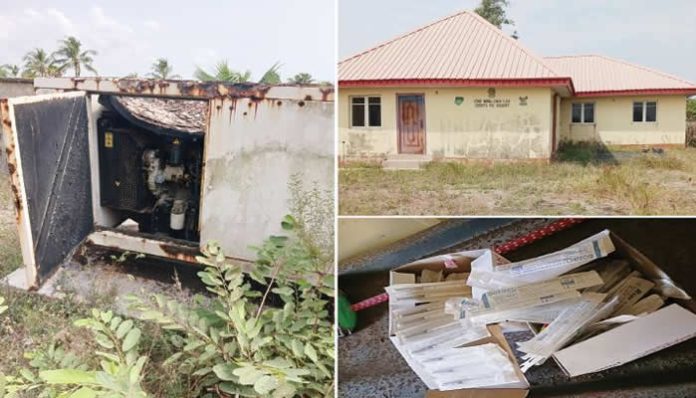
Oyeleye’s death could have been prevented if the Gberefu community with a population of over 16, 000 had a functional hospital. The only PHC in the community lay in ruins, with all equipment rotting away due to a shortage of manpower and alleged government’s negligence.

Based on history, Gberefu played a prominent role during the slave trade era and was dubbed the ‘route of journey to unknown destination’ in Badagry.

According Healthwise learnt that while in this coastal community, heavily chained slaves are forced to drink water from the ‘Attenuation Well’, which erases their memories and then they trek to berthing ships and taken on a long, torturous journey to Europe.

According to the Regent of Gberefu Community, Chief Kotopa Komi, who told our correspondent that the late Oyeleye was his cousin, his death was quite painful because they could not get immediate medical intervention required.

Looking pained, he recounted, “We were here one morning arranging our nets for the next fishing trip, when Oyeleye, who had gone for an all-night fishing expedition was brought back with blood on his chest.

 “On seeing his condition, people rushed towards him but as he wanted to talk, blood came out of his mouth. His assistant said they encountered strong waves which tumbled their boat.

“He lost all his night catch and the impact of the accident was severe. We quickly gathered to take him to Badagry General Hospital for immediate medical attention as there was no medical centre in this community.

 “We faced a big challenge of how to carry him to the hospital because there was no vehicle to take him to our small jetty where he could be ferried to the Pathfinder Jetty, from where he would be driven to the hospital.

The traditional ruler said another option would have been to use a motorcycle but it would be difficult riding through the sandy terrain to the point where a boat can carry him out of the Island.

“Finally, when we managed to carry him out of Gberefu, he gave up the ghost as soon as we got to land,” Komi said with bloodshot eyes.

“The health centre that would have offered him first aid was not working. If it were, I’m sure he would have been stabilised before being referred.

 “He was certified dead by a doctor on duty. The doctor said he died of internal injury and excessive bleeding. We cried and mourned him. He was a victim of government negligence and inaction.

 “We thought the government would act after his death, but till now, the health centre is still abandoned. This is the only health centre in a community that has over 16, 000 men, women and children. We are farmers and fishermen; we need health care.

‘Our pregnant women, children are dying’

 “Not having a functional PHC has caused us preventable deaths. My people don’t have any hospital around to go to when there is an emergency. Even pregnant women don’t attend antenatal here, they make use of traditional birth attendants. They also can’t go to Badagry for antenatal because of lack of money and the distance. Our pregnant women and babies are dying. Women here usually lose their pregnancies.”

 According to the United Nations Children’s Fund, the antenatal period presents opportunities to reach pregnant women with interventions that may be vital to their health and well-being, and that of their infants.

 “Receiving antenatal care at least four times increases the likelihood of receiving effective maternal health interventions during the antenatal period,” UNICEF stated.

‘TBAs can’t save our women, babies’

According Healthwise learnt that not long ago, 33-year-old Bukola Aiyeolowo and her newborn died due to the inability to access prompt healthcare.

The mother of two, died while being helped by TBAs in the community to birth her third child.

It was gathered that she went into labour at night and developed complications, which the TBAs were ill-equipped to manage.

According to a resident, Mrs Tanimola Ogunbiyi, who narrated what transpired to our correspondent, when all attempts failed to have her deliver the baby, a nurse was invited but before the woman could arrive, they lost both mother and baby

“The baby was the first to die in the womb. As soon as the baby died,   Aiyeolowo  started coughing and eventually gave birth. She died afterwards. This is what we experience in this community,” she lamented.

Preventable maternal deaths

800 women die daily from preventable causes related to pregnancy and childbirth, according to the World Health Organisation.

The WHO noted that care by skilled health professionals before, during and after childbirth can save the lives of women and newborns.

In a similar development, another resident, Sola Abu, Told According Healthwise that she lost her while being attended to by TBA’s delivery. She, however, counts herself lucky to have survived the ordeal that left her incapacitated for months.

According to her, going to Badagry to give birth means arranging with a bike man and a boatman ahead of the due date, which she noted may not work as planned.

“Labour comes unannounced, which is why I invited TBA to help me with the delivery. It is the same with other women here. The majority of us are now scared of getting pregnant because of what we see and hear. Many Gberefu mothers don’t get proper antenatal care, apart from a few ones that occasionally go to Badagry General Hospital.

 “We want our health centre to be re-opened and equipped to save our lives. We need trained midwives and doctors to lessen our burden,” Abu appealed.

Accident victims taken to Benin Republic for immediate response

Speaking further, the Regent revealed that they usually do not get prompt emergency response in Badagry General Hospital, and so, they are left with no choice but to take critically injured accident victims to Benin Republic for treatment.

He said, “We spend more going there but their response time is short. We have had experiences that shaped our decision. Apart from Oyeleye’s death, there are other cases. We gained some and lost some. Gberefu Health Centre is all that we need right now.

An abandoned, rotting PHC

According Healthwise learnt that Gberefu PHC is a non-flagship comprehensive PHC, meant to operate for eight hours without doctor’s coverage and is best referred to as a health post that operates two shifts – morning and afternoon.

According to the residents, the PHC was commissioned by a former Local Government Chairman, the late Moses Hosintode, in 2012, but became non-functional shortly after.

The only visible equipment that is standing, aside from the dilapidated structure is a rusty 400-capacity power generator.

During According Healthwise’s visits to the centre, it was discovered that the building itself had been taken over by bats, reptiles and thickets.

A resident, Miss Bose Komi, who was among the Community Health Extension Workers that carried out routine Immunisation when the facility was functional, blamed the community members and health workers for crippling the place.

 She said, “The health workers complained that people were not coming to the centre, but the women said anytime they visit the centre, the nurses were never around

 “This was their reason for always going to Badagry for antenatal services. Others started patronising TBAs.

 “The women also complained that the nurses don’t stay in the facility at night and that they are scared of coming there and not meeting anyone if they go into labour at night. This made them not bother going there at all when they go into labour.”

Speaking on the state of the abandoned PHC, a youth leader, Mr Jimoh Salako affirmed that the facility is rotting away.

He said, “Some time ago, some nurses came to the late traditional ruler and complained that women weren’t coming for antenatal. This made him hold a meeting with all the BTAs in the community and ask them to stop treating pregnant women. This pushed the women back to the centre.

 “At some point, the villagers also complained that the nurses stopped coming and they also stopped going to the PHC.

“However, we are appealing to the state government to put the PHC in good shape to reduce the cost and stress our people are going through. The government should revisit the place and increase its capacity to accommodate more people as the population here keeps expanding.

 “We no longer want the three-room health centre. We need something bigger that would have a hostel to house the nurses, midwives, doctors and other professionals that will be working there. I know that transportation was among the challenges that made the health workers stop coming.

Chief Nursing Office unaware PHC not operating

Also, when contacted, the Chief Nursing Officer, Patience Ogunbiyi, who headed the team that worked at the PHC, claimed not to know why the place was no longer functional as she left nine years ago and now works at the Amuwo-Odofin Health Centre in Festac.

 “The only thing I would say is that the people there don’t like going to the health centre. Maybe because everything was free. But they have a supportive traditional ruler who usually visits the centre. I can’t say much,” she said.

No doctor to 16, 000 residents is against WHO standard – Physician

According to a Consultant Gynaecologist and Obstetrician at Epe General Hospital, Epe Lagos State, Dr Cynthia Okafor, the WHO standard recommendation on doctor to patients ratio is a doctor to 600 patients.

She noted that in a situation where over 16,000 residents of Gberefu, especially pregnant women do not have access to a single doctor, will increase maternal/child mortality.

“Without medical doctors attending to pregnant women in this community, any little complication can become fatal. Our government need to do something about the status of the PHC in Gberefu,” he said.

Doctor’s presence attracts patients to PHCs – Gynaecologists

 A Consultant Gynaecologist and Obstetrician at Ekiti State University Teaching Hospital, Ado-Ekiti, Ekiti State, Dr Babatunde Rosiji, said if patients know that they will not see a doctor at a PHC, they would not go there to avoid wasting time and money.

He noted that patients will receive better treatment in their locality because the doctors there understand the terrain, which is the reason why the government established PHC.

“It is meant to bring health care closer to the people under the Universal Health Coverage system,” he added.

According to Rosiji, who is also the South-West Chairman of the Nigeria Medical Association, “The primary healthcare system in Nigeria will work if incentives are given to health workers posted there. This will attract them.

 “We need to think of UHC. UHC is meant to strengthen the primary healthcare system. But how workable is the primary healthcare system in Nigeria? Who are the health workers at the PHCs? How many doctors and nurses are there? You will be surprised that out of the 774 local government areas in Nigeria, it will be a luxury to have 200 doctors covering these 774 LGAs.

 “If we want PHCs to be close to the people, then health centres in the suburbs should have doctors. I should be able to see a nurse there. That is when the PHC will work but what do we have in Nigeria?”

 “The point I am making is that we need to improve the quality of care that we are providing at the primary healthcare centres because of the requisite tasks that we have there.

 “So until we change our priority. I’m not only looking at the money channelled to the sector and what they do with it, but staffing the place with qualified workers is more important. There should be laboratory scientists, doctors, nurses, and midwives there.”

When According Healthwise visited the Badagry Local Government Council to know why the Gberefu PHC was abandoned, and how to get it back on its feet, the Public Affairs Officer, Mrs Oluwafunke Yomiojo said the major reason for the closure of the PHC was a shortage of workers and resources across the board.

 “However, the Chairman, Onilude Adeniran, is working on it. It would soon be resolved and reopened. But in the meantime, we advise them to use Marina PHC, which also falls within the same ward pending when the PHC is reopened.

 “I don’t know exactly when but we look forward to seeing it happening soon. Apart from doctors and nurses, other health workers would be needed for the effective running of the centre. We are on it,” Yomiojo assured.

Stakeholders seek increased investments to end tuberculosis by 2030

0
Stakeholders seek increased investments to end tuberculosis by 2030

Over the years, the gap in tuberculosis case identification has been a major challenge in the country.

 Nigeria is listed among the 30 high-burden countries for tuberculosis and as of 2020, the estimated incidence of TB was 452,000 cases; out of which, 138,591 were diagnosed and notified.

Based on this, experts and stakeholders have called for better measures to control and eradicate the disease and are urging the Federal Government to invest more in acquiring the GeneXpert machines, which are vital tools in the fight against TB.

They made the call as Nigeria joined the global community to mark the 2024 World Tuberculosis Day. Pulmonologists specifically called for increased investments to achieve the goal of eradicating tuberculosis by 2030. They noted that the FG could invest in ending TB by increasing funding for TB control programmes.

According Healthwise reports that the 2024 World TB Day is celebrated on March 24, with the theme, ‘‘Yes! We can end TB!’

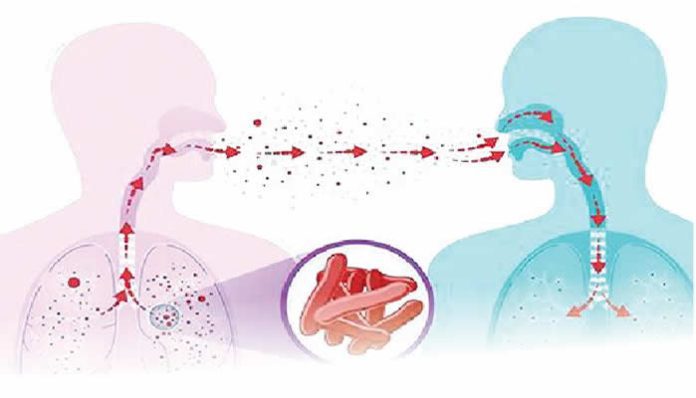
The World Health Organisation described TB as a communicable disease that affects the lungs and is caused by a bacterium called Mycobacterium tuberculosis, which spreads through the air when an infected person coughs, sneezes, spits, or laughs boisterously.

WHO noted that TB remains one of the world’s top infectious killer diseases with more than 10 million annual cases and one million deaths recorded.

According to the global health organisation, Nigeria has the highest burden of TB in Africa and ranks sixth among the 30 countries globally with the highest burden of the disease.

The WHO targets to end TB by 2030 by reducing its incidence by 80 per cent and deaths by 90 per cent.

Recently, the National Programme Officer for TB for the WHO, Amos Omoniyi, said there were 97,000 TB-related deaths in Nigeria, amounting to 23 per cent of 2.4 million deaths in the African region.

He also noted that despite Nigeria accounting for the high burden of a disease that is preventable and treatable, it still has a 70 per cent funding gap in programmes meant to curb its spread.

Speaking exclusively with According Healthwise in commemoration of World TB Day, the experts lamented that stigmatisation, lack of GeneXpert machines, poverty, and other factors contribute to the country’s persistently high TB prevalence.

A Consultant Pulmonologist, Dr Modupe Ogunshina stressed that though a variety of factors contribute to the nation’s rising TB burden, poverty is a key driver in its spread.

She said, “I think factors responsible for the high rates are multifactorial. So we first of all talk about the knowledge of the people on TB itself. There are still some people who are not following the advice that if you cough for two weeks, visit the hospital.

“Poverty is a driving force and has continued to be a driving force. And you know that in the last few years, Nigeria’s economy has been very challenging and we believe that with God, we will have a better solution.

“The spread of TB and the increase we have is multifactorial; they are interconnected. You can’t take one single thing and say this is the only reason, there are so many of them.”

The Pulmonologist, however, maintained that there is a need for collaboration in addressing the social and economic factors that contribute to the spread of TB.

She added, “To end TB will take a multi-dimensional approach. One of the key things is the barrier to diagnosis, which is the gold standard for diagnosis of TB, the GeneXpert machine. I think maybe it’s more like a rate-limiting factor.

“There is a need to have more Genexpert machines across the country. Yes, I know we also have the challenges of light and all. But what we use to diagnose is key and that is the GeneXpert machine.”

“I know that the government is trying to have dispatch riders that carry samples to where they can be tested but the more machines we have, the more tests that can be carried out, and that means the results turn around timing will be much shorter. This will also make the commencement of patients’ treatment faster.

“So, one key thing is to increase the number of GeneXpert machines we have. I believe there are capable hands that can manage and operate the machines if they are available. But the thing is, by the time you provide the GeneXpert machine, don’t forget that it’s a cold-sensitive machine and needs constant electricity. There’s a need to get a constant cold environment, otherwise, the machine will spoil the results, and so many other things.

“So, diagnosing TB can be much easier, faster, if you have more GeneXpert machines, and available in more locations.  Yes, there are other things that the government does because they are found. We have to diagnose using the X-ray and all. But let’s even have more machines first. Then we can go a step further by providing other artilleries for diagnosing TB,” she stated.

On the government’s effort in terms of treatment, the physician said, “I believe the government is trying. Drugs are available. Once patients are diagnosed, which is what the programme is all about, they access drugs in the nearest place to their homes. This is so that they will not say transportation made them not to I come.

“So, the treatment and drugs are available. We only need to ensure we get patients diagnosed. Well, nothing is perfect. There might just be some lapses. At least that is fair.”

On his part, a pulmonologist at the Olabisi Onabanjo University Teaching Hospital, Dr Tope Oni, said there is a need for the FG to improve diagnosis and treatment of TB infection.

He noted that new technologies and strategies are needed to achieve the 2030 goal, adding that Nigeria must step up efforts to provide quality TB care for all.

Oni called for increased investment and action to end TB, urging the government at all levels to invest in GeneXpert machines.

The pulmonologist noted that the machines are a vital tool in the fight against TB.

He said, “These machines can quickly and accurately diagnose TB, including MDR-TB. They are also portable and can be used in remote areas where other diagnostic tools are not available.

“One of the biggest challenges in eliminating TB is the emergence of drug-resistant strains of the bacteria. Over the past decade, there has been a rapid increase in the number of cases of multidrug-resistant TB (MDR-TB). These strains are more difficult to treat and have a higher mortality rate than non-resistant forms of the disease.

“New drugs are needed to fight multidrug-resistant TB, as well as improved diagnostic tools to detect it.”

Similarly, the Head, Grant Management, Global Fund, Mark Eddington said the country must maintain the advancements made in research and development, such as additional treatment and preventive regimens, vaccinations, and improved instruments for diagnosing TB.

While lamenting that TB treatment is underfunded in Nigeria, Eddington said the government need to increase its investment to be able to eradicate the disease by 2030.

“We would like the government to maintain and increase its investment in TB.

“We would like to see significant investment in TB. Tuberculosis is dramatically underfunded in Nigeria.

“Nigeria used to detect about 100,000 cases of TB a year. That has increased three times and so Nigeria is now finding about 90 per cent of such cases, which is an estimate.

“The trouble is to treat these cases, we need significantly more investment than is currently in the system. So what we would like to see from the FG is to step up investments in health, maintain the gains, and continue to make real progress,” he said.