Home Blog Page 1274

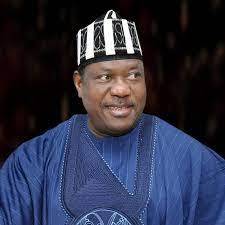
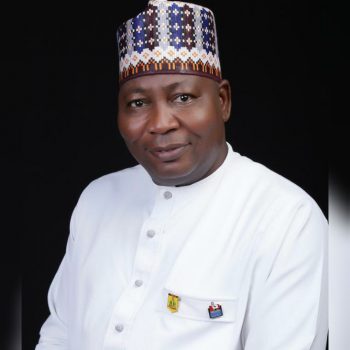
Ifeanyi Ubah: Port Harcourt, Warri refineries to be fully operational in 2024

0

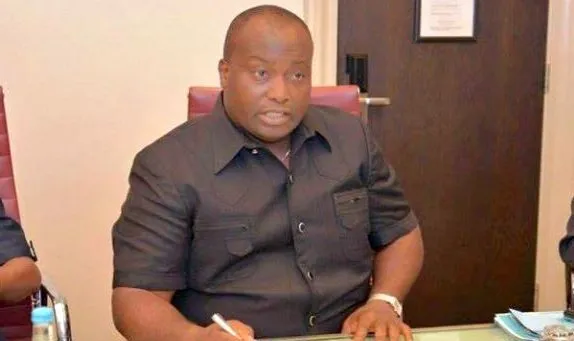
The Chairman, Senate Committee on Petroleum (Downstream), Ifeanyi Ubah, has said that two refineries- Port Harcourt and Warri would be fully operational by the end of 2024.

Ubah said plans have already been put in place to achieve the target, stressing that the Kaduna Refinery would also be operational before the end of next year.

He said that the completion of the plants and the addition of supply from the 650,000 barrels per day, bpd Dangote Refinery would enable the nation to meet its domestic fuel demand.

The senator also called on the federal government and other stakeholders to work toward the establishment of modular refineries to further expand the nation’s domestic capacity to refine crude oil.

“My mandate is to ensure that the refineries in Nigeria are up and functional. By my involvement, before the end of this year, two refineries will be up and running.

“Also, before the end of next year, the Kaduna refinery will come on stream.

“I can assure Nigerians that I will tirelessly pursue and ensure that these refineries are up and running before the end of the year. We have set up a technical team to visit the refineries every two weeks in order to meet the set target,” he said.

NNPC Ltd Committed to Building Huge Oil, Gas Infrastructure

0

The Nigerian National Petroleum Company Ltd (NNPC Ltd) says it will continue to invest in the development of huge oil and gas infrastructure to make it easy for operators and prospective investors to carry out their business in Nigeria.

According to a statement signed by Olufemi O. Soneye, Chief Corporate Communications Officer, NNPC Ltd; the Executive Vice President, Upstream, Mrs. Oritsemeyiwa Eyesan, disclosed this at the ongoing Offshore Technology Conference (OTC), on Tuesday in Houston, Texas, United States of America.

Speaking at one of the panel sessions of a luncheon organized by the Petroleum Technology Association of Nigeria (PETAN), with theme: Sustainable Energy Solutions for Africa’s Future (Nigerian Perspective)”, the Eyesan stated that NNPC Ltd.’s objective was to ensure that there is a healthy balance of energy sources in the country.

She explained that though the oil and gas sector is not where it ought to be, much progress had been made between last year’s edition of the OTC in terms of opening up the sector for investments and infrastructural development.

National growth LS

While she identified funding as the major challenge impeding the development of the sector, she listed some of the bright spots in the industry to include the Executive Orders signed by the President to open up the sector, the imminent resolution of the assets divestment by the International Oil Companies, and the aggressive execution of gas infrastructure projects such as the Obiafu-Obrikom-Oben (OB3) Gas Pipeline, which she said would be completed in the next quarter.

Also speaking at the panel session, The Managing Director of SNEPCo, Engr. Elohor Aiboni, and the Managing Director of Chevron Nigeria Ltd, Mr. Jim Swartz, stated that their companies’ divestment from onshore and shallow water assets was a general realignment of their portfolios across the globe and should not be misconstrued as exit from the Nigeria.

Speaking further on his company’s commitment to remain in Nigeria, Swartz said: We are excited about what government is doing to build confidence in investors. We are excited to work with NNPC Ltd.”     

Northern Elders Forum Opposes CBN’s Cybersecurity Levy

0

The Northern Elders Forum (NEF), a prominent socio-cultural organization representing the interests of the Northern region of Nigeria, has strongly condemned the Central Bank of Nigeria’s recent decision to impose a cybersecurity levy on bank customers.

In a statement released by the NEF’s Director of Publicity and Advocacy, Abdul-Azeez Suleiman, the forum expressed its dissatisfaction with the policy, citing the escalating costs associated with banking transactions as a result of multiple charges.

The NEF criticized the CBN’s directive as arbitrary, illegal, and out of touch with the realities faced by Nigerians. The forum called on the government to reconsider the policy and explore alternative measures to ease the financial strain on individuals while still promoting the use of electronic payments.

The NEF pointed out that the introduction of cybersecurity levies, in addition to existing fees such as stamp duty, transfer fees, value-added tax, and SMS charges, has placed an unbearable financial burden on individuals engaging in electronic transactions. The forum highlighted the various charges that bank customers now face, including cybersecurity levies ranging from ₦5 on ₦1,000 to ₦50,000 on ₦10,000,000 transactions, transfer fees, stamp duty, and value-added tax. These additional costs have significantly increased the overall expense of electronic transactions for both senders and receivers.

National growth LS

While acknowledging the importance of cybersecurity in safeguarding electronic transactions, the NEF emphasized the need for a more balanced approach that ensures the costs of security measures are reasonable and do not excessively burden bank customers.

The NEF said in a country already grappling with economic challenges and hyperinflamatory conditions, the additional financial burden imposed by the cybersecurity levy is unjust and unfair and urged the government and relevant stakeholders to find a sustainable solution that strikes a fair balance between enhancing cybersecurity and alleviating the financial strain on the Nigerian populace.

“It is imperative that the administration takes into account the concerns raised by a vast majority of Nigeriand and prioritizes policies that protect the interests of the people while also fostering economic growth and development.”

The forum’s stance highlights the importance of considering the impact of regulations on ordinary citizens and advocating for measures that promote financial inclusion and alleviate economic challenges.

“It is crucial that the government listens to the concerns of organizations like the NEF and works towards implementing policies that benefit all Nigerians, rather than burdening them with additional costs and hardships.

 “It is essential to strike a delicate balance between enhancing cybersecurity and easing the financial burden on the populace, particularly at a time when the Nigerian economy is facing significant challenges due to inflation and other economic factors,” Suleiman said.

The NEF urges the authorities and relevant stakeholders to engage in meaningful review and find a solution that addresses the legitimate concerns raised by the public regarding the cybersecurity levy.

Court Affirms ICPC’s Power to Investigate, Prosecute Delta Officials

0

A Federal High Court sitting in Asaba, Delta State has upheld the powers of the Independent Corrupt Practices and Other Related Offences Commission (ICPC) to investigate and prosecute officials of Delta State Government who allegedly engage in corrupt acts.

The Attorney-General of the State had filed a suit challenging the powers of the Commission under Sections 6 and 28 of the Corrupt Practices and Other Related Offences Act 2000 (ICPC Act) to investigate State finances and invite Delta State officials for interviews in the course of investigations.

The Plaintiff in the Suit FHC/CS/165/2023 also contended that by Sections 120, 121, 122, 123, & 125 of the 1999 Constitution of the Federal Republic of Nigeria (as amended), it is only the Delta State House of Assembly and the Auditor General of Delta State that have the powers to look into the State’s finances and demand for documents.

However, ICPC argued that Sections 6 and 28 of the ICPC Act 2000 empower the Commission to exercise its enforcement function on “any person” including state government officials.

National growth LS

The Commission, represented by the Director of Legal Services Department, Mr. Henry Emore, stressed that the ICPC Act 2000 does not discriminate between the State Government and the Federal Government in the fight against corruption. Furthermore, there is no conflict between the provisions of Sections 6 and 28 of the ICPC Act and Sections 120-125 of the Constitution; the two are rather, complementary.

In his judgement on Wednesday, the 7th of May, 2024, Justice F. Olubanjo of the Federal High Court, Asaba Division agreed with the submissions of ICPC in its entirety and held that Nigeria practised cooperative federalism; and as such the fight against corruption is a function of both the States and the Federal Government.

He also noted that the issues before the Court had been settled in a plethora of appellate decisions, among which is the Supreme Court Judgement in AG ONDO STATE VS AG FEDERATION & 36 ORS.

The suit was therefore dismissed with no cost awarded.

Conference to advance Africa’s dev’t through philanthropy

0

Some stakeholders in the philanthropy business in Africa have put together a conference to advance the development of the continent through philanthropy efforts.

The Programme Coordinator of the Fifth African Philanthropy Conference, Briggs Bomba, who disclosed this on Wednesday in Senegal, said the conference would facilitate progressive dialogue and action within the field of African philanthropy.

Bomba, who is also the Programme Director, TrustAfrica, stated that the conference would be held at the Elephant Hills Resort in Victoria Falls, Zimbabwe from 29th July to 2nd August, 2024.

This year’s conference, according to him, is being convened under the theme “The Next Frontiers of African Philanthropy” and would mark a pivotal opportunity to assess and shape the continent’s philanthropic landscape.

National growth LS

He said, “The conference will be of immense value to individuals and organisations who are committed to advancing development in Africa through philanthropic efforts – these include academia, donors, non-profit organisations, government agencies, corporate entities, media, and other stakeholders.”

He added that some activities would also be hosted in Livingstone in Zambia during the five-day conference.

“Delegates of the conference will enjoy a programme that includes sessions on timely sub-themes such as Restitution of African Cultural Heritage and Reparations, Climate Justice – Just Transitions & Green Resourcing, Social Justice and Peacebuilding, and Feminist Philanthropy to guide their participation through panels discussions, workshops and community outreach.

“To foster the spirit of collaboration, organisers of the conference have welcomed partners in the sector to contribute sessions and activities that will form part of the programme,” Bomba stated.

The Director of the Centre on African Philanthropy and Social Investment (CAPSI), Prof. Bhekinkosi Moyo, described the conference as a collective response to the dynamic changes reshaping African philanthropy.

“We look forward to welcoming thought leaders, practitioners, academics, and advocates to explore the new terrains of the sector and chart a course for impactful action that benefits all stakeholders on the continent,” said Moyo who is the Chair of the fifth African Philanthropy Conference Secretariat.

The conference was conceptualised in response to the need for a pan-African space that will promote philanthropy on the continent and set agendas for future interventions individually and collectively.

Hosted as an annual convening and attracting a growing number of delegates from different corners of the world with each iteration, the conference is curated to encompasses a diverse range of topics, including:

  • Philanthropic responses to pertinent issues on the Continent;
  • The role and impact of technologies in philanthropy;
  • Community-centric approaches to giving innovative financing models for social impact.

Vessel Used for Crude Oil Theft Still in Our Custody

0
Navy Logo
Navy logo


Contrary to media reports that a vessel, MT Prestigious, allegedly used for crude oil theft in the Niger Delta, which operatives of the Nigerian Navy recently took into custody, has not been released, PRNigeria has gathered.

A group named the Niger Delta Renaissance Network had accused the Navy of releasing the vessel initially apprehended by private security.

In a statement by its spokesman, Comrade Gabriel Aniete, the group said it uncovered a concerning incident involving the arrest and subsequent release of a ship carrying stolen crude oil.

The group alleged that a private security firm contracted to monitor pipeline vandalism and oil theft in Nigeria intercepted the MT Prestigious ship.

National growth LS

However, it is alleged that the Nigerian Navy, acting on orders from above, intervened and granted the release of the arrested ship.

But speaking in confidence to PRNigeria, a naval officer noted that the impounded vessel in question was not released, as the investigation into its (the vessel’s) activities is still ongoing.

According to the naval officer: “The online report of the Nigerian Navy releasing the vessel is misleading. We have not found the ground to free the vessel, which is being accused of allegedly stealing crude oil from our shores. However, the media and general public will be availed of our findings after our investigation”.

Meanwhile, PRNigeria gathered that the vessel’s owner, Newcross Exploration and Production Limited (NewcrossEP), wrote to the Nigerian Upstream Petroleum Regulatory Commission (NUPRC) regarding an investigation by the IGP Illegal Bunkering Team (Operation Tantita) into alleged illegal bunkering activities on the vessel MT Prestigious.

In a letter also copied to relevant security agencies, the oil company confirmed that a security team visited the vessel on May 2, 2024, and took written testimony from the captain, representatives of NewcrossEP, and the barging vendor.

The security team requested cargo samples, but NewcrossEP required NUPRC approval and an independent laboratory to proceed.

According to the company, the Nigerian Navy suspended NewcrossEP’s operations on MT Prestigious WD and MT Montagu, pending the investigation’s conclusion.

Therefore, the exploration company sought NUPRC’s intervention to ensure due process and resolve the situation quickly. The suspension threatens to disrupt crude oil production, gas delivery, and terminal operations, with significant financial implications for the nation.

By PRNigeria

Hosting military bases not the answer, By SK Usman

0

Nigeria, Military bases: Last week, some highly respected and eminent Nigerians wrote an open letter to President Bola Ahmed Tinubu cautioning against accepting an alleged offer from two superpowers – France and the United States of America to establish military bases in Nigeria. They wrote the letter based on a plausible rumour that these two powerful nations who have been expelled from Mali and Niger are desperately trying to have a foothold on another country in West Africa to host their military bases. Ostensibly, these military bases are veiled efforts to promote and protect their interests couched in the name of helping to fight violent extremists such as Boko Haram, ISWAP and Al Qaeda. However, a few days ago, the Honourable Minister for Culture and National Orientation, Alhaji Mohammed Idris, publicly stated that Nigeria is not considering any such offer by these countries to establish military bases in Nigeria. Nonetheless, I commend the patriotic zeal of these eminent Nigerians for drawing our attention to this issue and the Federal Government for allaying their concerns.

Undoubtedly, Nigeria’s strategic location, economic prowess, and regional leadership positioned it as a prime candidate for such an unprecedented “foreign military cooperation.” Following their expulsion from Mali and Niger, the strategic allure of Nigeria for French and American military bases is not surprising, as numerous factors render Nigeria an enticing location for such installations. Positioned along the Gulf of Guinea, Nigeria offers access to crucial shipping routes and abundant resources, cementing its role as a linchpin in regional and global security dynamics.

As Africa’s most populous nation and a significant economic force, Nigeria exerts substantial influence within West Africa and beyond. Establishing military bases in Nigeria would present an opportunity for these foreign powers to extend their reach across the continent. Moreover, France and the US may be motivated by a desire to counterbalance the growing presence of China and Russia in Africa. Ultimately, the consideration of Nigeria as a host for foreign military bases underscores the imperative of securing strategic footholds in an increasingly pivotal geopolitical arena by these two nations. By capitalizing on Nigeria’s geopolitical significance and geographic positioning, they seek to consolidate their influence and protect their interests amid intensifying global competition and fight against terrorism. Therefore, the fear and concerns of these eminent Nigerians are quite understandable.

Moreover, in line with its Foreign Policy objectives, Nigeria has always opposed such bases on any African country let alone on its very soil. However, the realities of today’s circumstances are quite different. The country is facing an existential threat from secessionists agitations, Boko Haram terrorist groups, bandits and kidnappers which require collaboration with and support from other countries such as its neighbours, as well as those developed countries such as France, the United Kingdom, the United States of America and Russia, amongst others.

National growth LS

In this light, it is important to critically examine the pros and cons of such an agreement to understand whether these fears are justified or not. First, we look at the merits of such establishments. No doubt having such military bases with their drone technology, training and other logistics support would enhance our national security and international collaboration and cooperation, more so as Nigeria is facing significant security challenges from various threats such as banditry, kidnapping, insurgency, and terrorism. Therefore, further collaboration with foreign powers like the US and France could provide advanced military technology, intelligence sharing, and training support to Nigerian forces.

This collaboration could strengthen Nigeria’s ability to combat these security threats effectively. Such an agreement would also promote strategic partnership. By establishing foreign military bases in Nigeria, it can strengthen strategic partnerships with countries like the US and France. This partnership can contribute to regional stability and security, which is crucial for economic development and political stability in Nigeria and the broader West African region.

The establishments would serve as deterrence to adversaries. A foreign military presence can serve as a deterrent to potential aggressors and adversaries, signalling a commitment to defend Nigerian sovereignty and territorial integrity. This deterrence factor may discourage hostile actions by non-state actors or neighbouring countries that pose security threats to Nigeria. However lofty the advantages of having military bases in Nigeria are, there are also cogent arguments against the establishment of foreign military bases in the country.

The first is sovereignty concerns. Hosting foreign military bases raises concerns about the sovereignty and national autonomy of our great nation, as allowing foreign military presence on Nigerian soil could compromise the country’s ability to make independent decisions on security matters and could lead to undue influence by external powers in domestic affairs. Usually, such countries often demand special treatment for their personnel, a kind of being above the local laws and even international humanitarian laws.
This is more so because Western countries would always prioritise their interest whenever there are contentious issues or conflicts of interest. The flaunting of Leahy Law against Nigeria by the Obama administration on the unsubstantiated allegations of human rights abuses, thus denying it the much-needed weapons in the heat of its counterinsurgency efforts during previous administrations was quite instructive. Additionally, they will also use their surveillance technology to their advantage, which could be against Nigeria’s national interest.

There is also the issue of regional dynamics where Nigeria has historically positioned itself as a leader in Africa and has been cautious about allowing foreign military bases on its territory. Some are concerned that hosting such bases could disrupt regional dynamics and trigger tensions with neighbouring countries, especially if they perceive the presence of foreign troops as a threat to their sovereignty or interests. This is more so as Russia is gradually getting a foothold on countries run by military junta in West Africa such as Burkina Faso, Mali and Nigeria’s northern neighbour, Niger. Any hosting of foreign military bases could be perceived as a re-enactment of Cold War era tensions where the country will be a battleground for supremacy between the superpowers.

There are arguments for alternative solutions to address Nigeria’s security challenges without resorting to hosting foreign military bases. These solutions may include strengthening domestic security institutions, improving governance and socioeconomic conditions of the citizenry, and fostering regional cooperation through initiatives like the Economic Community of West African States (ECOWAS) and the African Union (AU). Moreover, most of the security challenges border on a lack of good governance. Therefore, the solutions are also local. Ultimately, any decision regarding establishing foreign military bases should be made with a comprehensive understanding of the potential risks and benefits, and it should prioritise the protection of Nigeria’s sovereignty and national interests.

There is no doubt therefore, that Nigeria faces significant security challenges, ranging from banditry and kidnappings to Boko Haram’s insurgency and secessionist agitations, among others. The question of whether to host foreign military bases to address these threats is a complex one, with strong arguments on both sides. The pressure from these two foreign powers is quite obvious.

However, while the allure of foreign support to combat security threats is understandable, hosting foreign military bases presents a risk to Nigeria’s sovereignty and may not effectively address the root causes of insecurity in the country. Rather, Nigeria should focus on addressing socio-economic factors that contribute to the root causes of our security challenges by enhancing good governance and strengthening its policing system. It should also enhance military capabilities and foster regional cooperation for intelligence sharing and joint operations. By investing in its security, Nigeria can safeguard its territory, protect its people, and chart its course for a more secure future without any foreign military base on its soil.

The writer, Brigadier Sani Kukasheka Usman (rtd) mni fnipr fapra FIOARM fspsp, Sarkin Yakin Kanwan Katsina, is a public affairs commentator, public relations and security consultant. He can be reached on his X handle, and Facebook page, skusman.
“Stay focused, you have started well”

0

The Secretary to the Government of the Federation, Senator George Akume has hailed the performance of the Kogi State Governor, Ahmed Usman Ododo in his one hundred days in office as the Governor of the state, urging him to stay focused on performance and ignore detractors.

Senator Akume gave the commendation when he received Governor Ododo on a courtesy call to the SGF’s office on Tuesday.

Senator Akume noted with admiration the drive and positive disposition of Governor Ododo to accord topmost priority to the welfare of the people of the state which he said is the hallmark of good governance.

The former Governor of Benue State expressed his well wishes to the Kogi State Governor, adding that his record of performance has already set him on a good trajectory as an emerging leader in Nigeria.

National growth LS

“Do not be distracted by criticisms because you have started remarkably well and I am sure you will continue this way till the end of your tenure in office, may God be with you”, Senator Akume said.

Earlier in his remark, Governor Ododo said the visit was in appreciation of the support the SGF has given to him since he assumed office as the Governor of Kogi State.

The Kogi State Governor described Senator Akume as a patriot whose record of achievements in public office is worthy of emulation by the younger generation.

He called for the support of the SGF in achieving the development agenda of his administration in Kogi state.

Governor Ododo was accompanied on the visit by the state commissioner for Local Government and Chieftaincy Affairs, Barrister Deedat Ozigi Salami and the Technical Adviser to the Governor on Multilateral and Donor Funded Projects, Dr. Abdullahi Ozomata.

Reps to probe Binance executive escape from custody

0

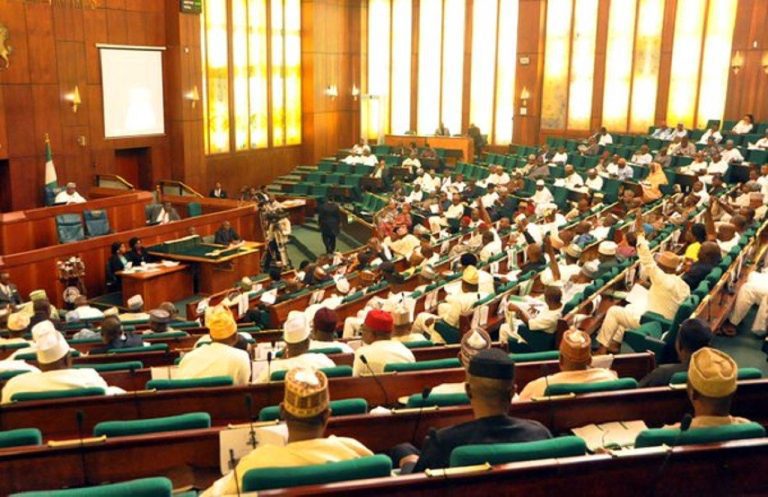
 The House of Representatives has resolved to probe the circumstances that led to the escape of Mr Nadeem Anjarwalla, an executive of a crypto currency exchange company, Binance.

This followed the adoption of a motion by Rep. Dominic Okafor (LP-Anambra) during plenary on Wednesday in Abuja.

It would be recalled that the Federal Government had arrested and detained Anjarwalla, on Feb. 26, for alleged complicity of the company in money laundering and terrorism financing.

The News Agency of Nigeria (NAN) reports that the two Binance officials were billed to appear in court on April 4, to answer to the alleged crimes against Nigeria before the security breach occurred.

National growth LS

The lawmaker said that the escape of the Binance executive from the office of the NSA using a “smuggled passport” was most disappointing, embarrassing and disturbing.

He said that it portrayed the porous nature of the security architecture of the country to the world.

The House also mandated the Director-General, Department of State Services (DSS), to take over the investigation and prosecution of personnel found complicit in the escape of Anjarwalla.

The House also mandated the committees on Financial Crimes, NSA and Intelligence and Interior to ensure compliance and report to the House in two weeks.(NAN)

By Femi Ogunshola

FCTA demolishes illegal shanties in Wuse Zone 3

0

The Department of Development Control, Abuja Metropolitan Management Council of the FCT Administration, has demolished shanties illegally built on a road corridor in Wuse Zone 3.

The Coordinator of the Council, Mr Felix Obuah, told journalists after the exercise in Abuja on Wednesday, that the move was part of efforts to clear all shanties in the city.

The News Agency of Nigeria (NAN) reports that the shanties, called by the occupants as Unguwan Yan Lambu, were built over 27 years ago.

The shanties have been demolished several times but were rebuilt by the occupants.

National growth LS

Obuah said that the location was preserved for a road corridor, adding that the illegal occupation has became a security threat, apart from defacing the beauty of the city.

“Also disturbing is that criminals and miscreants have made this location a safe haven.

“So, we decided to come and clear all the shanties and remove the criminals that have taken over the road corridor to give Abuja its desired beauty.

“We can’t allow this again. Our aim is to beautify the city and make Abuja a city we will all be proud of,” he said.

He added that a taskforce would be set up to make sure that none of the illegal occupants rebuild any shanty in the area again.

He also announced plans to relocate the occupants to a permanent location to ensure that no one returns.

“We are going to write a memo to the FCT Minister, Mr Nyesom Wike, to seek his approval and see how far we can go about the relocation plan.

“From what we can see, there are huge number of people illegally residing here. So, if we can relocate them within a very short possible time, they will not come back here again.

“We are also going to make provisions to make sure that they do not suffer undue hardship.

“You see, some of the occupants are very young; some with children, and out of my pocket, I have donated a small amount of money to enable them to relocate immediately.

“If we don’t take this measure now, they will go to another place and create nuisance,” Obuah said.

Responding to the development, Malam Mohammed Musa, the chairman of the community, said that the area was occupied by about 1,000 people, including women and children.

Musa said that the occupants, predominantly dry season farmers, have been there for about 27 years, with some made up of 15 family members.

He acknowledged receiving a notice of the demolition and thanked the government for allowing them to stay there for over 27 years and to make a living in dry season farming.

He, however, called on the FCT Administration to come to their aid, adding that some of them were displaced from their homes by bandits and other forms of insecurity. (NAN)

By Philip Yatai