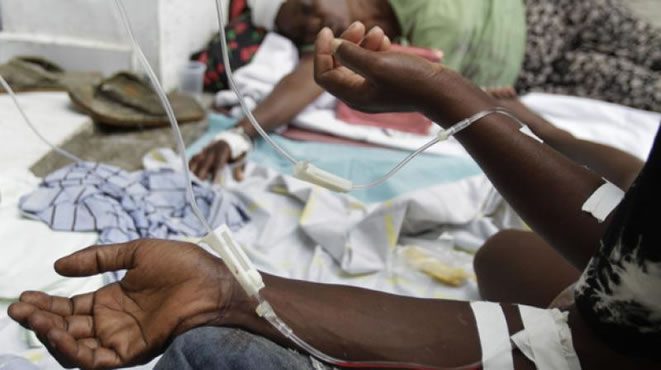
As Nigerian schools are set to reopen after the mid-term break and Sallah holiday, the ongoing cholera outbreak has sparked fears and caste a shadow of concern over classrooms.
Public health experts warn of a potential surge in cases among students, raising anxieties about whether schools are adequately prepared.
The recent cholera outbreak, attributed to contaminated food and water, has already caused illnesses and deaths across the country. Now, with children returning to often crowded and resource-strapped schools, fears are mounting that close contact and potentially poor sanitation could accelerate the spread of the disease.
Against this background, the Chief of UNICEF, Lagos Field Office, Celine Lafoucrier, on Monday, called for extensive measures to protect school children, noting that concerted efforts must be made to prevent disruption in the academic calendar over the spread of the disease.
The Nigeria Centre for Disease Control and Prevention (NCDC) had recently warned the public of the increasing trend of cholera cases as the rainy season intensifies.
The NCDC stated that from January 1 to June 11, 2024, over 1,141 suspected and over 65 confirmed cases of cholera, resulting in over 30 deaths, had been reported from 96 LGAs in 30 states.
The centre noted that 10 states contributing 90 per cent to the burden of the current cholera outbreak include Bayelsa, Zamfara, Abia, Cross River, Bauchi, Delta, Katsina, Imo, Nasarawa, and Lagos states.
Explaining the need to prevent the disease outbreak in schools, Lafoucrier noted that children faced substantial health risks, particularly those under five, who were prone to severe dehydration and higher mortality rates.
Read Also: CPPE laments, says Tinubu’s committee on food security yet to impact prices
Lafoucrier, according to the News Agency of Nigeria, in a statement on Monday, stated, “Similarly, post-recovery issues in children can include malnutrition, stunted growth, and weakened immune systems, increasing susceptibility to other diseases. These outbreaks underscore the urgent need for improved access to clean water and sanitation in many areas.
“Despite the state government’s efforts to provide water to its population, the current outbreak demonstrates the need for an urgent government focus on ensuring the water provided to the population is clean and risk-free.’’
The onus falls on schools and government agencies to implement robust preventative measures. Ensuring access to clean, potable water is paramount. Schools should also prioritize proper handwashing facilities and hygiene education for students. Public health officials should consider targeted vaccination campaigns in high-risk areas.
However, concerns linger about the effectiveness of these measures. Previous reports have highlighted the often deplorable state of sanitation facilities in Nigerian schools. Overcrowding can also make social distancing, a crucial tool in preventing the spread of cholera, nearly impossible.
The coming weeks will be a critical test. If schools can effectively implement preventative measures and parents remain vigilant about hygiene practices at home, the feared outbreak may be averted. However, if these measures fall short, the return to school could become a breeding ground for a new wave of cholera infections.
This situation underscores the urgent need for long-term solutions. Investing in improved sanitation infrastructure in schools, alongside robust public health education campaigns, is crucial to prevent future outbreaks and safeguard the health of Nigerian children.
The post Cholera outbreak sparks fears as schools reopen appeared first on Latest Nigeria News | Top Stories from TVN.
Cholera outbreak sparks fears as schools reopen
Nigeria’s worrisome corporate exodus


DIAGEO, the United Kingdom-based owner of the iconic Guinness brand became the latest multinational to dilute its shareholding in a major outfit in Nigeria. This again points to the grave failings of the policy environment that have spooked multinational organisations with serious implications for new investments, employment, and the economy at large.
Eyebrows were raised recently when Diageo sold 58.02 per cent of its shareholding to Tolaram, a multinational. Diageo still produces several beverages in Nigeria.
However, some multinationals completely exited Nigeria. Those leaving cited higher operating costs that have eroded profits, inability to access forex, and a harsh regulatory environment as major reasons. Foreign direct investment into Nigeria fell by 26.7 per cent to $3.9 billion in 2023 from $5.3 billion in 2022. Household names like Procter & Gamble, Unilever, Kimberly Clark, GlaxoSmithKline, and Sanofi Aventis have exited fully or converted their business models to import and distribution. Jumia Foods and Bolt Foods are gone.
Microsoft and Meta have downsized their operations. PZ Cussons Plc is considering leaving Africa as a whole, partly due to its Nigeria woes, which have resulted in a 48 per cent drop in sales. The CEO, Jonathan Myers, cited macroeconomic challenges and complexities.
Most worrisome is the departure of Shell, TotalEnergies, ExxonMobil and Equinor. The IOCs are divesting their assets away from Nigeria with investments in other African countries with better business environments. Oil theft, insecurity, and hostile communities are chasing these companies away from a sector that accounts for 95 per cent of Nigeria’s foreign exchange earnings.
TotalEnergies recently announced a commitment of $6 billion to developing the Kaminho oil project offshore Angola after dumping Nigeria as an option. It is investing $600 million in Congo. The company’s boss, Patrick Pouyanne, blamed the decision on Nigeria’s erratic policy environment that has made investments untenable.
The government says these issues will be resolved with the ongoing economic reforms and has acknowledged that the absence of a liquid foreign exchange market is a key factor in the exit of the multinational. Minister of Finance, Wale Edun, is optimistic that things will improve. We do not share such optimism.
Multinationals play a key role in job creation, technology transfer, contribution to the tax pool, CSR programmes, and signalling for foreign investors. These departures have a negative multiplier effect on small and medium-scale companies, which are their suppliers and service providers. Thousands of jobs have disappeared.
It is incongruous that this administration has been busy globetrotting, seeking new investors while the existing ones are fleeing. That the government does not see the urgency of the situation is shocking. The fiscal policy and tax reforms that ought to provide a clear new direction and remove regulatory and tax bottlenecks should have been implemented by now.
Africa’s richest man, Aliko Dangote revealed that the Federal Government takes 52 per cent tax on every N1 his company earns in profit and that policy inconsistencies could easily lead to business bankruptcy. This sums up a picture of why Nigeria cannot be an investment destination of choice unless these issues are addressed quickly.
For a government that has sold itself as business-friendly, it must prioritise measures that support businesses, such as lowering taxes, streamlining business processes, trade facilitation, and creating a regulatory environment that is not predatory but delivers on enterprise development.
The focus should not be on how much government can extract from businesses. Businesses need to be thriving to recruit and pay employees, meet tax obligations, and undertake CSR. Policies should be clear and consistent.
Security must be improved to support agriculture and the oil and gas sector. The government needs to upgrade existing infrastructure. There is no point committing N15 trillion to the Lagos-Calabar Coastal Road when the existing highways are shabby.
Court convicts four Philippine policemen for killing father, son


Four Philippine policemen were found guilty Tuesday of killing a father and son, court officials said, in a rare case of law enforcement officers being prosecuted for taking part in former president Rodrigo Duterte’s deadly drug war.
The four low-ranking officers were all sentenced to up to 10 years in prison for the shooting deaths of the two victims at a Manila slum during an anti-drug police operation in 2016, Manila regional trial court judge Rowena Alejandria said in her written verdict that was read in court Tuesday.
“It must be worthy to note that the accused themselves did not deny their presence and participation in the police operation conducted, the same event where the victims Luis and Gabriel (Domingo) were killed,” Alejandria wrote.
Thousands of drug suspects were killed by police and unknown gunmen in a campaign that became the centrepiece of Duterte’s 2016-2022 rule, a crackdown that critics described as state-sponsored extrajudicial killings and is now the subject of an investigation by the International Criminal Court.
Luis Bonifacio’s partner, Mary Ann Domingo, cried on her son’s shoulder as they listened to the verdict on two counts of homicide each being read at the cramped northern Manila courtroom.
Manila policemen Virgilio Cervantes, Arnel de Guzman, Johnston Alacre and Artemio Saguros were also ordered to pay 300,000 pesos ($5,120) each in damages to the victim’s heirs.
The family has alleged more than a dozen police officers took part in the nighttime raid at the northern Manila slum community.
The family insisted the two were not involved in drugs and were unarmed when police opened fire.
The defendants pleaded self-defence, alleging the suspects were armed and had shot at them.
But state prosecutors went with the lesser charge of homicide against only four officers, instead of murder, which involves deliberate intent to kill and which carries a heavier penalty.
Official data shows more than 6,000 people died in police anti-narcotics operations.
But rights groups estimate tens of thousands of mostly poor men have been killed by officers and vigilantes, even without proof they were linked to drugs.
Duterte had openly ordered police to shoot dead suspects during anti-drug operations if officers believed their lives were in danger.
While the crackdown has been widely condemned and sparked an international investigation, only five other policemen have been convicted for killing drug suspects.
Three Manila police officers were convicted in 2018 of murdering a 17-year-old boy in 2017. Two other narcotics police officers were found guilty last year for separate killings in 2016 and 2017, the latter victim a South Korean businessman.
Lawyers say most families are too scared to go after their relatives’ killers or do not have the money or time to pursue a case in the Philippines’ creaky judicial system.
The Philippine drug crackdown is being investigated by the International Criminal Court, which said in 2021 that it appeared “a widespread and systematic attack against the civilian population took place pursuant to or in furtherance of a state policy”.
Duterte pulled the Philippines out of the ICC in 2019, so only cases before that date are covered by the investigation.
President Ferdinand Marcos, who succeeded Duterte, has refused to cooperate in the ICC probe, saying Manila has a functioning judicial system.
AFP
Edo PDP faction demands for Shaibu’s resignation amid open support for APC

A faction of the Edo State chapter of the Peoples Democratic Party (PDP), on Monday, demanded the immediate resignation of former Deputy Governor Philip Shaibu, following his shocking endorsement of the All Progressives Congress (APC) candidate, Senator Monday Okpebholo, in the upcoming governorship election.
Shaibu’s surprise move has sparked outrage within the PDP ranks, with party leaders accusing him of betrayal and anti-party activities.
The Deputy Director General of the media arm of the Edo PDP Governorship Campaign Council, Rev. Olu Martin in a statement on Monday, described Shaibu’s reason for supporting the APC candidate as baseless.
“Because the candidate didn’t grow up in Edo, doesn’t make him a stranger in his own state.
“I thought Shaibu would tell us that the candidate he wants to support has the capacity, intelligent, knack for excellence and smartnees, which are the hallmarks of a great leader,” Martin said.
READ ALSO:‘A homeboy needed to lead Edo effectively,’ Shaibu endorses APC’s Okpebholo ahead of guber poll
Martin added that it was contradictory for Shaibu to remain in the PDP and be working against the candidate of the party.
“The honourable thing he should have done is to resign from the PDP like others and support the APC candidate. His argument is that of weak people,” he said.
The development has further deepened the rift within the Edo State political landscape, as the PDP struggles to maintain unity ahead of the crucial election. Shaibu’s defection has also raised questions about his political integrity and loyalty, given his previous role as a high-ranking member of the PDP.
Political analysts see Shaibu’s move as a strategic play to align himself with the APC’s perceived political dominance in the state, despite his previous battles with Governor Godwin Obaseki. The move has also sparked speculation about potential political appointments or incentives offered to Shaibu by the APC.
The Edo PDP’s call for Shaibu’s resignation has added fuel to the political fire, setting the stage for an intense showdown in the lead-up to the election. As the drama unfolds, one thing is clear: the political landscape in Edo State has been irreversibly shaken, and the consequences of Shaibu’s defection will be closely watched by political observers across the nation.
The post Edo PDP faction demands for Shaibu’s resignation amid open support for APC appeared first on Latest Nigeria News | Top Stories from TVN.
BREAKING: Gov Fubara directs LGA administration heads to take over councils (Full Speech)
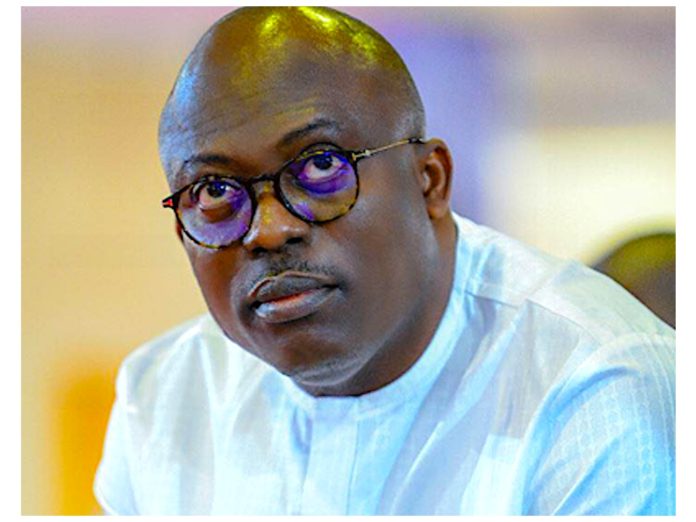
Rivers State Governor, Siminalayi Fubara has directed all Heads of Local Government Administration, HLGAs, in the state’s 23 local government areas to take charge of councils starting today, Tuesday, June 18, 2024.
TVN reports that this directive follows the expiration of the tenure of the 23 Local Government Areas, LGA, Chairmen on Monday, June 17, 2024.
In a broadcast on Tuesday morning, Governor Fubara instructed the HLGAs to “immediately take charge of the Councils with renewed vigor and readiness to serve and await further directives as we navigate towards even greater accomplishments together.”
Governor Fubara commended the outgoing LGA Chairmen, Vice Chairmen, and Councilors for their dedicated service to their respective communities.
He congratulated them on the successful completion of their tenures and wished them well in their future endeavors.
Fubara emphasized that the directive was in accordance with the law and the constitution of the Federal Republic of Nigeria, ensuring that the administrative vacuum left by the departing LGA Chairmen is promptly filled.
Governor Fubara reassured the people of Rivers State of his commitment to their welfare, pledging to continue defending their interests and providing infrastructural development, sound healthcare delivery, quality education, and comprehensive welfare services for all residents and workers.
He expressed gratitude for the continued support of the people for his administration and affirmed his commitment to working collaboratively to build a brighter and better future for all.
His full speech below:
My fellow Rivers people
1. I come before you today with immense gratitude and heartfelt appreciation for your unwavering support to me and my administration.
2. I urge us all to reflect on the shared sacrifice we have all made to have a peaceful and prosperous Rivers State and indeed Nigeria. It is my wish that we continue to live in peace and harmony as one.
3. Together, we have achieved milestones in different sectors of our economy which includes infrastructure, health, education, workers welfare, improved service delivery, agriculture and social welfare that resonates deeply within our communities.
4. Your dogged and committed support has been the bedrock of our progress, and for that, I extend my sincerest thanks.
5. I also wish to acknowledge and commend the dedicated services of the outgoing elected Local Government Chairmen, Vice Chairmen and Councilors who were elected and sworn in three years ago, and whose tenure expired yesterday the 17th of June, 2024, as provided for by the Law.
5. On behalf of the Government and the people of Rives State, I thank you all for your sacrifices and commend your commitment to public service and our dear Rivers State.
7. I congratulate you all for the successful completion of your tenure and wish you well in your future endeavors.
8. As we move forward in making sure that the constitution of the Federal Republic of Nigeria is upheld, and that law and order is maintained as we continue to strive to provide leadership and direction for our people, I hereby direct Heads of Local Government Administration (HLGAs) to continue to provide leadership in their respective Local Government Areas.
9. Heads of Local Government Administration (HLGAs) are hereby
directed to immediately take charge of the Councils with renewed vigor and readiness to serve and await further directives as we navigate towards even greater accomplishments together.
10.1 assure you, my good people of Rivers State that we shall continue to defend you, provide infrastructural development, sound
healthcare delivery, quality education and undiluted welfare service packages for all our people and workers.
11. Once again, I thank you my dear good people of Rivers State, for your steadfast support and dedication to our shared vision of unity, progress and prosperity.
12. Together, we will continue to build a brighter and better future for all.
13. Happy Salah Holiday.
14. God bless Rivers State.
God bless the Federal Republic of Nigeria.
BREAKING: Gov Fubara directs LGA administration heads to take over councils (Full Speech)
Obi faults plan to buy new presidential aircraft, tags it insensitive in face of present economic hardships
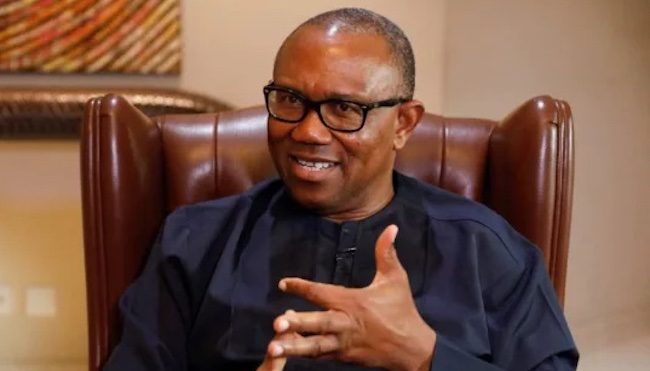
Following reports about a proposal to purchase new aircraft for the use of President Bola Ahmed Tinubu and Vice President Kashim Shettima, Peter Obi, the Labour Party (LP) presidential candidate in the 2023 elections, has faulted the proposal saying it amounts to impunity and insensitivity.
Earlier, the House of Representatives Committee on National Security and Intelligence had asked the federal government to immediately purchase new airplanes for the use of Tinubu and Shettima.
The Committee made the call in a report issued after its technical subcommittee conducted a hearing on the status and airworthiness of aircraft in the Presidential Air Fleet (PAF).
Reacting to the development, Obi, in a statement published on Monday on X, said the proposal for a new aircraft “highlights the disconnect between the government and the people”.
“With rising insecurity, poverty, hunger, and homelessness, this decision highlights the disconnect between the government and the people,” Obi wrote.
“It is unacceptable and demands a more compassionate use of resources, prioritizing citizens’ welfare.
READ ALSO:Peter Obi may return to PDP, if…, former LP campaign DG, Osuntokun, reveals condition
“It’s on record that our presidential jets have an average age of 12 years, purchased when most Nigerians could afford basic necessities.
“Now, as our country faces significant challenges, including a high debt profile, our citizens are in even greater need.
“Instead of adding to our luxuries, we should be focused on alleviating their suffering and finding solutions to their problems.
“For long, our bad leadership has made our priorities, as leaders, to be at variance to the needs of society, which is why we are headed now south as a nation.”
The former Anambra governor also faulted the construction of a N21 billion official residence for Shettima amid economic hardship.
“To elucidate further, despite dropping down to the fourth-largest economy in Africa, with a GDP of $252 billion and a per capita income of $1,080, with huge debt burdens and borrowing to service debts, yet we are spending $15 million for our Vice President’s residence, while the USA, the world’s largest economy with a GDP of $25 trillion, about 100 times our GDP, and a per capita income of $80,000, about 80 times ours, still houses their Vice President in Number 1 Observatory Circle, a house built over 100 years ago and whose value is obviously less than the $15 million we are spending on our VP’s residence.”
Obi said it is time for the political class to stop “recklessness” and focus on the needs of the people.
By: Babajide Okeowo
The post Obi faults plan to buy new presidential aircraft, tags it insensitive in face of present economic hardships appeared first on Latest Nigeria News | Top Stories from TVN.
Fubara directs admin heads to take charge of 23 LGs
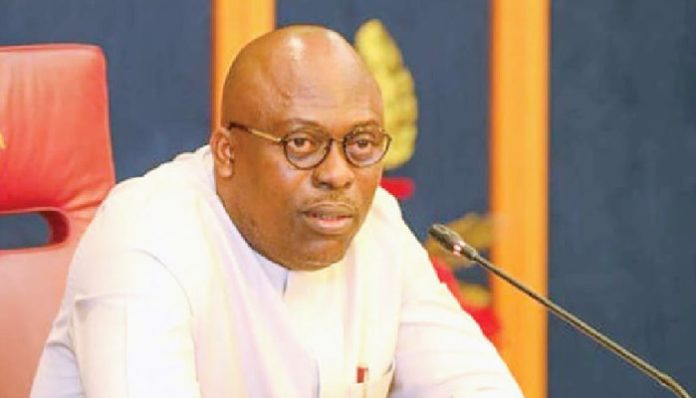

Rivers State Governor, Siminalayi Fubara, has directed Heads of Local Government Administration to immediately take charge of the 23 council areas of the state.
This follows the expiration of the three-year tenure of the elected local government chairmen, vice chairmen and councillors on Monday, June 17, 2024.
Fubara gave the directive in a statewide broadcast on Tuesday morning.
The broadcast was captured in a statement issued by the Chief Press Secretary to the Governor, Nelson Chukwudi, and made available to newsmen on Tuesday.
The governor said, “I wish to acknowledge and commend the dedicated services of the outgoing elected local government chairmen, vice chairmen and councillors who were elected and sworn in three years ago, and whose tenure expired yesterday the 17th of June, 2024, as provided for by the law.
“On behalf of the government and the people of Rivers State, I thank you all for your sacrifices and commend your commitment to public service and our dear Rivers State.
“I congratulate you all for the successful completion of your tenure and wish you well in your future endeavours.
“As we move forward in making sure that the constitution of the Federal Republic of Nigeria is upheld, and that law and order is maintained as we continue to strive to provide leadership and direction for our people, I hereby direct Heads of Local Government Administration to continue to provide leadership in their respective local government areas.
“Heads of Local Government Administration (HLGAs) are hereby directed to immediately take charge of the councils with renewed vigour and readiness to serve and await further directives as we navigate towards even greater accomplishments together. ”
The governor promised to continue to defend the people of the state and provide basic amenities for them.
He added, “I assure you, my good people of Rivers State, that we shall continue to defend you, provide infrastructural development, sound healthcare delivery, quality education and undiluted welfare service packages for all our people and workers.
“Once again, I thank you, my dear good people of Rivers State, for your steadfast support and dedication to our shared vision of unity, progress and prosperity.
Following the expiration of the tenure of the local government chairmen in the state, some youths in the Degema and Asari-Toru LGs of the state on Monday took over the council headquarters.
Also, there was a huge security presence in Port Harcourt City Local Government Area and Obio/Akpor LG to prevent security breaches.
Meanwhile, the outgoing chairman of Eleme LG, Obarilomate Ollor, warned those eager to throw him out of office not to come close to the council, saying they will be resisted.
Yobe police arrest notorious terrorist gang leader
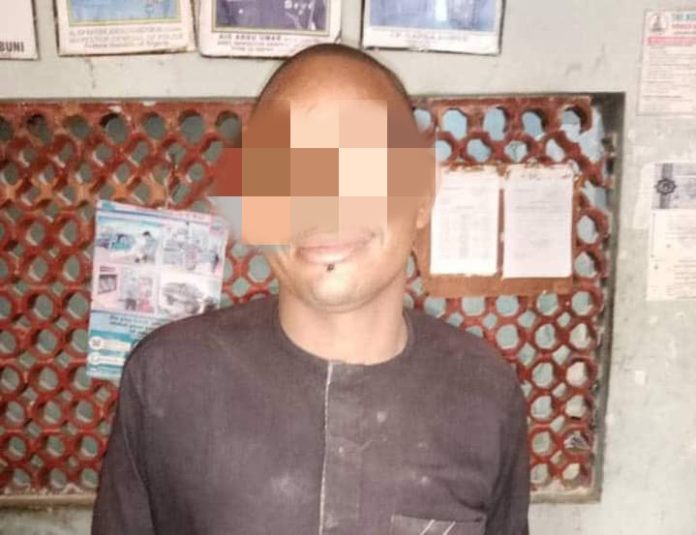

The Yobe State Police Command has announced the arrest of a 40-year-old leader of a notorious terrorist gang, Haruna Mohammed.
According to the state Police Public Relations Officer, Dungus Abdulkarim, in a statement shared on Facebook on Monday, Mohammed was apprehended by men of the State Intelligent Department on June 16 in Nangillam village, Tarmuwa Local Government Area.
The statement read, “Haruna Mohammed, a 40-year-old resident of Lantewa Village, Tarmuwa LGA, has been apprehended by the State Intelligent Department (SID).
“Mohammed, a gang leader, specialises in demanding money and valuables from victims through menacing phone calls, threatening death, or harm.
“The command had been tracking Mohammed for his involvement in terrorising towns, villages, and neighbouring states.
“A victim from Siminti Village, Lantewa, Tarmuwa LG reported that Mohammed demanded N3m or threatened to kill him and his family.
“In an intensive intelligent operations, on 16th June 2024, at about 1415hrs, detectives from the SID, in a coordinated operation, arrested Mohammed in Nangillam Village, Tarmuwa LGA.
“The suspect confessed to the crime and implicated other syndicate members, who are currently being trailed by the police.”
The police urged communities to report security breaches promptly, assuring that they are committed to stamping out criminal activities in Yobe.
CPPE laments, says Tinubu’s committee on food security yet to impact prices

Following the soaring prices of food items in the market, the Centre for the Promotion of Private Enterprise (CPPE) has lamented that the President Bola Ahmed Tinubu’s committee on food security has yet to bear any impact on rising prices of food in the country.
Muda Yusuf, the Director of CPPE, made this known in a recent statement reacting to Nigeria’s latest headline and food inflation in May 2024, which stood at 33.95 percent and 40.66 per cent, respectively.
Earlier, President Tinubu had set up a committee to address Nigeria’s food security challenges.
Few months after the establishment of the committee, CPPE lamented that the purchasing power of Nigerians had continued to drop amid the untamed inflationary pressure.
READ ALSO:FG injected ₦309bn into agriculture in one year to boost food security —Minister
According to the economic think-tank group, drivers of Nigeria’s inflation include the depreciating exchange rate, surging transportation costs, logistics and supply chain challenges, forex market volatility, energy costs, climate change, insecurity in farming communities, seasonality of agricultural outputs, and structural bottlenecks to production.
“Regrettably, inflation drivers are not receding. There is also the factor of seasonality of agricultural outputs, which triggers seasonal price surges in some food crops. It is important to stress that insecurity in farming communities remains a major factor in disrupting agricultural production and perpetuating the food supply crisis.
“The food security situation is frightening and requires an urgent and emergency response. Meanwhile, the impact of the Presidential Committee on Food Security is yet to be felt. We believe that the proposals contained in the government’s Inflation Reduction and Price Stability Plan will have a significant impact in moderating inflationary pressures if implemented. We request that the plan be urgently implemented.
“The government could review the tariff policies by granting concessionary import duty on intermediate products for industrialists. The same is true for investors in the logistics sector. Some of these measures are already contained in the draft Accelerated Economic and Sustainability Plan proposed by the Coordinating Minister of the Economy,” he stated.
By: Babajide Okeowo
The post CPPE laments, says Tinubu’s committee on food security yet to impact prices appeared first on Latest Nigeria News | Top Stories from TVN.
How to overcome mobile spyware threats


In today’s digital landscape, individuals and corporate organisations face cyberattack threats. DANIEL ADAJI explores ways to detect and prevent spyware infections on mobile devices
Spyware attacks are common, though unknown, to many unsuspecting internet and mobile device users. As we entrust our smartphones with our most personal conversations, financial transactions, and professional secrets, the stakes have never been higher.
The threat of spyware—a type of malware designed to infiltrate your device and monitor your actions without your consent—has become a critical concern.
The rise of remote work, the necessity of online transactions, and the prevalence of social media have transformed our mobile devices into repositories of sensitive personal and professional data.
This shift has not gone unnoticed by cybercriminals, who are constantly devising new methods to exploit vulnerabilities in our digital armour.
Cybercriminals are interested in using spyware for various malicious purposes, including:
Stealing sensitive information: Spyware can be used to steal personal data, such as login credentials, credit card numbers, and other sensitive information.
Identity theft: Spyware can be used to steal personal information, such as names, addresses, and social security numbers, which can be used for identity theft.
Ransomware attacks: Spyware can be used to deploy ransomware, which encrypts a victim’s files and demands payment in exchange for the decryption key.
Malware distribution: Spyware can be used to distribute other types of malware, such as viruses, Trojans, and botnets.
Data selling: Spyware can be used to collect and sell personal data, such as browsing history, search queries, and other online activities, to third-party companies.
Personal gain: Spyware can be used for personal gain, such as stalking, harassment, or other forms of cyberbullying.
It’s important to note that spyware is a violation of privacy and can cause significant harm to individuals and organizations. It’s essential to be aware of the risks and take necessary precautions to prevent spyware infections.
Understanding Spyware Types
To combat spyware effectively, one must first understand its various forms. Each type of spyware has its unique characteristics and methods of intrusion:
Adware
Adware is often seen as a nuisance rather than a direct threat. However, by tracking your online behaviour—including browser history and downloads—adware can paint a detailed picture of your interests and preferences. This information is typically used for targeted advertising but can also be exploited for more nefarious purposes.
Trojans
Trojans are among the most deceptive forms of spyware. They masquerade as legitimate software or files, enticing users to install them. Once inside your device, they can wreak havoc, stealing sensitive data or causing systemic damage. These insidious programs often infiltrate mobile devices through seemingly innocuous apps or email attachments.
Internet tracking
This form of spyware keeps tabs on your web activities, such as browsing history, search queries, and online interactions. While advertisers commonly use this data to customise ads to your preferences, it can also lead to significant privacy breaches if acquired by malicious actors.
System monitors
System monitors represent the pinnacle of spyware invasiveness. They record every action on your device—every keystroke, email sent or received, and app interaction. This comprehensive surveillance can be exploited for identity theft, financial fraud, or corporate espionage.
Protective measures against spyware
The best defence against spyware is a combination of vigilance and robust security measures:
Reliable security software
Ensure that your mobile device is equipped with reputable antivirus and anti-spyware software. Keep these tools updated to defend against the latest threats. They serve as an early warning system, detecting and neutralizing spyware before it can do any damage.
Exercise caution online
Maintain a high level of awareness when browsing the internet or engaging with emails and links. Steer clear of dubious websites and refrain from downloading files from unverified sources. Phishing emails are a common vector for spyware distribution; always verify the authenticity of any communication requesting personal information or urging you to click on a link.
Secure your mobile devices
For both Android and iOS users:
Keep your phone with you
Treat your phone as you would any valuable possession. Leaving it unattended in public places invites theft and unauthorised access.
Use strong passwords or biometric locks
Protect your device with a robust password or PIN, or take advantage of biometric authentication methods like fingerprint or facial recognition.
Avoid basic PINs or pattern combinations
Simple PINs or predictable patterns can be easily deciphered by attackers. Opt for complex combinations that are difficult to guess.
Meanwhile, to further enhance your mobile security, it is important to regularly update your operating system and apps to ensure you have the latest security patches and features. Using a Virtual Private Network is also recommended, as it encrypts your internet traffic, making it more difficult for spyware to intercept your data. Regularly backing up your important data is also crucial to prevent losses in case your device is compromised or lost.
Enabling two-factor authentication is another important step in securing your device and accounts. 2FA requires both a password and a second form of verification, such as a code sent to your phone, to access your device or accounts. This adds an extra layer of security to prevent unauthorised access.
When using public Wi-Fi, it is important to be cautious and avoid accessing sensitive information, as these networks may be vulnerable to hacking. Keeping an eye on your device’s behaviour and investigating any suspicious activity, such as unfamiliar apps or unexpected battery drain, can also help detect potential spyware infections.
Staying informed about the latest spyware threats and security measures is crucial in maintaining your mobile security. Sharing your knowledge with others can promote a culture of cybersecurity awareness and help prevent spyware attacks.
Regularly updating your operating system and apps is a critical step in maintaining mobile security. This ensures that you have the latest security patches and features to protect against spyware and other cyber threats.
Additionally, using a VPN provides an extra layer of security by encrypting your internet traffic, making it more difficult for spyware to intercept your data.
Backing up your data regularly is also crucial in case your device is compromised or lost. This ensures that your important data is safe and can be easily restored. Enabling two-factor authentication adds an extra layer of security to prevent unauthorized access to your device and accounts.
Setting trackers on your phone for emergency response
As you strive to keep your devices secured from spyware, it is also necessary to be aware of your physical security by setting necessary trackers that will help you in case of emergency.
Mobile devices not only keep us connected with our loved ones but also provide us with a sense of security. One of the most significant features that contribute to this sense of security is the ability to set trackers on our phones for emergency response.
What are phone trackers?
Phone trackers, also known as emergency location services, are features built into smartphones that allow users to share their location with designated contacts or emergency services in case of an emergency. These trackers use GPS, Wi-Fi, and cellular data to provide accurate location information, making it easier for responders to locate the user in need.
Why set trackers on your phone?
Setting trackers on your phone is crucial for various reasons:
Emergency response
In situations like accidents, assaults, or medical emergencies, every second counts. Phone trackers ensure that help arrives promptly, reducing response times.
Personal safety
Trackers provide an added layer of protection, especially for individuals who live alone, travel frequently, or work late hours.
Peace of mind
Knowing that you can quickly share your location with loved ones or emergency services in case of an emergency can provide immense peace of mind.
How to set trackers on your phone
Setting trackers on your phone is a straightforward process, varying slightly depending on the device and operating system you use. Here’s a step-by-step guide:
For Android users
Go to your phone’s settings and select “Location” or “Security.”
Look for the “Emergency location” or “Emergency contacts” feature and toggle it on.
Select the contacts you want to receive your location information and add their phone numbers or email addresses.
For iPhone Users:
Open the “Settings” app and scroll down to “Privacy”. Select “Location Services” and toggle it on. Look for the “Emergency SOS” feature and toggle it on. Select the contacts you want to receive your location information and add their phone numbers or email addresses.
Popular phone tracker Apps
While built-in trackers are convenient, third-party apps offer additional features and customisation options. Some popular phone tracker apps include:
Life360 (Android, iOS); Find My Friends (Android, iOS); GPS Phone Tracker (Android) and Find My iPhone (iOS).
Benefits of phone trackers
Phone trackers offer numerous benefits in emergencies:
Accurate Location Information: Trackers provide precise location data, making it easier for responders to locate the user in need.
Quick Response
Phone trackers ensure that help arrives promptly, reducing response times.
Enhanced Safety
Trackers provide an added layer of protection, especially for individuals who live alone or work late hours.
Peace of Mind: Knowing that you can quickly share your location with loved ones or emergency services in case of an emergency can provide immense peace of mind.
Additional features of phone trackers
While the primary function of phone trackers is to share location information, many apps offer additional features, including:
Panic Buttons: Allow users to send emergency alerts with a single button press.
Location Sharing: Enable users to share their location with friends and family for a specified period.
Crash Detection: Automatically detect severe crashes and send alerts to emergency services.
Medical Information: Store medical information, such as allergies and medical conditions, for emergency responders.
Tips for using phone trackers effectively
Ensure your phone’s location services are always enabled.
Designate multiple contacts to receive emergency alerts.
Regularly test your phone’s tracker feature to ensure it’s working correctly.
Consider investing in a wearable device with built-in tracking features.
Phone trackers can provide an added layer of protection and safety for individuals in emergencies by utilising their features. However, it is crucial to recognise that phone trackers should not be relied upon as the sole means of safety, and traditional safety precautions, such as carrying a phone charger, having a backup power source, and being aware of one’s surroundings, are still essential.
Additionally, understanding the various forms of spyware and implementing robust security measures can significantly reduce the risk of spyware attacks, which is vital in today’s digital landscape, where cyber threats are constantly evolving. Therefore, it is imperative to be vigilant and take proactive security measures to protect your mobile security, and not wait until it is too late.
