The United States Secret Service has said the assassination attempt on former President Donald Trump at Butler Pennsylvania is under investigation.
Anthony Guglielmi, Chief of Communications of the Secret Service disclosed this in a statement on Saturday.
The Secret Service explained that the shooter fired multiple shots toward the stage from an elevated position outside of the rally venue.
It stated that US Secret Service personnel neutralized the shooter, who is now deceased.
The Secret Service added that the former president, Trump, is safe and being evaluated, stating that one spectator was killed, two spectators were critically injured.
Full text: “During former President Trump’s campaign rally in Butler, Pennsylvania on the evening of July 13th at approximately 6:15 p.m., a suspected shooter fired multiple shots toward the stage from an elevated position outside of the rally venue.
“US Secret Service personnel neutralized the shooter, who is now deceased.
“US Secret Service quickly responded with protective measures and the former president is safe and being evaluated. One spectator was killed, two spectators were critically injured.
“The incident is currently under investigation and the Secret Service has formally notified the Federal Bureau of investigation.”
Trump assassination attempt: Shooter killed – US Secret Service
Trump assassination attempt: Shooter killed – US Secret Service

Ajibola Ogunshola: Triumph of the non-newspaperman
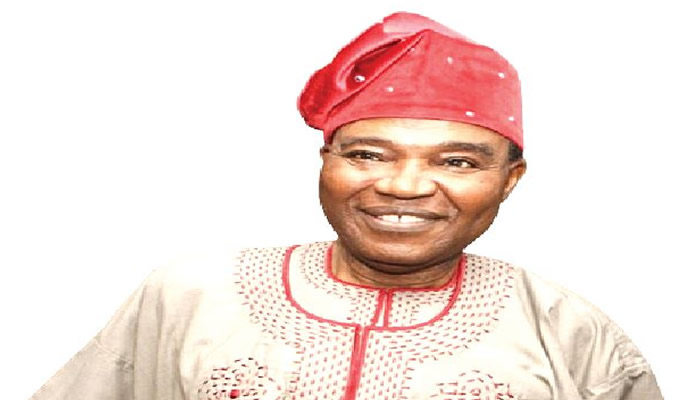

I’ve written this before. Ten years ago, but this man’s story is new every time. To me. And to many who have crossed his path. On his 80th birthday today, I’m repeating this story with the zeal and delight I shared it ten years ago:
If the lot had fallen on ChiefAjibolaOgunshola to be the undertaker, not many would have blamed him for the fate of According.
He was 40 when he was appointed director.Though he was a star in the insurance world (former Managing Director of Niger Insurance) and one of Africa’s leading actuaries (a consultant to the UN on pensions), he did not know jack about newspapers, if you get what I mean.
For the three months thatI worked in According as an intern in 1986, after Olatunji Dare’s note paved the way, our paths did not cross. The Aboderin family was still in turmoil after the passing of the founder, James OlubunmiAboderin, in 1984 at 49 years of age.
Aboderin, an accomplished accountant at National Bank, was an extraordinary man whose presence and legacy were legendary. At the time, co-founder Sam Amuka (fondly called Uncle Sam) had left, but a relic of his time, like the famous armchair tucked away in a room in the last office at the old wooden building, was still there.
After the founder’s death, Ogunshola’s half brother, Moyosore Aboderin, who took over, invested quite a fortune to turn the company around, but the prospects remained bleak. The destiny of the Aboderin publishing empire – quite formidable in its heyday – now rested mainly on the shoulders of a 43-year-old non-newspaperman.
I returned in 1989, this time as a reporter. At that time, you could gauge the public mood or government temperament by the writings of newspapermen, whether in the Tribune, Sketch, Triumph, DailyTimes, New Nigerian, Newbreedor Newswatch.
According was also a significant force. On the Boardwere the likes of Dr Lekan Are and Lolu Forsythe, who, together with those in the editorial department, especially Najeem Jimoh and Ademola Osinubi, would be instrumental in helping Ogunshola rebuild in the years ahead. However, the company’s redemption was simply and squarely the burden of this non-newspaperman.
He turned this “disadvantage” into an incentive. He became an avid consumer of the news and how it is produced, distributed and consumed, letting facts and figures show the way.Most of all, whenever decisions were made, he ensured execution with ruthless efficiency.
I learnt of one rare occasion when Dr. Are – perhaps the most feared and respected in equal measure on the Board – brought an advert for publication. Are handed the copy to the editor (in the presence of Ogunshola) and asked him to publish the next day. There was no discussion of payment. The Editor was afraid to ask.
When Are left the office, Ogunshola asked the editor about payment.
“I didn’t ask him, sir,” the editor replied.
“Well, go and tell him it will be paid for.”
The editor rushed after Are, who returned with him to the office, obviously upset.
He asked Ogunshola if he sent the editor after him.
“I did, boda,” Ogunshola reportedly responded firmly but politely. “You remember that we agreed at the Board meeting that all adverts must be paid, without exception.”
Are opened his wallet and wrote the cheque.
I am trying to remember which of my stories or feature articles first caught Ogunshola’s attention.I was a small fry, unconcerned about what was happening at the top. But, somehow, Ogunshola noticed.
After I had been in the According for nearly one year, the Editor, Osinubi, told me that the chairman was gathering materials for a book. He wondered if I could help with research.
I was confused. At the time, Ogunshola had the reputation of a taskmaster amongst staff. When he took over as Chairman, he sacked 400 or so of the 600 staff members in one day. I thought sending me to his Ajele, Lagos office was putting me on the supplementary sack list.
But I met a completely different man. He is challenging, deep and engaging – a man who calls a spade by its first name. I spent the next 18 months in his office researching, asking questions and taking notes. This was the inside story of how court battles, family feuds and not a few frenemiesbrought Aboderin’s dream dangerously close to the edge.
We toyed with a few names for the book, and I think he finally settled for Against All Odds – a fitting title for a book that never was.
If he didn’t restart the book on his 70th birthday, it’s improbable he would do so now.
“I have cleared my library substantially,” he told me at the height of COVID-19 in 2021. “I do only essential reading and retain the most important records.”
He has left a trove of living words in my heart with chapters to read for a lifetime. I still have one of his lectures, “Lessons from the 2014 National Conference,” delivered at the Second Chief Chris Ogunbanjo Lecture Series on May 18, 2017.
I believe there is no better summary of the National Conference than the one provided in Ogunshola’s 16-page lecture. I have carried it in my bag for seven years and used it very often, especially on matters related to restructuring.
Before measurement became a hot topic at international journalism conferences, Ogunsholainsisted that “what cannot be measured cannot be rewarded”. He infused According with the values of innovativeness and a near-obsession for rational thinking. His work ethic makes you strong if it doesn’t kill you.
He is a man of strong views. He resents tardiness, collectivism and all shades of intermediariesin a way that reminds me of Thomas Sowell’s contempt for collective bargaining.
He waged trade wars against newspaper agents and advertising agencies for fairer commissions or more transparent practices. Some of these were solo wars, which earned him powerful enemies, while a few were under the umbrella of newspaper publishers, of which he was president.
Apart from the crisis after the death of the founding chairman, perhaps one of the most challenging wars was the one against the military. According was shutdown thrice, the third and longest being under General Sani Abacha, which lasted 18 months.
There was pressure on Ogunshola to beg Abacha. He refused, insisting that the newspaper had done nothing wrong. It was a very, very tough call. I remember him saying afterwards, “If the closure had continued for another three months, the paper would have gone down irretrievably.”
But he stood his ground, and the rest is history.
At 80, he is slowing down. But thanks to a lifestyle of moderation, contentment, and empiricism– a decent amount of money to keep him as well as he can be at 80 – he looks good for another 10, at least.
The non-newspaperman has paid his dues, with some change to the bargain.
Long may your legacies endure, Ba’royin of Ibadan!
- Ishiekwene is the Editor-In-Chief of LEADERSHIP
Oba Olakulehin crowned as 43rd Olubadan
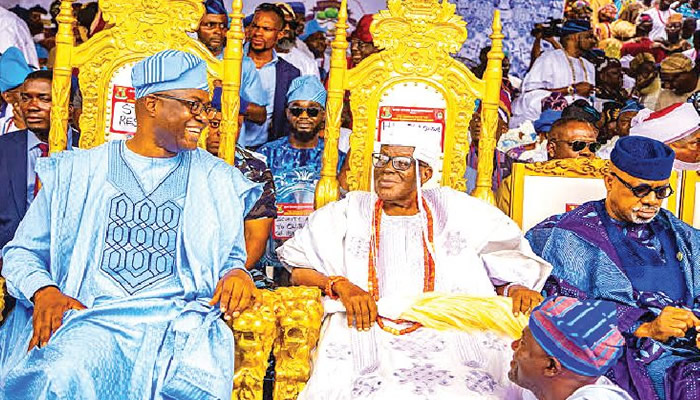

Oba Owolabi Olakulehin has finally been crowned the 43rd Olubadan of Ibadanland, and was presented with the staff of office by Governor Seyi Makinde of Oyo State on Friday, July 12, 2024.
The venue was packed with residents who trooped out in their numbers to witness the ceremony.
A welcome address was delivered by the Secretary to the Oyo State Government, Olanike Adeyemo; while the citation of the Olubadan was read by Chief Toye Arulogun.
The newly crowned monarch had begun the coronation rites with a tour of the Oluwo Labosinde Compound at Oja’ba, where he performed traditional rites, before heading to the Ose Meji Shrine, where he was crowned as the new Olubadan of Ibadan land. He then moved to the iconic Mapo Hall where he was presented with the staff of office and instrument of office by Governor Seyi Makinde.
Prior to Friday’s coronation, the newly completed Olubadan palace and the official residence of the Olubadan, located at Oke-Aremo, was commissioned by Makinde on Wednesday.
Also, as part of events leading to the coronation, the Egungun-Amala-Fuji Festival was held at Lekan Salami Sports Complex, Adamasingba, Ibadan, on Thursday, July 11, 2024.
After the governor presented the staff of office to the Olubadan at the main event, the monarch appreciated the president, governors and other dignitaries who felicitated him. He also prayed for the prosperity of the land and the people of Ibadan.
The crowning took place at the Labosinde compound, and was attended by Ogun State Governor, Dapo Abiodun; a former Oyo State Governor and member of the Olubadan-in-Council, Rashidi Ladoja; the Ooni of Ife, Oba Adeyeye Ogunwusi; the Sultan of Sokoto, Sa’ad Abubakar; Deputy Governor of Osun State, Kola Adewusi;; the Deputy Governor of Osun state representing the governor of Osun State, Kola Adewusi, and a former Senate Leader, Teslim Folarin, among others.
Others include the representative of President Bola Tinubu and the Minister of Power, Adebayo Adelabu; Lagos State Chief of Staff, Tayo Ayinde; representative of the governor of Ondo State, the Deputy Governor of Ondo State, Olayide Adelami; Oyo State Deputy Governor, Bayo Lawal; Vice Chancellor of the First Technical University, Adesola Ajayi, and others.
Why quality of life, healthcare have not improved despite increased government budgets — Septuagenarian physician
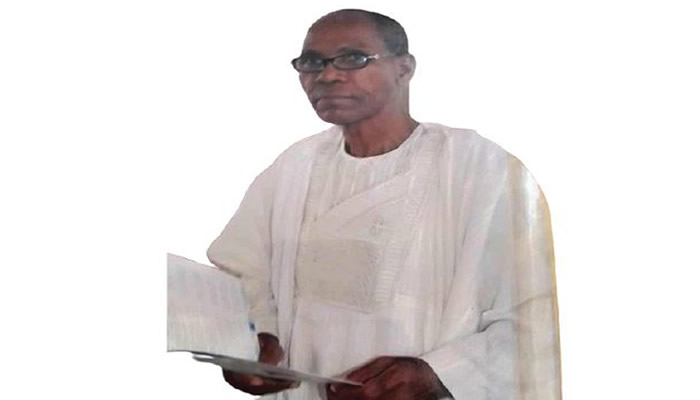

A 78-year-old retired medical practitioner, Dr Ademola Dixon, in this interview with JANET OGUNDEPO, speaks about his biography; “Age Gracefully” and the state of the nation’s health sector
How did your medical journey begin?
My name is Dr Ademola Dixon. I am 78 years old. After over two years in the service of the Lagos State Government, I resigned to join Mt Sinai Hospital, Lagos, in 1978. In 1992, I became the pioneer Medical Director, managing when the hospital was incorporated. Following a reorganisation in 2011, I became the Medical Director, Finance, until my retirement in 2019. After retirement, I wrote my biography titled “Omo Eko” at the prompting of my editor, Pa Modupe Oduyoye. I also documented my experiences in medical practice from 1974 to 2015. Along with three other resource persons, the book “Age Gracefully: Why and How to Live Long and Age Gracefully” was published in 2023.
As a retired physician, what can you say about the current state of the health sector compared to when you were practising?
The present state of medical practice reflects the state of the nation, with challenges that remain daunting and overwhelming. The major culprit is overpopulation, which exceeds our capacity to sustain effective healthcare delivery services.
While the geographical area of Nigeria has not changed since 1960, the livable space has reduced considerably due to increasing desert encroachment in the northern states, insurgency, and banditry, predominantly in the North, and unabated migration of people from rural to urban areas. This has resulted in overcrowding in major towns and state capitals, with many people residing in unplanned communities commonly known as slums in our major cities.
These developments have negatively affected and drastically reduced food production, leading to chronic malnutrition and malnourishment among our people. Poor nutrition, especially low protein intake, reduces immunity levels and resistance to infections, which commonly cause preventable deaths.
Nigerians have a significantly shorter lifespan compared to other countries: 53 and 61 years, compared to 79 years in Costa Rica and Cuba, and 81 years in the United Kingdom.
The annual budget of the Federal Government of Nigeria, the 36 states, and 774 local governments has risen considerably since 1999. Unfortunately, the quality of life, and access to food, water, shelter, education, and healthcare has not improved significantly. More funds are allocated to general administration, bureaucracy, road and bridge construction, flyovers, and the building of offices and residences.
In his 1973 book, “How Europe Underdeveloped Africa,” Walter Rodney asserted that in most African countries, general administration is the major industry.
The mass exodus of health practitioners has further reduced the quality of healthcare services. What needs to be done to revive the sector?
We need to examine the basics of governance, education, and health. The exodus of health practitioners, occurring randomly, reflects governance issues. With more care and wisdom, the migration could have been better managed. India produced medical doctors for “export” to generate foreign exchange in the 70s/80s, and we can emulate this practice. We could envisage a scenario where some of our doctors work overseas, remitting foreign exchange while honing their skills. These doctors, with enhanced expertise, would be more inclined to return to the country if, from the outset, the government actively supported them.
How will the mass departure of experienced trainers and consultants affect the quality of training for new doctors?
It is a pity that we are now reaping the fruits of over 50 years of neglect in the health sector, but there is no use crying over spilt milk. We can and should retrace our steps. It is never too late to turn back, even if we have been on the wrong path for that length of time.
The exodus of experienced trainers and consultants is very devastating. With the right mix of incentives for those who have chosen to remain in the country, we can mitigate the damage. In the interim, addressing the obstacles that hinder us from actively participating in governance can help reverse the debilitating effects of existing structures.
With processed foods becoming more prevalent over traditional local foods, how can Nigerians maintain a healthy lifestyle and age gracefully?
You have again raised the role of the educated mind, which is our capacity to appreciate the negative effects of bad habits. In any case, don’t forget that the healthcare delivery system, family medical history, lifestyle, and environment are factors influencing each individual’s health status.
The role of health education is critical, as an educated mind will respond positively to these factors and do what is necessary to enjoy robust health. The greatest impediments in life include various forms of addictions, cravings, lusts, and addictions to unwholesome foods. Our dieticians and health educators must guide us on how to overcome these challenges. That is why continuous health education is necessary.
In your book, “Age Gracefully: Why and How to Live Long and Age Gracefully,” you mentioned the principles needed to increase the overall lifespan of men and women. How can this be achieved?
Our genes play a significant role in determining how long we live. Longevity runs in some families, independent of diet and lifestyle, among other factors. However, the majority of us may not naturally be endowed with long life. There are indeed necessary practical steps to promote a long life and age gracefully.
These steps include tracking your family’s medical history to see how long they lived, dating back one or two generations. Also, examine your lifestyle for clearly injurious habits, such as smoking, alcohol abuse, and cravings that can lead to illness. We need both physical and spiritual efforts to tame our appetites, lusts, and excessive libido.
Make sure you live in a healthy and clean environment and undergo periodic medical check-ups to determine your health status. Furthermore, avoid a sedentary lifestyle and unnecessary stress while trying to live “a good life.” Avoid self-medication, ensure adequate rest, and take care of your body from head to toe.
Additionally, it is customary to plan for retirement. The usual emphasis is on creating a retirement plan, an egg nest to ensure a blissful life in retirement. This includes having a trust to manage physical acquisitions, such as stocks and profit-yielding assets, to ensure comfort in retirement. This will certainly promote longevity and graceful ageing.
In addition to physical assets, we should equally address the spiritual aspect of our being. After the age of 75, life can become boring and monotonous, irrespective of one’s physical acquisitions. Thus, the spirit needs to be nourished daily through whatever means are at our disposal.
At 75, there is a need for stocktaking, what legacies are we leaving behind?
Life in all seasons must have a purpose. We can always seek avenues to be more relevant to our family, friends, and community at any age. We should strive to leave a lasting legacy.
Ageing gracefully entails a lifelong walk with our Creator. It is a process during which we create a spiritual asset that will continually replenish our frail body from the wear and tear of growing old. The inner mind is more resilient, and if regularly nurtured, it is an engine that must be serviced without fail. No price is too high for doing so.
Seeing how Nigeria and the health sector fared during COVID-19, what lessons have been learnt and can be implemented for pandemic preparedness?
COVID-19 exposed the limitations and challenges of tremendous advances made over the centuries in curative medicine and modern healthcare services. Fortunately, the damage in African countries was less severe relative to advanced countries. What could have caused this disparity in the number of victims between Africa and these other countries? There is also the startling revelation that people of colour in the United States of America and the United Kingdom succumbed relatively more than the white population.
Not being a medical scientist or researcher, I can only hazard guesses. The famous COVID-19 victims in Nigeria were people of affluence; among them were a serving state governor, a senator, and the former chief of staff to the immediate past president. The role of exercise is also significant. While Caucasians are free, unencumbered, and acclimatised to temperate climates, enjoying leisurely walks in all seasons, people of colour in the UK and USA, originally from tropical Africa, are cold intolerant. They are inclined to stay indoors when it is cold, leading to a sedentary lifestyle with its attendant damage to health.
The lessons we must learn include moderating our appetite for Western food and diet. We must encourage our affluent Nigerians, especially their children, to avoid this practice. Prevention is better than cure. Another lesson is our level of preparedness in terms of facilities to manage future pandemics. We must shift our focus. There is an urgent need to establish comprehensive preventive healthcare facilities in our communities so that any possible outbreak of contagious diseases can be contained speedily at this level, preventing spread.
Fortunately, the Alma-Ata Declaration of 1978 spelt out the modality for setting up an effective healthcare delivery system. If embraced and fully implemented, our communities will become centres of development and effective governance. As citizens, we need to develop the willpower to do what is necessary at all levels of governance.
What specific steps can the health sector take to mitigate the negative effects of future pandemics?
The health sector, on its own, can do very little unless there is a drastic change in governance. For the last 25 years, there has been much discussion and agitation for the devolution of powers, with the usual demand being to devolve more resources from the centre to state and local governments.
Unfortunately, our experience over the same period has clearly shown that the emphasis at all three levels of government is currently and persistently on infrastructure. When a hospital is built, the focus is on constructing large edifices at a huge cost. After construction, there is little left to equip the facility and pay professional staff adequately.
There ought to be a focus on the development of schools, health facilities, markets, sanitation, and security. Infections constitute a major cause of illness in Nigeria, so public health deserves more attention and resources at the communal level.
As a student of history, I recall that Lagos in the 1950s was so well administered that it was voted the cleanest town in the British Commonwealth of 56 nations in 1952. This feat was a result of effective urban planning by the colonial authorities. Public health was taken very seriously after the bubonic plague epidemic in Lagos between 1924 and 1930. Dr Isaac Ladipo Oluwole, of blessed memory, was the foremost public health physician of that glorious era. He was the architect of impressive initiatives such as founding the School of Health Services in 1925, located at the corner of Broad Street and Ajele Street for the training of sanitary inspectors, commonly called wole wole. He also established the Infectious Disease Hospital in Yaba and the Massey Street Children’s Hospital in Lagos, among others.
Health and education must be promoted at the communal level to ensure a longer lifespan for our people. Ultimately, the provision of life’s necessities — food, water, and shelter — should be done with the full participation of citizens in various communities.
Why Lagos won’t provide homes for flood victims — Govt
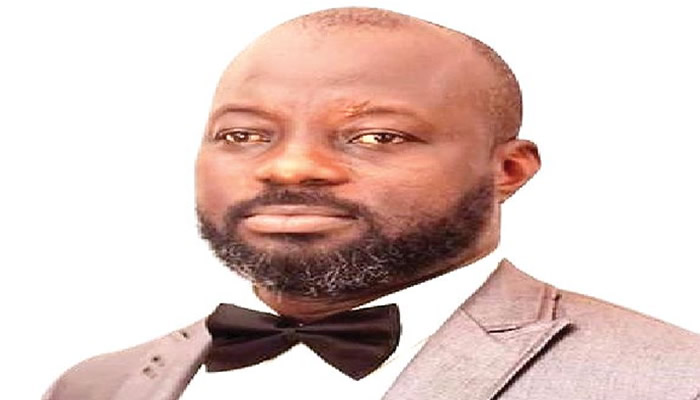

Special Adviser to the Lagos State Governor on Environment, Olakunle Rotimi-Akodu, speaks with VICTORIA EDEME about the strategies for addressing flooding and the cholera outbreak in the state
What strategies has the Lagos State Ministry of Environment implemented to address the issue of flooding during this rainy season?
As a state, the first strategy is an awareness campaign. Whatever you plan to do, the people must be involved. They shouldn’t be caught unawares. Previously, we sent out meteorological reports daily, but nobody paid attention. Now, we are taking a step further to explain what the reports mean and how to read and interpret them. Earlier this year, it was reported that precipitation would be slightly above average. For those living around the wetland areas of the state, which are prevalent, we have advised them to start moving. It’s a recurring event. Typically, every year they move when the floods arrive. Currently, the expected flood volume this year is unusual, making it potentially hazardous not to take notice. Therefore, we’re educating these residents that they shouldn’t wait for the usual cycle because there could be an unexpected surge. Additionally, we are making significant efforts to clear water paths, canals, and exit points that have often been blocked.
Furthermore, we plan to have a situation room so that if there’s rain and a flood, we can all coordinate across different areas and know what actions to take. Citizens would know how to protect themselves, the whereabouts of our personnel, and how to contact them in emergencies.
How effective is the awareness programme that is being carried out?
For the work we have done so far, we’re receiving good feedback. However, the target audience is not yet fully engaged. The elites, social agencies, and those on social media are responding well. The people most affected are those not inclined towards social media, and some are illiterate or semi-literate. Therefore, in addition to electronic communication, our teams are now actively going into communities. They visit all these wetlands to educate residents on what to do and how to avoid being caught unexpectedly in floods. Based on direct interactions, we are receiving positive feedback.
You mentioned that people have to switch locations when the floods are coming. Are there any plans to provide stable accommodation for such persons?
The government is not currently providing an alternative. This is their regular practice, part of their usual cycle. Regarding preparing a place for them, we are working towards reaching that stage. The government is responsive and ready to alleviate the plight these people are going through, but it must be done with proper planning. Otherwise, we risk taking on more than we can handle. We have made efforts by urging them to register with the Lagos State Residents Registration Agency scheme so that they can be included in planning. How many of them have done so? Only a few. Currently, there is no law directly prosecuting non-compliance, so we continue to appeal to them to register. Based on the data provided to LASRRA, we identify those living in the wetland areas and estimate how many people we need to make provisions for, not exceeding that number. Some individuals from other states may enter Lagos State without proper procedures, claiming they can reside here. When we accept some and not others, it creates additional issues. It could also stir up religious or tribal sentiments. Therefore, for now, we are not proceeding with providing provisions due to the potential negative effects and the risk of causing discontent among Lagos residents.
What areas in Lagos are flood-prone and why are they most affected by the downpour?
Lagos is a coastal state. We refer to it as a state of aquatic splendour, and we are determined not to turn that splendour into a nightmare. That’s why we’re making all of these efforts. We have many wetland areas. Some parts of Ogudu are very close to the water. Apart from the reclaimed and sand-filled areas, other residents living there are practically surrounded by water for almost nine months of the year. In Etiosa, aside from the reclaimed and sand-filled areas developed by the wealthy, other locals and disadvantaged people live directly in the water. The wetland areas are easily identifiable; their lands are consistently green with algae, fungi, and other aquatic plants. Some parts of the land are also sinking. Similar areas exist in Iyanaoworo and Badagry. Lagos is blessed with water, and we should aim to harness positivity from it.
Can you provide an update on the current status and effectiveness of the drainage systems across the state?
It was evident, though. There was a downpour for about 10 hours, and people became worried about the level of flood that came with it. But if you go and check those areas now, it seems like water never crossed that path. The reason is simple: the ministry has continued to do what is necessary. Floods will naturally come. When the rain stops, the water should drain off within three hours. If this doesn’t happen, something is wrong. It could be that the tidal level is still high or it’s still raining elsewhere, increasing the tidal level of the sea or water body.
Secondly, if floods persist longer than necessary, we must inspect all our exit points into the water, such as canals or manholes. Some people dispose of solid waste into the canal during rain, believing it will wash away, but this waste floats on the water. It accumulates in narrow paths, potentially blocking them. This impedes the discharge of floodwater into the water body, slowing it down or stopping it entirely, so the flood persists longer than expected.
How does the Ministry of Environment identify and address clogged canals and water exit points throughout the state?
Our personnel inspect manholes, canals, and collectors, tracing them to their exits into the lagoon. Sometimes, they find blockages causing water to struggle to pass. To reclaim these pathways, houses may need to be removed. For all areas we have reclaimed, the Governor promptly ordered construction to prevent reoccupation. Some residents believe that after the government removes structures, they won’t return for five years. Some rebuild their shanties and live there until the government demolishes them again. They seem to understand past governments and operate within that threshold. However, we reject this as outdated. Since opening these areas, the Governor contracted out all sites. Excavators and tractors are visible in many locations, clearing debris and opening canals. This is our current position, and we’re managing it. Identifying flood-prone areas isn’t difficult. Our teams visit and confirm dry conditions. We must continue clearing pathways; water finds its level naturally. Restricting flow raises water levels; restoring flow lowers them, allowing water to reach bodies of water. Water has no enemies; it becomes one if we treat it as such. We must maintain a good relationship with water: keep pathways clear, stop dumping waste, and ensure water flows easily in and out.
For those persons whose buildings affect the drainage system in the state, what could have been done in the first place to prevent such buildings in those locations?
We are not going to evade responsibility. The government will not claim innocence. However, it is not entirely to blame because every structure on those setbacks was warned. There were multiple notices stating that the area was unsuitable for their activities and that the government would take action one day. However, due to population growth, people occupied these spaces and did as they pleased. They outnumbered the government personnel available. In the past, there was no technology. Now, we are starting to use artificial intelligence, which quickly detects encroachments. Previously, it was mainly physical. The military engaged informants to report illegal construction. By the time we intervened, people had already moved to another illegal site. When this persisted, the system failed. If we issue warnings and do not return for a few years, occupants believe they have a right to be there. We warn them immediately upon arrival, but out of desperation, they find a way to settle. If we issue a new notice, occupants argue why they should stay. This disrupts city planning. Now, we use electronic monitoring systems. Our EGIS provides detailed information and identifies houses under high tension or within our alignment. Artificial intelligence and electric solutions improve efficiency and effectiveness. Many issues involve recent arrivals lacking funds for better housing, settling near wetlands and canals. Some have children who feel entitled to the land. When the government announces projects, sentiment arises. People question why alternatives were not found earlier. How did they settle there initially? They believe the government is unaware and has no plan. Few understand these issues. Initially, encroachers should be prevented from settling.
Are there any compensations for those whose homes were demolished due to the buildings being on the drainage channels?
The word ‘compensation’ is highly legal and connotes entitlement. So we’re careful when using the word ‘compensation’. Sometimes, we say succour. The government may give them succour and it is our own decisions and not their right. We decide who we give to and what we will give. The property was illegally situated at the location in the first place, so why look for compensation? We filter through these issues so we don’t get ourselves into a mess, because the population is much.
How do you provide succour to those whose homes were demolished due to blockage of drainage channels?
We don’t demolish or break houses, we remove them. If it is just 10 per cent of your property that encroached on our space, we are not going to demolish that property, we only remove 10 per cent and work on it, leaving the 90 per cent to you. On the flip side, if it is the 90 per cent that encroached and 10 per cent is out of our right of way, we remove the 90 per cent and leave your 10 per cent for you. If 10 per cent is still able to carry your interest, fine. If it is not fine, those are secondary issues. What is primary to us is having a clear right of way for these waters to pass. Our own is to clear anything on that right of way and if you don’t do it for the water, the water may get angry and come back to clear us all. The water may even destroy the buildings that they think they are protecting. So before getting to that point, we do the needful. So there is no compensation, but Mr governor can provide succor to the affected persons by offering support. Every case has its merit and could be considered. If we have to go by rights, things will go wrong and our people will feel the brunt too much.
What role has the Lagos State Ministry of Environment played in the cholera outbreak in the state?
The environment is key to all of these things. When you talk of public health, the environment is key. We see people defecating openly, channeling their waste from the house into the gutters, etc. So what we’re doing from the Ministry of Environment is that we have environmental health officers in the local government, in the state, and also in the Ministry of Health. Each one operates in a silo and we have discovered that we have to synergise and work together so that our services and operations are seamless and borderless. So both ministries have come together and we call it the One Health Scheme. In that way, we’ve come together to tackle the issue of cholera and we are seeing improvement based on the number of cases we receive and how many become death cases. Most of the ones you hear were cases of those that were brought in dead. The numbers are going down now.
My life struggles as polythene bag seller sleeping under bridges — NCE distinction graduate
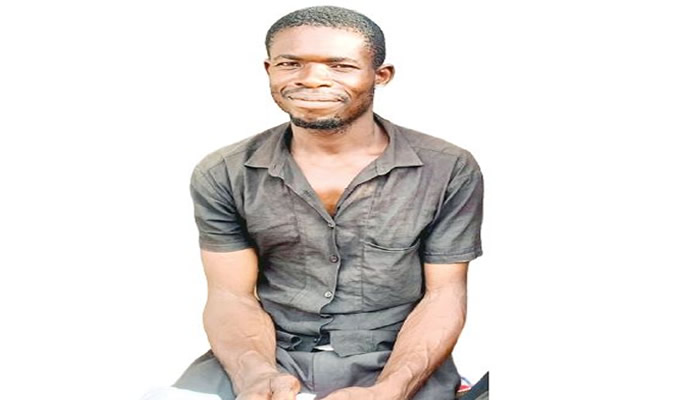

Emmanuel Godsent, an NCE distinction graduate selling polythene bags in Abuja, speaks with TEMITOPE ADETUNJI about his decision to return a lost phone despite grappling with unemployment.
What do you do for a living?
My name is Emmanuel Godsent. I hawk polythene bags in Utako market Abuja.
There was a social media post about you returning a missing phone, can you confirm its accuracy?
It is very true. What happened was that I don’t have much money for business these days, but I have a savings account with UBA Bank and wanted to check if I had any money in it. So, I went to Utako to check my account because I don’t have an Android phone that receives alerts. When I checked, I had only N19 left in my account. So, I had to come back. As I was returning, I had to pass through another road. While passing through the express on a street, I saw a phone on the ground. When I saw the iPhone, I picked it up from the ground. I showed the phone to a nearby driver who claimed it was for one of his passengers. I asked how he knew it was for his passenger.
In a short while, I tapped the screen and saw a lady’s face. Then I saw some people crossing to the other side, and I felt one of them may be the owner. So, I went to the other side of the road. There was a plaza on that side named Best Plaza, and I started asking around. A lady selling buns and egg rolls said she knew the owner, and I asked if she could help me reach out to her. While I was communicating with her, the phone rang. I quickly told the caller I was at Best Plaza. Somehow, they communicated with the owner, and she came to the place and collected the phone.
When I gave them the phone, they appreciated me. As I was leaving, they called me back and said I should take something. I told them not to worry because I didn’t do it for money. It was from the heart. I don’t know if it was the lady’s brother, but he insisted I wait. He took a photo of me and asked for my account number since they didn’t have cash and were looking for a POS.
I realised the phone probably fell when she was trying to cross the road. Later, the lady came looking for me with my photo on her phone. My neighbour in the market said she had her phone number, and I connected to her. She came to thank me, saying she wanted to buy me a Bontel phone, which she fulfilled.
What is the name of the owner of the phone?
Oluwanifemi Fiyin.
Can you confirm if they sent you any money after taking your account details?
Yes, and I must say that what the lady gave me was more than I expected. She could have shared the account number with some of her friends because I received credit alerts from people. I received a lot of appreciation from her friends last night and this morning. Some sent N1,000, N5,000, N10, 000; one even sent N25,000, and another sent N2,000. I’m overwhelmed. I don’t know how to thank the lady.
How do you perceive the impact of returning the phone on your character?
Well, I can’t say because returning the phone is natural to me, as it is the right thing to do, but this time around, it has been very rewarding. I don’t know how to explain it. I want to thank God for everything. Nobody knew me before, so I never really expected people to be calling me or taking my pictures or whatever.
How much have you received so far?
I’ve so far gotten N215,000.
How do you feel about this?
I called the lady today and appreciated her because she gave me her number. She had called me to ask whether I received anything, so I called to thank her. I’m even expecting her call. She has been very nice.
Do you think that returning the phone has changed your life?
Very well, very well. It was a very big thing that I can’t explain, and I know that God will do more.
You said that you hawk polythene bags, are you educated?
Yes, I hawk because I don’t have a shop, and I don’t have money to rent one. I am educated. I’m a distinction graduate. I studied Mathematics at the College of Education Benin, Igueben branch, I am a graduate, and I have an NCE.
Why have you chosen to sell polythene bags despite achieving a first-class degree?
Life happens. I’m hawking because I am unable to get a job. I’ve searched for jobs, but I have not been lucky to find one. I used to work as a teacher at the University of Benin Teaching Hospital Staff School. After a while, I wanted better work to earn better pay, as my salary was N22,000 back in 2015. I have, however, not been able to get that.
What year did you graduate?
I graduated in 2012.
How old are you and where are you from?
I’m 33 years. I’m from Etsako Central Local Government Area, Edo state.
What sparked your interest in mathematics and led you to pursue it as a course?
My interest in mathematics began in Primary Five. One day, my teacher and another teacher were trying to solve a maths problem on the board. I vividly remember it was a question about Mensuration, which involves calculating parameters of shapes like perimeter, area, and volume. As they struggled with the solution, I came up with an answer using a different method. My teacher was so impressed that he sent a letter to the head teacher, who rewarded me with twenty Naira that year. This was a significant motivation for me. From that moment on, I developed a strong interest in calculations and began solving similar problems regularly.
When I moved to Abuja, I hoped that friends or someone could accommodate me and help me find a job. Unfortunately, I couldn’t secure employment and no one could accommodate me. So, I started living under a bridge with others who offered water to passers-by. Eventually, I joined their business and started hawking sachet water. From there, I progressed to selling polythene bags.
Where is your family?
My dad is late but my mom is alive.
I’m the one my family is looking up to.
How long have you been selling polythene bags and sachet water?
I’ve been hawking since 2015 when I came to Abuja. I stopped hawking pure water in 2020 during the coronavirus outbreak. That was when I had to look for something else to sell and why I started hawking polythene bags.
How have you been sustaining yourself, or is there much profit in selling polythene bags?
It has been difficult to sustain myself. I don’t want to remain idle; the profit margin is low.
Are there any plans or goals you have in mind?
I want to be a farmer. If God establishes me properly as I want, I want to be a very prosperous farmer.
Where do you stay currently?
I stay with a good friend here in Abuja who ended up accommodating me as I can’t afford to get rent for myself.
How long have you been staying with him?
It has been over a year now.
Where were you staying before you moved into his apartment?
I was staying under the bridge for a day per person.
How long did you reside under the bridge?
I stayed under different bridges in Abuja, from Area 3 to Wuse, etc. I spent several months in some, and I think I stayed under the Wuse bridge for a year.
Were you not worried about being attacked?
I see it as a way of life. I have to be strong and face my fears. I was brought up very differently. My mum raised me with strong moral values. She is resilient despite being uneducated and poor. She raised us well with good morals. My dad has passed away, so I have to struggle to earn a living. I am the eldest son, and I have two siblings.
What do your siblings do?
My sister, the firstborn, had issues in her marriage. She is now divorced and back in the village in Edo State where my mum lives. My younger brother should have graduated by now from Nigeria Maritime University, but he hasn’t fully graduated because we owe some money. He has been in debt, so we haven’t completed his clearance. He graduated last year, but we haven’t been able to finalise the clearance. I think it’s about N180,000.
Who sponsored you when you were in school?
My mum also sponsored me when I was in school. She also goes to a farm to work for people, so there is some support for us. When we were in school (my siblings and I), we worked for people. We supported ourselves. For instance, when I was in school, I used to go to the bush and set traps for animals. Sometimes I would catch a bush animal, sell it, and use the money to pay for school bills.
What kind of help do you need currently?
I think the help I would be grateful for is getting capital for an agricultural business. From what people have told me, I can start growing some crops if I can raise the needed capital. Between yesterday and now, I have received N216,000 in my account as gifts from people. With this, I can start a business and improve my situation.
What are you most grateful for currently?
I am grateful to God for granting me a heart that loves justice and righteousness as a Christian. Also, I am thankful to God because He has granted me the opportunity to do good to someone who can reward good deeds. I have returned several items I found before, that is the truth. I have helped many people in the past, but I have not seen rewards like I am experiencing now.
I battled rejection to win FUOYE SUG election — First female president


The first female President of the Student Union Government at Federal University Oye Ekiti, Abiodun Olorunshola Mary speaks with AJIBADE OMAPE about her leadership aspirations and political career goals
Can you tell us about your background?
I’m Abiodun Olorunshola. I’m from Kogi State, specifically from Ijumu Local Government Area. However, I was born in Abuja and stayed there for a little while before we moved to Kwara State, where I live now. I’m a Christian, I have three siblings, and I’m the second of four. My mum is Abiodun Kehinde, and she’s a correctional officer. My dad is Abiodun Bankole, a lawyer working as a legislative aide in the National Assembly.
I started my primary education in Kwara State at Rhema Chapel Basic Nursery and Primary School. My secondary education was also in Kwara State at Federal Government College, Ilorin. I finished in 2019, and I gained admission into the Federal University, Oye Ekiti in the same year.
When did you begin your involvement in student union politics?
I started getting involved in student politics in my 100 Level. I participated in many social events, one of which was the Mr and Mrs Fresher. I was not a winner, but I was a runner-up. When I got to the 200 Level, I became the Assistant General Secretary of my faculty. Also, in my 200 Level, I became the Acting President of my faculty. In my 300 Level, I became the Vice President of my faculty.
In 400 Level, I became the Special Advisor to the Student Union Government Vice President on Academic Affairs. During the same year, I also became the Vice President of the FUOYE Chapter of the National Female Student Association of Nigeria. I have served in various capacities.
Currently, I am the SUG President-Elect for the Federal University Oye Ekiti. I am the first female SUG President in the school’s history, in Ekiti State, and the South-West.
How does it feel to have achieved this historic milestone?
It’s emotional for me, but it’s exciting, and I’m grateful for this. Initially, I thought this contest was just for my university, to help bring it into the limelight. However, I have realised it is more than that, as I’ve received various calls from different people concerning what I have just achieved. That made me realise this is more significant than I initially thought, and I am grateful for it. I’m happy to be the first female SUG President, and I am thankful that my efforts during the campaign did not go to waste.
What factors motivated you to get involved in student union politics?
Ever since I was young, I loved leadership, particularly political leadership. So, I decided that I was going to be a leader in politics. As soon as I got to university, I decided to start my career immediately. What prompted me was the desire to see females lead. I’m not a feminist, but I am concerned about the perception of females as weaker vessels. However, my position is that if you are a female with an ambition for any leadership role, just go for it, as long as you believe in yourself and are prepared for it. My motivation came from the fact that I have read a lot, seen a lot, and learned a lot about leadership. I realised I could be a leader, so I decided to go for it and started building myself. That was where everything began, and now I’m the SUG President.
What inspired your decision to run for the post of SUG President?
The main factor that played a role was my understanding that it was time for me to take up this role and perform. When I was in my 200 level, I served as the Acting President of my faculty. This was because, during the SUG election, the Faculty President, Vice President, and General Secretary had to resign to pursue higher positions. Their resignations automatically made me the Acting President. This experience provided me with insight into the responsibilities of a President and the importance of serving.
Even though this experience could have prompted me to run for Faculty President in my 300 level, I chose to wait for my time. At that level, there were opportunities for me to contest and possibly win the Faculty President election. However, I decided to run for Vice President instead, feeling that I needed more time to build myself and fully understand the requirements of the presidency.
At FUOYE, there are two campuses: Ikole, which is smaller, and Oye, the main campus. The SUG positions are zoned between these campuses, so when the Presidency was allocated to Ikole, I knew it was my time. Despite Ikole being the smaller campus, which posed a significant challenge, I was prepared. The smaller campus meant less competition. However, that did not guarantee a win. I had to campaign extensively, meeting students from all faculties on the main campus, doing publications, and convincing people to vote for the first female SUG President.
The campaign involved a lot of work, and it was not easy to persuade people. However, I embraced these challenges and saw them as opportunities and strengths. Despite the burdens, I was ready for it, and those are the factors that kept me going.
What were the challenges you faced during your campaign, and what strategies did you employ to overcome them?
I faced rejection due to two main reasons. Firstly, my gender played a significant role. When approaching students for campaign purposes, many showed disinterest simply because I am female. Secondly, there were political biases among some students who rejected me outright when I asked for their support. They dismissed me without listening or considering my candidacy, urging me to move on.
During one campaign instance, I engaged students by asking them to guess the position I sought, only to be met with surprise and disbelief when I revealed my ambition for the presidency. Some students firmly believed that a female couldn’t effectively lead students at FUOYE, which led to outright rejection. Despite these challenges, I remained undeterred and persevered.
Another obstacle I encountered was that my university has two campuses, one small, and one big. Coming from a smaller campus meant I had to go to the larger campus for campaigning, incurring substantial transportation and accommodation costs. It was a big challenge.
How do you intend to address gender equality and advance the empowerment of female students during your tenure?
Firstly, I know I am a source of motivation to many students at FUOYE. That is one thing I am already aware of, and winning the election has provided many students, not just female students, with insights into what leadership entails. This has motivated many of them to aspire to leadership roles. Before now, many students viewed campus politics as something they couldn’t participate in. But now, they believe that if I can do it, then they can as well.
So, by winning the election, I am already motivating many people, which is an important achievement. Another aspect is that I am ready to host mentorship sessions for as many students as are interested. It won’t just be me mentoring them; there will be other people. I will invite others who can lecture them on leadership, not just in politics.
You know that there are many people interested in pursuing leadership in media, business, and entrepreneurship.
So, I plan to initiate a mentorship programme for female students, as well as for interested male students. We will have a mentorship programme because many individuals are interested in leadership, not just in politics but also in business, media, entertainment, and other fields.
These are the initiatives we will implement to nurture future leaders. However, I will not undertake this alone; I will facilitate the mentorship sessions. I will invite speakers who can engage and inspire them. Many people desire leadership roles but are unsure how to begin.
By participating in such sessions, they can pursue their aspirations and achieve their potential. Additionally, as mentioned earlier, I currently serve as the Vice President for the NFSAN FUOYE Chapter. One of my objectives in this position is to empower female students with skills. Many students have innovative business ideas, and during our conferences, we will discuss how they can be realised.
Academic qualifications alone may not suffice to support a family; we must cultivate essential skills. It is crucial to be empowered and possess practical skills. This is our aim, and we have several other plans in place.
What are your priorities and objectives as SUG President for the forthcoming academic year?
There are several things I would like to address, one of which is the transportation issue at the university. The transportation system is not up to a good standard, and students are heavily exploited by transport providers. This situation arises from the environment and community in which we find ourselves. The transportation system remains poorly organised, while the university’s population has grown significantly with the influx of many students. This often allows the limited number of transport providers to exploit the situation, knowing that students will pay any amount due to a lack of alternatives. However, they need to realise that not all students can afford high transportation costs. The situation is increasingly concerning, especially since the fuel price increase has exacerbated fare hikes.
Apart from transportation, I would like to address the internet issue. It is affecting the students. The internet connection is not very strong at all. We constantly face network issues even when making calls. Therefore, I would like to draw the attention of internet and telecommunication providers to this issue so that they can come and address it.
We have both students and members of the community from neighbouring towns affected by this problem. They are missing out because individuals who should be using 5GB for their daily business operations might only be able to use 2GB due to these connectivity issues. This is a matter I aim to address.
How do you plan to foster unity and collaboration among the students?
One of the things I plan to do to foster unity is to promote sports. Sports are one of the means of uniting students together. It is integral to university life. Apart from academics, it is one of the things that most effectively brings students together.
Many people are interested in sports, and sporting activities involve both campuses. I play chess and basketball myself. Before becoming president, tournaments used to bring me to the Oye campus. There were tournaments between both campuses, including chess tournaments and similar events.
Sports not only help to foster unity but also promote academic-based competitions between campuses. Additionally, we will utilise entertainment as part of our efforts to foster unity. These are the initiatives we plan to use to promote unity among students.
What specific projects or initiatives do you have planned to enhance student welfare?
One of the most important things I want to do is to think outside the box this time around by bringing serious issues facing us as students to the attention of both the state and Federal Government. We have various offices and ministries in the state that can assist us in addressing these issues, and we will engage with them to ensure they deliver.
We need infrastructure that can help foster unity. For example, having a bus service readily available would enable students to commute easily between campuses. Therefore, one of my goals is to collaborate with the government to ensure we get what we need. This is achievable.
The student’s health, particularly mental health, shall also be a focus under our welfare programme. During our planned summit, we will address how to improve students’ mental health and reassure them that they are not alone, no matter the challenges they are facing.
Feeling isolated on campus can easily lead to depression. Another priority for ensuring good welfare is to advocate for adequate medical facilities for students, despite not being part of the school management myself.
My role is to contribute and ensure students have a comfortable stay on campus. To achieve this, collaboration with the state government and school management will be crucial, and we are committed to pursuing these partnerships.
Are you considering engaging in politics beyond the university campus?
Yes, of course. As I mentioned earlier, even before I entered the university, I was interested in leadership, especially political leadership. Engaging in politics here at school is a way of starting my political career. When I finish university, I plan to continue in politics.
How do you see the impact of student leadership on shaping the educational experience at the university?
The student leadership is the bridge between the school management and the students. Student leadership plays a major role in connecting students with the school management and in resolving issues that arise.
How will you engage with the university administration to address student concerns and advocate for their needs?
A relationship has been established between the Student Union Government and the school management. My executive plan is to maintain this relationship. With this relationship, we can easily converse with the school management. The school management has their interests, which they believe are in the best interest of the students. However, we students, from our point of view, feel that something else might be better for us. So, there is interest from both the students and the school management. It is essential to manage these interests, reach an agreement, and find a compromise that balances both sides’ interests and benefits the students.
How will you ensure transparency and accountability within the SUG administration?
Transparency comes from clear communication. When information is not communicated effectively, it leads to confusion and mistrust. Therefore, the first strategy is to ensure clear communication and understanding. The lack of communication leads to division. I intend to avoid it.
As a leader, I want to prevent division within the cabinet. I will ensure that my executives are fully informed and understand the vision and goals we are working towards. The second key strategy is fostering understanding, and the third is promoting and ensuring unity among the executives and all students. If we are all on the same page on what we are doing, there will be no problem.
What message do you have for young women who aspire to take on leadership roles in their schools and communities?
The message I have for them is that if they believe they can do something, then they can. All that is left is to find someone to guide them, play the game to win, and never give up.
Lagos records 1,085 fire outbreaks in six months
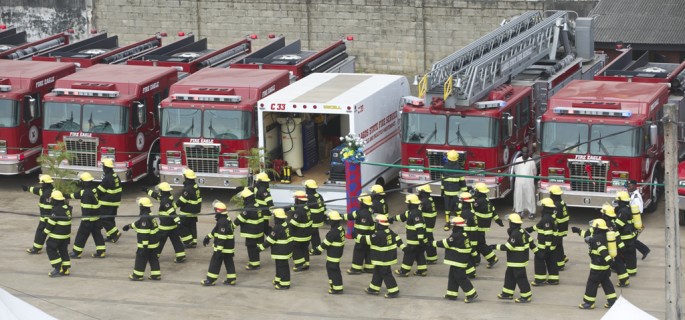

In the first half of 2024, the Lagos State Fire and Rescue Service said the state witnessed no fewer than 1,085 incidence of fire outbreaks with Eti-Osa and Ikeja topping the list of affected local governments.
This was contained in the statistics of the mid-year activity report made available to SUNDAY According on Wednesday.
As stated in the report, the Director of the Lagos Fire and Rescue Service, Margaret Adeseye, said January, February and May witnessed more incidents of the fire outbreaks.
During the period under review, the three months recorded a combined 614 fire outbreaks with January having 213, February 215 and May recording 186 cases.
The report also showed that Eti-Osa (95), Ikeja (75) and Kosofe (45) rank top among the seven worst-hit local councils in the state.
The remaining four affected local government areas include Lagos Island (35), Ikoyi–Obalende (35), Isolo (30) and Surulere (30).
Adeseye, who spoke through the Fire Service Publicity Director, Ololade Agboola, however, explained that there was a massive drop in the number of fire incidents recorded in 2024.
She said, “Last year (2023), the state had 1,642 fire incidents from January to June. But this year, the cases we recorded showed 1,085.
“Aside from residences and industries, the affected structures also included warehouses, public assemblies, sawmills, schools, markets, government establishments, tankers carrying petroleum products and vehicles.
“But where we had building collapse, other responders like Lagos State Ambulance Services are always around to attend to emergencies.”
While warning Nigerians to be cautious in their approach, Adeseye stated that their investigations had revealed that carelessness and negligence were the major causes of the disaster.
Nigerian emerges best law graduate in UK varsity
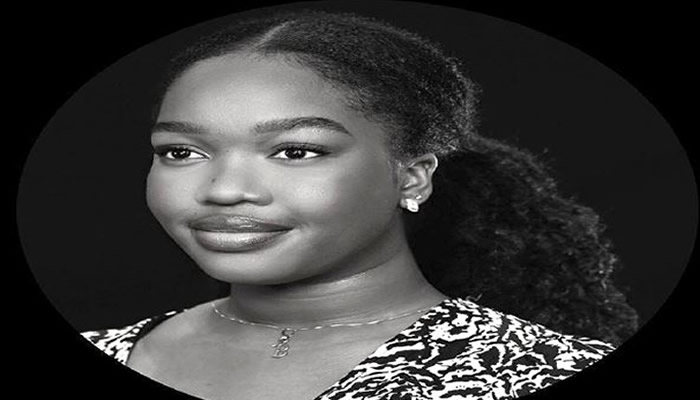

A Bayelsa State-born student, Cherish Markson, has been honoured by the University of Warwick, United Kingdom, for her exceptional performance in the three-year Bachelor of Law with Social Sciences degree programme.
Markson, who emerged the top law graduate, is the daughter to a former Bayelsa State Commissioner for Information and Orientation, Daniel Iworiso-Markson.
However, this is not the first time the younger Markson is doing exceptionally well academically. Three years ago, as a student of Bridge House College, Lagos, she was presented the Top in World Award in Law and High Achievement in Sociology by Cambridge International.
She also bagged an award for her outstanding achievement in her Advanced Subsidiary Level Examination in the November 2020/2021 series.
In a congratulatory letter signed by the Director of Undergraduate Studies, School of Law, Dr Margaret O’Brien, the institution said Cherish scored the highest mark of all students, and was awarded the prize money of £250.
The letter read in part, “You have been awarded First Prize for your performance in the three-year BA Law with Social Sciences degree at the University of Warwick. You achieved a second class, higher division degree, with an overall average of 67.3 per cent. A record of your prize-winning status will be added to your HEAR transcript. Your prize of £250 will be paid directly into your bank account.”
The institution added that with her level of commitment and intellect, there was no doubt that Cherish would go on to do great things in her post-university life, adding that a formal reception will be held in her honour after the graduation ceremony on July 19 by the head of the school.
Police nab Ogun kidnappers, discover victims’ shallow graves


The Ogun State Police Command said that it had discovered the shallow graves of 71-year-old farmer Adekunle Ifelaja and Ogunyemi Femi, who were allegedly killed by suspected kidnappers in the Ijebu-Igbo area of Ogun State.
This follows the arrest of two members of a seven-person criminal gang, Chukwuma Bartholomew and Igwe Monday, who are believed to be responsible for the abductions and murders of the victims.
The state command spokesperson, Omolola Odutola, informed our correspondent on Saturday that the arrest occurred just five days after the anti-kidnapping squad killed two suspected kidnappers in a gunfight and rescued several victims, including Indian nationals.
Regarding the exhumation of the deceased’s bodies, Odutola stated that the suspects, after confessing to the crime during interrogation, led the Commissioner of Police, Abiodun Alamutu, and the anti-kidnapping squad to the forest in Ijebu-Igbo.
She said, “They are responsible for kidnappings and abductions that have been recorded in the Ijebu-Igbo area. They kidnapped their victims, demanded ransom from their family members, and then killed them.
“They then took them to a forest in Ijebu-Igbo, where they dug a shallow grave and buried them. They were arrested by our anti-kidnapping squad after a thorough investigation, which led the team to the hideouts of the criminals on June 28, 2024, in Ijebu-Igbo.
“After their confession, the suspects took the CP and members of the anti-kidnapping units to the forest where they buried the victims to exhume the corpses.”
All rights reserved. This material, and other digital content on this website, may not be reproduced, published, broadcast, rewritten or redistributed in whole or in part without prior express written permission from According.
Contact: [email protected]