
Nigeria is setting its sights on achieving an investment-grade sovereign credit rating by 2030, as the Nigerian Government intensifies efforts to strengthen fiscal management, macroeconomic stability and institutional credibility.
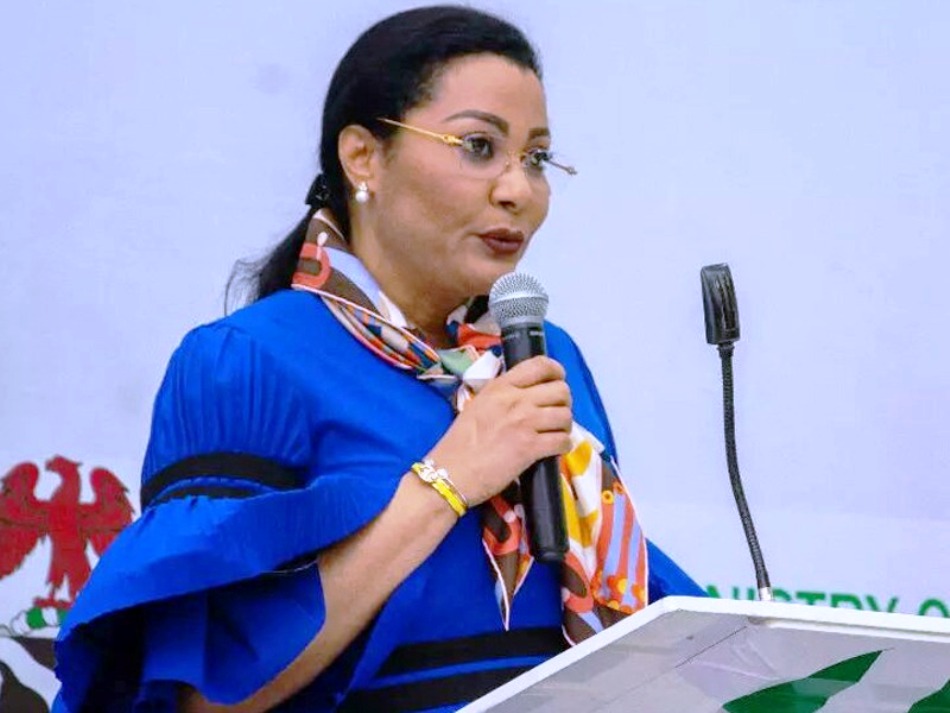
The Minister of State for Budget and Economic Planning, Dr. Doris Uzoka-Anite, is expected to outline the government’s roadmap towards the target at the sixth International Rating Webinar organised by DataPro.
Uzoka-Anite is scheduled to deliver a keynote address titled, “Achieving Investment-Grade Rating by 2030: The Roadmap for Nigeria.”
The webinar, scheduled for October 8, will focus on the reforms and economic conditions required to strengthen Nigeria’s sovereign credit profile and improve its position in international capital markets.
The discussion comes against the backdrop of Nigeria’s recent sovereign rating improvements.
Read Also: Dolly Parton’s Sister Shows Support for Nephew Amid Estate Tensions
S&P Global Ratings raised Nigeria’s long-term sovereign rating from B-minus to B, with a positive outlook, in its 2025 review.
An investment-grade rating is generally associated with stronger perceived creditworthiness and could improve a sovereign’s access to international capital markets, although the eventual rating assessment will depend on the criteria and judgements of individual rating agencies.
The government’s 2030 objective is also being pursued alongside its broader ambition of building a one-trillion-dollar economy.
The webinar is expected to examine issues including fiscal discipline, debt sustainability, foreign exchange stability, institutional governance, financial-sector stability, infrastructure and human capital development.
Other speakers expected at the event include the Executive Director, Risk Management at the Ministry of Finance Incorporated, Oluwakemi Babalogbon; Lead Expert on Credit Rating Agencies at the African Peer Review Mechanism, Dr. Misheck Mutize; Founder of the Credit Rating Research Initiative, Dr. Daniel Cash; Professor of Political Economy at the University of Bern, Professor Kai Gehring; and Head of Macroeconomics and Public Finance Research at RWI-Essen, Professor Torsten Schmidt.
The organisers said; “the discussions will also consider how African economies can strengthen sovereign credibility, attract long-term investment and improve their access to global capital markets.”
For Nigeria, attention is expected to centre on how ongoing fiscal, monetary and structural reforms can be sustained to support stronger credit fundamentals and move the country towards investment-grade territory by 2030.