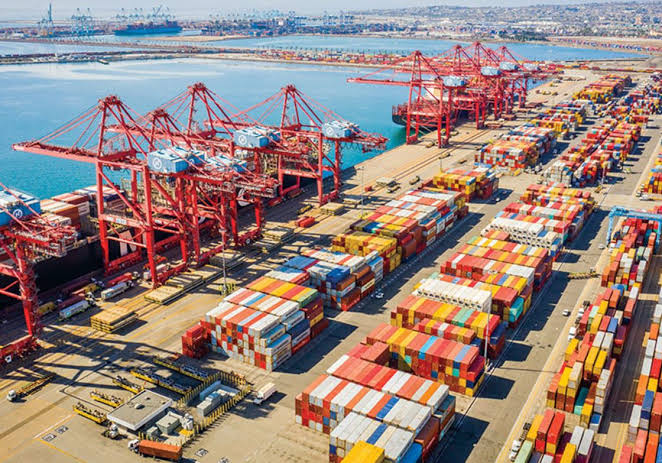
No fewer than 39 ships laden with petroleum products, food items, containers and other essential cargoes are expected to berth at Lagos ports between August 3 and August 8, the Nigerian Ports Authority (NPA) has said, in a development that signals sustained import and commercial activities across the country’s busiest maritime gateways.
Apapa Port, Lekki Deep Sea Port and Tin Can Island Port are the scheduled berths for the vessels, according to the Daily Shipping Position of the NPA released on Monday.
Of the expected vessels, 11 will be container ships carrying a wide array of imported goods for manufacturers, businesses and consumers across the country, the authority said. The other 28 vessels are carrying bulk cargoes including petrol, crude oil, diesel, urea and other industrial commodities.
Other imports expected during the period include bulk wheat, bulk sugar, gypsum, cooking gas, repair materials and pallets, which are vital raw materials for Nigeria’s manufacturing, construction, agriculture and energy sectors.
Read Also: Adaobi Nnani Stands at the Heart of Russia’s Denied Allegations
“The vessels are expected to arrive Apapa, Lekki Deep Sea Port and Tincan Island Port between 3rd and 8th of August,” NPA said.
s The authority disclosed that 10 vessels had already arrived within the Lagos harbour but were waiting for berthing clearance. These ships are carrying petrol, wheat, fertiliser, crude oil, containers and general cargo.
Meanwhile, cargo-handling activities are still busy across the ports with 21 vessels presently discharging consignments at Apapa, Lekki Deep Sea Port and Tin Can Island Port.
The cargoes being discharged include containers, petrol, crude oil, base oil, bulk wheat, sugar, pallets and other general cargoes for industries, marketers and businesses across Nigeria.
The constant flow of vessels highlights the strategic role of Lagos ports to Nigeria’s economy as the country’s main entry point for imports of not only petroleum products, but food supplies, industrial raw materials and manufactured goods as well.
Industry stakeholders say efficient vessel turnaround and faster cargo clearance will be key in reducing port congestion, lowering logistics costs and ensuring the uninterrupted supply of essential commodities to businesses and consumers across the country.