
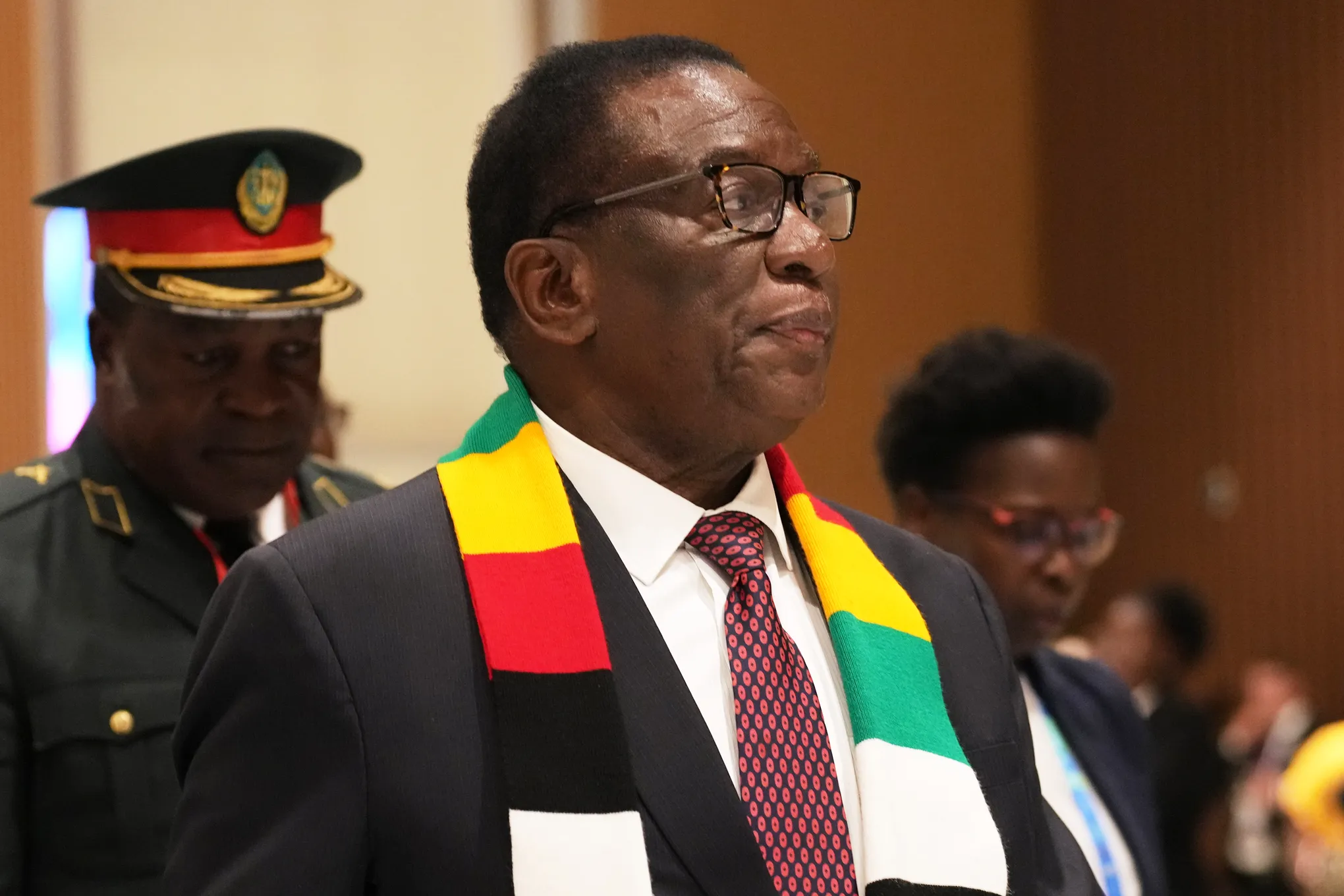
Zimbabwean President Emmerson Mnangagwa has signed into law wide-ranging constitutional amendments that will extend his tenure by two years to 2030 and do away with direct presidential elections.
The move, announced Tuesday, has angered opposition figures who have called it a “constitutional coup” to entrench the ruling Zanu-PF party’s grip on power.
Senior Information Ministry official Nick Mangwana confirmed the development on X: “SIGNED, SEALED AND DELIVERED — IT’S NOW LAW,” alongside a copy of the newly enacted legislation.
One of the biggest changes is a clause that extends the presidential and parliamentary terms from five to seven years. Another amendment changes the election of the president from the voters to the parliament, ending direct presidential elections that have been held since 1987.
The constitutional amendments were approved by both houses of parliament, and finalised by the National Assembly last week.
Critics say the reforms will cement the dominance of Mnangagwa’s Zanu-PF party, which has ruled the resource-rich southern African nation since independence in 1980.
The opposition, weakened by years of alleged repression and disputed elections, has been a strong opponent of the changes.
Mnangagwa, 83, who is nicknamed “The Crocodile” for his reputation for political ruthlessness, came to power in 2017 after a military-backed coup that removed longtime leader Robert Mugabe, who ruled Zimbabwe for 37 years.